In this article
Any dog owner knows that you can never completely get rid of that distinctive canine odor, but certain breeds are definitely less smelly than others. If you don’t want that musty, wet dog smell everywhere or simply prefer a low-maintenance pooch, you’re not alone. Let’s wade into some of the best dog breeds to consider when you want to minimize that notorious dog smell as much as possible.

The 12 Dog Breeds That Don’t Smell Bad
1. Irish Water Spaniel

| Weight: | 55–65 pounds |
| Lifespan: | 10–12 years |
Irish Water Spaniels are one of those breeds advertised as hypoallergenic even though they’re not 100% hypoallergenic (no dog is). Still, they come close, and their dense, curly coat barely ever sheds. As the name implies, they were bred for the water, and even today, their coats barely smell even when sopping wet.
2. Maltese

| Weight: | 4–6 pounds |
| Lifespan: | 12–15 years |
The Maltese is a sprightly, sweet little dog that does wonderfully with children of all ages and most other household pets. They need regular grooming to stay clean and odor-free but aren’t typically smelly dogs at all. Even after frolicking outside, you likely won’t notice any offensive dog smell if you give your Maltese regular baths.
3. Portuguese Water Dog

| Weight: | 35–60 pounds |
| Lifespan: | 12–14 years |
Nicknamed PWDs or Porties, the Portuguese Water Dog was bred to stay as clean as possible even when spending a ton of time in the water. They even have webbed feet perfectly suited for waterfowl hunting. Their coats don’t shed a lot, but you’ll still want to use a de-shedding comb regularly to keep it as clean and odor-free as possible.
4. Poodle

| Weight: | 40–70 pounds |
| Lifespan: | 12–15 years |
The stately Poodle is well-known as one of the top breeds that don’t have much of that infamous doggy stink, and they’re relatively low-shedding, too. However, the downside of Poodles is that they take a lot of personal or professional grooming for their coats to stay in tidy, presentable shape.
5. Basenji

| Weight: | 22–24 pounds |
| Lifespan: | 10–12 years |
The rare Basenji hails from Africa, where it became famous as the “Barkless Dog”. The Basenji’s voice is more like a yodel because of its elongated larynx. Curiously enough, they’re also notable for cleaning themselves like cats do, which helps minimize dog smell. Sadly, these dogs are very rare in the US.
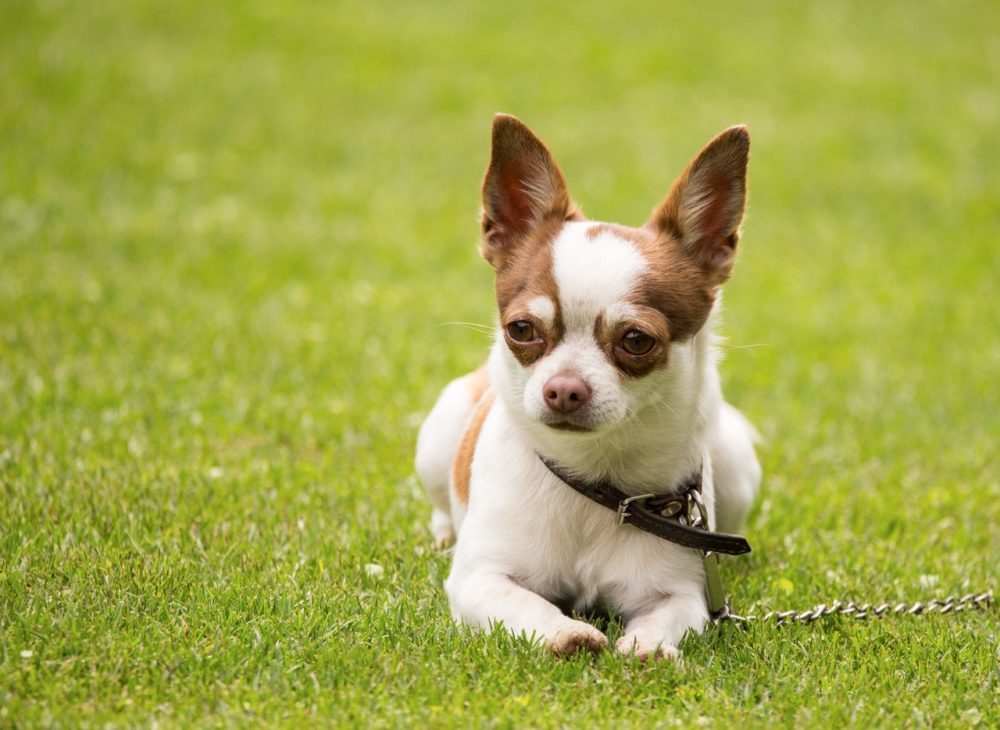
6. Chihuahua

| Weight: | 2–6 pounds |
| Lifespan: | 12–16 years |
Though their coat can range from smooth to long, all Chihuahuas have low odor and aren’t too heavy on shedding either. Long-haired Chihuahuas should be brushed every week or two to help de-shed them, and they also shed more during spring and fall shedding seasons.
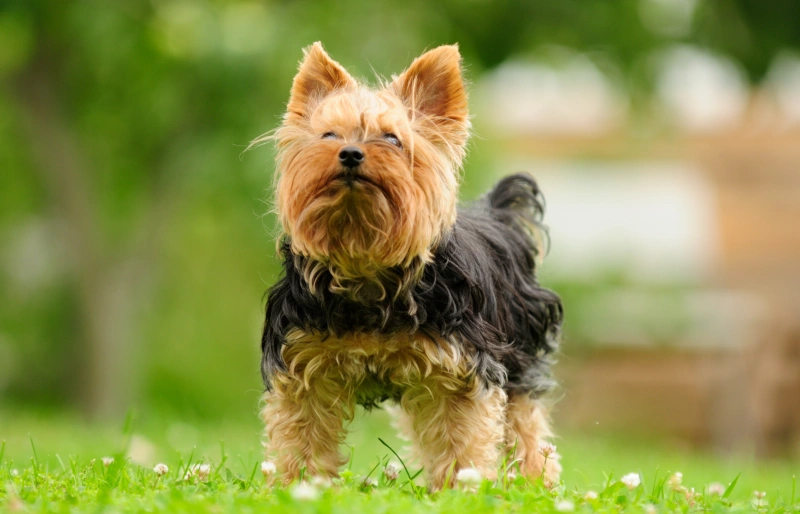
7. Yorkshire Terrier
| Weight: | 3–7 pounds |
| Lifespan: | 13–15 years |
Yorkies have silky fur that sheds very lightly throughout the year, and you’ll want to keep their coat cut short if you want to stop bad smells before they can develop. Yorkies are clean and barely have a dog smell at all as long as they’re given regular baths, and their hair doesn’t have time to develop excessive oils or bacteria.
8. Bichon Frise

| Weight: | 7–12 pounds |
| Lifespan: | 12–16 years |
Bichon Frises are great for people with allergies because they’re very nearly hypoallergenic, generating very little hair and dander compared to other breeds. They do require regular brushing, but nothing you can’t do at home with a brush every week or two. Baths are also key to preventing doggy smells from accumulating over time.
9. Labradoodle

| Weight: | 50–90 pounds |
| Lifespan: | 12–14 years |
Famously referred to as hypoallergenic (but no dog is truly hypoallergenic), Labradoodles are low shedders like their Poodle family members but with a luscious straight coat that’s either kept short in a “puppy cut” or long in a “retriever cut.” The puppy cut is easier to keep up with and keeps hair to a minimum, which, in turn, mitigates bad odors from brewing.
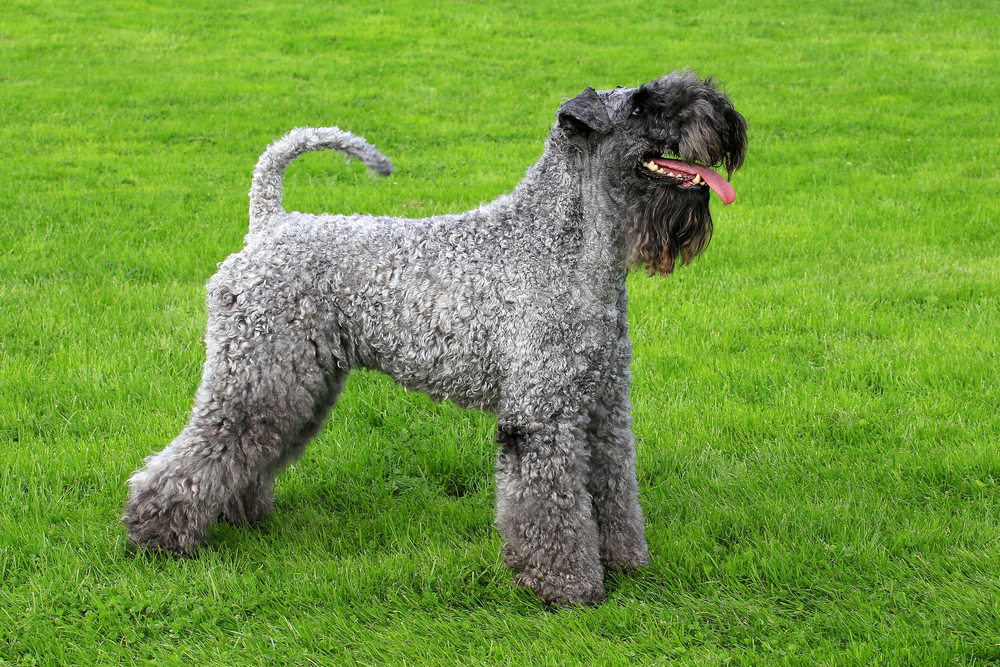
10. Kerry Blue Terrier
| Weight: | 30–40 pounds |
| Lifespan: | 12–15 years |
Kerry Blue Terriers are famous for their dense curly blue-gray coats and mustaches, which are relatively low odor and light on shedding compared to the other curly-haired breeds out there. However, they do need regular upkeep and baths, especially around the mustache, since it can harbor food and bacteria if not cleaned after meals.
11. Dachshund

| Weight: | 11–32 pounds |
| Lifespan: | 12–16 years |
The faithful short-haired Dachshund is famous for their tubular shape and waddling walk, but their short wiry fur coat is one of the easiest to manage in the dog world. They’re moderate shedders, but most of that fur is throughout the year in light spurts. All you really need is a good de-shedding comb and some high-quality dog shampoo to keep their coat clean, though it resists dirt fairly well.
12. Schnauzer

| Weight: | 11–90 pounds |
| Lifespan: | 12–16 years |
From the diminutive miniature Schnauzer to the giant ones, this breed is very clean-cut and has modest grooming needs that will keep smelly dander and fur off your furniture. However, some Schnauzers have very oily fur that can call for special dog shampoo or topical meds to keep them clean and smell-free.
Why Do Dogs Smell?
There are lots of different factors that influence how smelly a dog is, including breed characteristics, lifestyle, and health. If olfactory appeal is high on your list of priorities, here are a few things to be aware of that might result in a pungent pup.
Breed: Dogs with thick coats, skin folds, floppy jowls, droopy ears, and excess slobber are more likely to retain moisture on the skin and develop a yeasty smell or wet dog aroma.
Lifestyle: Dogs that live outside in a kennel, roll in unpleasant substances, or spend time with livestock are going to be far smellier than a pampered pooch that spends a large amount of time indoors.
Health: There are a number of health conditions that may cause your dog to develop an unpleasant smell, including:
- Dental disease – many of the dog breeds listed above are predisposed to dental disease, either due to their small mouths or bristly beards, which can quickly turn these fragrant pups smelly. Keeping teeth clean and beards trimmed is essential if you want to keep your canine smelling fresh.
- Anal glands – full or impacted anal glands can be a real, and literal, pain in the behind, and result in a stinky dog that often leaves behind a foul-smelling calling card where they’ve been sitting. Ensuring your dog has enough fiber in their diet is one way you can help those glands empty naturally.
- Infections/disease – ear infections, skin infections, and diarrhea all come with some distinctive and smelly side effects. Additionally, dogs with longer coats can also get ‘dags’ or matted feces around their bottom, so make sure that area stays clean and neatly trimmed.
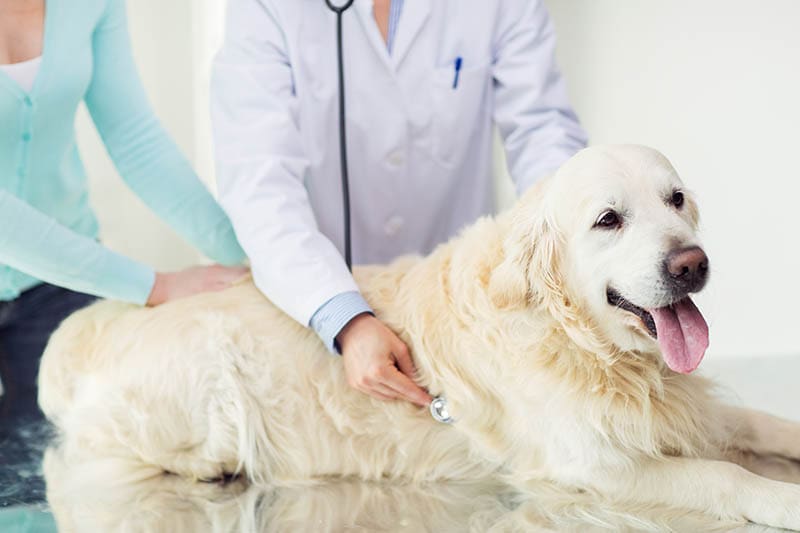
If your previously pleasant smelling pooch has developed a stench that a bath won’t fix, it might be time for a trip to the vet.
Final Thoughts
Not all dogs are smelly by nature but keeping them bathed and brushed will work wonders to further mitigate problematic musty dog smells. For a low-odor and low-shedding dog, you could do a lot worse than some of the breeds listed above.
Featured Image Credit: Rafael Guajardo, Pexels