In this article
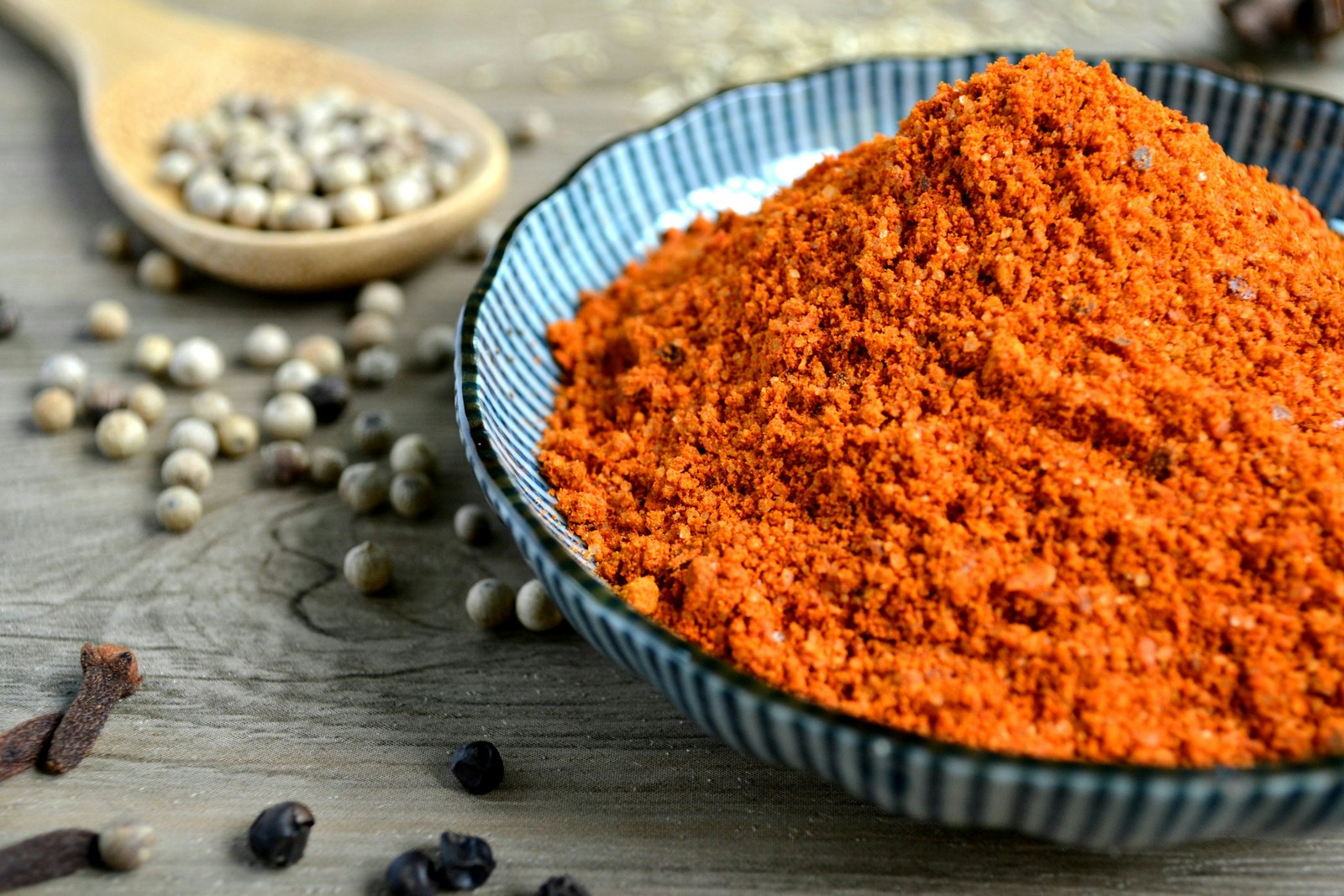
Fall brings with it the advent of pumpkin spice everything—pumpkin spice lattes, pumpkin spice cookies and bread, pumpkin spice scented candles, and more! There’s really no better way to get into the fall season than with some pumpkin spice. But when you’re enjoying all things pumpkin spice, you might wonder whether giving your dog a bit of whatever you’re eating or drinking is safe.
So, can dogs have pumpkin spice? The answer is a resounding no! Some of the ingredients in pumpkin spice may indeed be entirely safe for dogs, but others are harmful and even toxic in larger amounts, such as nutmeg.
When enjoying the ultimate fall flavor, you should keep it to yourself, no matter how pleading your pup’s eyes get. Why can’t canines enjoy pumpkin spice along with you? Here’s why!

Why Shouldn’t Dogs Eat Pumpkin Spice?
Dogs can’t eat pumpkin spice because it contains harmful ingredients. Pumpkin spice isn’t actually pumpkin. Instead, it’s a mix of different spices used to flavor things, and it often doesn’t have pumpkin in it at all. Some of the spices used in pumpkin spice can be toxic for your pup if they eat a lot, so it’s safest to just not give them any at all.
Then, you have the foods and drinks pumpkin spice is used in. These, too, could be harmful to your pet, depending on the item. For example, lattes contain caffeine, which is a huge no-no for our canine companions. Or a food or drink could contain the artificial sweetener xylitol, which is incredibly toxic to dogs.
Dangers of Feeding Pumpkin Spice to Dogs
What spices in pumpkin spice make it dangerous for our dogs to eat? Here’s a closer look at the dangers of feeding pumpkin spice to your dog.
While a very tiny accidental less than a lick of the spice is unlikely to cause serious issues in most medium and large breed dogs, a larger amount may certainly lead to health issues, particularly in very small dogs and puppies. If your dog licked any spice at all, call a vet for advice and peace of mind.
1. Allspice and Cloves
Allspice and cloves contain something called eugenol, an oily substance that can be extracted from these ingredients and is toxic to canines (and other pets).1 It can often be found in essential oils, too, so avoid using essential oils with this ingredient around your dog, as well.
If a dog eats too much allspice or cloves, they could experience vomiting, diarrhea, nausea, dizziness, loss of balance, and lethargy.
2. Cinnamon
There is anecdotal evidence that cinnamon may have several potential health benefits for humans, although there is limited available research to back these claims when it comes to dogs. It’s believed to have anti-inflammatory properties and is an antioxidant.
However, too much cinnamon is a whole other story. If a dog consumes an overabundance of cinnamon, they could experience lowered blood sugar, changes in their heart rate, diarrhea, vomiting, or issues with the liver. Plus, if your canine pal inhales cinnamon, it could cause them to choke, cough, and have trouble breathing.

3. Ginger
Ginger isn’t considered harmful to most canines so long as it’s given to them in moderation and according to veterinary advice. This ingredient can actually be helpful at times, especially for pups who get carsick, as it can help prevent them from getting nauseous. Dried ginger root can potentially cause some dogs to have stomach upset, diarrhea, lethargy, abdominal pain, or skin irritation and hives in case of contact.
Speak with a vet before giving your pet any ginger so they can tell you just how much and whether it’s safe. Dogs that are allergic to ginger, those with a bleeding disorder, taking nonsteroidal anti-inflammatory medications, having surgery, diabetic dogs, pregnant or nursing ones, and dogs with gallbladder disease should not have ginger, as there may be a higher risk of adverse effects and safety of the compound has not been tested in such circumstances.
4. Nutmeg
Now, nutmeg is toxic to dogs in large amounts, and most pumpkin spices contain it. This is because it has something called myristicin, which has been shown to cause hallucinations. Not only can it cause your pup to hallucinate, but it can also cause high blood pressure, disorientation, a higher heart rate, dry mouth, stomach pain, and possibly seizures.
And all of those can last for as long as 48 hours.
What Do I Do if My Dog Eats Pumpkin Spice?
If your dog has managed to consume pumpkin spice, don’t immediately panic. Chances are, they only had a minimal amount, so they should be fine. It’s best to speak to a vet and ask them for advice. They may recommend you keep an eye on your dog for the next few hours to see if they develop signs like diarrhea, vomiting, abdominal pain, lethargy, drooling, loss of balance, or others, for which they will need treatment.
If you believe your dog has eaten a large quantity of pumpkin spice, reach out to a vet immediately. They can let you know whether you should bring your dog in for a visit or simply watch over them for the next couple of days.
If you need urgent veterinary advice, consult a vet online.
Did you know you can speak to a veterinarian without having to travel? Just head over to PangoVet. It's our online service where you can talk to a vet online and get the advice you need for your pet — all at an affordable price!

Can Dogs Eat Pumpkins?
Pure pumpkin is perfectly safe for canines! Not only will it not make them ill (provided it’s given to them in moderation), but it also has some health benefits. Pumpkin is high in fiber, low in fat, and has essential vitamins your dog needs. You can even use pumpkin to help your dog with digestive issues, such as diarrhea!
Can Dogs Eat Pumpkin Pie?
Now, we’re back in the area of unsafe foods to give to your pet. Unfortunately, pumpkin pie has ingredients that aren’t healthy for your dog and some that may be toxic. Canned pumpkin pie filling and pumpkin mix typically contain pumpkin spice (which we’ve already ascertained can be harmful), as well as sweeteners that could be unhealthy or toxic. Then, you have sugar, butter, and condensed milk, which are all unhealthy and could cause your pup to have an upset stomach.
In Conclusion
Pumpkin spice in absolutely everything may be fantastic for us when fall rolls around, but it’s less fantastic for our dogs. Pumpkin spice contains several spices (but surprisingly, not usually pumpkin), which can harm canines in large amounts. Plus, most food and drink items that come with pumpkin spice are unhealthy for your pup, either because they contain unhealthy ingredients or toxic ones.
Featured Image Credit: Min Ling, Pixabay