My Dog Has Tapeworms: How Do I Clean My House? (2026 Guide)


The chances are that your dog was treated for roundworms when it was a puppy. Unfortunately, these internal parasites are everywhere. A pup may have dormant larvae in its system that may pass onto its young. Tapeworms are a different story. They aren’t as common, especially if you limit your pet’s outdoor activity to walks around town and have a flea prevention program.
You won’t know if your dog has contracted tapeworms, either, unless your pup has a heavy infestation. Then, you may notice that your pet is losing weight even though its appetite is normal. That is one reason why your veterinarian will request a fecal sample for your pooch’s annual exam. We understand your concerns if your dog has tested positive. Let’s roll up our sleeves and get cleaning!

Before You Start
We’re sure that we don’t have to tell you to do a thorough job with this task. However, it’s essential to realize its significance. Dipylidium caninum is the tapeworm species most likely affecting your pup. It can infect dogs and cats. If you have any other pets, you should treat them, too. The other thing you should know upfront is that humans can also get tapeworms. But rest assured that it rarely happens.
Pets typically get tapeworms if they are outdoor animals that encounter infected fleas. They may then ingest the parasites as they self-groom. Cats often contract tapeworms from the rodents they may catch. If you have a mouser living with your dog, that’s likely how it spreads. That means you’ll have to clean both inside and outside of your house.
After learning your dog has fleas, cleaning your home isn’t too different from dealing with a tapeworm issue. Timing is everything. We suggest treating your pets before or at the same time as disinfecting. That can reduce the chances of reinfection. You’ll likely have to repeat this job until your pup gets a negative test. The supplies you’ll need for cleaning your home include the following:
Our Favorite Cleaner
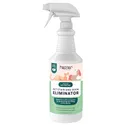
Hepper Advanced Bio-Enzyme Pet Stain & Odor Eliminator Spray is our favorite all-purpose cleaner for pet messes. It permanently lifts the very worst stains and odors, making clean-up and accident prevention a breeze. Hepper offers a 100% guarantee, which is a great bonus! Learn more about it here.
| Rating | Image | Product | Details | |
|---|---|---|---|---|
Best Enzymatic Cleaner
 |
|
Hepper Advanced Bio-Enzyme Pet Stain & Odor Eliminator Spray |
|
Check Price |
At Dogster, we’ve admired Hepper for many years, and decided to take a controlling ownership interest so that we could benefit from the outstanding products of this cool pet company!
Step-By-Step Guide to Cleaning Your Home
Step 1. Confirm a Positive Diagnosis
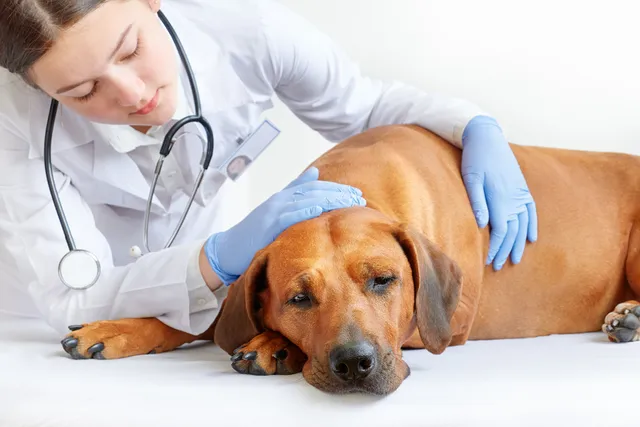
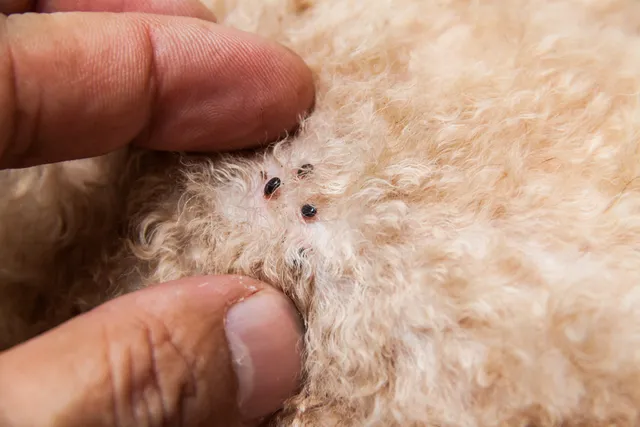
You’re most likely to notice physical evidence of the tapeworms on your dog’s hind end or in its feces. Nevertheless, we recommend you get the diagnosis confirmed by your vet. That will eliminate the possibility of your pup being infected by more than one internal parasite. That’s essential to know since the various types are often treated with different medications.
Step 2. Clean Your Dog’s Bed
If your pet has a favorite bed or blanket, you can begin there. That’s where your pup probably does a lot of self-grooming. If possible, use hot water with a small amount of bleach when tossing it in the washer. We suggest replacing items that you can’t machine wash or use at this temperature. Be sure to put the old one in a plastic bag and toss it in the trash.

Step 3. Wash Your Linens
Unfortunately, your dog can carry the tapeworms with it wherever it goes in the house. If your pup sleeps in bed with you, you’ll have to wash the bedding. Again, hot water is best to ensure that it will kill the larvae and eggs. Adding a bit of color-safe bleach will get the job done.
Step 4. Vacuum the House
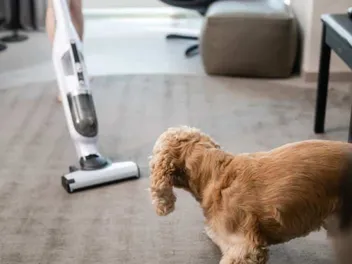
Your dog likely has a free run of the house. That means vacuuming every room thoroughly. Remember that your pup may have shed segments of the tapeworms any place that it goes. That includes the furniture, too. Empty the vacuum contents in a plastic bag and throw it in the garbage when you’re done.

Step 5. Steam Clean Your Carpets and Upholstery
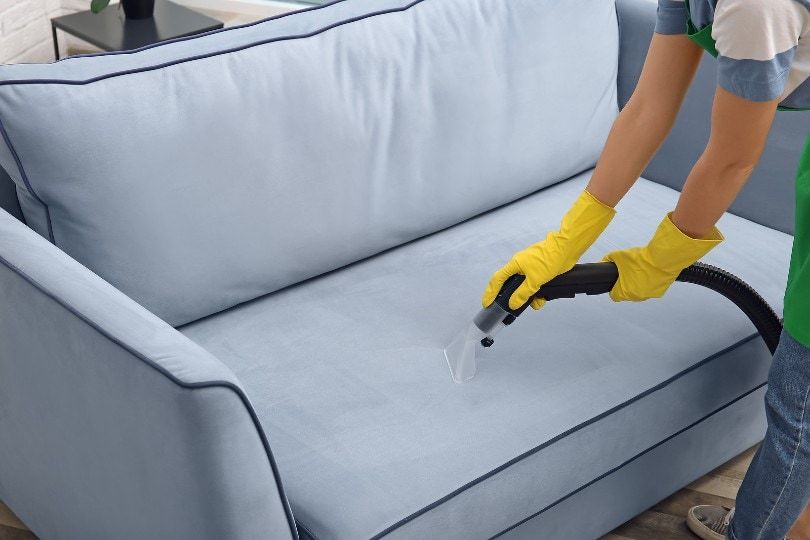
Steam cleaning the carpets and upholstery after using an enzyme spray solution will knock down any parasites you didn’t get with the vacuum cleaner. Fortunately, it’s an effective means to get rid of tapeworms and probably most parasites.
Step 6. Wash the Floors and Surfaces
You must also clean the floors. We suggest a mild bleach solution of 1 cup per gallon of water. You can dial it back to 1 tablespoon for more delicate surfaces. An enzyme cleaner can also be used if you are looking for a pet-safe option. You can use the same mixture for any surfaces your dog may touch. Don’t forget to wash any throw rugs in uncarpeted rooms.

Step 7. Power Wash the Sidewalks, Paths, and Driveways
The battle goes outside next. You can use the same bleach solution to power wash areas your dog uses. It’s an excellent time to pick up any waste in the yard, making sure to dispose of it properly. You might want to consider limiting your pup’s outdoor space until your pet tests negative for tapeworms.
Step 8. Treat and Bathe Your Dog
Now, it’s time for your pet. A flea and tick shampoo will get rid of the tapeworms’ carriers. You can begin by washing your pup’s face and working toward the back. We recommend cleaning its bottom, tail, and back legs thoroughly.

Step 9. Wash Your Cleaning Clothes
Once you’ve finished with your house, you should wash the clothes you were wearing while cleaning. Hot water and a little bleach will take care of the tapeworms. You may even want to follow up with a shower after washing your hands.
Step 10. Rinse and Repeat
Your veterinarian will likely recommend at least one additional dose of the treatment. Luckily, the recommended medication, praziquantel, is highly effective. Your pet will also tolerate it well.


Preventing Future Problems
While tapeworms usually don’t cause serious problems, you certainly don’t want your pet to go through an infestation again. We suggest keeping your backyard clean of animal waste. You should also pick up after your dog promptly when going on walks. Luckily, some heartworm medications also treat tapeworms and can act as a preventive. It makes a strong case for using them year-round.

Final Thoughts
Cleaning your house after a positive tapeworm diagnosis is a no-brainer, especially when you consider the risk to your family. Fortunately, the condition is easily treated. Regular vet care and year-round use of heartworm meds can help ensure you and your dog don’t have to go through this ordeal again.
Featured Image Credit: Africa Studio, Shutterstock
Expert dog care, straight to your inbox
News, insights, expert advice, and everything dog.

No spam — unsubscribe anytime.
By signing up, you agree to our Terms & Conditions and Privacy & Cookies Policy.
How useful was this post?
Click a star to rate. You can leave written feedback afterwards. (We read all feedback.)
Nicole has loved animals of all sizes her whole life so it's no wonder she has dedicated her career to helping them through what she loves best: learning, writing, and sharing knowledge with others. She’s the proud mom of two dogs, a cat, and a human. With a degree in Education and 15+ years of writing experience, Nicole wants to help pet parents and pets around the planet to live happy, safe, and healthy lives.