Why Do Dogs Bite? 10 Vet-Verified Reasons & Prevention Tips


In this article
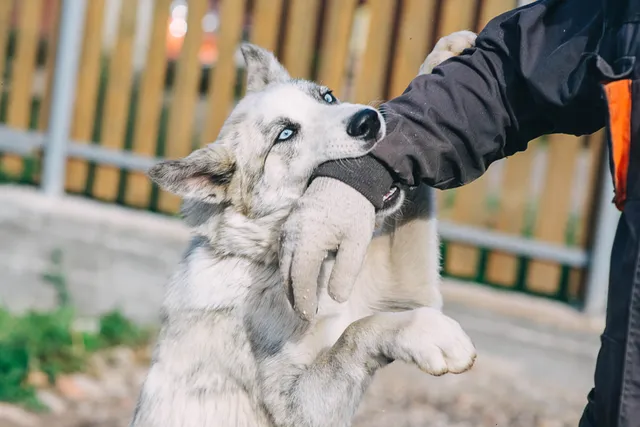
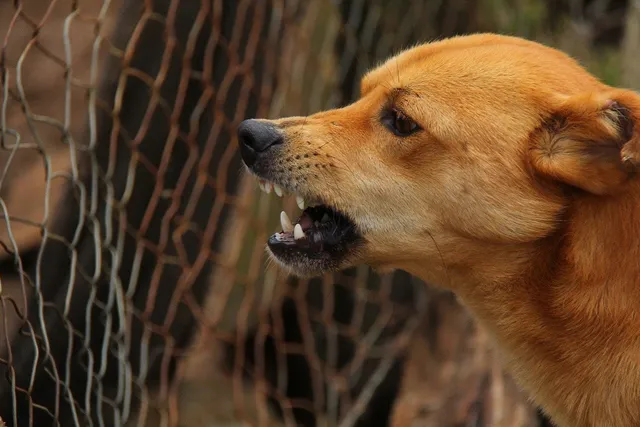
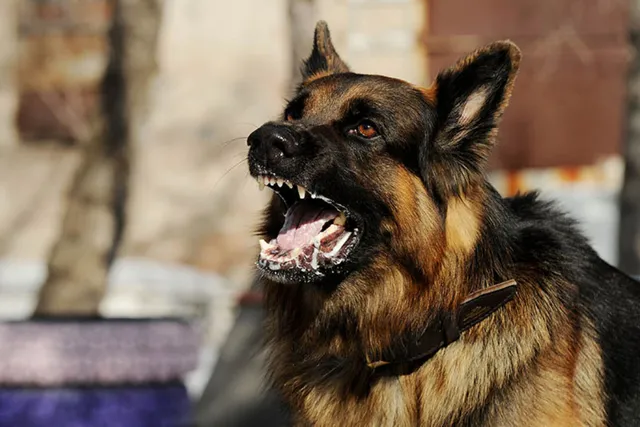
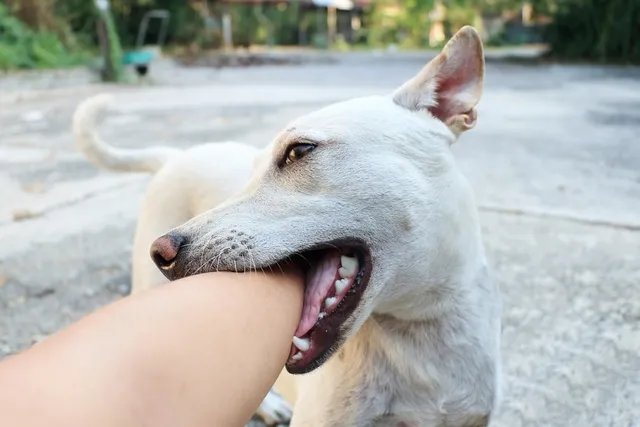
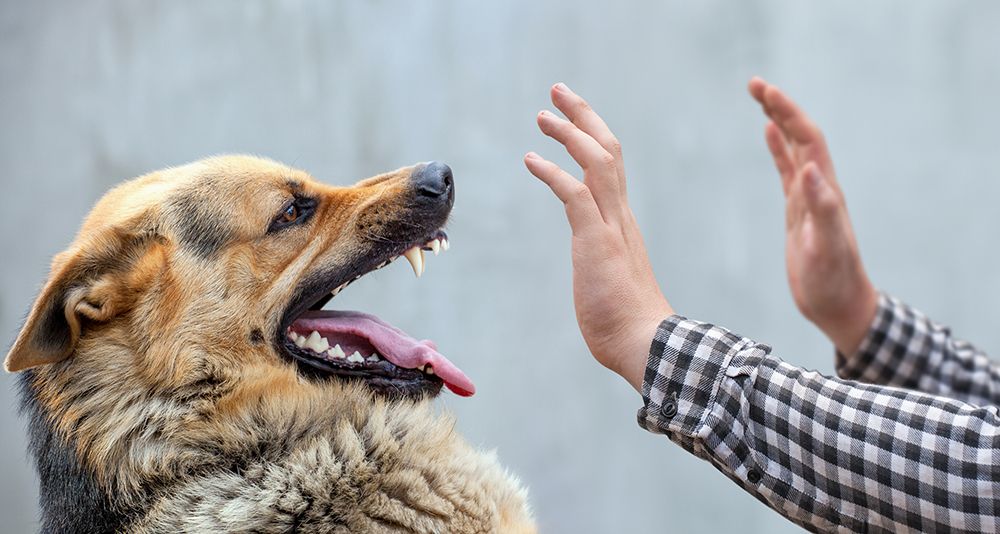
Did you know that over 4.5 million Americans are bitten by dogs every year? Children are the most common victims of dog bites and also the most likely to be severely injured.1 Any dog, even the gentlest and most even-tempered ones, can bite, so all pet owners need to educate themselves about dog bite prevention and its causes. Read on to learn 10 common reasons dogs resort to aggressive behaviors like biting and nine things you can do to prevent these unacceptable behaviors.

The 10 Reasons Dogs Bite
1. They're Afraid
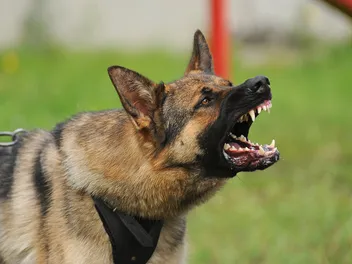
Some aggressive behavior in dogs is rooted in fear. They may be afraid of someone or something getting in their space. Dogs, like humans, can be fearful of unfamiliar people and situations. Fear aggression is typically characterized by quick nips or bites, and frightened dogs generally want to bite and then run away.

2. They're Startled
Some dogs will nip or bite when they are startled by something. They may also show signs of aggression (growling, snapping, or biting) when woken from sleep unexpectedly. This is known as "sleep startle" or "sleep aggression" and is instinctive in many wild animals. Though your dog is safe in your home from predators, many domesticated pets still carry some traits from their wild ancestors. It's common for sleeping dogs to wake with aggression when startled by touch or movement.
3. They're Possessive or Territorial
If your dog feels possessive over something, such as their favorite toy, food bowl, or even you, they may bite if they believe their access is in jeopardy. This is sometimes known as resource guarding or possessive aggression and is typically based on anxiety. While this is a perfectly natural behavior in dogs, it's not something you should let slide. You may need to contact a dog trainer to help correct this behavior. Your dog may not always resort to biting when they're guarding their resources. They can exhibit other signs, such as:
- Growling
- Pinning their ears
- Lip licking
- Body stiffness
- Hyperfixation on the object
Dogs can also bite when they're feeling territorial. They may react aggressively when someone enters an area they consider their home. As with possessive aggression, territorial aggression is often based on anxiety.

4. They're Sick
Dogs sometimes resort to biting if they're sick or injured. Even the gentlest dogs can get nippy when they're in pain. This is generally not done out of aggression but instead to protect themselves from being touched or disturbed.
5. They're Frustrated
Dogs that are excited by something can become aggressive if they're being held back from the thing that's eliciting arousal. They can become nippy with the person that's holding them back.
6. They're Being Protective
Dogs are highly social creatures that live in packs if left to their own devices in the wild. If a pack member is in danger, the others often defend them. Pet dogs may bite if they believe their family members are in peril. Dogs that have always been gentle may also show protective aggression after they've whelped a litter of puppies or when their humans bring home a child. This maternal aggression is generally born from the new mother's need for a safe space for her puppies.
While many owners seek protective qualities in their dogs, they can be problematic when the pup starts nipping at or showing aggression toward anyone who's not considered a family member, including relatives or friends.

7. They're Playing
It's natural for dogs to explore their world through mouthing or light bites. This is a behavior many dogs engage in when they're playing, too. It can be pretty alarming to watch dogs mouth each other when they play together. If you're unsure if your pup is being too mouthy during play, you might want to consult a trainer to get their expert opinion on whether your pup's play style is appropriate.
8. They're Hunters at Heart
Dog owners must remember that their beloved family pets are related to wolves and coyotes, both of whom are predators in the wild. While your dog doesn't need to hunt for their next meal, they retain some classic canine predatory behaviors, including chasing and grabbing things that move quickly. This intuitive quality causes many dogs to run after cars or bicyclists and chase smaller animals. There is often no warning that an attack is about to happen.

9. They're at Their Wits End
Some dog-biting incidents don't fall into any of the previous categories. Sometimes, dogs bite because they've been pestered beyond their limits. Their bites may be prompted by children or adults who don't understand their boundaries or know that even the gentlest dog has limits to what they can take.
10. They're Trying to Be Dominant
Dominance aggression is relatively rare. Dogs with this type of aggression can be dangerous to humans and other animals as their problem is rooted in a struggle over control. These dogs believe they're in charge and generally do not respect their owners.
The 9 Ways to Prevent Dog Bites
1. Work With a Veterinary Team
Dogs will sometimes bite because of medical conditions or complications. Those suffering from an illness or injury may be more apt to show aggression because they don't want to be bothered or touched when they're in pain. Older dogs may get confused or insecure, which can also prompt aggressive behavior. Some medications can alter your dog's mood and may affect their susceptibility toward aggression. Work with a veterinary team to determine if your dog is sick or injured or if changing medication can help address your dog's biting tendencies.
2. Educate Yourself on Creating Positive Interactions
Sometimes, dogs bite because they're at their wit's end with humans who don't know how to interact with them appropriately. Dog owners with children need to teach their kids the right and wrong way to treat animals and how to approach them respectfully. Kids need to understand that it's never okay to approach strange dogs.
3. Don't Leave Your Dogs and Children Together Unsupervised
Until your kids are old enough to know how to respect your pets and their boundaries, break your home into zones using baby gates to keep them separate if you cannot supervise them together. Your children should be allowed to interact with your dog regularly, but only under your supervision, to ensure positive interactions.

4. Don't Overwhelm Your Dog
Don't expose your dog to too many things that frighten or overwhelm them. This can be extremely anxiety-inducing for your pet. It's much more likely that your dog will react with aggression to these situations.
5. Don't Resort to Physical Punishment
You should never use physical punishment on your dog. It can be challenging not to punish snapping or growling, but it is not the answer. A growl or air bite without physical contact is your dog's natural way to warn you that they're uncomfortable or overwhelmed. If you punish them for this behavior, you could increase the likelihood of an actual bite occurring in the future as your pup will learn they shouldn't send a warning sign before going directly to a bite response.

6. Begin Socialization ASAP
Socialization involves exposing your dog to new people, places, and activities and should begin when your dog is a puppy. In a perfect world, socializing would start when your pup is between three and 14 weeks old, but it’s never too late to socialize a dog. Ignore negative behavior and reward positive behavior when in new situations.
7. Be Present Around New Experiences
Be with your dog when they are exposed to new people or places, and never force them to interact if they appear reluctant or afraid. Interactions can quickly shift from play to aggression, especially when children are around.

8. Listen to Your Dog
Watch your dog for signs of fear, anxiety, or agitation, and remove them from the situation as soon as possible when you pick up on these signs. Put them in a safe and quiet place to interrupt the behaviors you don't want to reinforce. Avoid sudden movements or loud sounds since they activate your pet's predator instinct and escalate the behavior. Instead, move away slowly and confidently.
9. Get Support
Work closely with a professional dog trainer to learn more about your dog's behavior and what you can do to counteract it in the future. Even the most well-meaning behavior modification techniques can be detrimental if misused. A qualified professional can assess your dog's personality and your level of experience to provide a treatment plan customized to your exact needs.
Final Thoughts
Part of being a responsible dog owner is educating yourself on the psychology behind your pet's behaviors. Knowing the common reasons dogs resort to aggressive behaviors and what you can do to prevent bites from occurring is important so you know what is expected of you as their pack leader. The more you know and understand, the less likely your dog will bite. If your pup has shown aggressive tendencies in the past, you may want to reach out to your veterinary team or professional dog trainers for help to prevent such behaviors from happening in the future. See also:
Sources
Featured Image Credit: dimid_86, Shutterstock
Expert dog care, straight to your inbox
News, insights, expert advice, and everything dog.

No spam — unsubscribe anytime.
By signing up, you agree to our Terms & Conditions and Privacy & Cookies Policy.
How useful was this post?
Click a star to rate. You can leave written feedback afterwards. (We read all feedback.)
Chantelle is passionate about two things in her life – writing and animals. She grew up on the prairies of Canada surrounded by animals and as an adult, she choose to share her home with five cats, two guinea pigs, and a bearded dragon. Chantelle, her husband, and their child take great pride in being great animal parents- the ones who spend a thousand dollars on wall-mounted cat shelves so that their cats can have an indoor jungle gym all year round. When Chantelle isn’t snuggling her cats on the couch or taking pictures of them being funny, she’s outside exploring in the Rocky Mountains, binging the same shows on Netflix over and over, and reading about whatever random topic pops into her brain.