In this article
Hailing from Boston, Massachusetts, the Boston Terrier is a small, cute dog breed that is known for its intelligence and loyalty. Strutting around with a tuxedo-like coat and an adorable short muzzle, these dogs are beloved and they know it. One thing a lot of people ask about these dogs is, does a Boston Terrier have a tail? The answer to this question is yes, Boston Terriers are born with tails. They are very short and come in varying types. In some cases, breeders even cut or dock puppies’ tails before they leave for their forever home. Continue reading to learn why Boston Terriers often have their tails cut before they leave for their forever homes and what this can mean for these little dogs along with more information about this amazing breed.

A Quick History of Boston Terriers
It’s hard to believe that Boston Terriers were originally bred as fighting dogs. Yes, like so many popular breeds that are now sought-after for companionship, these little dogs came about in the late 1800s. Breeders wanted a dog that was strong and could be intimidating. They also wanted the dogs to be loyal and friendly. This breed grew from crossbreeding various mixed breeds, with the English White Terrier and Bulldog being its prominent ancestors. Called “Round-Heads” originally, these dogs were beloved in the Boston area. They were so popular in fact, that they were often referred to as “Boston Bulls” until they received their formal name in the 1900s.
Does a Boston Terrier Have a Tail?
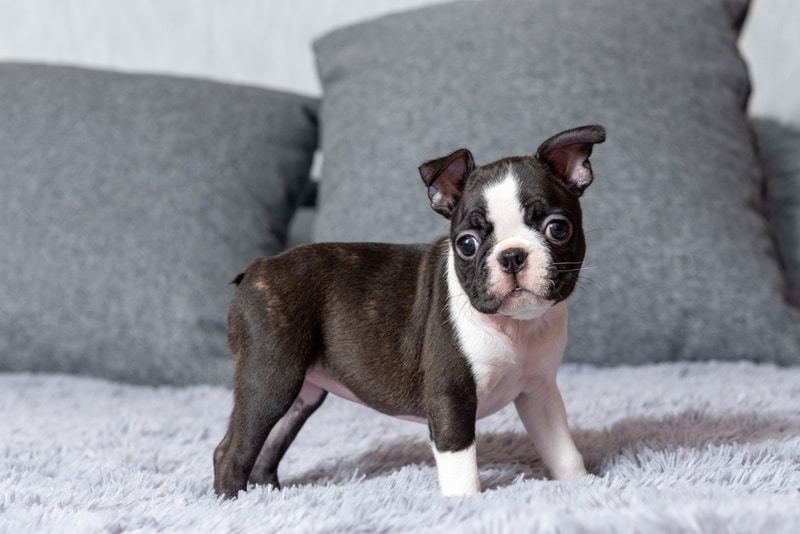
Now that you’ve learned a bit about these little dogs, let’s talk more about their tails. Yes, Boston Terriers are naturally born with tails, but their tails are typically very short due to their genetics. The American Kennel Club (AKC) breed standard specifies that Boston Terrier tails should be “short, set low, and tapering.” While their tails come in a few different shapes, the shortened appearance often causes confusion, leading many to believe they are born without a tail.
Boston Terrier Tails: Short, Sweet, and Full of Personality
If you’ve ever seen a Boston Terrier wag their little tail (or, let’s be honest, wiggle their whole butt), you know that these pint-sized pooches are packed with charm. But have you ever wondered why their tails are so short and quirky? Well, it’s all in the genes—specifically, a little genetic quirk called the DVL2 gene mutation. This mutation doesn’t just give our Bostons their signature flat faces; it also shapes those adorable little tails we love so much.
A Tail for Every Boston
Boston Terrier tails are like fingerprints—no two are exactly alike. Here’s a quick guide to the different tail types you might see on these dogs and what they look like:
Short Tail
Picture a little cotton ball perched right on the rear. This super-short tail is the most common in Boston Terriers and often looks like they’re missing a tail altogether. But don’t worry—it’s all-natural and perfectly normal!
Corkscrew or Curled
One of the standards the AKC accepts is the corkscrew tail. Ever seen a cinnamon roll? That’s the vibe here. The corkscrew tail twists into a cute little spiral and hugs the body. It’s adorable, but it’s good to keep an eye on it since tightly curled tails can sometimes cause skin irritation if moisture or debris gets trapped.
Straight Tail
Imagine a tiny pencil pointing straight down. It’s short, sweet, and to the point (literally). This tail type is less common but still has a perfectly natural look for the breed. When it comes to AKC breed standards, the straight tail must be below the horizontal.
Kinked Tail
A bit of a zigzag or a kink along the tail makes this one easy to spot. While it adds character, since these kinked shapes are due to vertebral abnormalities, if you notice any sign of pain or discomfort, it’s worth a quick check with the vet.
Gay Tail AKA Waggy Tails
Gay tails typically point straight up on a Boston Terrier. While not part of the breed standard, some Boston Terriers have slightly longer tails that sit high and proudly wag like crazy. It might not win them any ribbons in the show ring, but it sure wins hearts at home!
Why So Short? The Science Behind the Tail
Boston Terriers owe their stubby tails to genetics—specifically, the DVL2 gene. This same gene gives them their flat, squishy faces and “roundhead” look. During development, the DVL2 mutation can cause the bones in the tail (called caudal vertebrae) to grow shorter, crooked, or tightly curled. Think of it like a jigsaw puzzle where a few pieces get squeezed together.
While most of the time these tail variations are harmless and just add to their charm, it’s good to know that the same genetic changes can sometimes lead to spinal issues like hemivertebrae. It sounds fancy, but it just means the vertebrae didn’t develop evenly. For some dogs, it’s no big deal; for others, it might cause discomfort or mobility challenges. That’s why regular vet check-ups are a great idea, especially if you notice your pup walking funny or acting stiff.
Tail Docking
We mentioned above that some breeders cut or dock the tails of Boston Terriers before they sell them. Why does this happen? The answer is simple. A Boston Terrier can be born with a longer tail than the ones listed above. When this happens, it often causes people to doubt whether the dog is full-blooded. The truth is, full-blooded Boston Terriers can have long tails. It’s possible. However, breeders want their animals to fit the typical appearance of these animals. Instead of finding a home where the owners aren’t concerned with the long tail, they dock them or cut them before the puppy is shown for buying.

Is Tail Docking Dangerous?
There are lots of people out there who prefer having their dog’s tail docked due to how it looks. However, there are states in the United States that have banned this practice and many veterinarians feel this process is painful, cosmetic, and unnecessary. It can cause other issues too. Not only is the pain level not fully understood, but the possibility of depression, infections, lethargy, neuromas, and chronic pain afterward is significant. Your dog even suffers to communicate through tail wagging.
More About Boston Terriers
Beyond the adorable factor, there’s a lot to love about these amazing dogs. Boston Terriers are considered a highly intelligent dog breed. They also have one of the best personalities in the dog world. Boston Terriers adore their families and can get along well with children and even other animals. You can easily care for these dogs in a large home with a backyard where they can play or in a small apartment where they are taken on walks and visits to the dog park. This shows these dogs are quite adaptable and simply want to be with their families.
Boston Terriers are easy to train considering their high level of intelligence. You’ll need consistency and a bit of patience during this process, but no worries. These little dogs are easy to please and will try their best to make you happy. Don’t forget, however, that Boston Terriers need mental stimulation. This includes training, playtime, and exercise. This will help detour boredom and issues with barking.
Final Thoughts
Whether it’s a tiny bob, a curly spiral, or a straight little stub, Boston Terrier tails are a signature part of their look and charm. They might be short, but they’re full of wag-worthy personalities! While it’s all part of what makes our Bostons unique, keeping an eye on their tails and overall spine health helps ensure your little buddy stays happy, healthy, and wiggling for years to come.
Featured Image Credit: Zero Degrees Photography, Shutterstock