How Big Does a Dachshund Get? Average Weight & Growth Chart

In this article
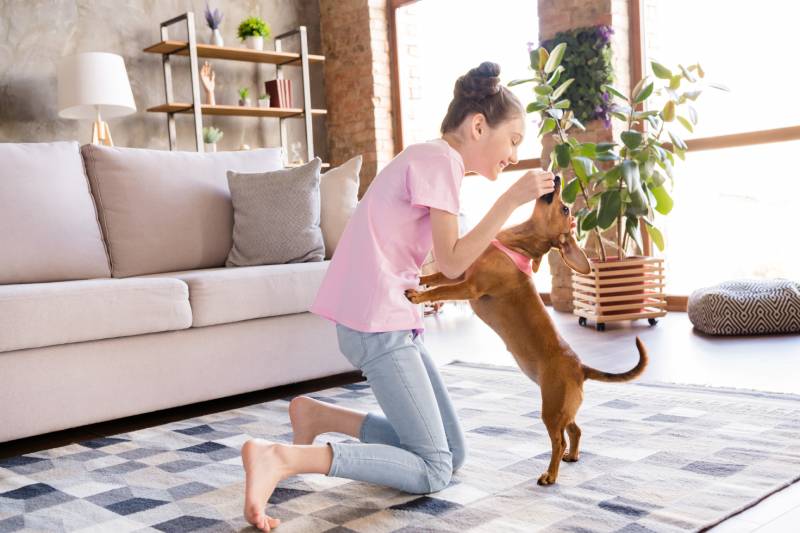
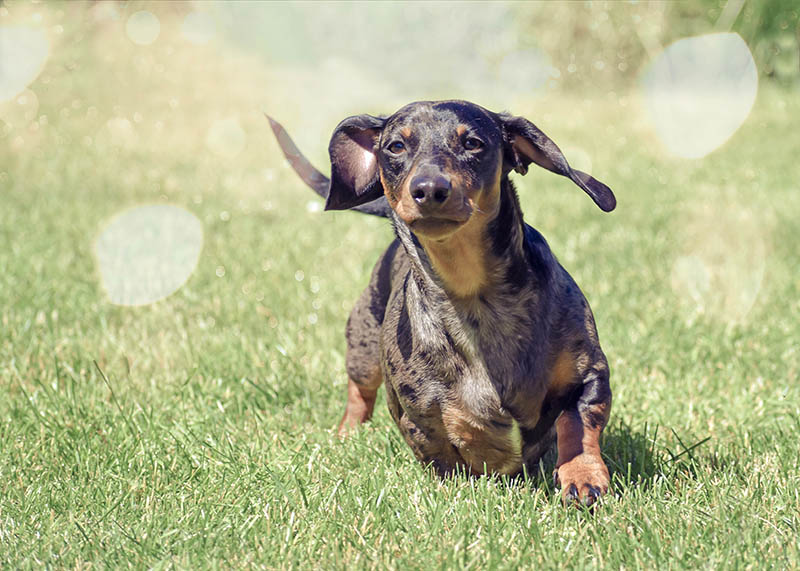
Spunky, brave, and relentless, the Dachshund (aka Doxie) may be small, but they won't believe you when you tell them that. Dachshunds were bred to hunt badgers, and their tenacious spirit lives on today.
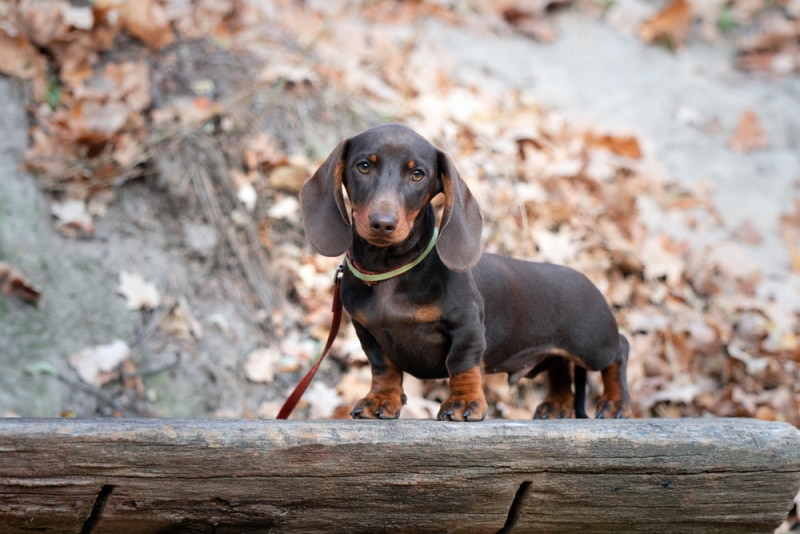
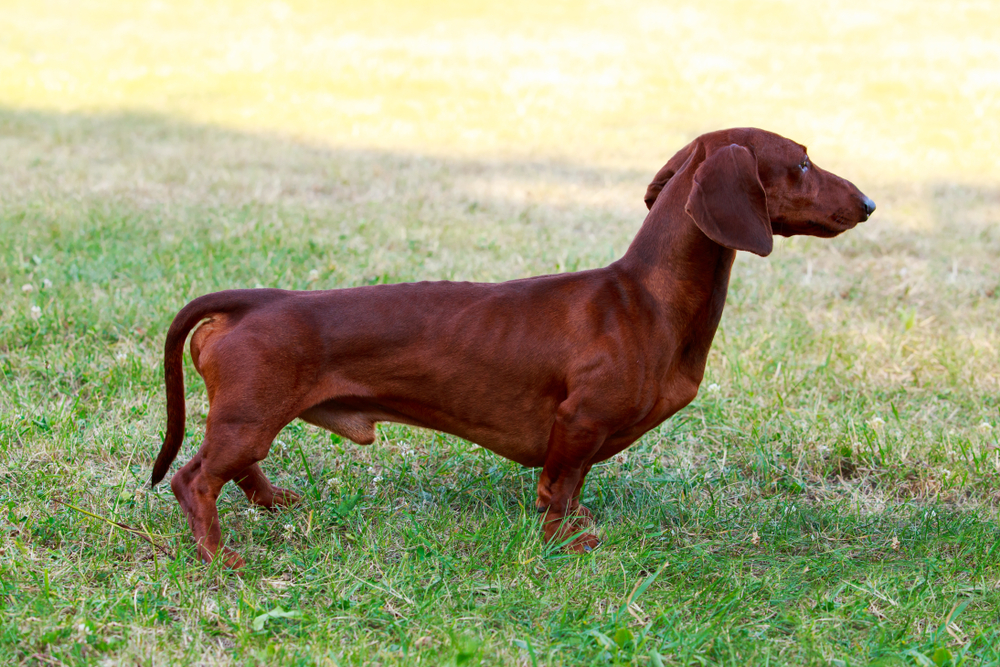
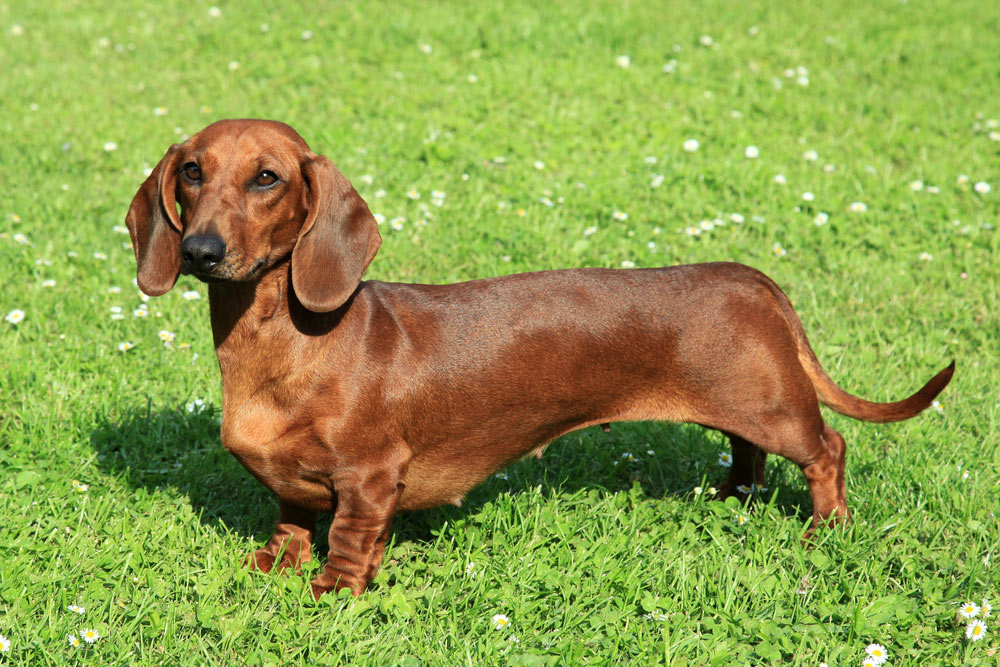
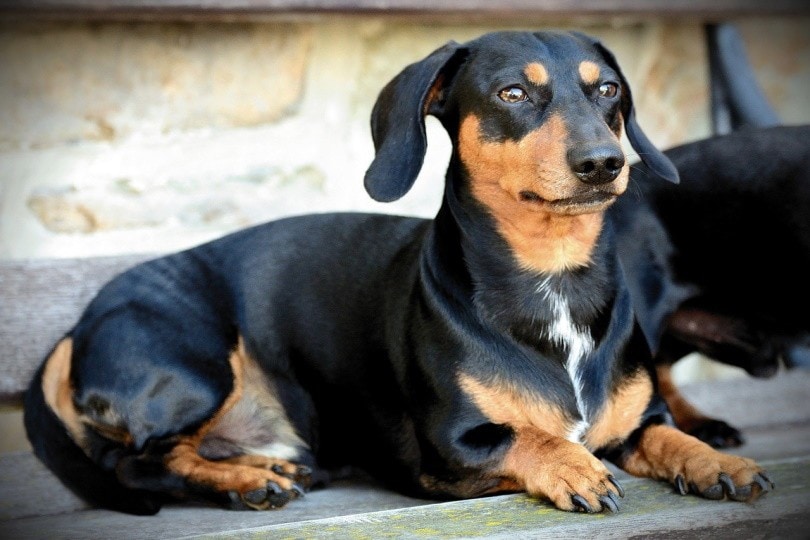
If you're planning to get a Doxie (or currently snuggling with a Dachshund puppy), you may wonder how big they'll grow up to be (Hint: not a lot!). A fully grown Dachshund generally measures 8–9 inches and a mini Dachshund measures 5–6 inches on average.
Understanding the ideal weight and height for your Dachshund will help you keep them healthy and give you a reference point to track their growth. Keep reading to learn everything you need to know about a Dachshund's height and weight at different life stages.

Dachshund Size and Growth Chart
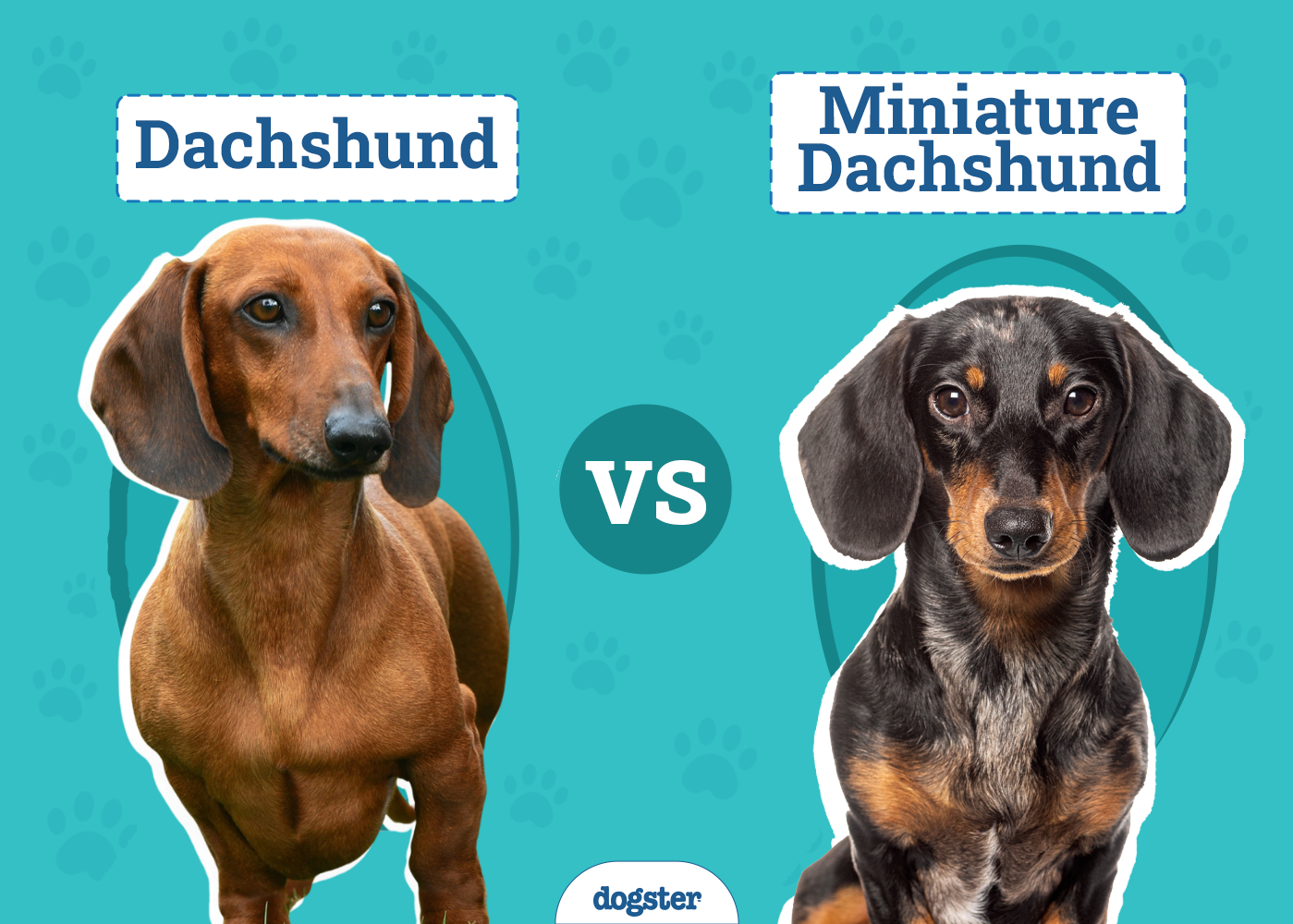
Below is a Dachshund growth chart that shows the average weight and height of Standard and Miniature Dachshunds from 3 months until they're fully grown.
| Standard Dachshund Age | Standard Dachshund Weight Range | Standard Dachshund Height Range |
| 3 months | 7–14 lbs | 4–5 in |
| 6 months | 11–25 lbs | 5–6 in |
| 9 months | 14–30 lbs | 7–8 in |
| Fully grown | 16–32 lbs | 8–9 in |
| Miniature Dachshund Age | Miniature Dachshund Weight Range | Miniature Dachshund Height Range |
| 3 months | 5–6 lbs | 3 in |
| 6 months | 8–9 lbs | 4–5 in |
| 9 months | 10–11 lbs | 5–6 in |
| Fully grown | 11 lbs | 5–6 in |

When Does a Dachshund Stop Growing?
Dachshunds can reach their adult height at around nine months. However, they may continue to fill out and grow until 18 months old. Standard Dachshunds will usually be at their full adult weight by 12 months, while Miniatures may take less time, around 10 months.

Factors Affecting the Size of Dachshunds
There are a few things that can impact how big and heavy your Dachshund grows up to be, including:
- Size of the Parents: If you know the size of the dog's parents, that can give you a pretty good idea of how big your puppy will be when they're fully grown.
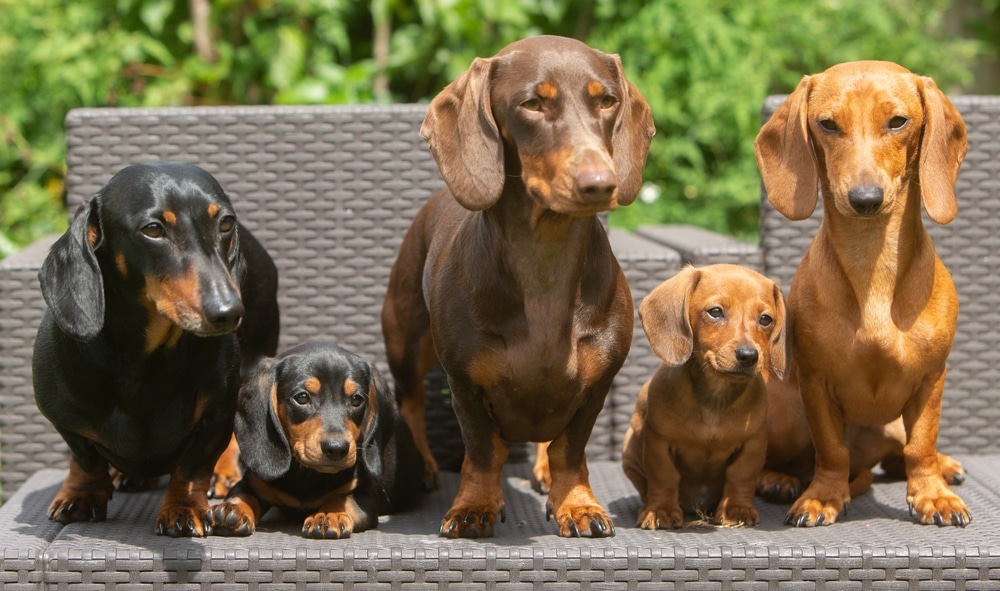
- Breed Type: Standard Dachshunds will usually be bigger than Miniatures. Since some breeders deliberately breed "rabbit" or "toy" Dachshunds, these dogs may be even smaller than the Miniature size.
- Gender: Male Dachshunds are typically larger than females.
- Health and Nutrition: Like all dogs, Dachshunds need a well-balanced diet to stay healthy and reach their full potential. If your dog isn't getting enough food or the right nutrients, it may be smaller than it would otherwise be.
- Runt of the Litter: In any litter, there is usually one puppy who is smaller than all the others. This doesn't necessarily mean that they'll stay small, but they may be a bit smaller than the average for their age and breed.
You may also want to measure their neck, chest, and length from the base of their tail to the top of their shoulder. This can help you keep an eye on their proportions as they grow, and determine if they're too skinny or overweight.
Ideal Diet for Maintaining a Healthy Weight
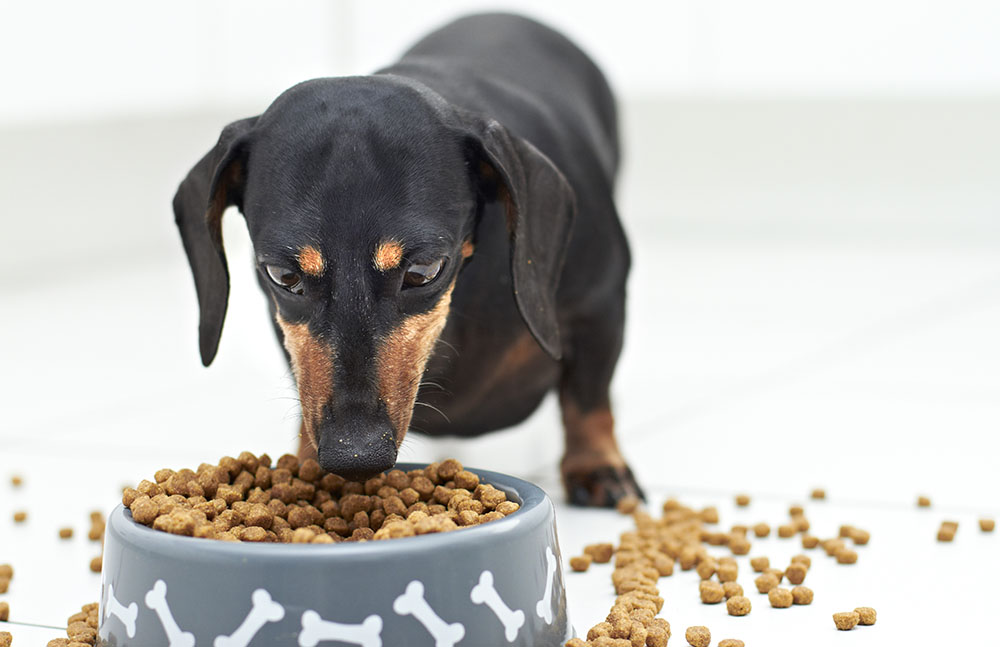
Regardless of a Doxie's size, it's important to feed them a high-quality diet that meets their nutritional needs. It's also critical that you keep them at a healthy weight; not too thin, but never overweight.
Dachshunds are prone to back problems due to their length, and being overweight can put extra strain on their spine and increase the risk of injuries. Their short legs also make it harder for them to walk and run, so they can easily become winded if they're carrying around too much weight. The extra strain can also lead to arthritis and other joint issues.
On the other hand, Dachshunds don't require a special diet or anything different from other dogs. They just need healthy, nutritious food that's appropriate for their age and activity level.
We recommend getting advice and guidance from a veterinarian if you have any questions or concerns regarding your pet's diet and weight.
Use these tips to guide your mealtime routine:
1. Feed Them an Age-Appropriate Amount of Food
In general, puppies need more calories than adult dogs, regardless of the breed. They need those extra nutrients to support their rapid growth and development.
Gradually increase how much you're feeding your puppy until they reach its adult size. Here's a quick guide based on how old your Doxie is1:
- 2 months: 6–12 ounces
- 3–6 months: 7–16 ounces
- 7–8 months: 6–12 ounces
- 9–10 months: 5–11 ounces
- 10–12 months: 4–11 ounces
Spread out those meals throughout the day so they're getting a steady supply of energy. For example, feed puppies four times a day until they're three months old, going down to three mealtimes until they're six months, and eventually evening out to twice-a-day feedings.
Ensure your dog is getting enough calories by using a dog food calculator like the one below.
Dog Calorie Calculator
Recommended Daily Calories

The exact amount of calories an individual animal needs to maintain a healthy weight is variable and influenced by many factors including genetics, age, breed, and activity level. This tool is meant to be used only as a guideline for healthy individuals and does not substitute veterinary advice
2. Choose a Nutritionally-Balanced Dog Food
Get your Dachshund off to a good start by feeding them high-quality puppy food until they're at least a year old.
Choose a food that's rich in animal protein and fat to support their growth, with moderate to low levels of carbs for energy. It should also contain all the essential vitamins and minerals they need to stay healthy.
As they transition into adulthood, you can switch to an adult formula or a food designed for small breeds. To simplify your search, look for the appropriate Association of American Feed Control Officials (AAFCO) seal on the label, which means the food meets their standards for complete and balanced nutrition.
3. Keep Treats to a Minimum
Like all dogs, Dachshunds love treats. But it's important to keep their calorie intake in check, so they don't put on too much weight. Dole out treats sparingly, and as much as possible, use bits of whole foods like vegetables or lean protein instead of processed snacks.
Also, make sure their meals are nutritionally complete so they're not searching for extra nutrients in their treats.

4. Monitor Their Weight Regularly
The best way to tell if your Dachshund is at a healthy weight is to monitor their body condition score. This simple scoring system rates your dog's overall body condition on a scale of 1 to 9, with 1 being too thin and 9 being overweight.
To get an accurate score, feel their ribs and spine - you should be able to feel them without having to press too hard. You shouldn't be able to see their ribs, but you also shouldn't have to dig your fingers in to feel them. If you're not sure where your dog falls on the scale, ask a veterinarian for help. They can check their body condition and make recommendations if your Dachshund needs to gain or lose weight.
Finally, don't forget to give your sausage dog a good dose of daily exercise! Your Doxie may not be able to run long distances, but they still need regular physical activity for weight maintenance plus general well-being.

Top 5 Facts About Dachshunds
1. They were bred as badger dogs
Dachshunds were originally bred to hunt badgers. Badgers are known to go into their dens and roll around in the dirt to make themselves harder to catch, which is why Dachshunds’ bodies are thin, long, and low to the ground. Their short legs also make it easier to maneuver in and out of dens.

2. Doxies come in Standard and Miniature
The American Kennel Club's breed standards only recognize two sizes of Dachshunds: Standard and Miniature. However, you may also encounter "rabbit" or "toy" Dachshunds, which are even smaller than Minis.
3. Dachshunds can have a smooth, long, or wire coat
Most people are familiar with the smooth Dachshund, but did you know there are also long-haired and wire-haired Doxies? All three coat types can come in a variety of colors and patterns. You can find black-and-tan doxies, brown Dachshunds, and even cream Dachshunds.

4. Dachshunds are known for being stubborn
Doxies have a reputation for being willful and stubborn, but this trait is actually due to their hunting background. In order to be successful hunters, they needed to be able to think independently and make quick decisions—traits that don't always make them the easiest dogs to train.
5. They make for fantastic watchdogs
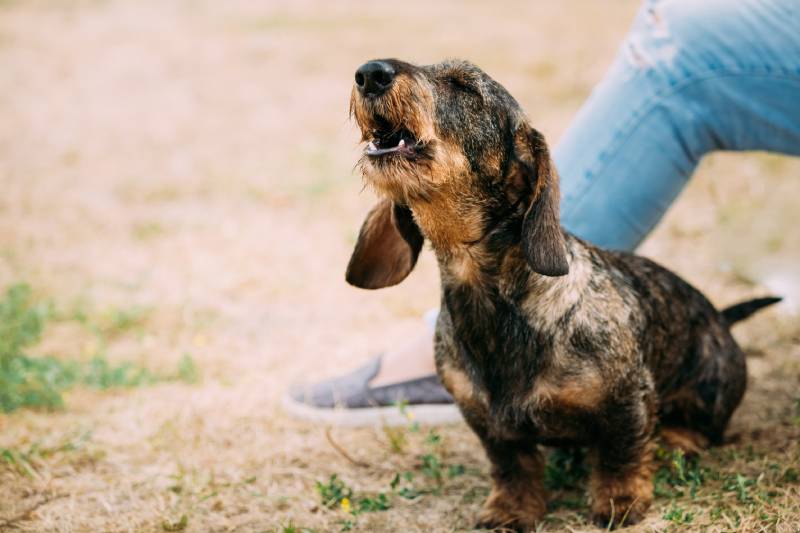
Dachshunds may be small, but they're also brave and have a big bark. If you've ever been around a Doxie, you probably know how alert and protective they can be. Nothing gets past these little guys!

How to Measure Your Dachshund

Want to check your Doxie's height and weight yourself? Here's how:
- To measure their height, have your dog stand on a level surface next to a wall. Place a book or ruler vertically next to their shoulder, and mark the wall at the top of their head. Measure from the ground to that mark to get their height.
- To measure their weight, use a kitchen or bathroom scale. Place the scale on a level surface, then step on it yourself to calibrate it. Pick your dog up (being careful not to hurt their back), and hold them close to your body. Step back on the scale, and note the reading. Subtract your weight from that number to get theirs.

Conclusion
To keep your Dachshund happy and healthy for a long time, feed them high-quality food, give them occasional treats, and make sure they get plenty of exercise.
In turn, they'll keep you laughing with their silly antics, and they're always up for a cuddle, a romp in the park, or a game of fetch. Life with a sausage dog, the small but mighty Dachshund, will never be boring!
See Also:
Featured Image Credit: congerdesign, Pixabay
Expert dog care, straight to your inbox
Vet-reviewed advice, training tips, and the best of Dogster. Free, and you can unsubscribe anytime.
By signing up, you agree to our Terms & Conditions and Privacy & Cookies Policy.
Nicole has loved animals of all sizes her whole life so it's no wonder she has dedicated her career to helping them through what she loves best: learning, writing, and sharing knowledge with others. She’s the proud mom of two dogs, a cat, and a human. With a degree in Education and 15+ years of writing experience, Nicole wants to help pet parents and pets around the planet to live happy, safe, and healthy lives.
Join the conversation
Ask a question, share your story, or send private feedback.