How to Prevent Dog Collar Accidents: 4 Vet-Reviewed Tips


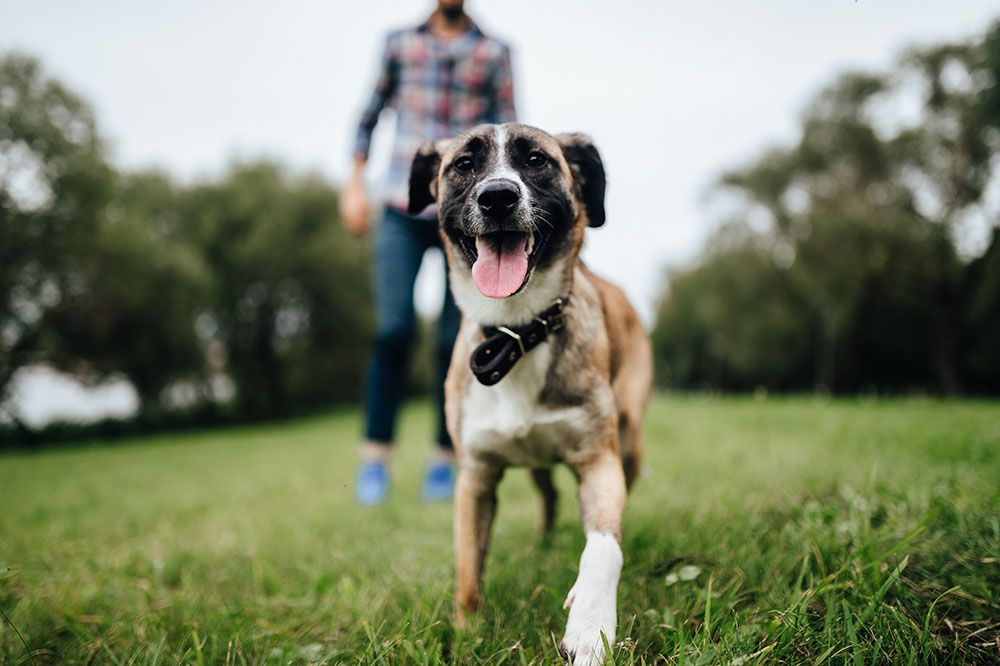
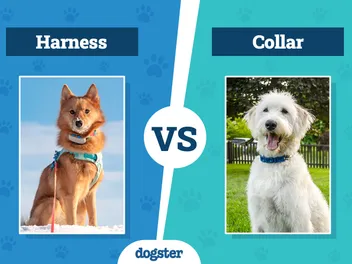
Dog collars are an essential accessory for canines because they allow the owner to place an ID tag on their dog. They also allow an owner to walk their dog if they do not use a harness (we recommend using a harness instead of a collar for this purpose because it’s safer and gives you better control1). Nonetheless, both have pros and cons and if you use a dog collar, it’s important to prevent dog collar accidents.
Did you know that it’s estimated by one site that 26,000 dogs die from collar strangulation each year 2? It’s unfortunate because dog owners place collars on their dogs and feel they are doing the right thing, but certain factors play a role in the potential harm to your dog from wearing a collar, all of which can be prevented.
In this guide, we’ll list four tips for how to prevent dog collar accidents to keep your pooch safe and happy.

Before You Start
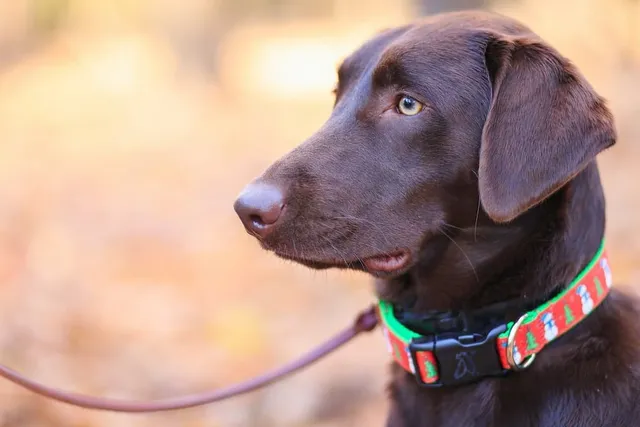
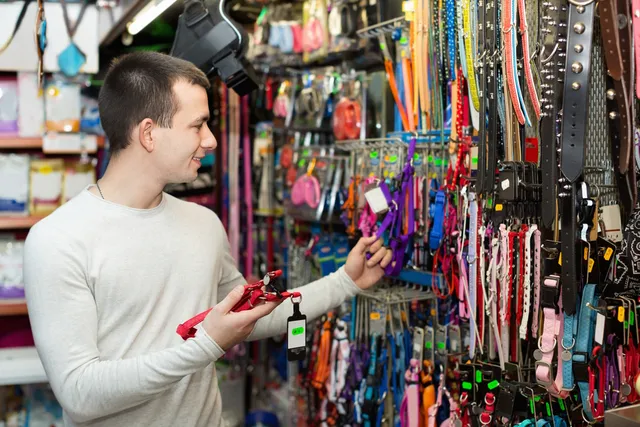
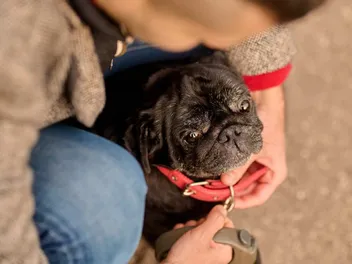
Before discussing how to prevent dog collar accidents, it's vital to know how to pick the right collar for your pet. Choosing the correct size is vital to keep your dog from slipping out of the collar. A general rule is you should be able to slip one finger between the collar and your dog's skin for small dogs and two fingers for larger dogs. You don't want the collar to fit too snugly or too loose. A collar that doesn't fit properly is uncomfortable and can cause skin irritation and neck damage.
The 4 Important Tips for Preventing Dog Collar Accidents
Now that we know how to choose an appropriately fitting collar, let’s move on to how to prevent dog collar accidents with a few simple tips.
1. Buy a “Quick-Release” Collar

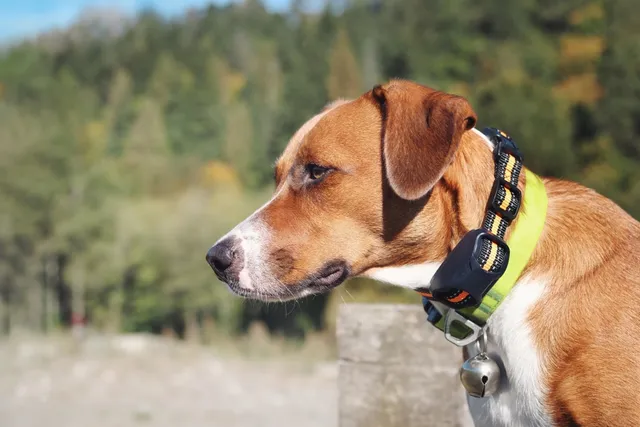
A quick-release color, also called a breakaway collar, is the most recommended feature on a dog collar. These collars are designed to snap free if the collar gets caught on an object, which will prevent strangulation. A dog collar can get caught on another dog’s lower jaw during play, which can easily cause both dogs to panic. The end result can be disastrous for the dogs because they cannot break free. A collar can also get caught on a chain-link fence, tree limbs, the wires of a kennel, and other similar items.
2. Limit the Collar’s Use
Debate surrounds this idea because many believe a dog should always have their collar on. However, if your dog is mostly indoors and you have a secured, fenced yard where your dog absolutely cannot escape, you can take the collar off and allow your dog to roam your yard freely without it. Even then, though, we advise that you keep an eye on them while they’re outside. You definitely should remove the collar if you crate your dog while you’re absent from the home, especially due to the ID tag (more on that next).
3. Avoid Dangling ID Tags
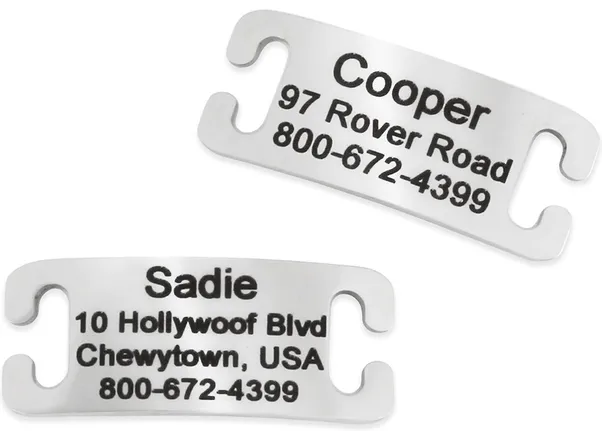
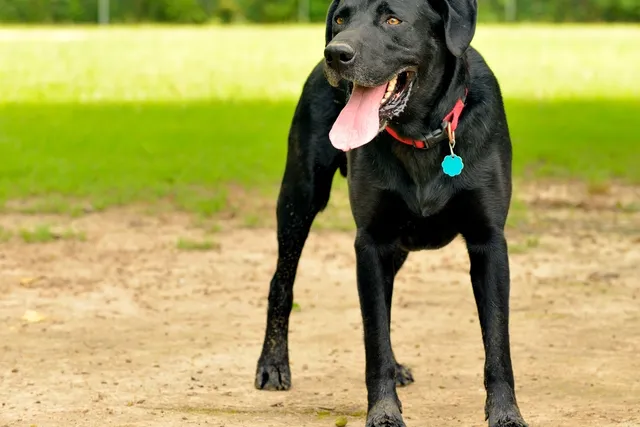
Rather than using an ID tag made of metal that dangles from the collar, it’s safer to use a slide-on dog tag. These ID tag designs do not dangle like traditional tags and will not get caught on objects. However, only certain collars work with these tags, so be sure any collar you’re considering accommodates these types of tags. For utmost safety, you can have your dog's name and other vital information embroidered on the collar itself instead of using an ID tag altogether. You should also have your dog microchipped by your vet.
4. Avoid Chain Collars
Some dog owners may opt for a chain or “choke” collar to better control their dog while on a leash. These collars are inhumane and only cause your dog discomfort—not to mention that they are a choking hazard and can easily get caught on objects. Chain collars also cause a slew of problems for your dog, such as causing trachea and esophagus injuries, neck sprains, and nerve damage, to name a few.
Conclusion
Dog collars serve an excellent purpose but can also cause more harm than good. We advise never to use a buckle collar because they are harder to remove in case of an emergency, especially if the collar gets caught on an object. It’s wise to have your dog microchipped for an extra safety measure should your dog get lost, especially if you choose not to use a dog collar for safety. Remember to avoid dangling ID tags, remove the collar if your dog is in a crate, buy a quick-release collar, and avoid chain collars. With a little effort, you can keep your dog safe and prevent dog collar accidents altogether. See also:
Sources
Featured Image Credit: Benevolente82, Shutterstock
Expert dog care, straight to your inbox
News, insights, expert advice, and everything dog.

No spam — unsubscribe anytime.
By signing up, you agree to our Terms & Conditions and Privacy & Cookies Policy.
How useful was this post?
Click a star to rate. You can leave written feedback afterwards. (We read all feedback.)
Rachael has been a freelance writer since 2000. In this time she has had an opportunity to research and write about many different topics while working to master the art of fusing high-quality content with effective content marketing strategies. She is an artist at heart and loves to read, paint, and make jewelry. As a vegan, Rachael is obsessed with helping animals in need, both in her community and anywhere in the world where she feels she can make a difference. Animals also happen to be her favorite topic to write about! She lives off the grid in Hawaii with her husband, her garden, and her rescue animals including 5 dogs, a cat, a goat, and flock of chickens.