Get

In Your Inbox

Dogster is reader-supported. When you buy via links on our site, we may earn an affiliate commission at no cost to you. Learn more.

How to Prevent Dog Collar Accidents: 4 Vet-Reviewed Tips

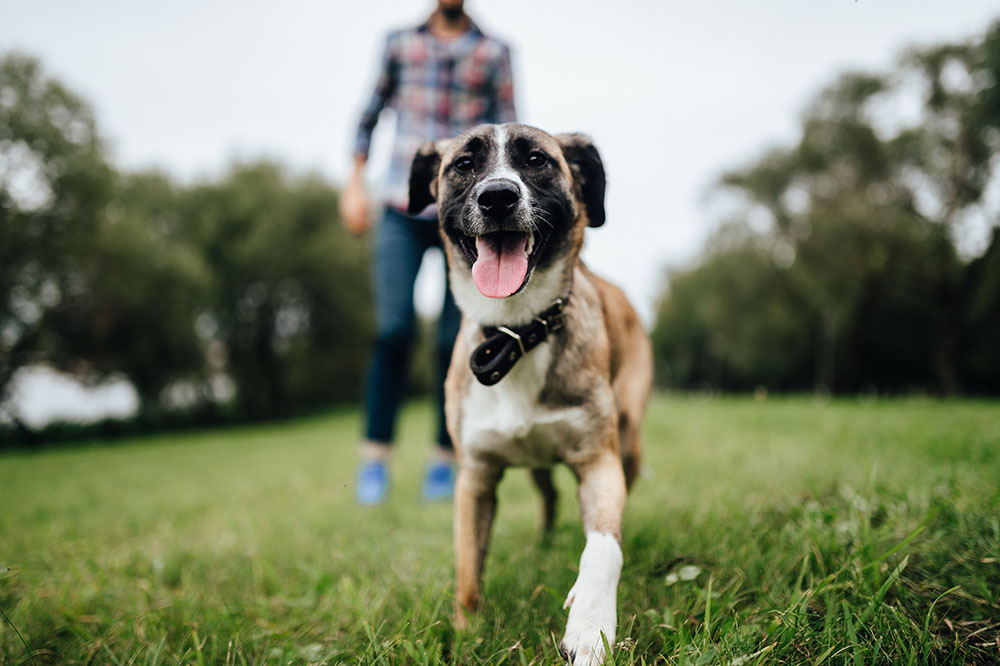
dog wearing collar at the park

Dog collars are an essential accessory for canines because they allow the owner to place an ID tag on their dog. They also allow an owner to walk their dog if they do not use a harness (we recommend using a harness instead of a collar for this purpose because it’s safer and gives you better control1). Nonetheless, both have pros and cons and if you use a dog collar, it’s important to prevent dog collar accidents.

Did you know that it’s estimated by one site that 26,000 dogs die from collar strangulation each year 2? It’s unfortunate because dog owners place collars on their dogs and feel they are doing the right thing, but certain factors play a role in the potential harm to your dog from wearing a collar, all of which can be prevented.

In this guide, we’ll list four tips for how to prevent dog collar accidents to keep your pooch safe and happy.

divider dog paws 2 oct 2024

Before You Start

Before discussing how to prevent dog collar accidents, it’s vital to know how to pick the right collar for your pet. Choosing the correct size is vital to keep your dog from slipping out of the collar. A general rule is you should be able to slip one finger between the collar and your dog’s skin for small dogs and two fingers for larger dogs. You don’t want the collar to fit too snugly or too loose. A collar that doesn’t fit properly is uncomfortable and can cause skin irritation and neck damage.

The 4 Important Tips for Preventing Dog Collar Accidents

Now that we know how to choose an appropriately fitting collar, let’s move on to how to prevent dog collar accidents with a few simple tips.

1. Buy a “Quick-Release” Collar
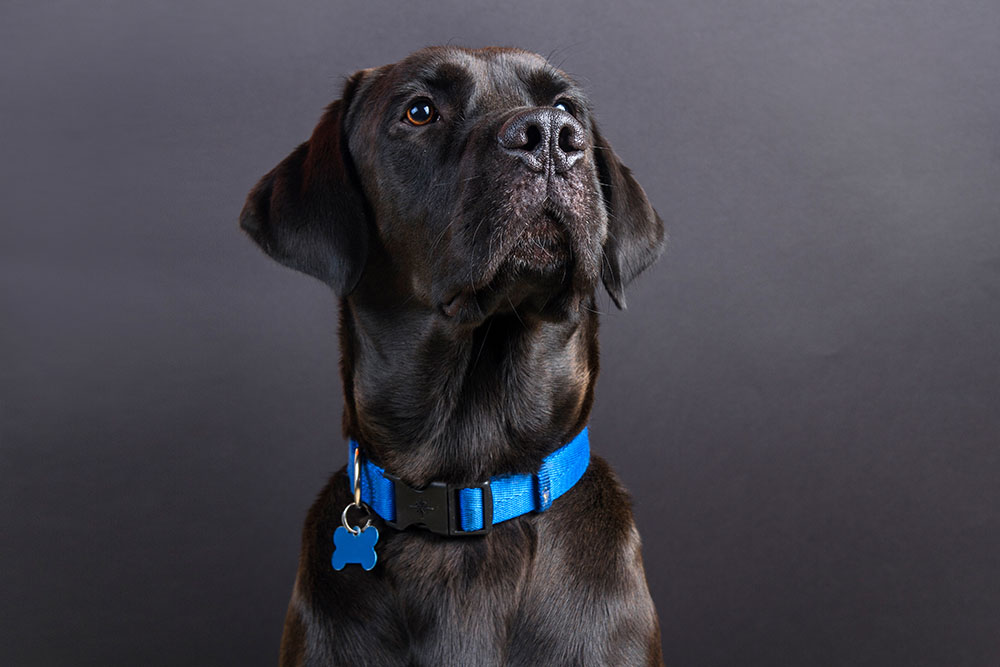
close up dog wearing blue collar
Photo Credit: Recless-media, Shutterstock

A quick-release color, also called a breakaway collar, is the most recommended feature on a dog collar. These collars are designed to snap free if the collar gets caught on an object, which will prevent strangulation. A dog collar can get caught on another dog’s lower jaw during play, which can easily cause both dogs to panic. The end result can be disastrous for the dogs because they cannot break free. A collar can also get caught on a chain-link fence, tree limbs, the wires of a kennel, and other similar items.


2. Limit the Collar’s Use

Debate surrounds this idea because many believe a dog should always have their collar on. However, if your dog is mostly indoors and you have a secured, fenced yard where your dog absolutely cannot escape, you can take the collar off and allow your dog to roam your yard freely without it. Even then, though, we advise that you keep an eye on them while they’re outside.

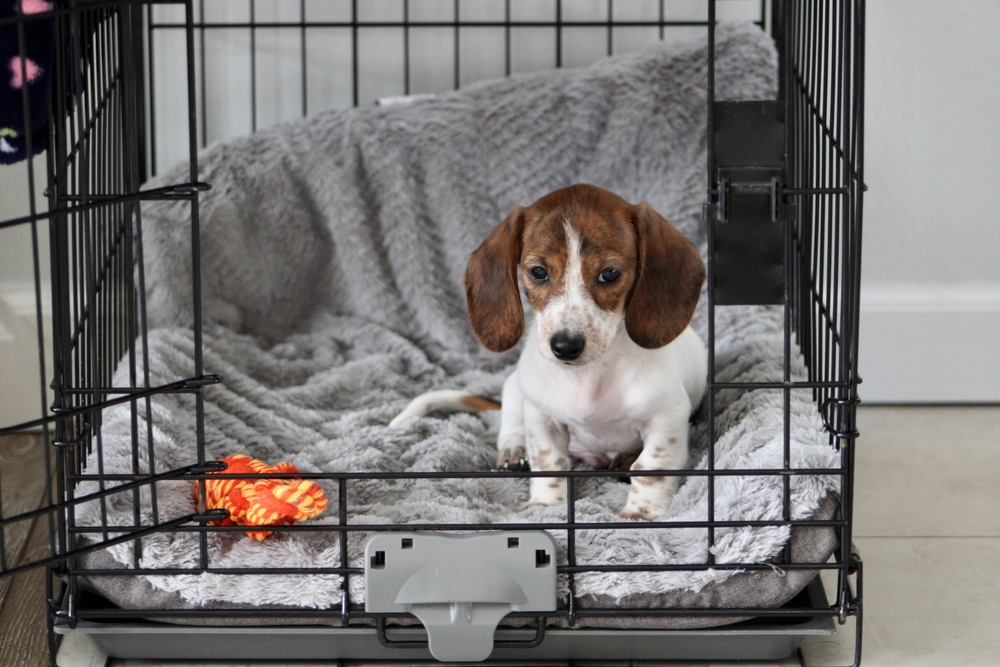
You definitely should remove the collar if you crate your dog while you’re absent from the home, especially due to the ID tag (more on that next).


3. Avoid Dangling ID Tags
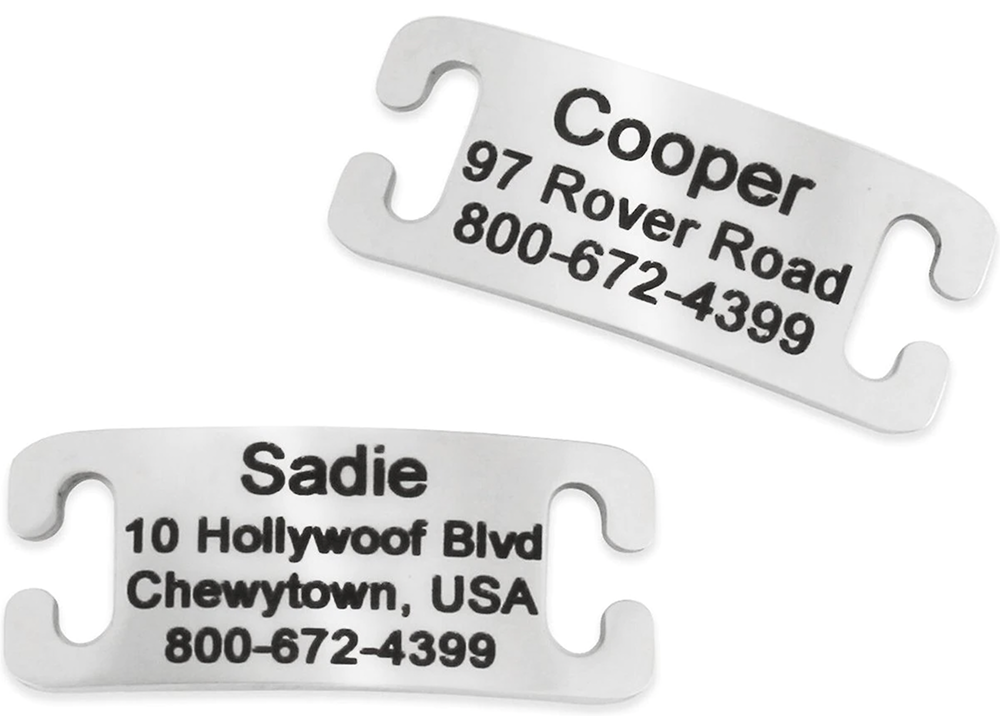
Frisco Stainless Steel Slide-On Personalized Dog Tag

Rather than using an ID tag made of metal that dangles from the collar, it’s safer to use a slide-on dog tag. These ID tag designs do not dangle like traditional tags and will not get caught on objects. However, only certain collars work with these tags, so be sure any collar you’re considering accommodates these types of tags. For utmost safety, you can have your dog’s name and other vital information embroidered on the collar itself instead of using an ID tag altogether. You should also have your dog microchipped by your vet.


4. Avoid Chain Collars

Some dog owners may opt for a chain or “choke” collar to better control their dog while on a leash. These collars are inhumane and only cause your dog discomfort—not to mention that they are a choking hazard and can easily get caught on objects. Chain collars also cause a slew of problems for your dog, such as causing trachea and esophagus injuries, neck sprains, and nerve damage, to name a few.

divider dog paws 2 oct 2024

Conclusion

Dog collars serve an excellent purpose but can also cause more harm than good. We advise never to use a buckle collar because they are harder to remove in case of an emergency, especially if the collar gets caught on an object. It’s wise to have your dog microchipped for an extra safety measure should your dog get lost, especially if you choose not to use a dog collar for safety.

Remember to avoid dangling ID tags, remove the collar if your dog is in a crate, buy a quick-release collar, and avoid chain collars. With a little effort, you can keep your dog safe and prevent dog collar accidents altogether.

See also: 


Featured Image Credit: Benevolente82, Shutterstock

Want content like this delivered to you?

Sign Up For Our Newsletter

News, insights, expert advice, and everything dog

* By submitting, you agree to our Terms & Conditions and Privacy & Cookies Policy.

How useful was this post?

Click on a star to rate (you can leave written feedback after clicking submit)

Help us improve Dogster for pet parents!

Your feedback really matters.

What did you like about this post? Also how can we improve it?

Join the conversation

Leave a Reply

You’re very welcome to leave a comment or question. Please know that all comments must meet our community guidelines, and your email address will NOT be published. Let’s have a positive and constructive conversation.

Talk With A Vet Online

Peace of mind,
anywhere, anytime

Affordable vet advice

Dog Penis Behavior: Everything You Wanted to Know (Vet Answer)

When you work as a vet, there are all sorts of phrases and words that pet owners will use to describe their dogs’...

12 Remarkable Australia Service Dog & Pet Therapy Statistics to Know in 2025

Note: This article’s statistics come from third-party sources and do not represent the opinions of this website. Dogs are our most loyal and...

Labrakita (Akita Lab Mix): Info, Pictures, Care Guide & More

In the canine kingdom, mixed breeds are a rather common thing. We have Siberian Retrievers, Chung dogs, and Puggles, to name a few....

How Big Does a Belgian Malinois Get (With Growth & Weight Chart)

Bred around Malines, Belgium, the Belgian Malinois get their name from their home city. However, the Belgian Malinois is an individual dog breed...

More related

10 Best Paddle Boards for Dogs in 2025 – Reviews & Top Picks

Water dogs can’t get enough of the water, so why not take them on an adventure by letting them join you while you...

Muggin (Miniature Pinscher & Pug Mix): Info, Pictures & Care

The adorable and affectionate Muggin is a hybrid dog. A cross between a Miniature Pinscher and a Pug, this mix is loving, playful,...

Rottweiler Dog Breed: Info, Pictures, Care & Traits

Rottweilers are one of the most recognizable breeds out there, with a signature black-and-tan coat, a solid build, and a surprisingly relaxed manner....

Can Dachshunds Swim? Vet-Verified Facts & Info

Although many Dachshunds naturally dislike getting in the water and can struggle to swim, some love nothing more than having a doggy paddle...

Keep reading

9 Best High Fiber Dog Foods for Anal Gland Problems in 2025 – Reviews & Top Picks

Dealing with anal gland problems in your dog can be smelly, gross, and frustrating. Anal gland issues are uncomfortable for your dog, and some even develop abscesses and other serious infections related to anal gland problems. If you see your...

Ginger dog eating

How Do I Get Dog Food Recall Alerts? Free & Easy Ways

Finding out that your dog’s food has been recalled is any dog owner’s nightmare. Even worse, the food could be recalled without you hearing about it, meaning you will unknowingly continue to feed your dog food that is possibly contaminated....

woman buying dog food

Can Dogs Eat Raw Eggs? Vet-Verified Benefits, Risks & Safety

Ask your dog how he likes his eggs, and he’ll probably answer, “Yes, please!” Most dogs enjoy eating eggs, whether it’s over-easy, sunny-side up, scrambled, or any other way you can think of preparing them. But how about raw eggs?...

Can Dogs Eat_raw eggs

Can Dogs Eat Pistachios? Vet-Approved Facts & FAQ

Pistachios are a favorite food among humans that are rich in protein, fiber, and vitamin B6. They are popular in salads, desserts, and just on their own as a snack. Wondering whether dogs can eat pistachio nuts may be a...

Can Dogs Eat Pistachios

Can Dogs Eat Fruit Snacks? Vet-Verified Nutrition Info & Risks

If you have kids in the house, there’s a good chance you also have fruit snacks lying around. Fruit snacks are a fan favorite with the little ones (and adults as well!), so it’s wise to keep them handy. But...

Can Dogs Eat_fruit snacks

10 Best Dog Foods for Cocker Spaniels in 2025: Reviews & Top Picks 

Dog food can be a little tricky to pick these days since there are so many vast recipes and brand options on the market. If you have a Cocker Spaniel, you are probably looking for the best choice for your...

Cocker Spaniel puppy eating

4health vs Purina Pro Plan Dog Food: 2025 Comparison, Pros & Cons

If you own a dog, you already know the struggle of picking a good dog food. However, as you continue to look around at different options, you may begin to question your choice. Are the more expensive brands better? Is...

Dogster_Dog Food 4health vs Purina Pro Plan

Can Dogs Eat Prosciutto? Vet-Approved Facts

Prosciutto is the Italian word for uncooked and dry-cured ham, which is a processed human food that is made from pork. This deli meat is often eaten on crackers or bread, and it was originally intended for human consumption. Some...

Can Dogs Eat_prosciutto