What Are the Canine Good Citizen (CGC) Requirements? Test Tips & FAQ

In this article
The Canine Good Citizen program is a certification program offered by the American Kennel Club. It tests a dog’s basic good manners and obedience skills, requiring participants to pass several different criteria. Typically, these requirements include several basic commands and real-life experiences, such as passing by strangers and meeting friendly dogs.
These requirements are standard throughout the United States. We will take a look at them below and then help you figure out how to ace them.

Canine Good Citizen Requirements
To pass the Canine Good Citizen test, your dog must demonstrate proficiency in 10 different “skills,” including:
- Accepting a friendly stranger: The dog must allow a stranger to approach and greet the handler without showing signs of fear or aggression.
- Sitting politely for petting: The dog must also sit calmly and allow the stranger to pet them gently. Jumping, being fearful, or acting overly excited disqualifies dogs from passing this portion.
- Appearance and grooming: The dog must allow the handler to groom and examine them without resisting. This includes the dogs’ feet, which tend to be sensitive areas.
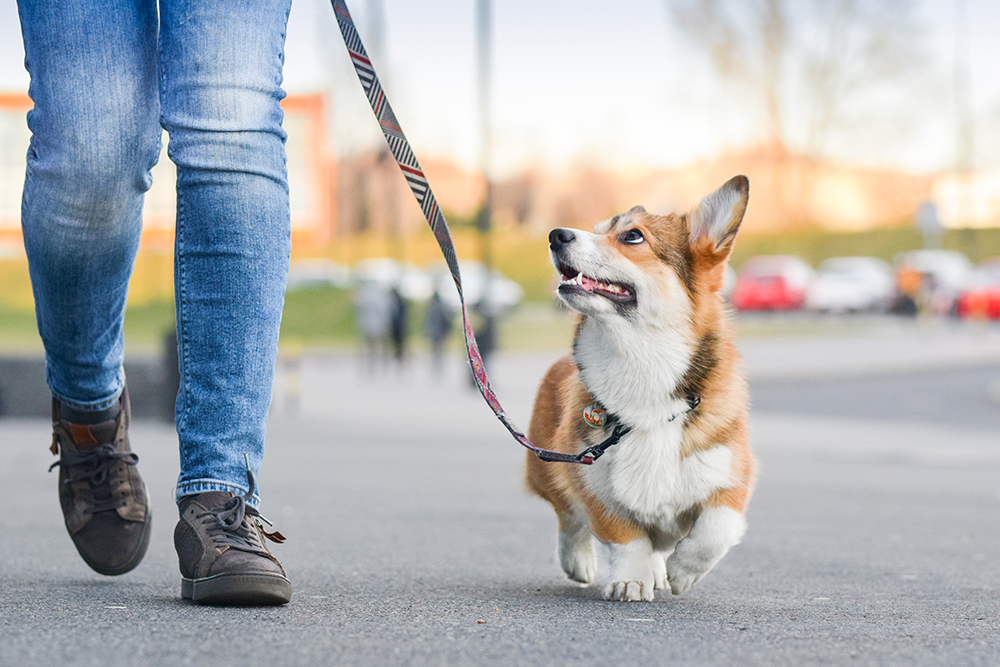
- Loose leash walking: The dog should walk beside the handler without pulling on the leash. This basic skill is called “loose leash walking.”
- Walking through a crowd: The dog must also walk calmly through a crowded area without becoming fearful, overly excited, or barking.
- Sitting, down, and staying on cue: The dog must be able to sit, lay down, and stay in place on command, even if there are distractions. The position the dog stays in doesn’t matter, but the dog must do all three commands.
- Coming when called: After staying for some time, the dog must then come to the handler when called. The dog should demonstrate this ability no matter what they are doing.
- Reaction to another dog: Your dog should be able to greet another dog politely and calmly without showing aggression or fear.
- Reaction to distractions: The tester will then attempt to distract your dog, often by dropping a chair or opening an umbrella. The dog should remain calm during these distractions. While the dog can react, they should not be fearful or aggressive.
- Supervised separation: The dog should be able to sit and stay calmly in place for a short time without getting anxious or destructive. This separation is supervised by the handler.
Your dog must be at least a year old to take this test officially. However, any breed is eligible to participate. You can find information about testing opportunities near you on the AKC website.

How to Pass the Test
Now that you know what the test is, let’s take a look at how to pass it. Of course, passing many of the skills requires training. We recommend you begin training your dog early. Puppies are often more open to training, so the earlier you start, the higher your dog’s chances of success. In many cases, you’ll be best off by looking for a trainer who uses positive reinforcement training methods. This training method is the only one backed by science, making it the best choice for most dogs.
However, just going to classes won’t help you pass. You’ll also need to practice regularly at home and in a range of different environments. The test occurs in a public place, so it’s recommended that you practice in public regularly. This process helps your dog become confident in a range of situations.
If possible, you should also visit the testing location beforehand. This step helps your dog get used to the area so it isn’t completely new on test day. Make sure you understand the criteria for each skill and practice them just as the instructor will ask you to. Often, trainers know the criteria and can show you how to practice.
When training your dog, it’s important to be patient and provide yourself plenty of time between training and testing. Often, it takes dogs longer to master skills than we may think. Don’t get discouraged if your dog doesn’t learn something new right away. Substantial practice is often necessary.
Of course, you should also be consistent in your cues and commands. Exact the same thing each time from your dog and use similar treats as rewards. Make sure every one your dog interacts with does the same. Otherwise, your dog may begin trying to take shortcuts to get to the reward faster.
At What Age Should a Dog Take the Canine Good Citizen Test?
There are no age restrictions for a dog to participate in the Canine Good Citizen program. The American Kennel Club emphasizes that older dogs can benefit from the test. To take the official test, your dog must be at least a year old to be certified. This is because puppies are often very open to strangers and may not become fearful until later. Plus, younger puppies often do not learn the basic obedience commands outlined above.
That said, puppies can participate in the S.T.A.R. Puppy Program. This program focuses on socializing puppies and teaching them basic commands.
Of course, you should also consider your dog’s understanding of the skills required. Don’t schedule testing before your dog is ready, even if they have reached a year old. You can enlist the help of a trainer to figure out if your dog is ready for the official test.
Before your dog is a year old, you can begin working on the skills required in preparation for the test at a later stage. The testing requirements are good goals to aim for during training, even if your dog is too young to officially participate.

Should You Take the AKC Canine Good Citizen Test?
There are many reasons why you may want to take the Canine Good Citizen test. Firstly, it provides goals for you to aim towards during training. If you have a goal, you’re much more likely to stay on top of training. The test requires your dog to learn fundamental skills like leash walking, basic commands, and responding to distractions. These are good for all dogs to learn.
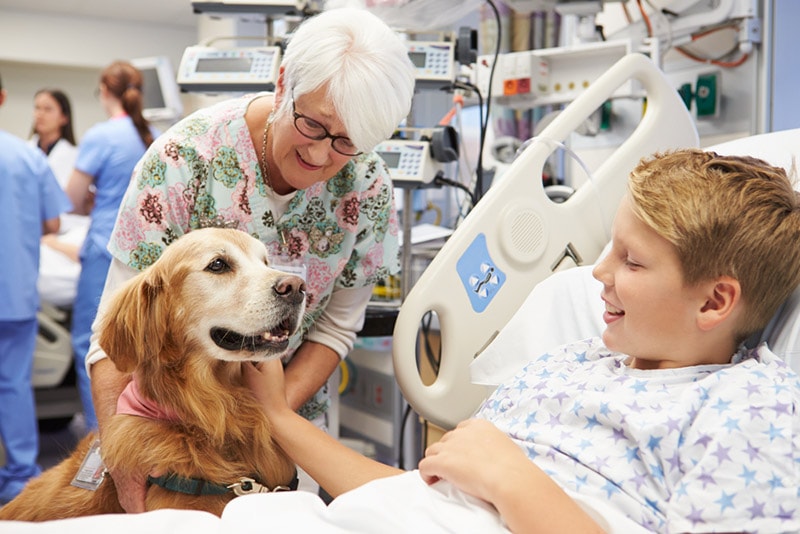
Many other training and activities require the Canine Good Citizen test to be passed, including therapy dog work and dog sports. Sometimes, you have to pass the test to qualify for pet-friendly housing options. Many people take the CGC test because it demonstrates that their dog is well-behaved.
Final Thoughts
The Canine Good Citizen test is challenging. Many skills on it can take dogs a while to master. However, that does not mean that you should not aim to complete it. Every dog should at least practice the skills on the test and master them if they are able.
The test is a mix of training cues (like sitting and staying) and socialization (like approaching another dog politely). These skills require a range of training approaches from an early age. It’s best to start when your dog is a puppy to prepare to take the test when they turn one. However, even older dogs can benefit from passing the test.
Featured Image Credit: thka, Shutterstock
Expert dog care, straight to your inbox
Vet-reviewed advice, training tips, and the best of Dogster. Free, and you can unsubscribe anytime.
By signing up, you agree to our Terms & Conditions and Privacy & Cookies Policy.
Kristin loves to help pet parents create a fulfilling life for their pets by informing them on the latest scientific discoveries and helping them choose the best products for their pets. She currently resides in Tennessee with three cats, four dogs, two fish, and a lizard, though she has dreams of owning chickens one day!
Join the conversation
Ask a question, share your story, or send private feedback.