Can Dogs Eat Chestnuts? Vet-Verified Nutrition Facts & Info



In this article
Your pup will beg for anything you’re eating, no matter what it is, because they think food is inherently yummy. And while some foods we eat are safe to give to our dogs in extreme moderation, other people foods simply aren’t safe for them to consume. Nuts seem like a good treat for our canine companions, as they’re bite-sized and nutritious, but nuts aren’t always the safest to give to a dog, especially specific ones.
If you’re a fan of chestnuts, you may have wondered whether dogs can eat this nut. The answer is yes, but that yes comes with a few caveats. However, if you want to feed your pet a chestnut as a treat, so long as you give them the correct one and it’s cooked, it’s fine.
Here’s what to know about canines and chestnuts!

Why Can Dogs Eat Chestnuts?
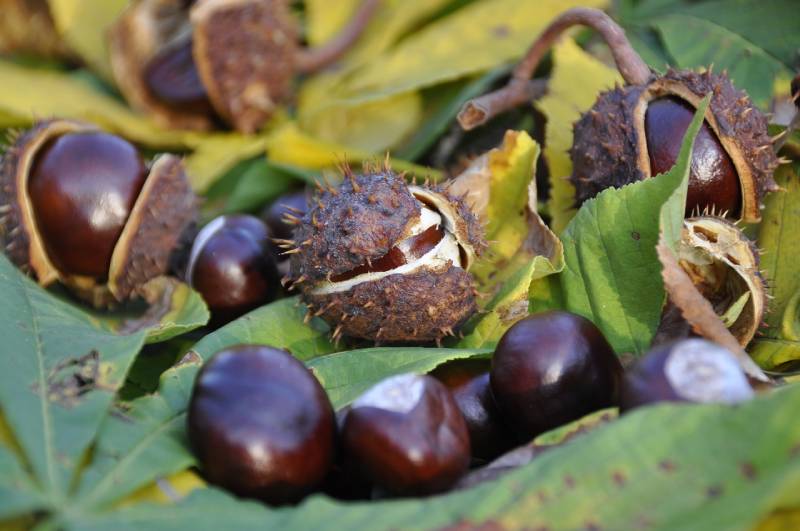
Dogs can eat certain types of chestnuts because these chestnuts aren’t toxic to canines. However, this doesn’t apply to all chestnuts! While American chestnuts are non-toxic to dogs, horse chestnuts (also known as conkers) contain a compound called aesculin, which is incredibly toxic to pups. Horse chestnuts aren’t, in actuality, true chestnuts, but they certainly look like one and can be mistaken. These come from the horse chestnut tree, so if you have those in your area and walk your dog near them, don’t let your pup forage for any of these!

Benefits of Feeding Chestnuts to Dogs
While your pup won’t be eating enough chestnuts to truly reap the health benefits they offer, they can provide your pet with minute amounts of nutrition.
The first nutritional benefit chestnuts have is antioxidants, as these nuts contain high amounts. Antioxidants are useful in fighting free radicals and preventing cell damage.
Chestnuts also contain a lot of fiber, which is vital to helping the digestive system run smoothly. Fiber can help prevent constipation and other issues, and it may also help regulate blood sugar levels. Chestnuts can also make excellent treats for overweight pups, as they are low in fat!
Finally, chestnuts contain a wealth of minerals and vitamins, including potassium, copper, iron, magnesium, manganese, phosphorus, and zinc. This nut contains a high amount of potassium, in particular, which helps keep nerve and muscle function normal.

Risks of Feeding Chestnuts to Dogs
A couple of potential risks come with giving your dog chestnuts to eat, though. These risks are rare and will mostly only occur if your pet eats a few chestnuts.
One risk of chestnuts is that they are large enough to prove a choking hazard for some canines, especially smaller breeds. So, be very careful when giving this nut to your furry friend.
If a dog eats too many chestnuts, they could potentially consume enough fiber to lead to an upset stomach and abdominal pain. Of course, they would usually have to eat quite a few chestnuts to accomplish this.
How to Feed Chestnuts to a Dog
If you want to give chestnuts to your pup as an occasional treat, first check with your vet to ensure this is safe for your dog. All canines are individuals and have different needs, and chestnuts may not be a suitable snack for all.
Next, ensure you’re feeding them the safe kind of chestnut! Remember, American chestnuts are fine for a dog, but horse chestnuts are not.
Once you know you have the correct chestnut for your pet, shell the chestnuts, then roast or boil them. Raw chestnuts can be more difficult for a dog to digest, so roasting or boiling them is key. However, ensure you don’t use salt or other seasonings during the roasting process, as these can be harmful to canines.
Finally, only feed your pup a very small amount of chestnut and watch for adverse reactions after they try this food.

Conclusion
Chestnuts can be a tasty snack for canines, but only if you give them safe varieties such as the American chestnut, roast or boil it, and serve it in small quantities. Stay far away from horse chestnuts, though, as these are incredibly toxic to dogs! As long as you do all this and only give your pup chestnuts in extreme moderation, they’ll likely enjoy having this as an occasional tasty treat.
Featured Image Credit: KarepaStock, Shutterstock
Expert dog care, straight to your inbox
Vet-reviewed advice, training tips, and the best of Dogster. Free, and you can unsubscribe anytime.
By signing up, you agree to our Terms & Conditions and Privacy & Cookies Policy.
Misty Layne lives out in the woods in small-town Alabama with her two Siamese - Serafina & Jasper. She also has an array of stray cats, raccoons, and opossums who like to call her front porch home. When she’s not writing about animals, you’ll find her writing poetry, stories, and film reviews (the animals are, by far, her favorite writing topic, though!). In her free time, Misty enjoys chilling with her cats, playing piano, watching indie and foreign films, photographing abandoned places, and catching up on her never-ending TBR list.
Join the conversation
Ask a question, share your story, or send private feedback.