Which Nuts Are Bad for Dogs? Vet-Reviewed Safe & Toxic Options


In this article
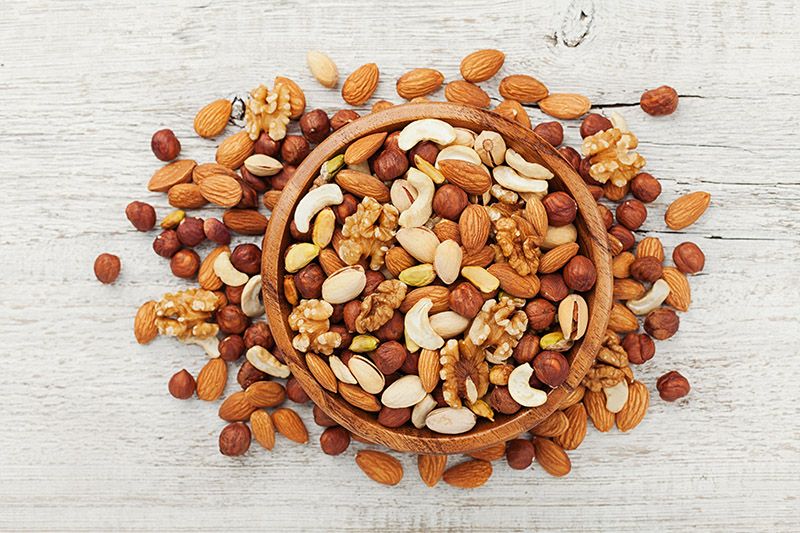
Keeping our animals healthy is a top concern for us pet owners, and the foods that they eat often present the biggest danger. For example, many people worry about nuts because there are several kinds, and some are safe for dogs while others are dangerous. If you would like more information on this topic, read on as we list the safe and toxic options and tell you more about them.

The 7 Toxic Nuts for Dogs
1. Macadamia Nuts

Macadamia nuts are especially dangerous for dogs, though the mechanism of toxicity isn’t known. Clinical signs of macadamia nut toxicity typically arise if a dog has eaten more than 2 g/kg of body weight, but there are when as little as 0.7 g/kg of macadamia nuts have been ingested. For example, a 10-kg dog may only need to eat 7 g of macadamia nuts for a toxic effect to be seen. Clinical signs include vomiting, muscle weakness, a high temperature, and seizures.
2. Black Walnuts
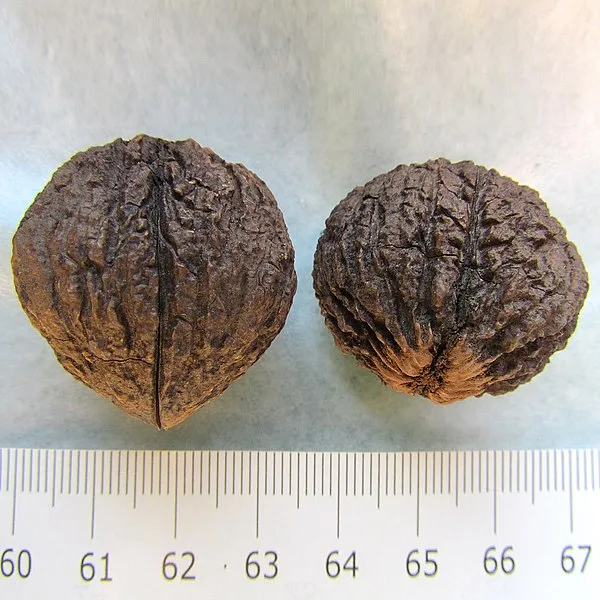
Black walnuts (Juglans nigra) present a double danger to canines. A toxin called juglone occurs naturally in black walnuts and can lead to gastrointestinal upset, including vomiting and diarrhea, for your pet. These walnuts can also develop mold, especially after they fall on the ground, which can also be toxic to dogs. The main type of mold to worry about is Aspergillus flavus, which produces an aflatoxin that is highly dangerous for canines.
3. Pistachios

Pistachios are not toxic to dogs, but they are high in fat, which in excess, can lead to pancreatitis and weight gain. They can also lead to an upset stomach.
4. Hickory Nuts

Hickory nuts can become plentiful in many areas across the country every few years. Although they are not toxic, mold grows on them easily, which can lead to the onset of aflatoxicosis if eaten.
5. Pecans

Pecans have hard shells, which can make them a choking hazard, especially for small dogs. They also contain juglone, which causes gastrointestinal upset in dogs. Pecans are high in fat, which can lead to weight gain, pancreatitis, and gastrointestinal upset.
6. Almonds

The shape of almonds can make them a choking hazard. Sweet almonds (the ones that you find on supermarket shelves) are not toxic to dogs but should be avoided due to their high fat content. Bitter almonds contain a toxin called glycoside amygdalin. When eaten, this toxin is broken down to hydrogen cyanide, a highly toxic compound.
Store-bought almonds are commonly coated in ingredients that are delicious to us but toxic to pups—for example, cocoa or garlic and onion powder. One or two plain sweet almonds are unlikely to do your dog much harm, but if your dog has a weight problem or has previously had pancreatitis, they should not eat these nuts.
7. Brazil Nuts

A few Brazil nuts may not harm your pet, but they have more fat than many other varieties and can quickly lead to weight gain and other issues. They can also cause an intestinal obstruction if eaten without removing the shell and may present a choking hazard.
The 5 Safe Nuts for Dogs
1. Peanuts

Peanuts are the safest nuts on this list for your pet to eat, but that’s because they are legumes, not nuts. They don’t contain the harmful ingredients that tree nuts have, but they can still become moldy and harbor aflatoxins. Always remove the shells, and serve them raw or roasted without salt.
2. Hazelnuts

Hazelnuts are not toxic to dogs in small amounts. However, the shells are hard and can be a choking hazard. Therefore, it’s best to remove the shells before feeding hazelnuts to your pet.
3. Roasted Cashews

Roasted cashews are safe to feed your dog in moderation, but there are a few things to consider first. They are high in fat, which can lead to pancreatitis and obesity if your dog consumes many other high-fat meals. Commercially available roasted cashews are often mixed in with other nuts, which might be harmful. Raw cashews (straight off the tree) contain urushiol, which is the same chemical found in poison ivy, and this can upset your pet’s stomach. However, even the “raw” cashews you find in the store have been boiled or steamed and therefore, no longer contain urushiol.
4. Pine Nuts

Pine nuts are safe for your pet to eat in small amounts, and some dogs may enjoy them. However, some could have trouble with their small size, and like other nuts, they contain a large amount of fat, which can lead to weight gain.
5. English Walnuts

English walnuts are not toxic to dogs like black walnuts are, but they are prone to mold, especially after they fall to the ground. They are also high in fat, so you should only serve them in small amounts.
Frequently Asked Questions
What Are the Signs of Nut Toxicity in Dogs?
Signs of nut toxicity can vary depending on the kind of nut that your pet eats. However, the common signs include vomiting, diarrhea, weakness, lethargy, tremors, hyperthermia, and in severe cases, seizures.
How Should I Respond If My Dog Eats a Toxic Nut?
If you suspect that your pet ate a toxic nut, contact your vet immediately to get advice specific to your pet and the kind of nut that they ate.
What Should I Do If My Dog Eats Nuts With Shells?
If your dog eats nuts with shells on them, watch them closely for signs of distress that can include choking, difficulty breathing, vomiting, lack of appetite, or constipation. Contact your vet if you notice any.
Are There Any Benefits of Feeding Nuts to My Dog?
In appropriate portions, nuts can provide your pet with important minerals, including magnesium, phosphorus, and copper, which support bone health and metabolic processes. They also contain protein, which is beneficial for the development and repair of muscle.

Summary
While a few nuts are safe to feed your pet in small portions, like hazelnuts, cashews, and pine nuts, others can be harmful. Some are especially toxic, like macadamia nuts and black walnuts, while others are especially hard or have shells that can render them a choking hazard, like almonds. They all contain a large amount of fat, which can lead to weight gain and pancreatitis, and commercial varieties often have flavorings on them, which may not be safe for your dog to consume. Therefore, it’s best to stick to dog-specific treats and keep the nuts for yourself. See Also:
Sources
https://www.preventivevet.com/pets/safe-and-unsafe-nuts-and-seeds-for-pets
https://vetmeds.org/pet-poison-control-list/macadamia-nuts/#!form/PPCDonations
https://www.akc.org/expert-advice/nutrition/can-dogs-eat-walnuts/
https://www.merckvetmanual.com/toxicology/mycotoxicoses/aflatoxicosis-in-animals?query=aflatoxins
https://www.akc.org/expert-advice/nutrition/can-dogs-eat-cashews/
Featured Image Credit: Julia Sudnitskaya, Shutterstock
Expert dog care, straight to your inbox
News, insights, expert advice, and everything dog.

No spam — unsubscribe anytime.
By signing up, you agree to our Terms & Conditions and Privacy & Cookies Policy.
How useful was this post?
Click a star to rate. You can leave written feedback afterwards. (We read all feedback.)
Ed Malaker is a seasoned writer who has contributed to a wide range of blogs covering everything from tools to guitars, and pets to fitness. When Ed isn't writing, he is usually making DIY projects around the house or working in the garden.