Are Conkers Poisonous to Dogs? Vet-Verified Facts & FAQ


In this article
If your dog eats a conker, you may be concerned about their health. Those concerns are justified because conkers (a type of nut from the horse chestnut tree) are poisonous to dogs if they are chewed and swallowed.1 What’s more, conkers are the perfect size to get caught in a dog's throat or even block their intestines. It is recommended to reach out to your vet for further instructions. Let's take an in-depth look at why dogs shouldn't eat conkers.

What Are Conkers?
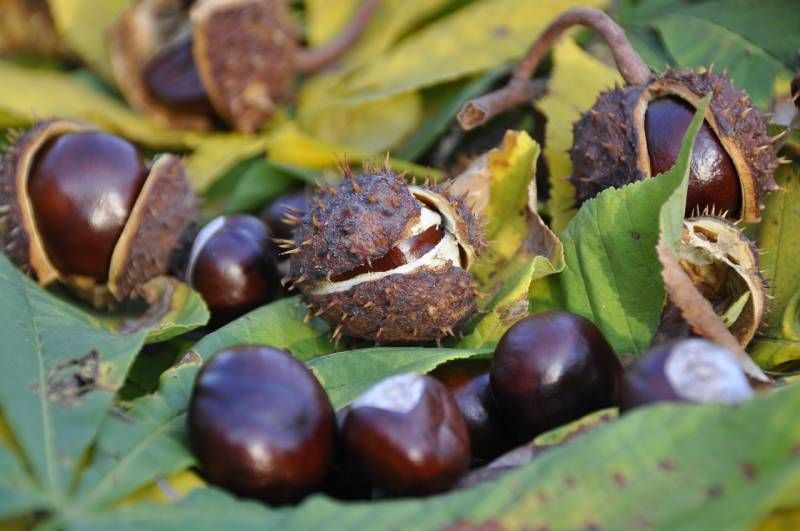
Conkers, also known as horse chestnuts, are the large, shiny, dark brown seeds of the Aesculus trees native to Europe. These easily recognizable and widely available "treasures" can be found every autumn in parks, gardens, and forests throughout Western Europe as far North as Scotland.
While to humans, they may seem like nothing more than overgrown marbles, to mischievous dogs, these treasures could be deadly.

Are Conkers Poisonous to Dogs?
Conkers are poisonous to dogs if they are chewed and swallowed. So, if your dog just puts one in their mouth and spits it out, it’s likely not cause for concern. However, if your dog actually ingests one, it could spell trouble. Conkers contain a compound called aesculin, a glycosidic saponin,2 the toxin that can make dogs sick. They also contain other cytotoxic saponins.
What Happens if a Dog Eats a Conker?
The good news is that conkers have a bit of a bitter taste to them, so your dog may spit it out before consuming it. This is the best-case scenario, and your dog will likely be fine. However, actually ingesting a conker can lead to stomach upset in dogs and more serious side effects. If your dog is on the smaller side or eats more than one conker, the effects can be more serious, so it’s recommended to reach out to your vet in any case, especially if you don’t know how much your dog ate.
Signs can take anywhere from one to 24 hours or more to become apparent. It is important to contact your veterinarian rather than wait for signs. Treatment will be more favorable if started sooner.
In severe toxicity cases, additional signs such as dilated pupils, depression, excitement, seizure activity, and even coma followed by death.
Even if the dog isn’t affected by the aesculin in conkers, the hard shell of the nut can cause digestive upset or even choke on them if swallowed whole. What’s more, the nut can get lodged in your dog’s digestive tract, leading to more serious health complications. If a dog does manage to ingest one, it is important that they are monitored for any signs of distress like vomiting or diarrhea. If these occur, then the dog should be taken to the vet as soon as possible to ensure that no further damage is done and treatment can begin. In some cases, surgery may be necessary if the conker has become caught in the digestive tract.
What Are the Signs That My Dog Needs to See a Vet?
If you suspect that your dog has eaten a conker, it is important to look out for any signs of distress. These may include vomiting, diarrhea, abdominal pain or swelling, lethargy, and loss of appetite. If any of these are seen, then it is best to seek veterinary advice as soon as possible. It is important not to induce vomiting in your dog unless directed by your vet to do so.
Are There Any Home Remedies if a Dog Eats a Conker?
If you think that your dog has eaten a conker, home remedies are not recommended as the best course of action and can actually do more damage. It is important to seek veterinary advice if your dog eats a conker, as they can assess the full extent of the problem and provide appropriate treatments.
How Can I Prevent My Dog From Eating Conkers?
The best way to prevent your dog from eating conkers is by making sure that they are not in reach. This means avoiding areas where conkers can be found and ensuring that any garden activities, such as raking leaves or playing with sticks, do not result in conkers being accessible to your pet. It is also important to monitor your pet when out for walks, especially in the autumn months when these nuts are falling from the trees. In addition, teaching your dog commands such as “leave” and “drop” will help ensure that if they do find a conker, it can easily be taken away before it becomes a health hazard.

In Conclusion
Conkers are poisonous to dogs and the risks will depend on how much was eaten. The hard shell of the nut can also cause your dog to choke on them if swallowed whole. It is important that owners watch their pets closely when conkers are present. So, dogs should not be given free rein to eat them, and you should seek veterinary care if your dog eats one, especially if you notice signs such as vomiting, diarrhea, and visible distress.
See Also:
Sources
https://www.thekennelclub.org.uk/health-and-dog-care/health/health-and-care/a-z-of-health-and-care-issues/conkers/
Featured Image Credit: ostadal, Pixabay
Expert dog care, straight to your inbox
News, insights, expert advice, and everything dog.

No spam — unsubscribe anytime.
By signing up, you agree to our Terms & Conditions and Privacy & Cookies Policy.
How useful was this post?
Click a star to rate. You can leave written feedback afterwards. (We read all feedback.)
Nicole has loved animals of all sizes her whole life so it's no wonder she has dedicated her career to helping them through what she loves best: learning, writing, and sharing knowledge with others. She’s the proud mom of two dogs, a cat, and a human. With a degree in Education and 15+ years of writing experience, Nicole wants to help pet parents and pets around the planet to live happy, safe, and healthy lives.