In this article
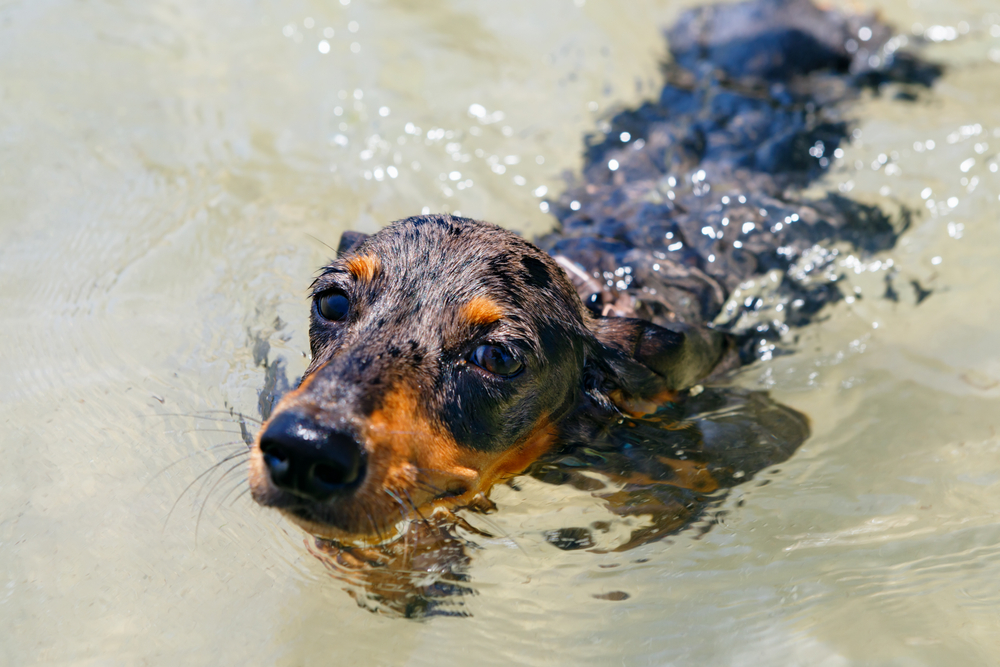
View 2 More +Although many Dachshunds naturally dislike getting in the water and can struggle to swim, some love nothing more than having a doggy paddle in the pool or a quick dip in the sea. So yes, Dachshunds can swim, however, not very well and many of them hate being around water.
Whether you’re looking for a different way to exercise your Doxie, or you live or stay near water and need to ensure your four-legged companion is safe around bodies of water, there are steps you can take to try and teach your dog to swim or, failing that, keep them safe.

Can Dachshunds Swim?
Their long backs and short legs don’t necessarily prevent Dachshunds from being able to swim, and many can naturally put one paw in front of the other to stay afloat. However, this isn’t true of all Dachshunds. Some naturally hate the water and can get quite anxious if they are too close to swimming pools or other deep bodies of water.
Even if you can convince them to get in the water, their body structure means that Dachshunds aren’t natural swimmers and anything more than a few strokes can be tiring work for those little legs.
How to Safely Introduce Your Dog to Water
It’s tricky to teach a dog to swim. You can’t show them the natural movements they need to be able to propel themselves forward.
However, most dogs can naturally stay afloat, which means the biggest challenge is often convincing them into the water in the first place. In such a way that won’t cause anxiety and potentially leave them scared of water for the rest of their lives.

1. Start In Shallow Water
Before you go dual dock diving, take your Doxie to the shallow end of a pool or even the edge of a calm sea or lake where they can still stand up. They are less likely to be overwhelmed by the sensation if they can still feel their paws on the floor.
2. Don’t Just Throw Them In
Many people assume all dogs can naturally swim. However, this isn’t necessarily the case, and even if a dog can keep its head above water and stay safe, that doesn’t mean they enjoy the experience.
Throwing an anxious dog into water to teach it to swim is only likely to cause massive anxiety and will make your dog fearful of water in the future. It will set your attempts to teach your dog to swim way back.
3. Hold Them as They Become Acclimatized to the Sensation
When they are first in the water, and out of standing depth, hold your pup. Let them get a feel of the water. Move slowly back and forth and keep praising them for staying calm. If they start to thrash around, it might be time to get out and try again later.
The more anxious and afraid your dog gets, the less likely they will want to repeat the process.

4. Praise and Reward Them
On the other hand, if they stay calm and get lots of praise and rewards in return, they will be more likely to want to repeat the process in the future.
You can’t really give dog treats while you’re both floating in the water, but you can give verbal praise and physical rewards, and you can give them a favorite treat when you get out. They will remember that their last trip into the pool culminated in a doggy frozen yogurt treat.
5. Show Them How to Get Out
One of the reasons your dog might be fearful of being in the water is because they can’t see a clear path to get out. During your first few forays into the water, guide them to the exit and encourage them to get out on their own.
Once they know they can easily get out when they need to, they will be less anxious to bob around in the water.
6. Take It Slowly
Take it slowly. You likely won’t teach your dog to swim or get used to the water in a single 5-minute session. Be prepared for multiple visits over the course of several days before they start to accept the water and become comfortable in it.
If you rush things, it will likely put their development back.

The 5 Safety Tips When Taking Your Dog in Or Near Water
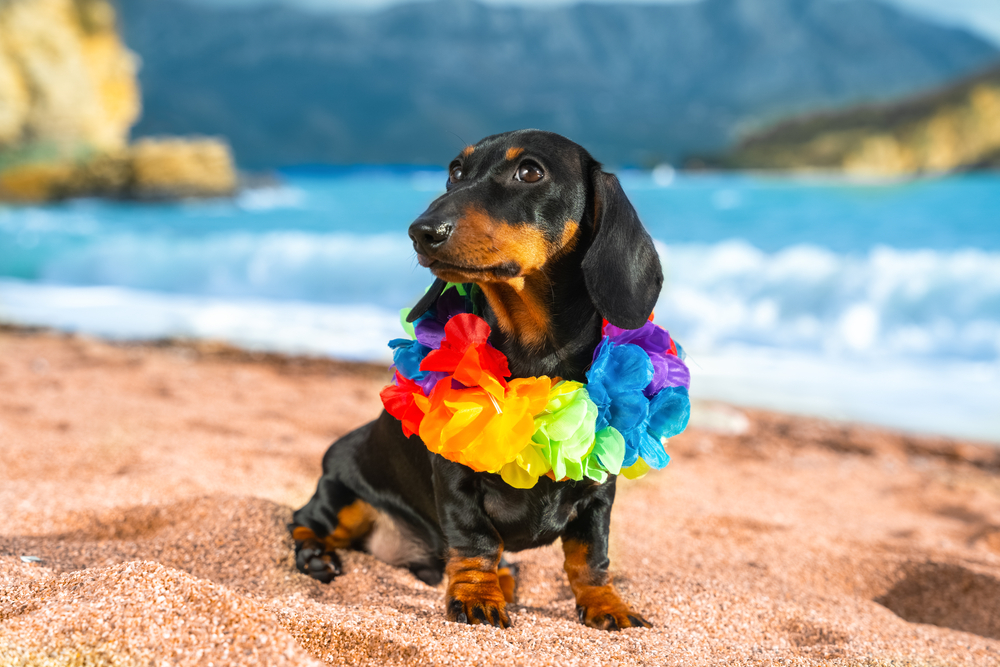
One of the reasons some owners want to teach their dogs to swim is for safety. If you live next to water, have a pool in the backyard, or like to take regular visits to seaside towns or docks, you should have a good understanding of how to keep your dog safe when they’re on, in, or near water.
1. Always Be Aware
When you are near the water, always be aware of your surroundings. Identify any possible areas your dog might fall or slip in and know where your four-legged friend is at all times.
Avoid throwing a ball or toy too close to the water if your Dachshund isn’t a confident swimmer or if there are potential hazards in the water.
2. If in Doubt, Keep Them on a Leash
Swimming pools might be predictable, but other bodies of water can have hidden hazards and might have unexpected water conditions. Dogs can suffer cold water shock, just like humans, and if your Doxie’s legs get caught in seaweed, they will not be able to propel themselves to safety.
Until you’re sure of the water and nearby conditions and are confident that your dog can swim at least a little, keep them on a leash for their own safety.
3. Be Aware of Hazards
Hazards in the water can include seaweed as well as sharp rocks. The water itself obviously also poses potential hazards. Cold water, underwater currents, submerged docks and blue-green algae can all pose hazards to your little one.
Hazards aren’t just found in the water, either: they can be found nearby. Riverbanks can be very slippery, while some old docks might have crumbling wood that is easily broken and can cause your dog to slip or fall in. You need to check for potential hazards before you or your dog go for a dip.

4. Don’t Let Them Swim When They’re Exhausted
Doxies have small legs, and while these small legs are capable of some moderate swimming, it takes a lot of effort. If your dog has been in the water for an extended period or they have worn themselves out running and playing, don’t let them in the water or they may struggle to swim to safety.
5. Get a Doggy Life Jacket
You can buy life jackets for dogs, and these are a good idea if you will be spending time at the water’s edge. If your dog does fall into the sea, a river, or a lake, it is usually recommended that you don’t jump in after them for your own safety. In most cases, the dog will scramble to safety, and it could be you who is in danger.
A life jacket will keep your dog afloat, and it will make it easier for them to get out if they struggle. It will also make it easier for you to spot them if the worst does happen.


Conclusion
Dachshunds have short legs and long backs, which makes swimming especially tiring and hard work for them. Despite that, many can naturally swim, although not all will actually enjoy it.
You can gently encourage your dog to get in the water, starting in shallow, safe water, and take things slowly so your pup doesn’t get anxious, as this can set things back considerably and may leave your Doxie scared of the water and unable to ever get in.
Featured Image Credit: Denis Moskvinov, Shutterstock