
Senior Dog Behavior Changes: Vet-Approved Care Guide


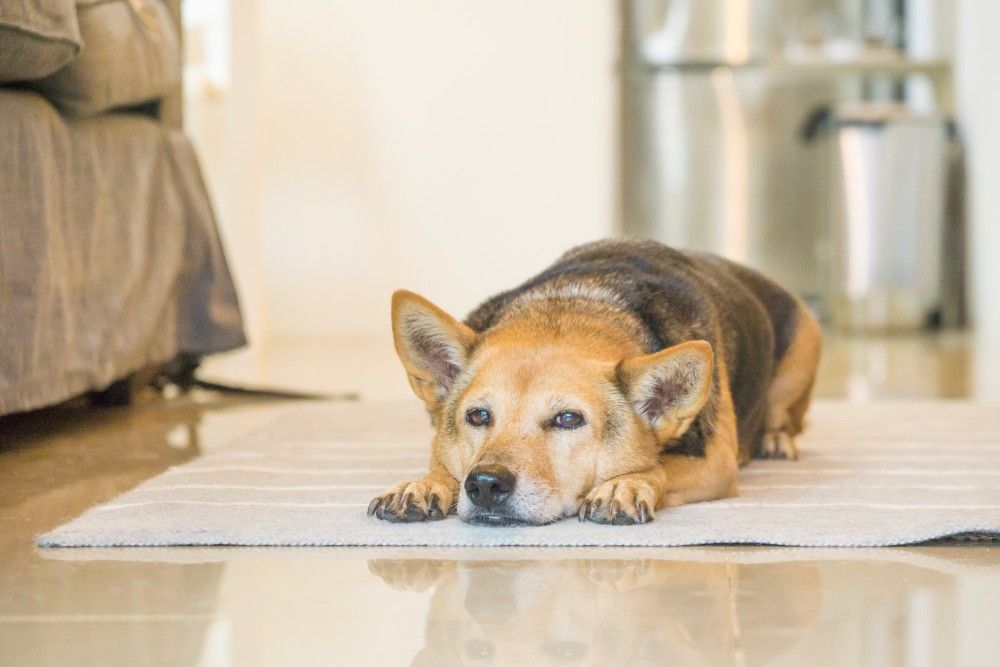
It’s a beautiful thing to watch your dog grow up and move from puppyhood to adulthood and eventually become a senior dog. Throughout the years, you would’ve seen them change in various ways, but the most noticeable changes often occur when they reach their senior years. Your dog’s hair may have grayed, they may not be as mobile, they may struggle to hear you when you call for them, and they may suffer from a few health issues. Aging is a normal part of life, and the best thing you can do is keep your dog safe, looked after, and comfortable.
If you haven’t seen too many behavioral changes up until this point or are wondering why your dog is acting differently, keep reading because we’re going to discuss what you can expect at this stage in your dog’s life and how you can care for them best.

Why Has My Senior Dog’s Behavior Changed?
It's difficult to watch your dog change, and although you may want to keep up with the same activities that you and your dog enjoyed together, your dog may not be able to anymore. Although many people put behavior changes down to conditions like cognitive dysfunction syndrome or canine dementia, many behavior changes are often due to other conditions.
These changes could be affected by cognitive decline, but pain, loss of sensory function, disease, and anxiety can all play a part. It is so important to take your dog to the veterinarian at least twice a year for a full examination and bloodwork to ensure that any underlying problems can be identified and treated.
Aging is a natural process and will result in your dog slowing down. However, if your dog’s behavior is concerning to you or has changed suddenly, a consultation with the veterinarian is a must.
The 6 Behavioral Changes You Can Expect From an Older Dog
1. Sleep Changes
All dogs sleep quite a bit, but older large dogs can spend up to 20 hours a day sleeping, with smaller breeds sleeping up to 15 hours a day. Senior dogs sleep more because they tire more easily and because sleep is restorative. Sleep also helps your dog’s body fight infections.
Increased sleep isn’t a sign of concern unless it happens suddenly or you notice changes in your dog’s sleep cycles. For example, if your dog suddenly starts waking up at night and aimlessly walks around, starts sleeping in unusual places, or falls asleep in unusual positions, these can be signs that something isn’t right, and you should chat with your veterinarian about the behavior.
Your dog might also be sleeping more because they are suffering from pain or have restless nights due to increased anxiety. Poor sleep quality may cause your dog to nap more, which you may notice throughout the day.
2. Dietary Changes
Once your dog becomes a senior, you need to change their food to senior dog food because it is nutritionally balanced to meet their needs. It should contain high-quality protein and meet your dog’s caloric requirements.
Senior dogs tend to suffer from gum disease, which can make eating their regular kibble painful. If this is the case for your dog, you may need to change their food to a softer alternative. If you don’t, your dog may stop eating, which can cause weight loss and other complications.

3. Reduced Activity
Although senior dogs tire out faster and need more rest than they did when they were younger, they still need exercise to keep healthy. Exercise should remain part of your dog’s daily routine, but it should be gentle and at their pace. Senior dogs shouldn’t be pushed to walk further than they’re able to or undergo any activity that is too strenuous for their body. Always be aware of the weather, and if it is too hot, wait to walk your dog in the evening when it is cooler.
It’s also important to keep your dog mentally active, so food puzzles and games such as fetch are encouraged. Although your dog might be less mobile due to painful joints because of conditions like arthritis, gentle movement is helpful to prevent stiffness and weight gain.
4. Weight Changes
It is common for senior dogs to gain weight because they are less active, and their metabolism slows down. It can also happen if you don’t move them to the appropriate food. Weight gain in older dogs is a problem because it can be harder for them to lose weight; plus, it puts more pressure on their joints and shortens the dog’s lifespan. It also has the potential to increase conditions such as heart disease and diabetes.
The opposite is sometimes seen in older dogs, too. If your dog is losing weight, it might be because of an underlying health issue, such as dental disease. Unexplained weight loss is concerning and should be looked into by your veterinarian.

5. Less Responsive
Your dog may lose their vision or hearing as they age. Thankfully, it usually happens over time, which helps the dog rely on their other senses more. Unfortunately, not seeing or hearing as well as they once did can cause them to get startled easily and snap out of fear. If you’re not aware of their loss of sensory function, you may think your dog has become aggressive with age.
It’s important to look out for other signs of sensory function loss, such as no longer greeting you at the door when you arrive home, not responding to sounds or movement, and bumping into objects when it isn’t in their usual spot. It’s important to take your dog to the veterinarian if you suspect that they are going blind or deaf. Some causes are treatable, but some are not, and you may need to make adjustments to your home to accommodate your aging dog.
6. Increased Irritability
Dogs with cognitive dysfunction may behave more irritably, but pain and anxiety can also cause this behavior. If your older dog has started showing signs of aggression, don’t ignore it because it could be their way of expressing that something isn’t right.
Being touched or struggling to move around with ease because of arthritis can put your dog in a bad mood. In the same way, not being able to eat without experiencing pain can have the same effects. A new puppy or baby in the house may also cause your dog to become irritable because of the noise, stress, and unpredictability they bring.

Conclusion
Senior dogs experience many changes in their appearance, health, and behavior. Some common behavioral changes you can expect are changes to their sleep, diet, activity, and weight. You may also see changes in their vision and hearing as well as in their tolerance. Senior dogs can become irritable, but it is usually because of an underlying issue such as pain, anxiety, or cognitive dysfunction. If you notice any sudden changes or have any concerns about your senior dog’s behavior, it’s important to have them seen by their veterinarian.
Sources
https://dogagingproject.org/understanding-behavioral-changes-in-senior-dogs
https://www.akc.org/expert-advice/health/too-much-sleep-is-there-such-a-thing-for-senior-dogs/
https://www.akc.org/expert-advice/health/recognizing-behavioral-changes-in-senior-dogs/
https://www.vetstreet.com/dogs/your-senior-dog-what-to-expect-at-10-12-years
Featured Image By: Larissa Chilanti, Shutterstock
Expert dog care, straight to your inbox
News, insights, expert advice, and everything dog.

No spam — unsubscribe anytime.
By signing up, you agree to our Terms & Conditions and Privacy & Cookies Policy.
How useful was this post?
Click a star to rate. You can leave written feedback afterwards. (We read all feedback.)
Keri-Beth is a freelance writer from South African who specializes in animals. She has grown up with a range of pets, volunteered at many shelters, and is highly passionate about pet care. Currently, Keri-Beth is raising two dogs - Benji, the Golden Cocker Spaniel, and Gracie, the Boerboel. With so much information out there, Keri-Beth has made it her questo to make pet care as easy and straightforward as possible for any pet parent in the world.
In her spare time, Keri-Beth enjoys photography, camping, and spending time with her husband, who is a professional drummer.


