

In this article
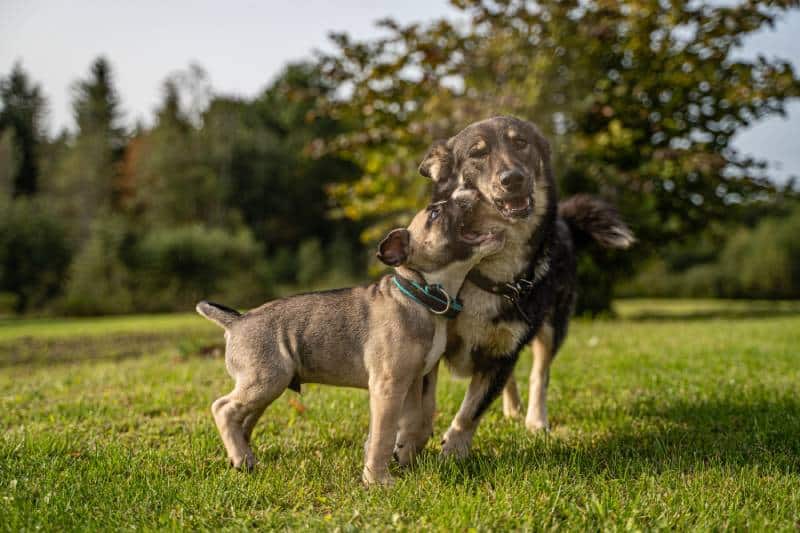
View 3 More +It’s a common belief that a puppy can keep an older dog feeling young. While that can be true, puppies can be a chaotic and disruptive addition to your home and may cause stress and discomfort for older dogs.
No matter how careful you are, your new addition may create more problems than joy. Find out what you need to know about bringing home a puppy with your senior dog.

Do Puppies Stress Older Dogs?
For better or worse, a puppy is a major shift in the dynamic in your household. This can be a lot for an older dog, especially if they struggle with physical issues like arthritis, underlying chronic illness, hearing loss, or vision loss.
Furthermore, if your dog has canine cognitive dysfunction (CCD)—the dog version of dementia—a new puppy can be scary. CCD causes confusion, disorientation, disruptions in the sleep-wake cycle, nighttime restlessness, anxiety, and house soiling. This condition is progressive, so it will worsen and requires a calm household with interventions to make your dog feel safe and comfortable.
Adding a puppy to the equation in either of these situations can overwhelm your dog. Puppies are loud, extremely active, and require a lot of attention. It takes a while for them to learn to respect space and behave appropriately, not to mention that they’ll test boundaries with your older dog, which can trigger pain or fear as your senior dog no longer feels safe or is interested in playing.
Signs an Older Dog Is Stressed by a New Puppy
If you’ve already brought home a puppy and noticed some changes in your older dog.
- They’re more irritable than normal.
- They’re not interested in the puppy.
- They bark or growl more often, and it may be directed toward the puppy.
- They’re licking or chewing on one area of their body.
- They’re soiling in the house.
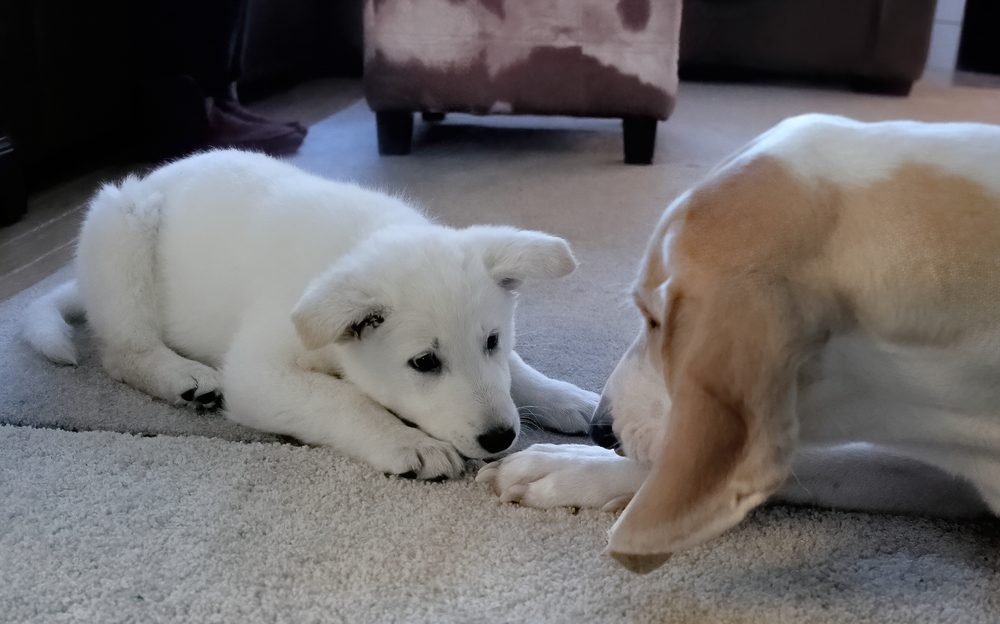
- They’re backing away from the puppy or seem afraid of the puppy.
- They may be more interested in food, as they may see the puppy as competition.

The 6 Tips for Bringing Home a Puppy With an Older Dog
1. Evaluate the Situation Before Getting a Puppy
Ideally, you can decide if the puppy is the right choice for your whole family—not just the humans—before you bring them home. Take a realistic look at your older dog. Do they have the energy to deal with a puppy? Do they still like to play and run around? Do they prefer to sleep and lay around?
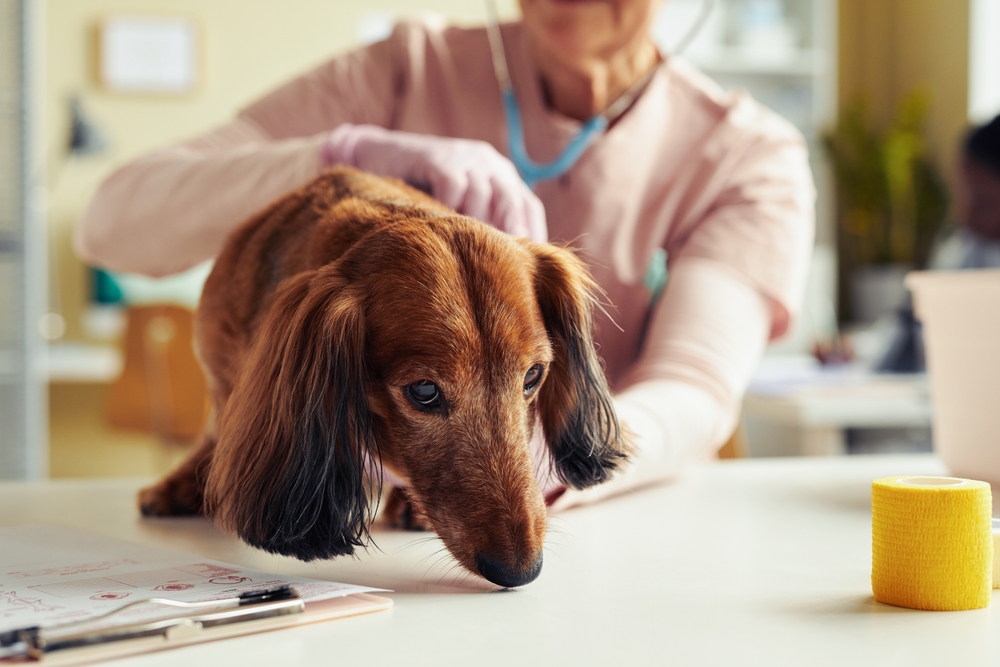
You may want to make an appointment for a checkup with your vet. Have a talk with them about your older dog’s health and whether they can physically and mentally handle a puppy. You know your dog best, but your vet has insights into your dog’s health and a more objective view of their challenges.
If your dog does have health conditions that may affect how well they deal with a puppy, talk about your options. For example, if your dog has arthritis, pain medication can improve their comfort and quality of life. With CCD, anti-anxiety medications can help with mood changes and fearful behaviors.
With all the information at your disposal, consider what’s fair to your older dog. If you can’t manage your older dog’s comfort well, especially as they age, the kindest choice may be to wait until they pass away to get a new puppy.
2. Give Them Time to Adjust to Each Other
Your older dog has been the center of attention in your home for a long time. Bringing a new puppy into the mix will shift the balance, which may not go over well with your senior dog. It’s crucial to introduce them slowly so they get used to each other.
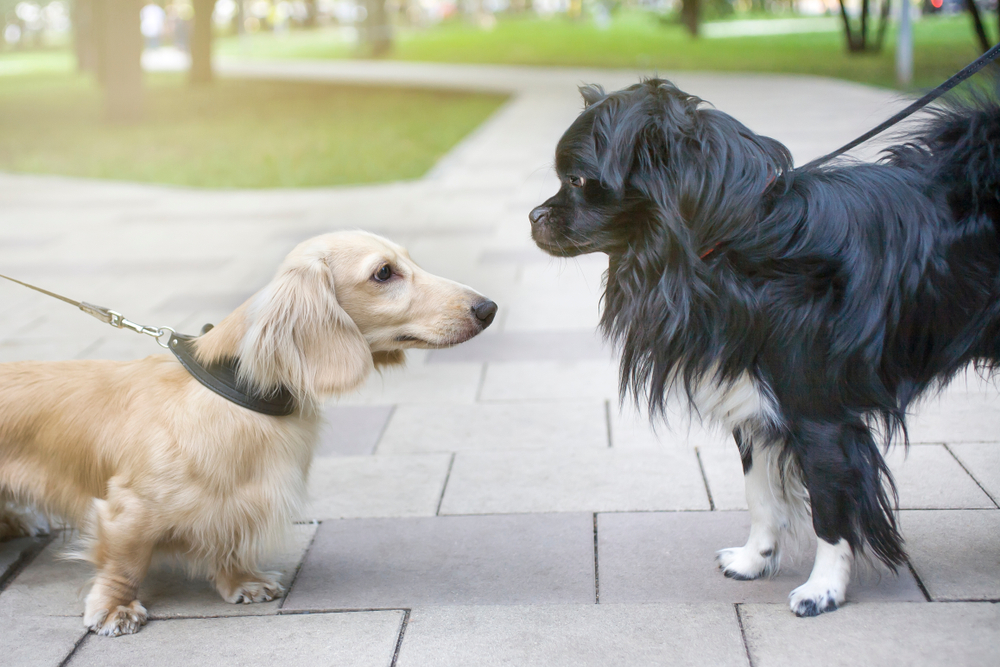
Start in neutral territory to allow your older dog and puppy to sniff and get used to each other. Don’t leave them alone in a room by themselves until you’re confident that they can get along and won’t cause harm. This may take weeks or even months in some cases.
3. Create an Area for Your Senior Dog to Get Away
Your senior dog has gotten used to the routine in your home and a calm atmosphere. No matter how careful you are, puppies are a disruptive force. Dogs are adaptable, but it may take a bit before your senior dog adjusts to the new routine.
It’s important to give your older dog their own space, such as a crate, bed, or room. If your dog sleeps in the bedroom with you, that’s a good place for them to retreat if the puppy gets overwhelmed. Your puppy should have their own crate and bed, no matter what.
This will require some management on your part. If it seems like the puppy is too excitable, playful, or irritating to your older dog, you may need to step in to redirect the puppy and give your older dog a break.

4. Ensure There Is No Competition for Resources
Dogs can learn to share, but that may take a little bit of time when you have an older dog and a new puppy, although it’s very individual and depends on the dog’s personality. Some will unfortunately be very protective and even aggressive when it comes to their food or toys, so make sure they are supervised at all times so that it won’t lead to a conflict. You may need to keep the toys hidden away so as not to give them a reason to fight.
Avoid any conflict or stress by giving your dogs their own crates, beds, food and water bowls, and toys. If your senior dog is rough or aggressive with the puppy, consult with your vet or a canine behaviorist.
If you need to speak with a vet but can't get to one, head over to PangoVet. It's our online service where you can talk to a vet online and get the advice you need for your pet — all at an affordable price!

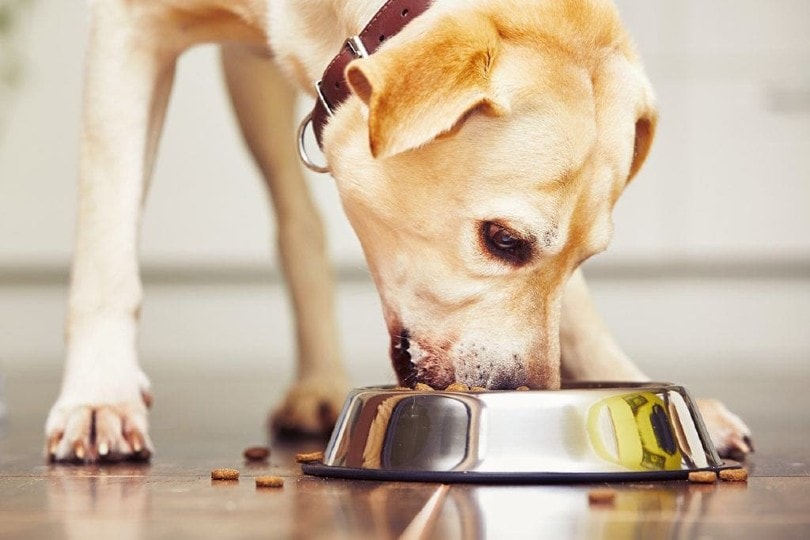
Ensure each dog has their peace and quiet, as well as privacy when they eat, which can eventually be in the same room and even next to each other after a gradual period of adjustment, but always observe both dogs. The puppy may try to steal food from the senior dog’s bowl, or the senior dog may attempt to do the same, as the puppy food will likely appear more enticing than their usual meal. Food bowls should be removed when the dogs have finished eating. Offer them both treats and lick mats so they can learn that each other’s company is rewarding and calming.
You also need to make sure that you give your older dog just as much attention as the puppy. It may not be easy since puppies require a lot of supervision, playtime, and attention, but it’s important to ensure your older dog doesn’t feel shafted.
Remember, your older dog had run of the house, and everything belonged to them, including you. Dividing the resources equally and dividing your love and attention will help your older dog experience less disruption.
5. Don’t Punish Your Older Dog
As cute as they may be, puppies can be annoying. Crying in the crate, barking, and nipping can get on your older dog’s nerves and they may growl. Never punish your dog for growling. For starters, this is an important part of establishing boundaries and appropriate social behavior for your puppy. It teaches them to back off and learn how to interact with other dogs.
Secondly, a growl is your dog’s way of warning and avoiding aggression. Punishing a growl is like disabling an alarm—the irritation and aggression are still there; you’ve just removed one way your dog has to communicate it. This can escalate behavior, so your dog may jump to nipping or biting in the future.
When your dog growls at the puppy, watch them carefully to see how it develops. Ideally, your puppy will learn to back off. If the behavior continues and your older dog continues to growl, redirect the puppy or take them to another room to give your dog space. Doing so will help your older dog see the stress is being removed for them, so they don’t need to handle it on their own.
6. Reward Good Behavior
Most dogs have an innate desire to please and respond well to positive reinforcement. Reward your older dog for showing patience with the puppy and learning to play or relax together. This is important for not only encouraging good behavior but also showing your dog that you appreciate their efforts.

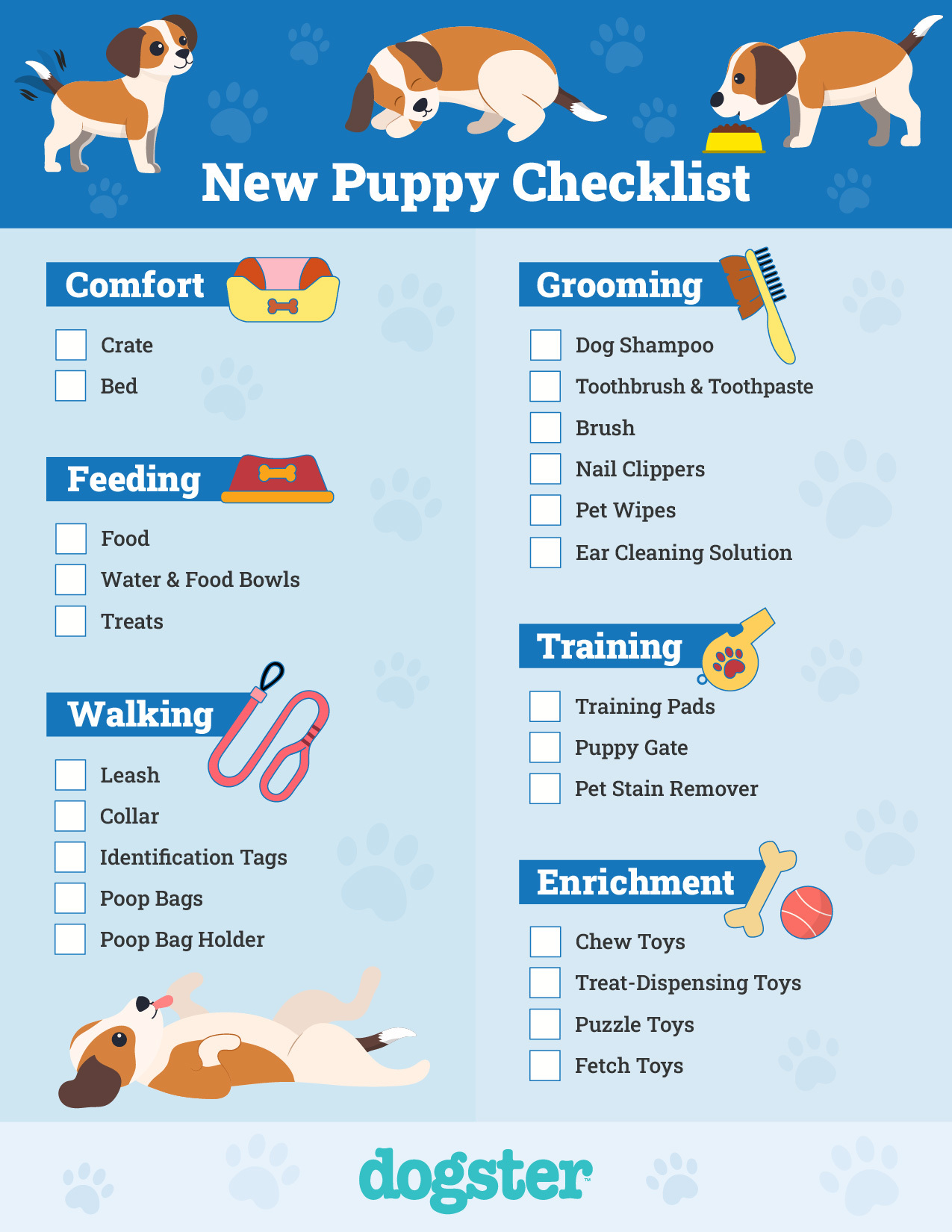
New Puppy Checklist

Conclusion
If bringing a new puppy home with a senior dog is the right choice for your family, the best thing you can do is manage the situation to prevent any conflicts from arising. Creating a calm environment that allows your senior dog to relax without feeling annoyed or bullied helps your dogs bond and build a strong relationship.
Featured Image Credit: ThyStryn, Shutterstock

























2 Responses
Hello, I need help getting my Cane Corso to accept my new dog. I’m stressed about leaving them alone in the house together. Your knowledge and advice would be appreciated.
Hi Poli, thank you for reaching out. Introducing a new dog into your home can be challenging, especially with a strong and loyal breed like the Cane Corso. Acknowledging that your Cane Corso is the alpha dog in the house and feeding them in that order will help ease any insecurities that your Cane Corso may be feeling. Also, rewarding both dogs with treats and praise when they exhibit positive behavior around each other will help to establish a calm and safe space. With patience and consistency, they'll likely become best friends before you know it.