Is That Really A Service Dog?

For years, business owners and property managers have wrestled with the same question: how do you tell the difference between a legitimate service animal and a pet that someone is trying to pass off as one?
It’s a question John Bradford spent years trying to answer, first as a property manager overseeing thousands of rental units, and now as the founder of PetScreening, a platform used to verify animal accommodation requests across more than 7 million rental units nationwide.
With the rising number of service dogs and emotional support animals leading to incidents of confusion, conflict, and exploitation, John sets the record straight on how to verify a real service animal from one that isn't, and what you are legally allowed to ask.

Navigating the Etiquette & Legalities of Service Animals
The truth is that most people don’t fully understand the laws around service animals and emotional support animals, and even well-meaning questions can come across as anything but. That gray area and confusion can create real risk. Ask the wrong question, and a business can face a discrimination complaint. Ask no questions at all, and policies and rules become easy to bend, which leads to potentially dangerous situations.
Getting this right protects everyone involved, including the people who genuinely rely on these animals every day.

Service Dog or Pet? Understanding the Difference
Under the Americans with Disabilities Act (ADA), service animals are defined as:
“Dogs that are individually trained to do work or perform tasks for people with disabilities.”
Disabilities vary widely, from physical and sensory to psychiatric, intellectual, and neurological. The needs of each person are different, so the trained tasks may look different from person to person. The ADA cites that the service animal must be a dog or, in rare cases, a miniature horse. Federal law does not require certifications, registrations, vests, or ID cards for these animals.
Beyond the specification that the animal must be trained to perform tasks, the legal standard is limited, so it can be difficult to easily identify which animals are legitimately service dogs and which are not. This is where public confusion starts.
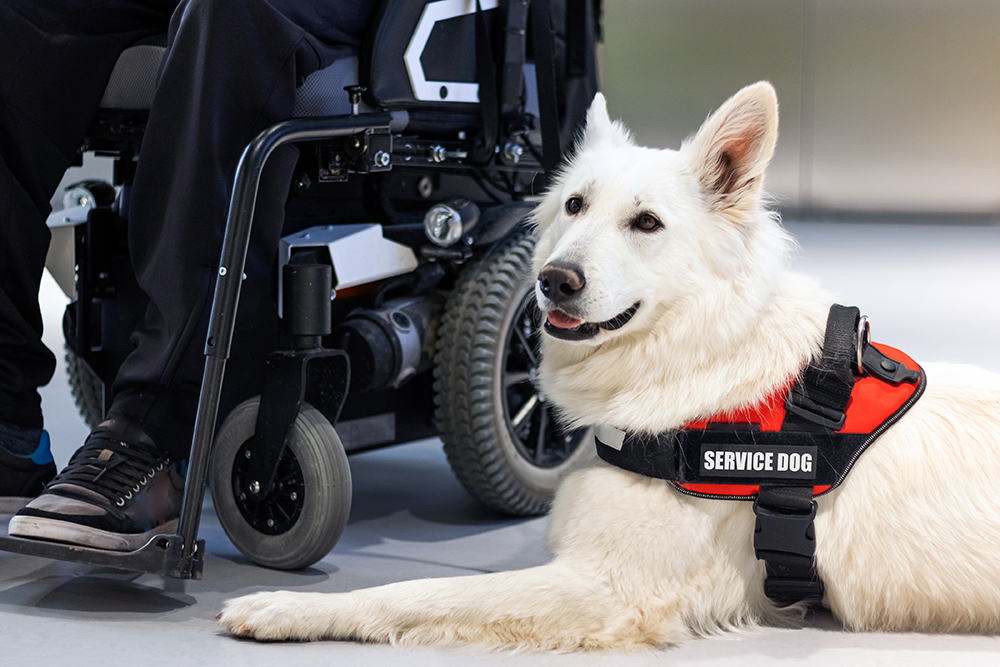
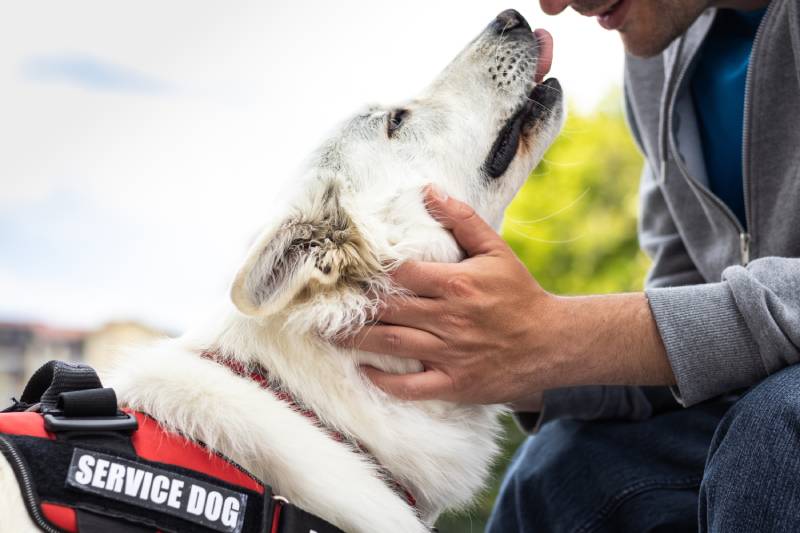
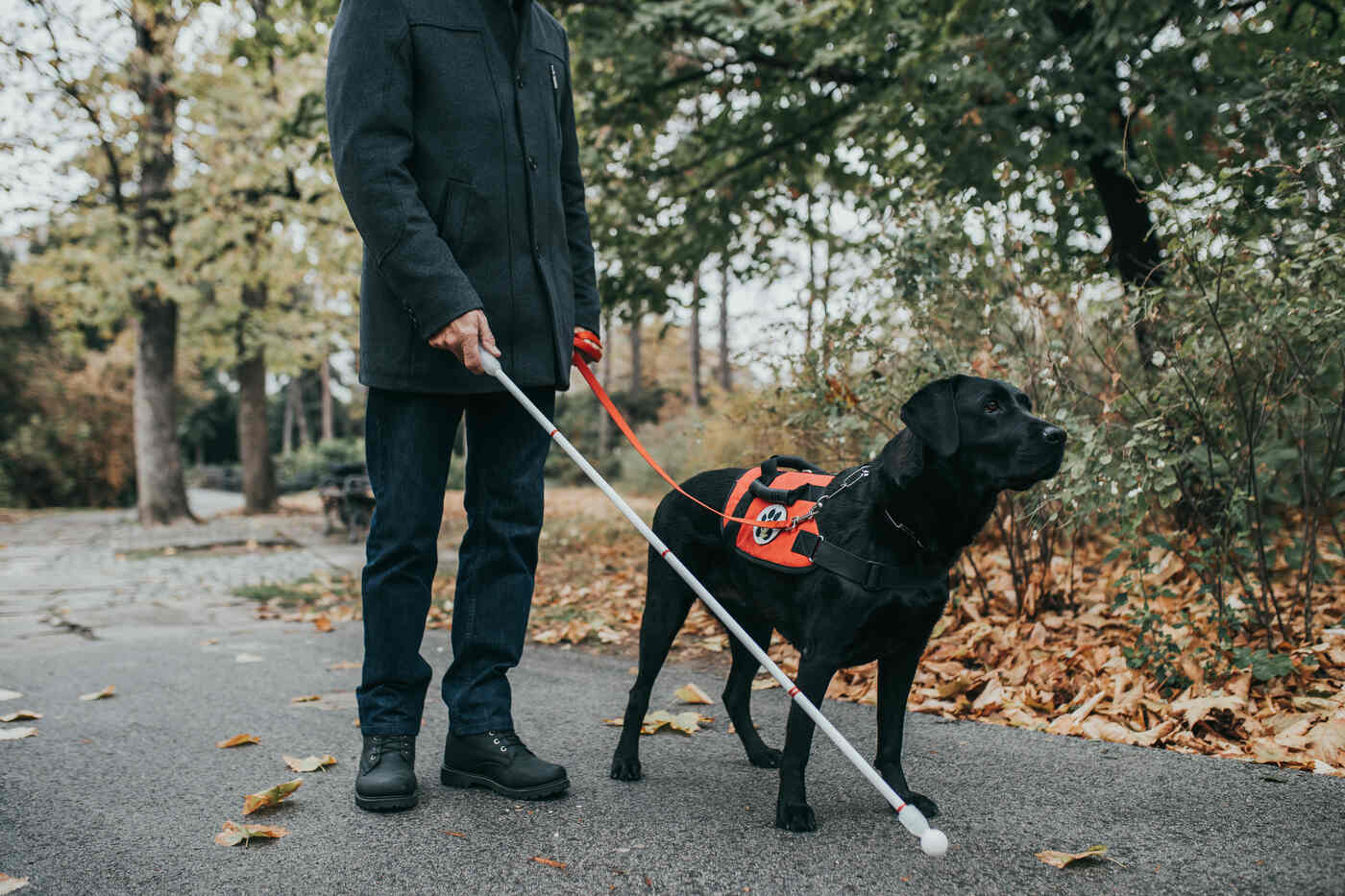
There are plenty of ways to make a dog look like a service animal, like labeled vests, “registration” certifications, and IDs, but none of these are federally supported. A dog wearing a vest isn’t automatically a service animal, and a dog without one isn’t automatically a pet. What matters legally is not appearance or paperwork. It’s the dog’s trained ability to perform certain tasks.

How Is an Emotional Support Animal Different?
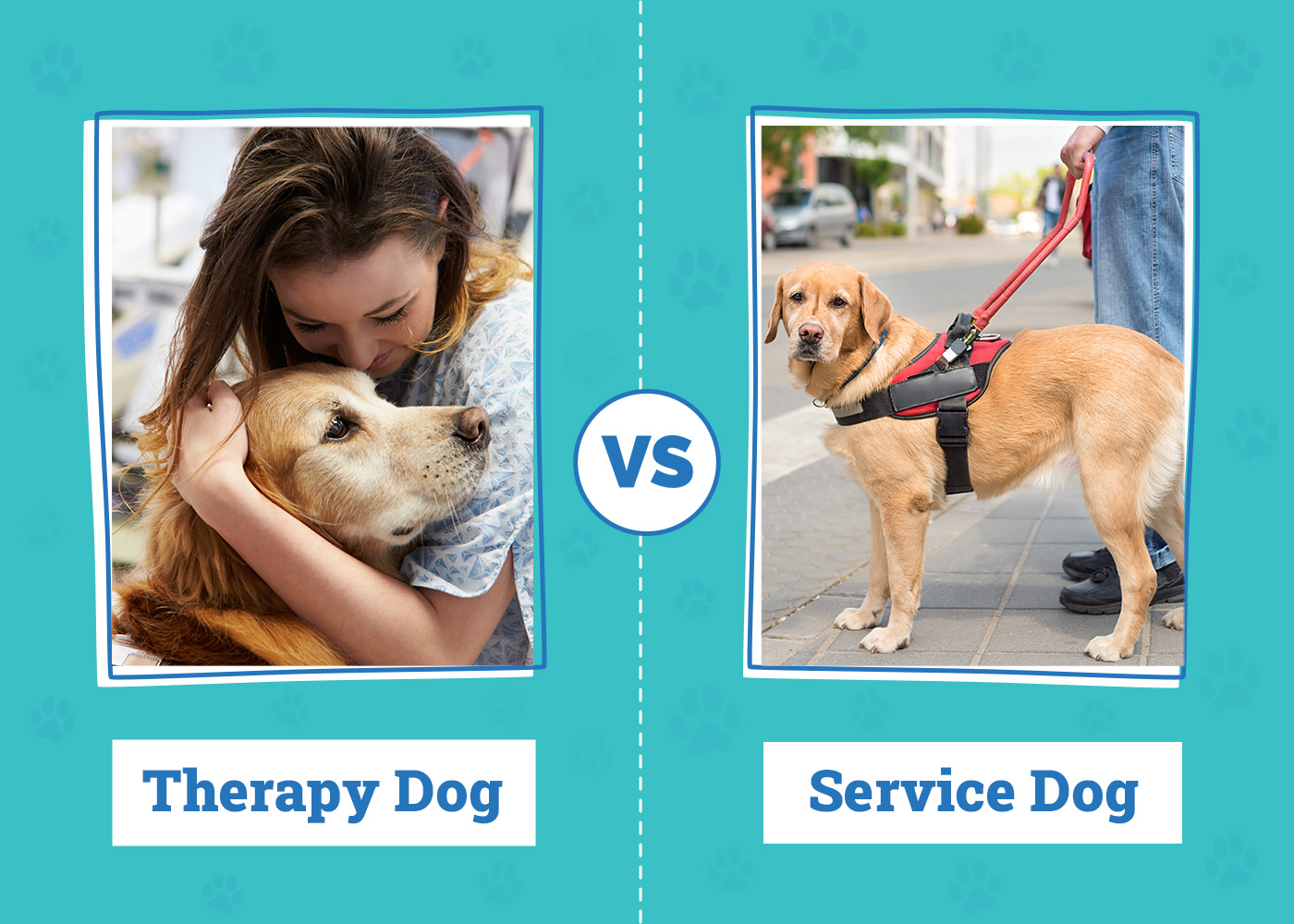
This is the distinction many find hardest to grasp, and it matters because different laws apply to each. Service dogs are protected under the ADA and, due to their training and the tasks they perform, they are permitted in public spaces such as restaurants, retail stores, and hotels. That could mean guiding someone who is visually impaired, alerting an owner to an oncoming seizure, or reminding them to take medication. Service animals are also protected under the Fair Housing Act and require paperwork if the disability or need for the animal is not obviously understood.
Emotional support animals (ESAs) are different. Their value comes from the comfort their presence provides. They don’t necessarily have to be dogs, they aren’t required to be trained to perform specific tasks, and they’re not covered by the ADA to be allowed in public spaces like restaurants.
They are, however, protected by the Fair Housing Act. Under this, landlords are generally required to make allowances for an ESA if a tenant has appropriate documentation from a licensed healthcare provider establishing a disability-related need. Examples of disabilities warranting an ESA include, but are not limited to, anxiety disorders or autism.
ESA accommodations are supposed to come through legitimate means, typically an established relationship with a licensed medical or mental health professional who can document the need. But some people have found loopholes for this by filling out forms online or paying fees for instant letters, which only fuels public skepticism about the legitimate need for these animals. Not to mention, this abuse can make people wary of service dogs, too.

Behavioral Signs of Legitimate Service Training
While there is no foolproof visual test, trained service animals typically display consistent, recognizable behaviors. These dogs show exemplary discipline and obedience to the commands of their handler. They have the ability to ignore external distractions from other dogs, people, food, sounds, and smells while focusing on the needs of their handler. They display a calm temperament and are not aggressive or anxious. It is also expected that these animals be quiet, unless they are tasked with alerting an owner to a medical issue, and that they are housebroken and trained to walk on a leash without unnecessary pulling or circling.
What Businesses Can Legally Ask (and What Should Be Avoided)
This is where business owners and landlords need to tread carefully. When it isn’t obvious that a dog is a service animal, staff are permitted to ask:
Is this dog required because of a disability?
What task has it been trained to perform?
That’s the full extent of it. Staff should not ask about the nature of a person’s disability, demand documentation or proof of training, or require dogs to demonstrate their tasks. Asking beyond the two questions, even if it comes from a place of genuine curiosity or caution, can expose a business to discrimination claims.


Why This Matters Now
News stories about supposed service animals harming bystanders in public continue to raise questions about the legitimacy of those animals, and businesses are often caught in the crossfire. These incidents are symptoms of a larger problem: businesses and property owners navigating without clear guidance, while people with legitimate needs are met with suspicion.
Service animals and emotional support animals play an essential role in the lives of the people who rely on them, and protecting that role starts with understanding the rules.
If you own a business or manage a property, you don’t need to become legal experts overnight, but you do need a consistent, fair process that respects people’s rights and keeps everyone safe. When everyone knows where the lines are, the people who truly depend on these animals can go about their lives without facing doubt at every door.
Feature Image Credit: hedgehog94, Shutterstock
Expert dog care, straight to your inbox
Vet-reviewed advice, training tips, and the best of Dogster. Free, and you can unsubscribe anytime.
By signing up, you agree to our Terms & Conditions and Privacy & Cookies Policy.
John Bradford is the Founder and CEO of PetScreening, the rental housing industry’s leading pet management platform trusted by thousands of operators nationwide. He helps communities create safer, more transparent pet-friendly environments through streamlined pet and assistance animal processes that drive compliance and operational efficiency.
A former North Carolina State Representative, John brings firsthand experience in legislation, regulation, and public policy to today’s housing challenges. His background in government, entrepreneurship, and technology gives him a unique perspective on the future of housing.
John and PetScreening are located in the Charlotte, NC Metro Area
Join the conversation
Ask a question, share your story, or send private feedback.