The Hardest Goodbye: When Love Meant Letting Murphy Go
Trigger Warning: This article discusses pet loss, behavioral euthanasia, and the aftermath of a fatal dog attack. While difficult, the author shares her experience in the hope that others facing similar circumstances feel less alone. Dogster is sharing her story to encourage understanding, compassion, and open conversation around a topic that is often faced in silence. Reader discretion is advised.
“I think I just lost both of my dogs today.” I covered my mouth to muffle my uncontrollable sobbing. The sobs shattered the silence in the emergency vet waiting room that early October morning.
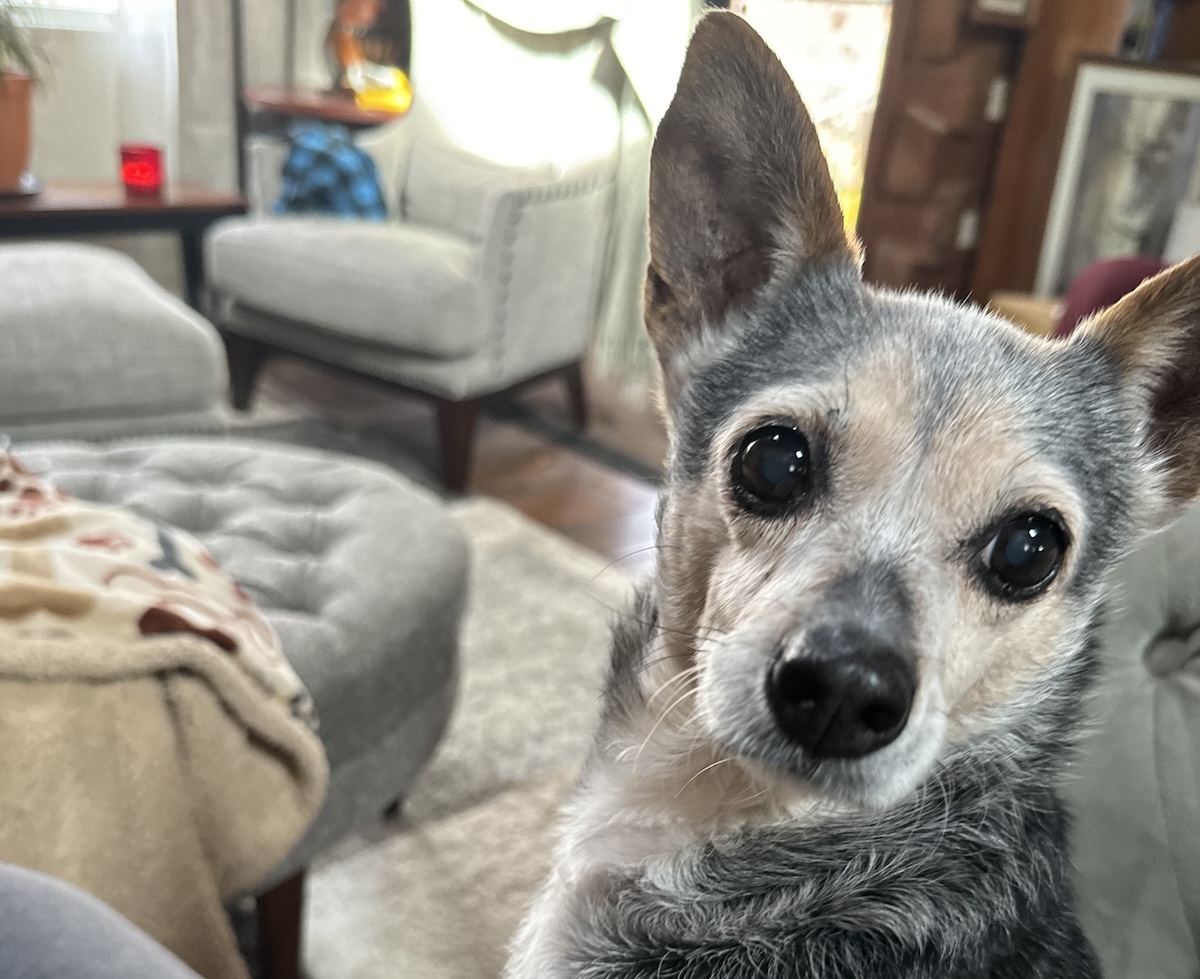
Little Ridley was our sweet and also very stubborn 13-year-old chihuahua. We rescued her from the streets downtown. She was found running along a very busy road, and a woman pulled over and pulled Ridley into her car.
News traveled fast and landed in the ear of my husband, “Are you able to take in another dog? I can’t take her. She needs a home.”
My hubby, as strong and almost intimidating as he is, has a very big heart, especially for chihuahuas. We were told she was feisty, scrawny, and had big ears. We opened our door and hearts that day to Ridley. She was nestled in a pink blanket, and as soon as she poked her head out, she growled and barked that yippy-yappy bark of hers.
She would only go to my daughter, and as soon as my daughter scooped her up, their hearts were connected. Her heart belonged to my daughter, and Ridley, moving forward, would only substitute my lap or my husband's arms when my daughter was not around.
And on this early morning in October, my daughter was out of town, while my husband and I stood alone in the cold, quiet, somber waiting room.

When Two Rescue Dogs Became Family

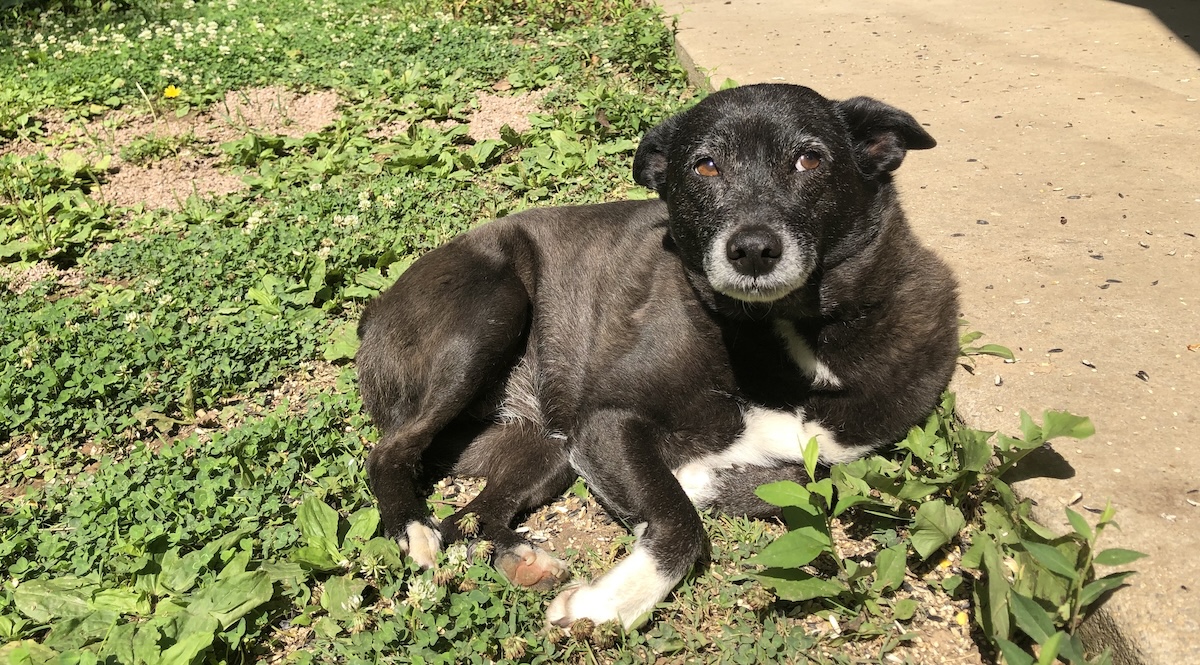
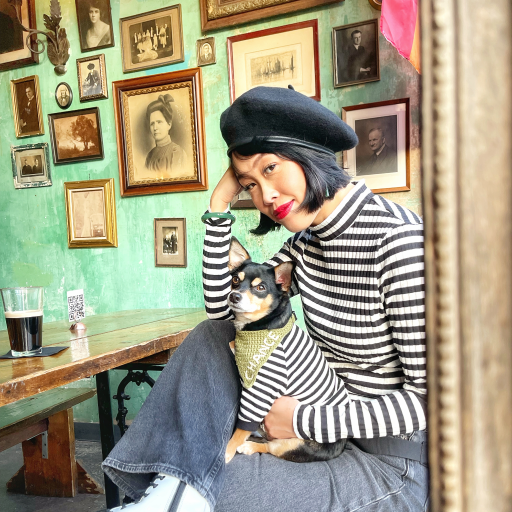
Murphy was my girl, and we rescued her about a year before the COVID pandemic. We had lost our sweet Labrador retriever, and I was looking for a new dog to love again.
“Get a small dog,” said my husband.
“Get another chihuahua, Mom,” said my daughter.
We spent time in shelters but I just couldn’t find my dog. It wasn’t until we were wandering through the local pet store that we saw Murphy, who was with a rescue foundation and needed a home. I scooped her up and looked at both my daughter and husband and smiled. That was it.
We took her home. She was my girl for six years and my walking buddy. She walked me through the pandemic, and she walked me through better health. She was my snuggle buddy and my shadow. She got me through my wisdom teeth removal and cuddled with me after long, tiring teaching days.
She would growl at my husband as he crawled into our bed and she was nestled next to me. I thought it was a sense of protecting me and her devotion. She was always “on guard.”
She loved her tree outside and sat next to it and watched the squirrels. Those pesky little yard rats harassed her every day. She watched them, and she watched out across the greenbelt. She loved the backyard.

The Morning Everything Changed
The sounds of struggle woke me in my own bed that early morning in October. I have no idea what prompted the fight.
I shot up out of sleep and could see the profile of Murphy sitting up at the end of the bed in the morning shadows. My hands searched the end of the bed for Ridley.
The discovery was heartbreaking as I pulled Ridley’s limp body out from under Murphy.
Ridley was a fighter, always. I just kept thinking that she could recover from this. We all stood around that table, Ridley on a warming mat, machines beeping, oxygen mask in front of her, eyes vacant. We were all waiting patiently for Ridley to fight that day.
My daughter got there in time, but, unfortunately, we ended up on “that couch” in “that room” surrounded by boxes of Kleenex and leaflets on pet loss and grief.
My daughter held Ridley in her arms one last time that day. Our sweet chihuahua left our world as peaceful as she could in the midst of such pain and violence.
You’d think that going home to your other dog after the loss of another would be comforting, but it was not.
Murphy sensed the anger and sadness. There was a rift between us. We were locked in a stagnant state of “do we forgive?” and “how can we forgive?” and “what do we do?”


Learning What We Didn't Know
It wasn’t until the phone calls, the emails, and the trips to the vet that we determined Murphy to have resource guarding. It all made more sense. The moments leading up to this heartbreaking fight were evidence of fear within her.
Our Murphy had always been scared. The lunging at others, the smaller scuffles, the whale eyes all fit in like pieces of her puzzle.
We tried desperately to find a sanctuary or a place to rehome her. We thought that it had to be best. The trauma had been so real, and we did not know if we could be in a place to heal with her.
The conversations with trainers, rescues, and shelters were judgmental and left a bad taste of shame in our mouths. So we thought we could keep her and go through intensive training, but it was only about 85% effective.
We were told she must always wear a muzzle outside and inside with people who visited our home. She would no longer be on our bed. Everything would change for her. Everything would change for us. There would never be another dog in the house, and we had to be careful with toys and resource guarding.
More than likely, one of the resources she was guarding was me. Her growls and snarls would always be aimed at my husband and daughter. The lingering uneasiness of legality weighed heavily.
What if she attacked another dog? What if she hurt a child? What if she hurt my family? The evidence continued to stack up to that inevitable reality. We could completely restructure our home; we could walk her on a muzzle and remain hopeful.
But Murphy sensed the shifts in our home. She felt the deep emotion that we all carried, and sadness now seeped into our walls.

The Decision No One Wants to Make
After three weeks of utter exhaustion, we met one last time with our vet, and we made our decision afterwards. Our vet told us that day that she would 100% support us in any direction we decided on. She would be with us.
She told us that Murphy was sick. Not with diabetes or cancer, but she was sick. We sat on the cold tile floor together in that somber exam room, and we heard her own sad story as well as a few others. They were all stories that were hush-hush because of the stigma of behavioral euthanasia.
Listening to the stories felt like hiding behind a curtain. Many did not want to share. It felt like stories of shame. Stories of immense sadness. I have put dogs down for pain, chronic and terrible diseases, but not for this. Nobody wants to face this.
We gave Murphy one last loving day. I made her pancakes and sausage, and we played outside, and we sat with her at her favorite tree that looked out over the yard and out into the greenbelt. She was always on guard. The pesky squirrel in the tree looked down at Murphy, squeaked at her, and shook her tail. They looked at each other one last time.
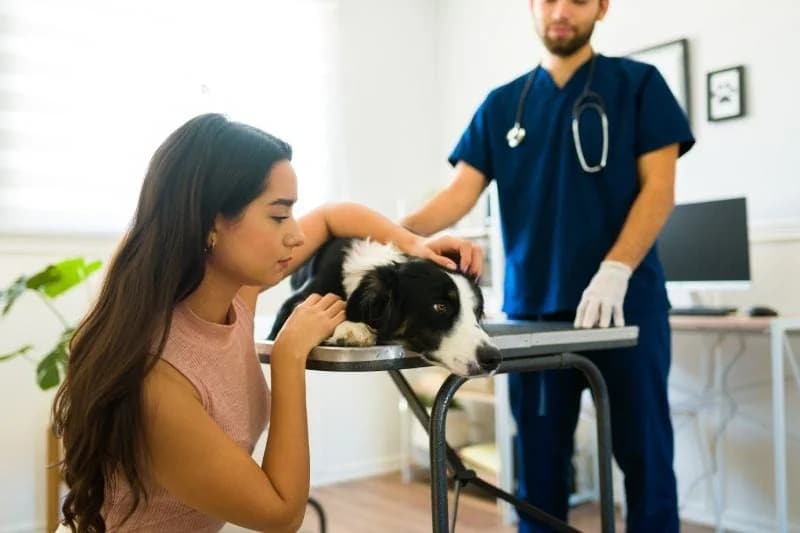
Our vet’s office was wonderful. Murphy slurped up numerous ice cream cups and wagged her tail, thumping next to us. It echoed in the cold room. Once it was time, we all crowded around our sweet girl. I laid my head on her belly, and I felt her last breath and heard her last heartbeat. We left that muzzle on the countertop that afternoon as we left.
This was the hardest thing I have ever had to do. It’s still very raw, and I still question myself.

I still feel shame, guilt, and deep sadness.
People still ask me, “Why?” or “Couldn’t you have just trained her?”
These questions don’t help, and the stigma is so real.
I would never wish this upon someone else, and I will tell anyone, “You have no idea how this feels unless you are in the situation yourself.”
I have had to reach out for support. I have had to reach around and pull in my family close.
Behavioral Euthanasia, I am afraid, will always hold the stigma, but it can be the gateway to the most humane, caring, and loving way to set your sweet pup free. I will hold that within my heart.
“I lost two dogs that day.”
My heart goes out to others who have traveled this same road and come to the same crossroad.
Know you did what was right.
Know you did the most loving and caring thing you could for your beloved pet. I know I did.


Loving Again Doesn't Mean Forgetting
Sometimes I still look for her when I walk into the backyard and towards the tree. I still see that same pesky squirrel swishing its tail and looking at me. I wonder if it is looking for her too.
I am still haunted at night, still in bed at times.
I am still washed over with immense sadness too.
But a smile has returned to my face, and you can hear yip yapping in our household again.
New welcoming wags and sweet snuggles.
I love dogs.
It’s hard to let them go and sometimes even harder to love them again.
I once heard that if you have loved a dog wholeheartedly once before, do it again.
You owe it to yourself and to your new dog who’s out there looking for you.
Expert dog care, straight to your inbox
Vet-reviewed advice, training tips, and the best of Dogster. Free, and you can unsubscribe anytime.
By signing up, you agree to our Terms & Conditions and Privacy & Cookies Policy.
Erica Adamiak is a longtime educator and writer based in Colorado. Erica enjoys writing personal narratives, memoirs and even fiction. Her work is deeply rooted in her personal experiences and she draws from her life and memories. Erica’s writing reflects on family including her doggies, caregiving and aspects of grief and healing. She hopes the voice within her writing will help others relate, understand and connect to. Erica lives with her husband, daughter and two chihuahua mixes Fenrir and Loki. When not teaching or writing, she enjoys spending time with her family, spending time reading and just spending time in nature.
Join the conversation
Ask a question, share your story, or send private feedback.