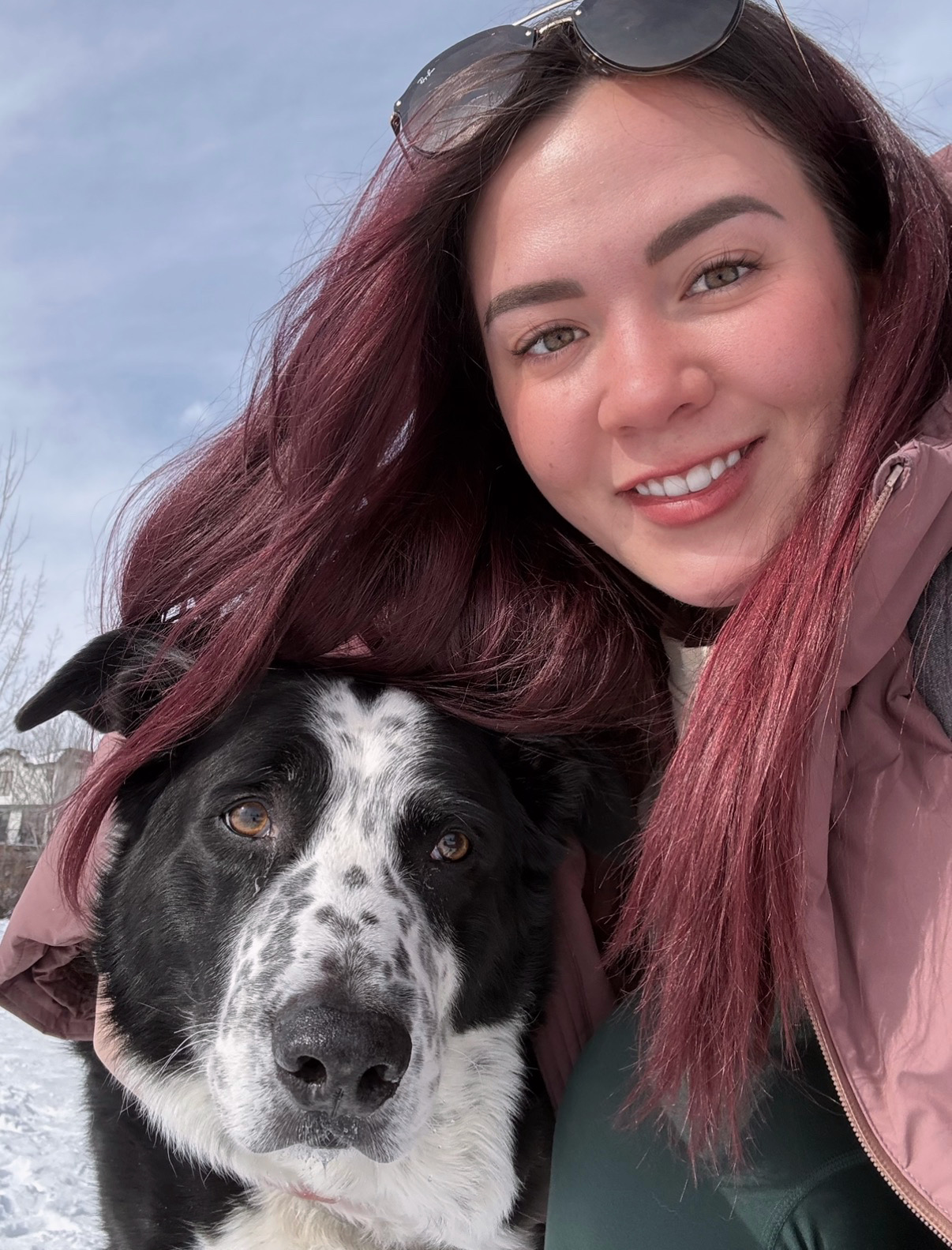
Getting Answers from ER DVM Courtney Deer
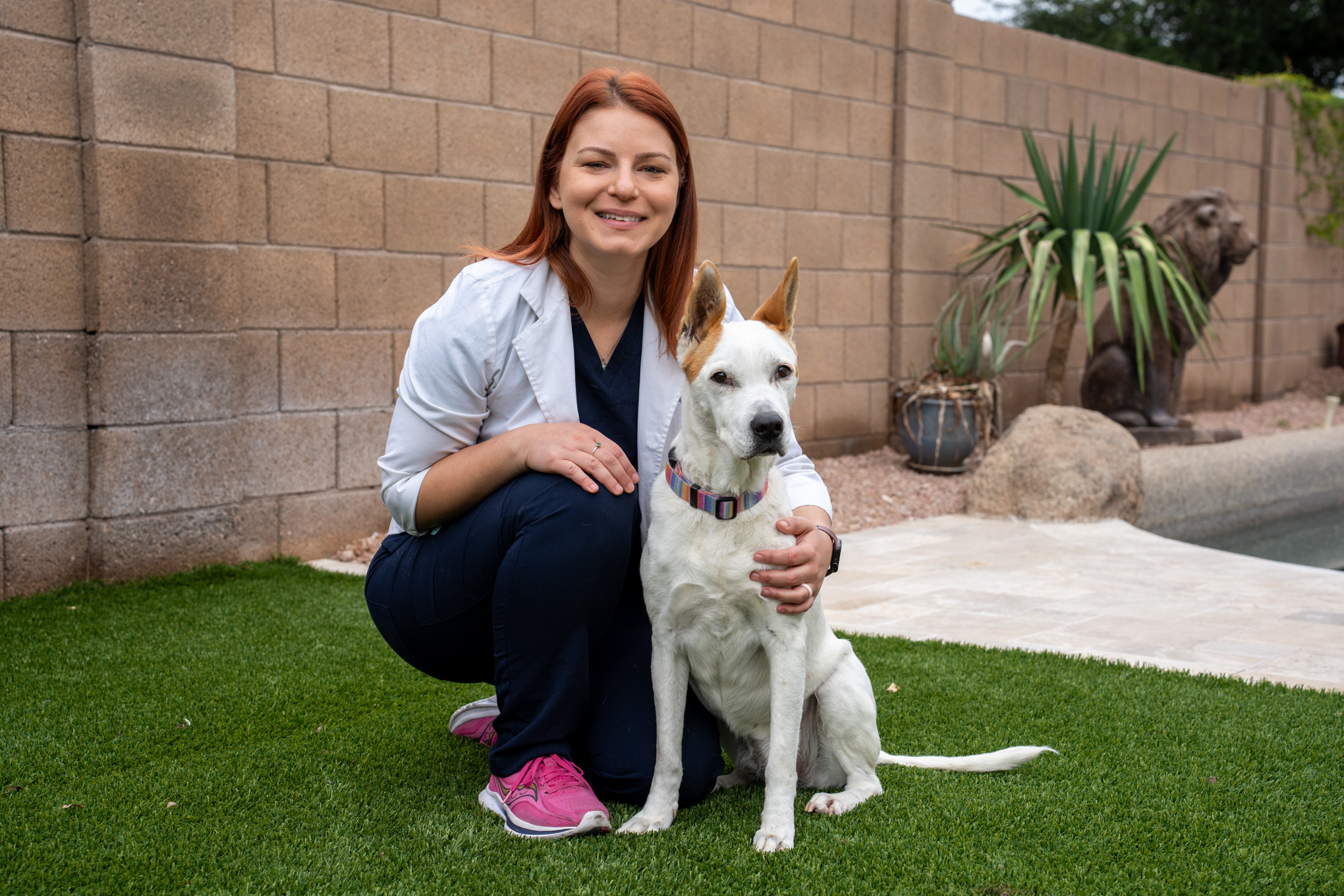
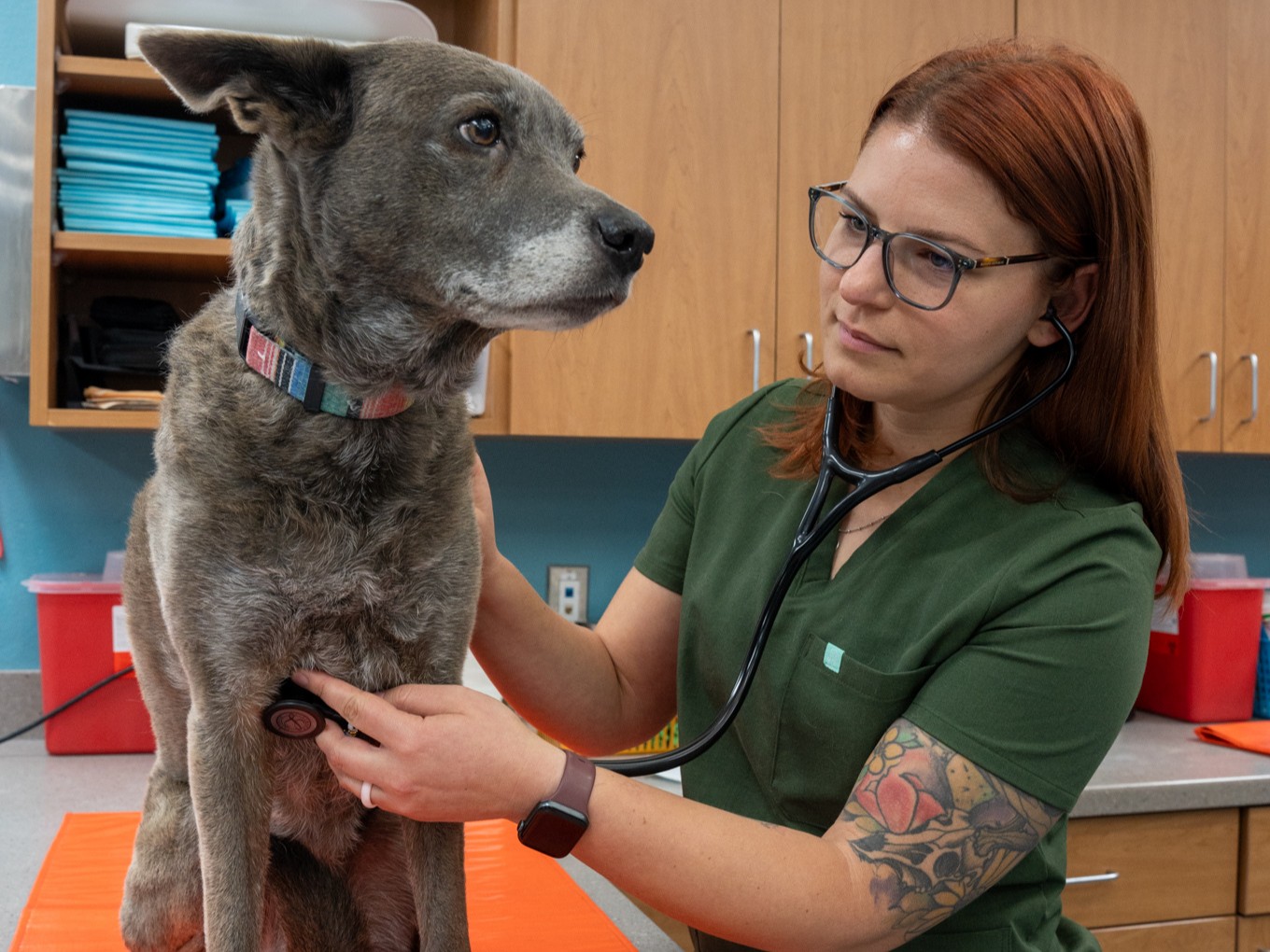
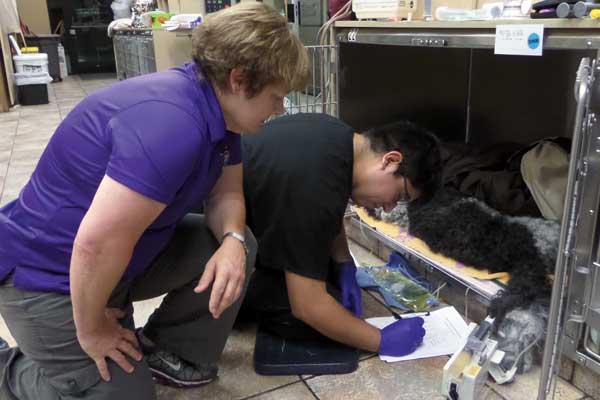
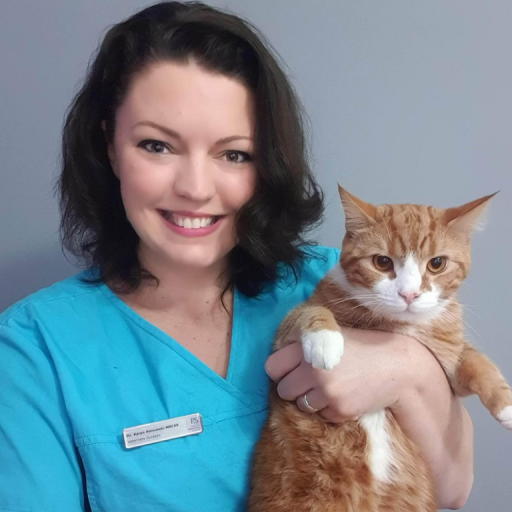
If you’ve seen The Pitt, you’ve got an idea of what happens behind the scenes in an emergency vet hospital. There’s always another case to see, another owner to talk to, another patient to check up on. The biggest difference is that we don’t often refer things. The initial emergency clinician is also the one assessing the radiographs, interpreting bloodwork, performing surgeries, and managing hospitalized cases. It’s not uncommon for me to have a critical ICU patient I’m managing at the same time as I’m working up an ear infection, or about to go into surgery for a C-section.
Anyone who walks through the ER doors gets triaged, and I see what I can. This can be ear infections, severe dog bite wounds, or behavioral issues.
The most rewarding part of working in emergency veterinary medicine? When the patient is feeling good enough to try to bite you!
Initially, I wasn’t sure if I wanted to go to veterinary school. I worked in a boarding clinic attached to a general practice that occasionally let me help on the medicine side, but I wasn’t sold on vet med. I didn’t get into veterinary school my first application round, so I found a job at a local emergency clinic. My working interview was so wild, I realized I’d found my passion!

What are some of the most common emergencies you see?
Emergencies come in waves! Some days are “Diarrhea Day,” where everything that comes in has diarrhea. I had “Urine Day” last week! By far, I’d say GI upsets (vomiting, diarrhea, not eating) are the most common ER cases.

What are some signs that a pet should be seen by an emergency vet right away?
Seizures, protracted vomiting, severe weakness. I think anything that comes on suddenly should be investigated quickly!
If you’re worried, I’m worried. You know your pet best, and if you feel something is “off” – don’t wait! Even if it’s just for an exam or to get vitals, it’s well worth the peace of mind.
What’s a common misconception pet owners have about emergency veterinary medicine?
It’s totally okay to be open about your budget and what you can and cannot do. The ER tends to be more expensive than a daytime practice, and we acknowledge that. Our job is not to judge; it’s to help! If that means stabilizing until your vet can see you in a few hours, let’s do that.

What inspired you to start sharing this side of veterinary medicine online?
I saw a lot of disinformation online. I figured if I was louder, I could drown out the bad advice.
I try to time my posts with real-world presentations. Heat stroke cases in the summer, toxicities around the holidays. Sometimes I just have a really interesting case, and I share it right then and there.

What do you hope pet owners take away from your content?
That veterinarians are humans too! I post a lot of information for other veterinary professionals, and I hope pet owners see the comments and realize how engaged the community is. Here is a group of people talking about vet med on their day off, learning about cases and new studies, and trying to keep up to date on the latest medicine.
You’ve expanded your work beyond the ER through your book and podcast. What inspired you to create those projects?
Veterinary medicine is very science-focused. While we are always learning, there’s a sort of structure to it that doesn’t allow for much movement. My books are a whole different part of my brain, one where I can be creative and silly and make up worlds!
“Another Damn Rescue” is a spicy shifter romcom where a veterinarian finds an injured “dog” on the side of the road, only to realize he’s a wolf shifter. It’s ultimately a love letter to vet med, where I talk about the struggles we face, while also showing the humor and humanity. Oh, and how amazing veterinary technicians, assistants, and receptionists are!
It’s more of a good time, kick your feet up and giggle sort of story! Pet owners might gain some insight into what it’s like to work in vet med in 2026. Veterinary professionals will enjoy seeing themselves accurately represented in media with a happy ever after!
The podcast is an extension of my social media – it’s a resource for other vets when they’re not sure where to go. It’s mostly focused on education for other veterinarians. I bring on specialists and let them pick a topic they feel passionate about. Think of it as continuing education.
Bridging my author identity with my veterinary one is very scary, but also very cool! I’m especially excited about the podcast because I hope to get companies to talk about new products before they launch as well.
Emergency veterinary work can be intense and emotionally demanding. What are some of the biggest challenges of the job?
Fatigue! There’s compassion and ethical fatigue, where we feel helpless in the face of obstacles outside our reach. Some days I think, “I didn’t help anyone today.” And that’s not true; it’s the story we tell ourselves when we’re in that headspace.
Sometimes we need to take a step back and remember that this is that person's worst day. Ultimately, the team is there to help you. While we don’t tolerate abuse, we TOTALLY UNDERSTAND being upset, overwhelmed, having decision paralysis, and everything else that goes along with these scary situations!
Are there any memorable cases, patient stories, or teaching moments that have stayed with you?
I am a pet owner as well as a veterinarian, and I’ve had cases that hit me as a pet owner as well. “I’ve been in your shoes before,” goes a long way for owners in these situations. We’re often told not to interject our opinions, but I am quick to tell owners that I’ve had a pet in the same situation.
What’s your Hot Tip for preparing pet owners for an emergency?
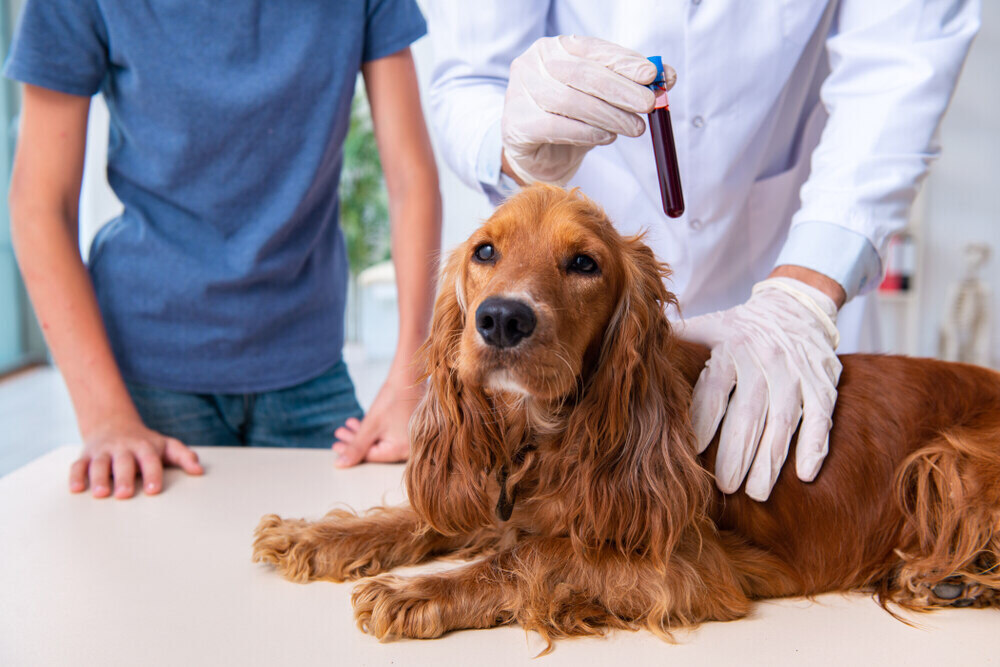
Keep ALL of your records! Ask your vet to email you bloodworkand keep it in a folder. Take pictures of your pet's medications. Walking into the ER and saying “Here’s Fluffy’s last bloodwork” and “here’s the medication Fluffy is on” is SO valuable!

What household hazard, seasonal risk, or common situation do you wish more pet owners knew about?
XYLITOL!! It can cause fatal low blood sugar and liver damage. It’s in sugar-free gum, and lately they’ve been calling it “birch sugar,” so not a lot of people realize it’s the same thing.

What advice do you have for aspiring veterinarians or vet students interested in emergency medicine?
Good mentorship is worth its weight in gold! Even the best veterinary school on the planet will not prepare you to step right into an ER without assistance. Ask for help, and find people who are willing to help you learn.
You can find Dr Courtney Deer on Instagram: @er.dvm.
Expert dog care, straight to your inbox
Vet-reviewed advice, training tips, and the best of Dogster. Free, and you can unsubscribe anytime.
By signing up, you agree to our Terms & Conditions and Privacy & Cookies Policy.
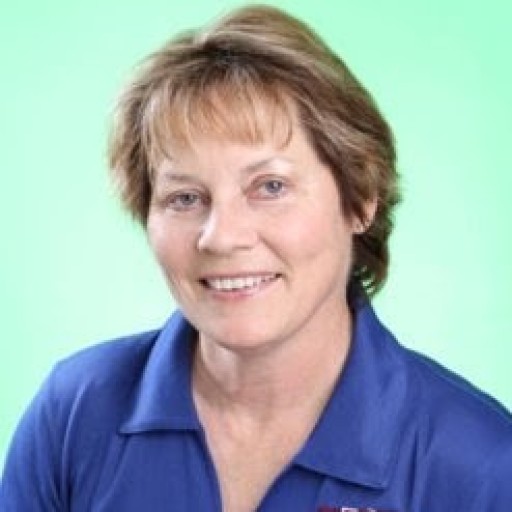
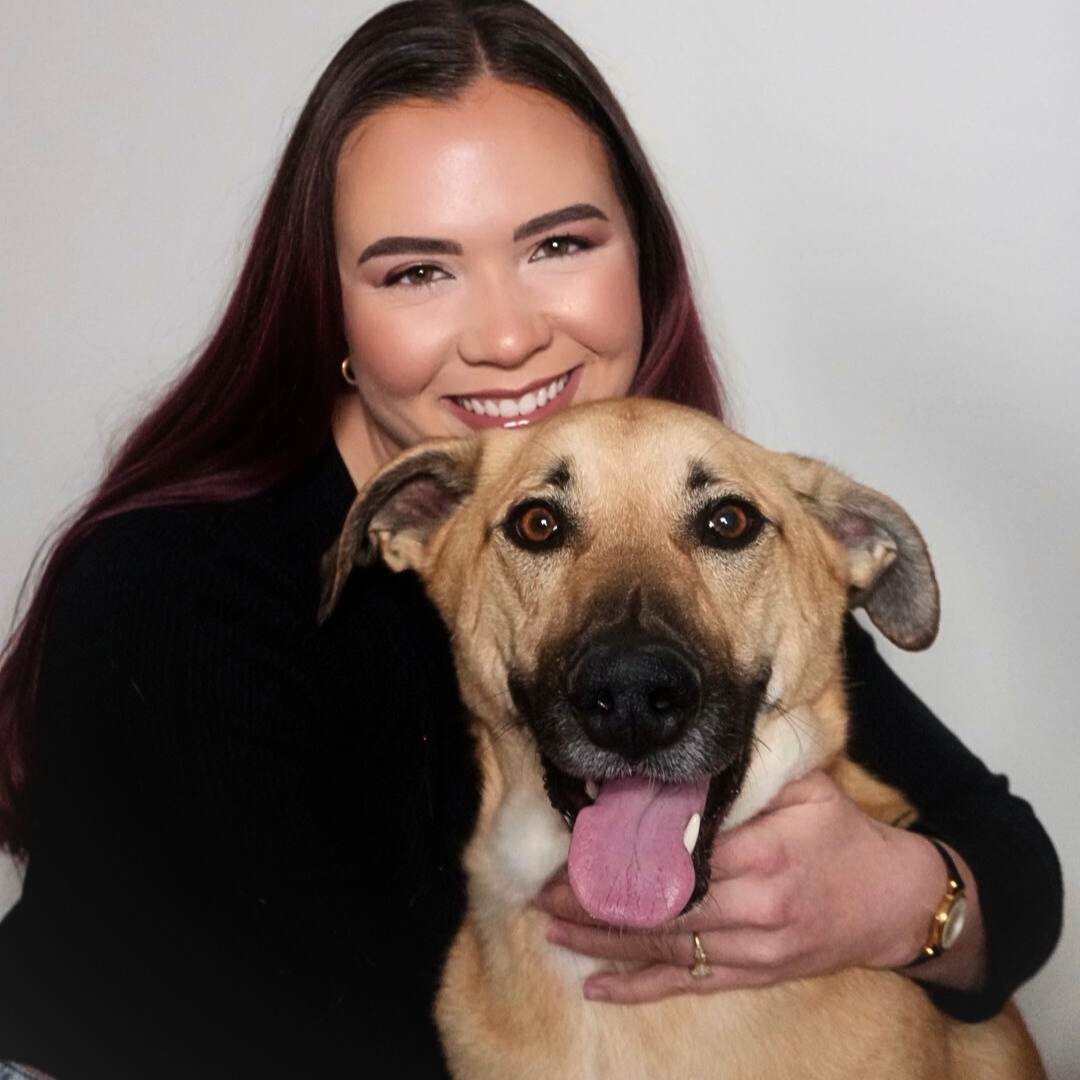
Dr. Courtney Deer is an emergency veterinarian in Phoenix, AZ. She graduated from Mississippi State University College of Veterinary Medicine in 2015, followed by a one-year rotating internship focused on emergency and critical care. She has worked exclusively in emergency medicine since completing her internship. Outside the ER, she is the creator of ER.DVM, a veterinary education platform focused on practical, evidence-based medicine, and the host of the 2 AM Consult podcast, where she interviews veterinary specialists about the cases and questions clinicians face in everyday practice.
Join the conversation
Ask a question, share your story, or send private feedback.