Maltese Dog Breed: Info, Pictures, Facts & Traits

In this article
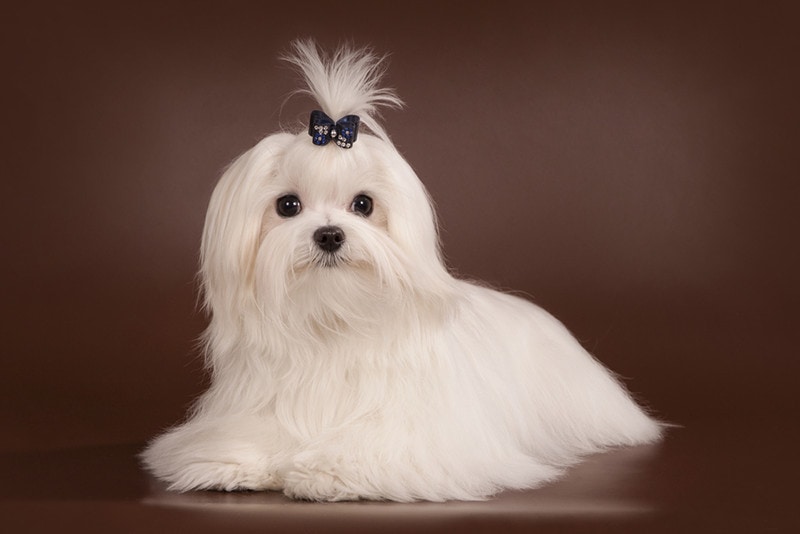
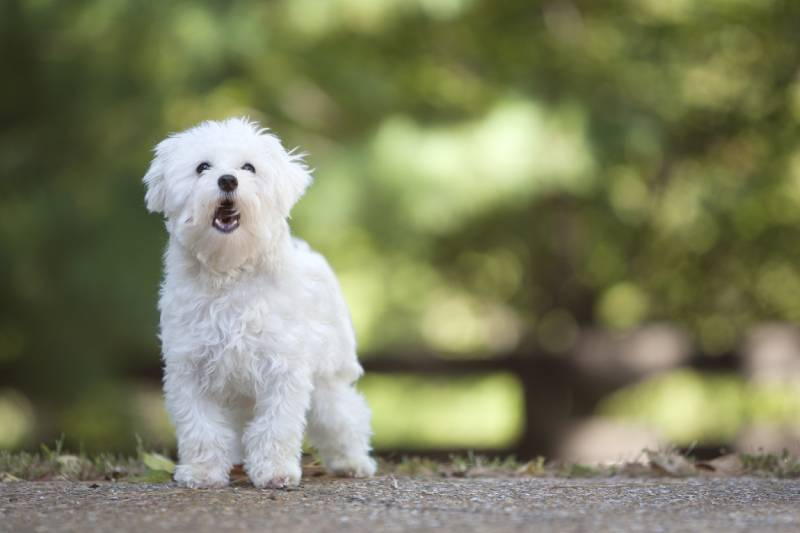
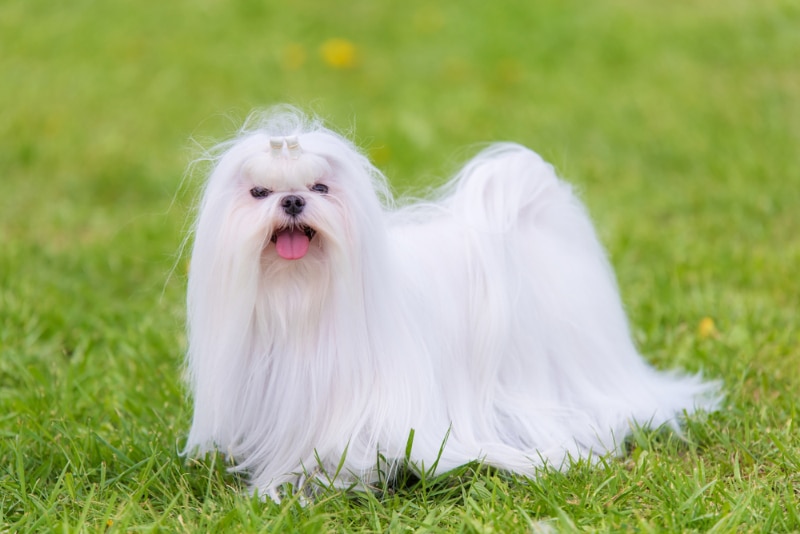
The refined Maltese is famous for their beautiful flowing white coat and good-natured aristocratic charm. This toy-sized fun lover is a family-oriented sweetheart at their core but showcases a dynamic enthusiasm in nearly any household. They’re also quite easy to care for in most ways. If you’ve ever thought about welcoming a Maltese into your home or just want to learn more about them, you’re on the right page! Join us as we dive into everything that you could ever want to know about this elegant ball of fluff.
Breed Overview
Height:
Weight:
Lifespan:
Colors:
Suitable for:
Temperament:
The Maltese is thought to hail from a line of cherished lapdogs that lived on the island of Malta. Their lovable personality won over the whole Mediterranean, and countless depictions and writings about them have survived from the Roman days. Interestingly, nobody can agree whether the modern Maltese dog that we know and love is actually related to the ancient Maltese whose name they bear.
Maltese Characteristics

Maltese Breed Puppies

The Maltese consistently ranks in the top 20 most popular dog breeds. That means you’re more likely to have an easy time finding a puppy, but you may also have to contend with shady breeders trying to capitalize on that popularity. We suggest searching social media for Maltese groups, where owners can help you meet reputable breeders. The AKC marketplace is another great place to look, and you can connect with accredited and screened Maltese breeders across the nation.
No matter where you search, you should always do your due diligence when contacting and interacting with breeders. Dishonest puppy mills treat their dogs poorly and keep them in unsanitary conditions while skimping on vital health screenings. It can be hard to tell a good breeder from a poor one at a glance, but there are some ways you can tell the difference.
Tips for Locating a Quality Maltese Breeder:
Temperament & Intelligence of the Maltese 🧠
The Maltese is a zesty, bold, and people-oriented breed that loves to be the star of the show. They’re a little less hyperactive than you’d expect and love to please you more than anything. Maltese bond closely with their families and don’t like strangers, which you’ll learn from their fierce bark. They’re big dogs in small bodies but have such tail-wagging swagger that you can’t help but find them irresistible.
Maltese are naturally eager to please and have an amicable, if gregarious, charm that can win just about anyone over. They’re smarter than they let on and sometimes have a wicked sense of humor that’ll keep you on your toes. Despite all that, Maltese will go where you go. They’re happy to be a couch potato snuggled up on the couch or trot alongside you on a light walk.
Are These Dogs Good for Families? 👪
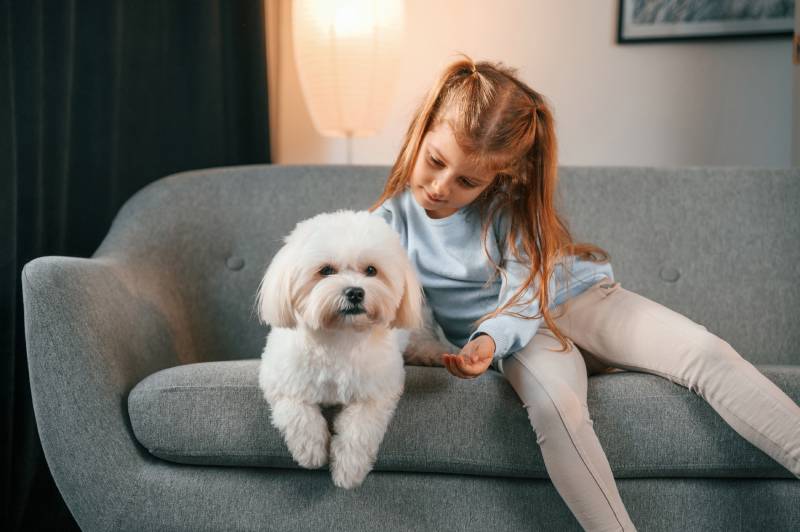
Maltese can be great family pets, but they can be impatient with kids, so we definitely recommend supervision. Early socialization with firm boundaries around children helps set their behavior up for success. They’re quite playful and loving to all family members but can be a little snappish. This varies by individual personality a lot—some are more patient and tolerant while others are reserved and standoffish. Meeting the puppy and their parents helps you gauge the type of temperament they’ll have, but you can never be certain.
It’s also important to teach your little ones the importance of gentle handling because Maltese are quite fragile. Ground rules for proper interaction on both the human and dog side are needed to keep everyone safe.

Does This Breed Get Along With Other Pets? 🐶 😽
Yes, Maltese get along famously with other furry housemates but need your help supervising because they don’t know their own size! It’s easy for a Maltese to get hurt playing with other dogs, particularly breeds with little tolerance for their shenanigans. Early socialization is required to teach them the proper boundaries for play and when to chill out. They can become “too much” at times, and you’ll need to be there to identify when playtime is over.
Things to Know When Owning a Maltese
Food & Diet Requirements 🦴
Maltese are dainty but still need the highest quality nutrition to stay happy, healthy, and lively. About 20% to 24% protein is ideal for a Maltese, with puppies needing 28% to 32% protein to fuel their growing bodies. Choose a small kibble made for delicate toy-sized mouths and teeth. Big, chunky kibbles could harm their teeth, so always check that before buying.

Exercise 🐕
Maltese are only moderately active—30 minutes to an hour per day should be fine. You can start by splitting playtime up into breezy walks or lighthearted romps in the house or outside. This breed is great for apartment dwellers, and it’s not hard to tucker them out if you stay on a regular routine. They behave well on the leash and are quick to learn tricks with the proper incentive (food). Short, daily training sessions to work on commands help keep their brain active.
If left to their own devices, Maltese can get mouthy and start chewing items around your home. This makes mental enrichment just as important, especially if your Maltese spends much of their time indoors. Training alone won’t cut it. We recommend mental games, like hide and seek, or enrichment toys, like snuffle mats or Kongs that you can stuff with delicious peanut butter (xylitol free).
Training 🎾
Maltese are intelligent and trainable, and they learn commands fairly quickly. The catch is that they can be stubborn when they don’t want to do something, requiring some patience on your part. Your best behavioral tool during training is consistent positive reinforcement. For example, start by rewarding your Maltese for responding to their name as a puppy. Once they get that down, you can move to more basic but still important commands like sit, stay, or heel.
Extensive but careful socialization is vital to forming a more well-rounded Maltese. They’re well-mannered dogs in general, but they’re known for being willful. Begin socializing by taking your dog out on their leash and observing their reaction to stimuli like strangers, other dogs, and other animals like birds. If they bark or tug on the leash around another dog, for instance, stand still like a statue and appear indifferent. When they calm down, praise and reward them. You don’t have to use treats all the time, but they certainly do help streamline the process!

Grooming ✂️
Maltese are not a low-maintenance dog when it comes to grooming. Their long, showy coat requires two or three full brushes per week to stay presentable. Even short puppy cuts require weekly sessions with a sturdy double-sided brush! We suggest misting the Maltese’s coat during your grooming sessions to prevent it from getting too dry. Every 2 to 3 weeks, you should bathe them with a gentle dog shampoo with nourishing ingredients for their sensitive skin; we like this one with oatmeal, cucumber, and aloe.
Maltese shed less than you’d think, but they still shed a lot during spring and fall shedding seasons. Be prepared to brush them more often during these times, and consider investing in a vacuum with a HEPA-rated filter to suck up allergens floating around. If anyone at home suffers from allergies, this is a must.
Health and Conditions 🏥
Maltese are usually healthy dogs that live a long 12 to 15 years. Good breeders screen for the most major health conditions they inherit, but you can’t ever rule them out 100%. Even the healthiest Maltese can suddenly have problems appear.

Male vs. Female
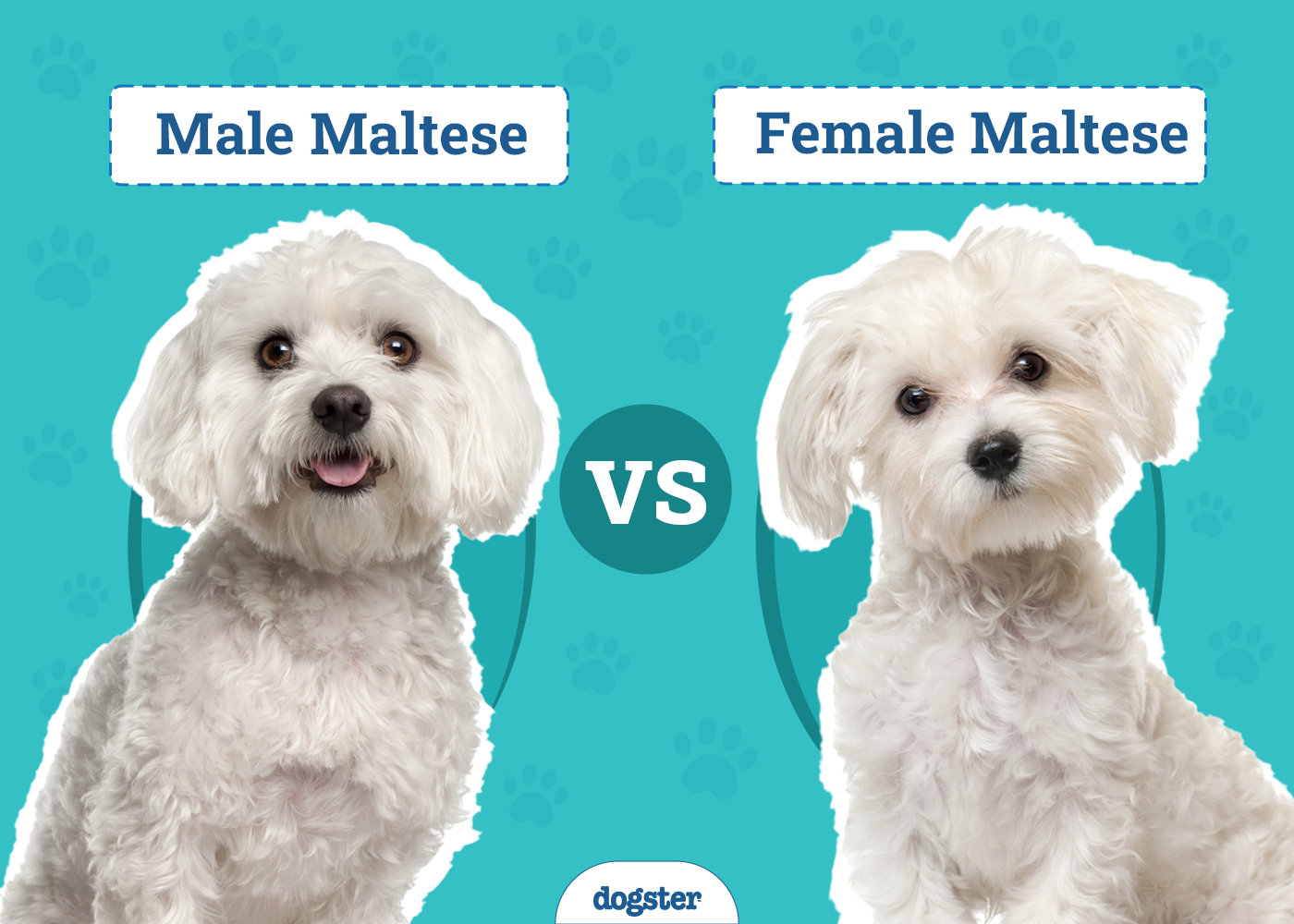
Male Maltese are a little larger but slower to grow than females, which fill out smaller when fully grown. There are a few major differences as far as personality. Males are more likely to mark and run away if not neutered. Thankfully, males are a bit cheaper to neuter than the corresponding price to spay a female.
3 Little-Known Facts About the Maltese
1. Maltese May Not Be Real Maltese
We call them Maltese, and some think they are from Malta, but others aren’t so sure. Historians have yet to identify a concrete link between the ancient Maltese kept as pets by the Romans and Hellenistic Greeks. As far as we can tell, the modern Maltese is most closely related to other fluffy breeds, like the Bichon Frise and Havanese.
2. Celebrities Love the Maltese
Countless celebrities across the eras became smitten with the Maltese. Elizabeth Taylor, Elvis Presley, Marilyn Monroe, Frank Sinatra, and Patrick Stewart are a few household names who have owned Maltese pups. Marilyn Monroe’s Maltese was even given to her by Sinatra as a gift.
3. They’ve Had a Host of Names
As to be expected with an ancient breed, the Maltese has been called by a lot of different names through the years and across the globe. Maltese Terrier, Maltese Lion Dog, and Ancient Dog of Malta are just a couple of the most impressive they’ve gone by.

Final Thoughts
Maltese are one of the top dog breeds in the world for a good reason, between their flashy coats and vibrant presence. They take some grooming work to keep presentable but otherwise make some of the finest lapdog family companions you can own.
Sources
Featured Image Credit: SasaStock, Shutterstock
Expert dog care, straight to your inbox
Vet-reviewed advice, training tips, and the best of Dogster. Free, and you can unsubscribe anytime.
By signing up, you agree to our Terms & Conditions and Privacy & Cookies Policy.
Codee Chessher is a freelance writer whose motto is: there is nothing a well-worded sentence can't accomplish! He loves to write about pets, travel, DIY, and more. Codee's experience is varied, but the written word has always been his strongest and biggest passion.
Join the conversation
Ask a question, share your story, or send private feedback.