How to Teach a Dog to Roll Over: Vet-Approved Step-by-Step Guide

In this article
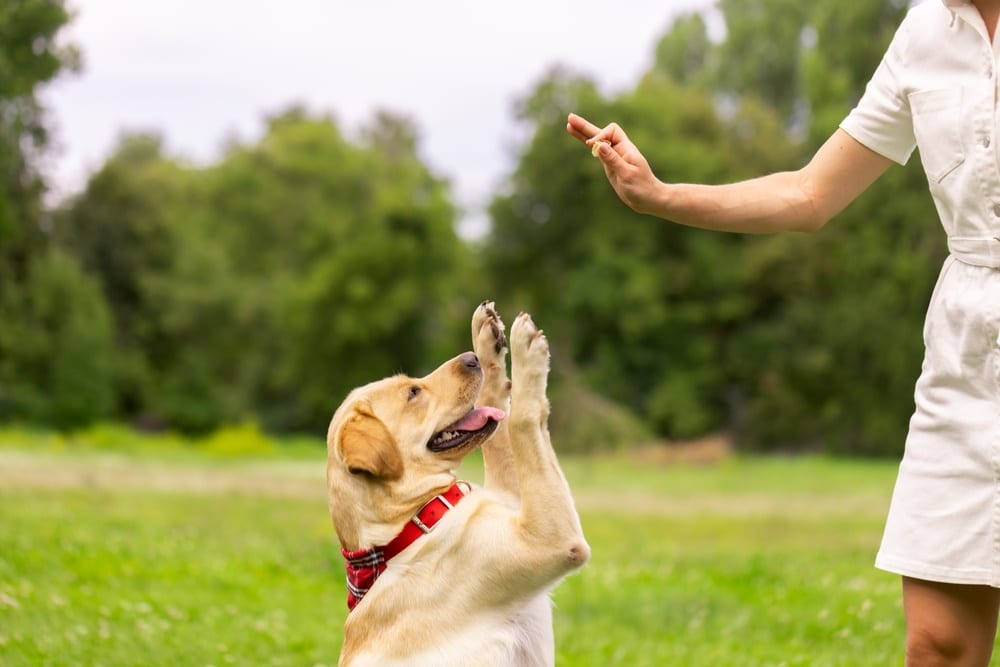
“Roll over” is a complex command that builds on basic training. It is often one of the first complex tricks dogs learn. Almost any dog can learn to roll over, it just takes some time. Teaching a dog to roll over is a good exercise in obedience and trick training. Besides, since this is a fun, crowd-pleasing trick that will bring joy and wonder to your friends and family. Teaching your dog a complex trick like this can help bring in some new challenges and add variability to their repertoire as well. Here is how to teach your dog to roll over in eight easy steps, plus some information about what to expect.

Preparation
Teaching a dog to roll over does not require any major investments or supplies. You just need a good bucket of training treats and some patience. Here is what you will need before getting started and what you can expect during the training process.
What You Will Need:
The 8 Steps to Teach a Dog to Roll Over
1. Teach Your Dog “Down” or “Lie Down”
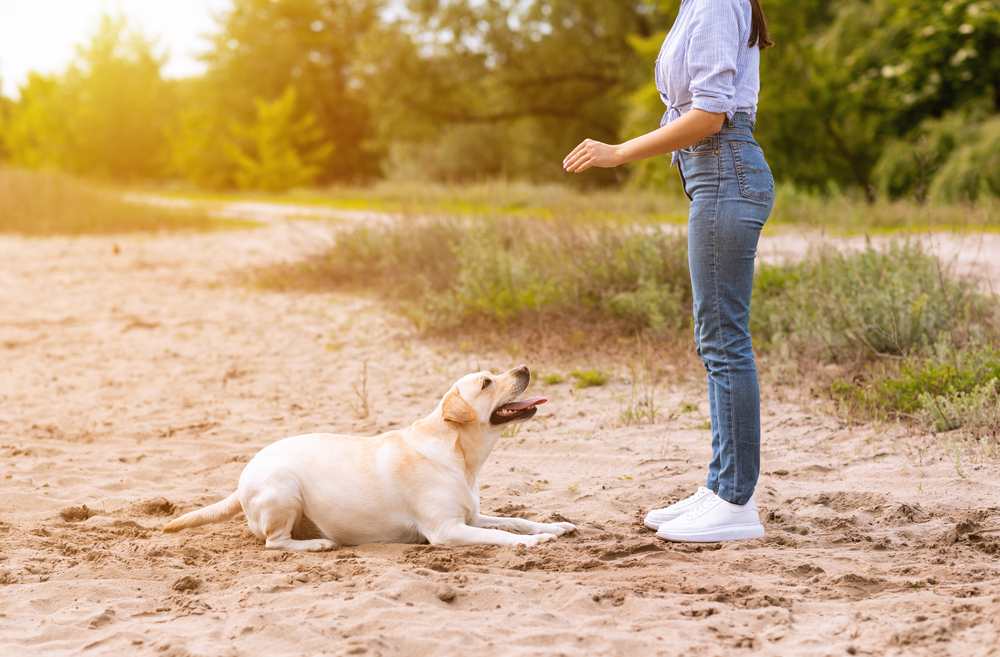
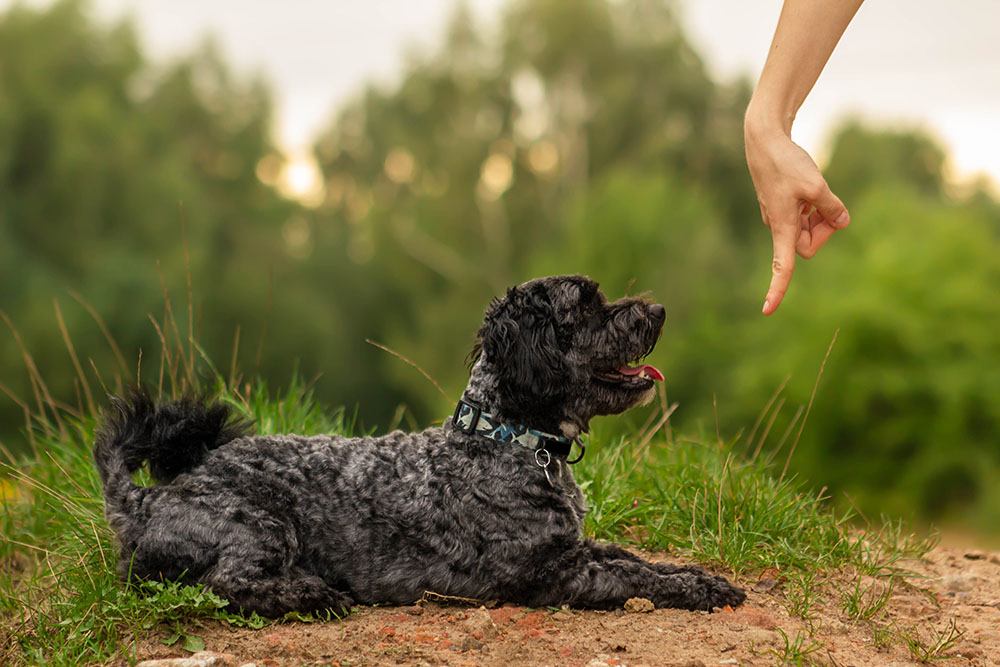
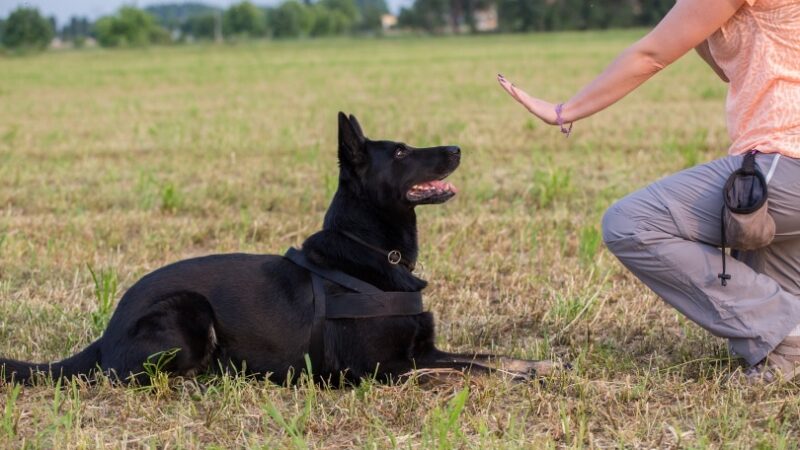
The first step to teaching your dog to roll over is actually to teach them to lie down. In order to get your dog in the proper position to learn how to roll over, they must be able to lie down on command. Rolling over must start with your dog lying on their stomach, preferably with their paws out in front of them. This is the reason why “roll over” is considered a complex command; it requires knowledge of a previous command to pull off. As dog training progresses and gets more advanced, tricks and commands build off one another toward more elaborate results. Lie down is one such step needed for a dog to roll over.

2. Get Them to Lie Down and Offer Them a Treat
Once your dog can lie down on command, you can start training the rollover behavior. Once your dog is lying down, offer them a treat. Let them sniff it and then give it to them. Then pull out another treat but do not give it to them yet.
3. Move the Treat Until They Roll Over Onto Their Side
Now, you want to let your dog sniff the next treat, and then you move the treat over to one side. Your dog should instinctually follow the treat until they are lying on their side. Once they are lying on their side, give them the treat. Repeat this process a few times.
4. Move Treat Until They Roll Over Onto Their Back
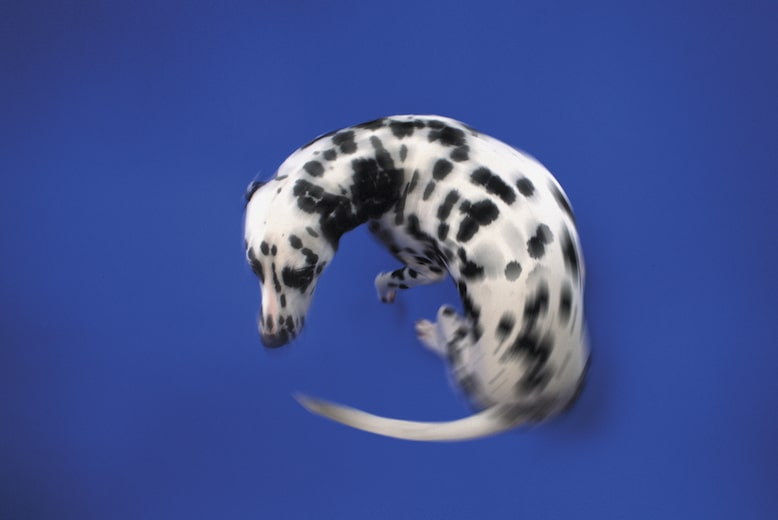
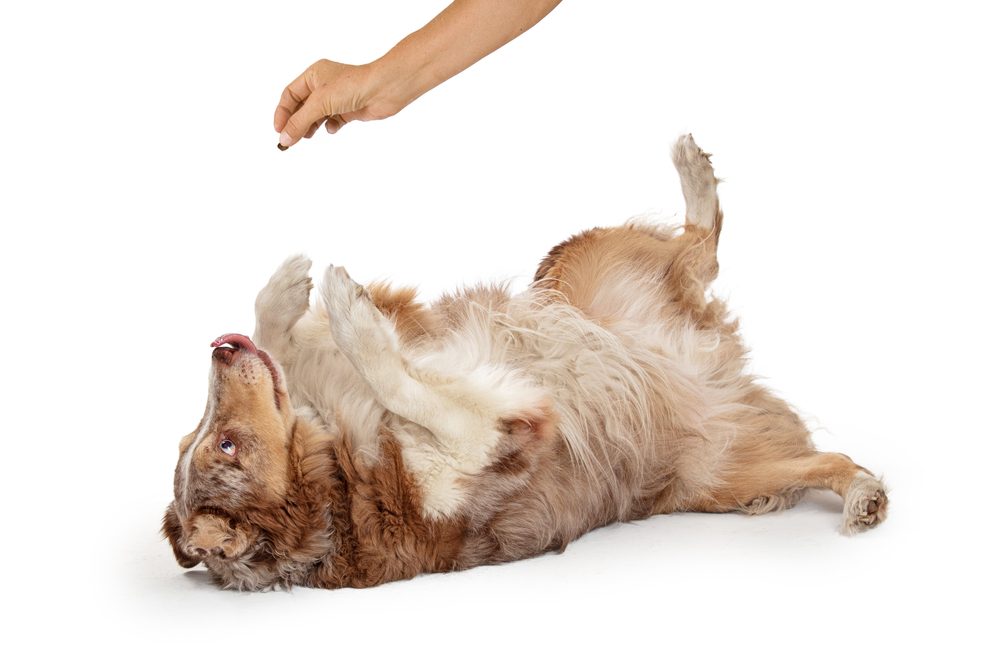
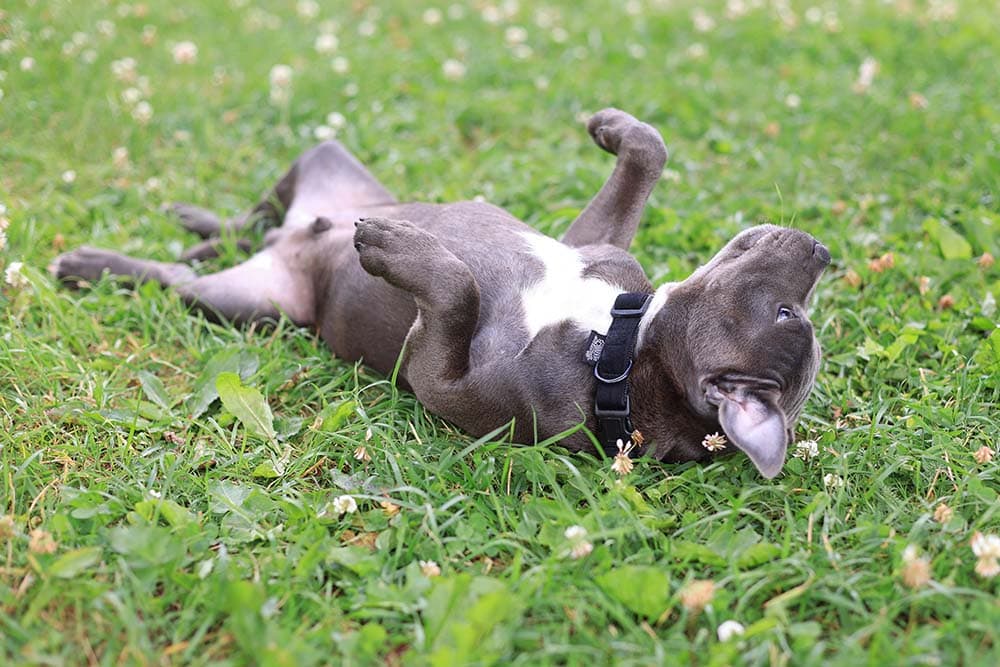
The next step is to do the same thing as above, but this time, you are going to keep moving the treat. Once your dog is lying on their side, you need to move the treat over your dog so that they follow it and roll onto their back. Give them the treat once they are lying on their back. Repeat this process a few times so that they follow the treat onto their back consistently.

5. Add the Verbal Cue “Roll Over”
Now, it is time to put it all together. You are going to use the same method of making your dog follow the treat. At this point, they should be conditioned to follow the treat until they are lying on their back. You want to keep moving the treat again until they roll back onto the opposite side, thus completing the roll over. Some dog trainers suggest that you should physically roll your dog over by hand the first few times to demonstrate exactly what you mean. However, sometimes dogs will think that they are being rewarded for being flipped over by you rather than doing it on their own. Try both methods and see which way gets your dog to understand better. Once your dog starts to get the roll over motion down, you want to add a verbal cue. Most people choose to use “roll over,” but you can use whatever verbal cue you want as long as you stay consistent. Start getting your dog the treat as they roll over and use your verbal cue while they are doing it.
6. Repeat, Practice, and Praise
Once you and your dog understand the basics, it is time to practice. This process can take a number of days to fully sink in. Repeat this process until your dog starts to do it more fluidly. Always reward them with treats when they complete the task, and make sure you are using your verbal cue. If you plan on doing extensive training, you might want to consider getting training treats that have reduced calories to prevent your dog from getting too many extra calories on a daily basis (as that can contribute to obesity). The keys to effective dog training are to be consistent, be positive, and practice regularly.
7. Add a Hand Sign (Optional)
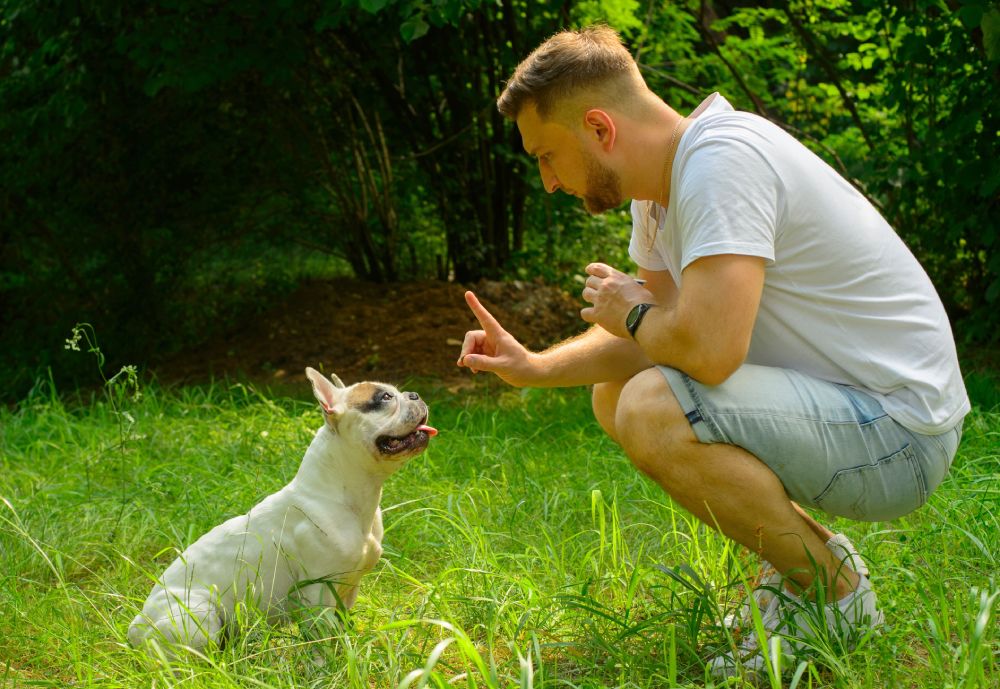
Some people like to use hand signs to train their dogs. You can use a hand sign for roll over (usually a twirling motion) if you choose. You want to add in the hand sign with the verbal cue to start. In order to get the hand signal to stick, you will want to slowly reduce the use of the verbal cue until they know both the hand sign and the word. Some dogs might take to hand signs better than verbal cues, so use whatever works best for your particular dog. Being attentive and learning to respond to different signal presentations helps to provide variability and mental stimulation to your dog while developing their attention skills.
8. Gradually Reduce Treat Usage
Once your dog seems like they have the trick down pat with treats, you want to start to reduce the number of treats given. If they roll over on command or follow a hand sign, you don’t need to reward them every single time they complete the trick. Treats are a great way to communicate during the training process, but eventually, through repetition and building a reinforcement history, the trick should stick. Your dog should be able to roll over on command even without any incentive. Just don't forget your words of praise and cuddles to let your pup know they are doing a great job. We still advise you to randomly reinforce their response to every signal here and there with an unexpected treat, especially when their performance is good and their response is immediate. This will help to ensure your pup stays motivated, and participating with you will be perceived as a positive experience and the opportunity to get lucky!
Conclusion
These steps should allow your dog to learn how to roll over. Roll over is a fun trick that is sure to delight your freinds and family. Some dogs will take to this type of complex training better than others. Always be patient and consistent with your dog. You should also try to end training on a happy note whenever possible. Given enough time and effort, any dog should be able to learn how to roll over if they are physically able to do so.
Related stories:
Sources
Featured Image Credit: Valeria-Boltneva, Pexels
Expert dog care, straight to your inbox
Vet-reviewed advice, training tips, and the best of Dogster. Free, and you can unsubscribe anytime.
By signing up, you agree to our Terms & Conditions and Privacy & Cookies Policy.
Join the conversation
Ask a question, share your story, or send private feedback.