How To Potty Train A Corgi: 10 Vet-Verified Tips & Tricks


Corgis are known for being intelligent, happy dogs that are always willing to learn. As part of the heeler working dog type, they have a high propensity to follow commands, which can be great for trying to potty train them.
Corgi puppies can be easier to train than adults in potty training. However, once you begin teaching adults, you'll start to notice any bad habits they might have and can begin to work on breaking them. This article will look at 10 tips on how to successfully potty train your Corgi at any age, including what to look out for if you're having problems.

Before You Begin
Before you potty train your Corgi, it's essential to set goals and make a plan. Planning can help you make a timeline and keep a positive attitude regarding your Corgi's potty training.
Another important factor before you begin is getting everyone in the family on board since consistency is critical when it comes to potty training. If one family member doesn't allow them to use puppy pads and another does, this will confuse your Corgi.
It’s also helpful to prepare a crate for potty training. We will explore how crates improve potty training success below.

How to Potty Train a Corgi
1. Get on Schedule
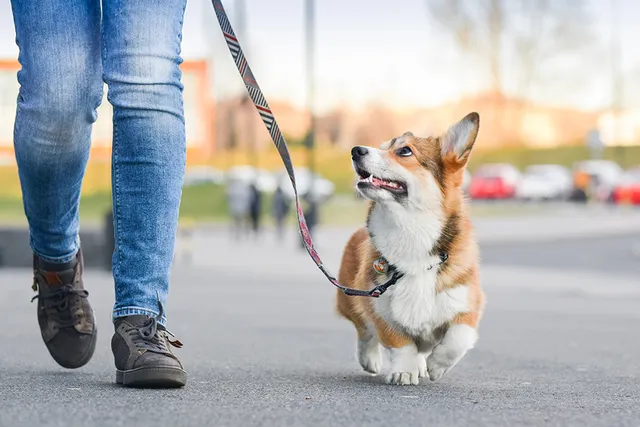
If your Corgi already has a schedule (such as wake-up time, daily walk times, etc.), it's crucial to figure out where potty training will fit into this mix. Setting up feeding and walking schedules can help your dog anticipate what comes next in their day, particularly as dogs often need to go to the toilet after they've eaten.
Prepping your Corgi this way can help make the beginning of potty training less stressful and set them up for success.

2. Show Them Where to Go
One thing often missed regarding potty training is showing your dog where to go, such as outside or on puppy pads. Dogs aren't born knowing they should be using the bathroom outside.
Once you decide where your Corgi is allowed to go, stick to it. Changing toilet spots confuses your dog and can set you back in potty training. You should also ensure the toilet area is accessible. An older Corgi may have problems getting down steps due to mobility issues, and the same may be true for a puppy if you have steep steps in your yard.
3. Puppy Pads—to Use or Not to Use
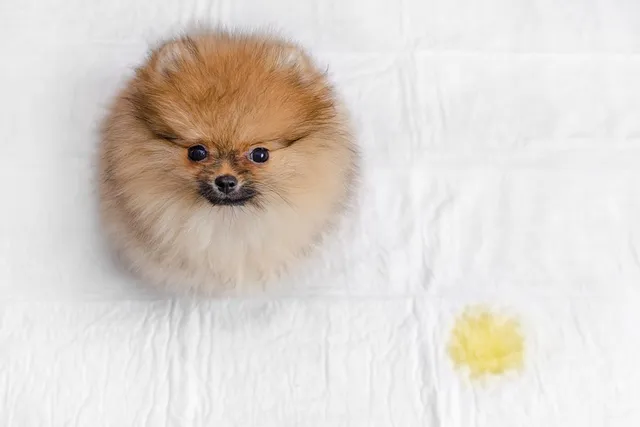
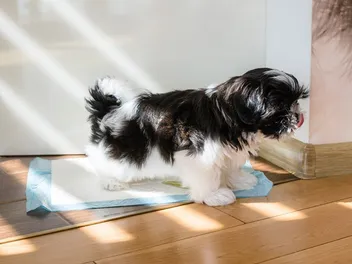
Puppy pads can be good for certain situations, but if you're at home, it's best to let your Corgi go outside. However, puppy pads can be good in the interim, particularly if you work away from home and need to leave your pup for longer than a few hours.
Puppy pads can also be used for puppies during the winter, as they can often get too cold and uncomfortable going outside, which can even be dangerous.
Puppy pads can be confusing when toilet training, since you give them more than one option. In any case, you might decide that puppy pads are the way to go. Using pads can be a hard habit to break, but it can be done; gradually moving them toward the outside of the home and eventually outside can phase them out.

4. Bladder control
The American Kennel Club states that dogs can control their bladders for the number of hours corresponding to their age in months. For example, if you had a 4-month-old Corgi puppy, they could probably hold their pee or poop for around 4 hours.
However, this should only be calculated for dogs up to 6–8 months of age; controlling their bladders for 9 to 12 hours is not appropriate!
Use this advice with discretion and ensure that your dog has plenty of opportunities to go to the bathroom throughout the day, particularly when potty training. Make sure to spend time establishing their limits.
Their bladder control is also age-dependent, as older Corgis may have more bladder control than younger ones. They'll need to be retrained to hold it, especially when incorporating toilet breaks into the schedule. Letting them out to go immediately after playing or waking up can be a great way to observe your Corgi and figure out how long they can hold their pee and poop comfortably.
5. Watching Your Corgi
Observing your Corgi and watching for the signs, such as squatting, sniffing, and circling, can be a great tool to use in your potty-training tool kit. This means you can catch any accidents before they happen and establish their bathroom schedule.
Some dogs will need to potty if they get too excited, such as during playtime. Other dogs with previous experience with potty training might even scratch at the door or make noise wanting to get out, which is a good sign that they need to go!

6. Look at Their Food
Corgi puppies all have immature gastrointestinal systems, so they're fed little and often. This means they'll need to go outside more than older dogs will. In addition, a poor-quality diet can increase the amount of feces a puppy or dog produces, as they contain bulking agents and non-digestible material. High-quality food should reduce bowel movements and help with potty training, even in older dogs.
However, changes to food, food allergies, or some intolerances can also cause problems such as diarrhea, meaning more accidents in the house that are not your Corgi's fault. Taking them to the vet can help to rule out any problems if your Corgi has diarrhea, and the use of puppy pads in the meantime can help prevent accidents and more cleaning.
7. Motivators & Praise
Motivators are what your Corgi will want the most and will work hardest to receive. Some dogs love praise, and others love a treat or a nice new toy. Positive reinforcement and praise go a long way; Corgis love to please, and many are food-oriented. However, if they are food motivated, ensure they get only a few treats.
Corgis are prone to obesity, and excessive treats can also cause upset tummies. Never scold or shout at your Corgi if they do have an accident. This is ineffective and will only confuse and upset them as they can't understand what they've done wrong. If they have an accident, make no fuss at all, but reward them when they go in the right place.

8. Clean Accidents Thoroughly
If your Corgi has an accident inside, make sure you clean the area thoroughly. Dog pee and poop contain scents and pheromones that they use for marking, which can linger once the mess is cleaned up. These can signal that it's okay to potty in that spot in the future, causing recurring accidents and confusion on your Corgi's part.
Enzymatic, pet-safe cleaners are the best products to help eliminate any smells and traces of the accident. Blot any liquids first and then scrub the patch with the cleaner afterward (always follow the manufacturer's instructions) to eliminate the odor and stain.
9. Prevention is Best
It is easier to prevent any potty-training accidents from occurring rather than dealing with the mess afterward. If you see your Corgi preparing to potty indoors, pick them up and take them to their designated pee and poop spot as fast as possible. Give them lots and lots of praise if they do go outside! Positive reinforcement is critical.

10. Health Needs
Some Corgis have health problems that affect their toileting habits. Problems such as arthritis, digestive issues, or even lethargy and depression can cause hiccups in your potty-training program. There are solutions to this, such as using doggy ramps, providing positive reinforcement, and diet changes.
However, if you've noticed gastrointestinal or urinary issues in your Corgi, take them to the vet. The sooner you treat these issues, the easier potty training will be. Ensuring regular exercise will burn off excess energy and allow them to focus, since Corgis are working dogs.
If you are concerned about your Corgi's health, we suggest speaking to a vet.

How Long Does Potty Training Take?
This heavily depends on the situation and the age of your Corgi. Unfortunately, some rescue Corgis have had bad experiences with potty training or past owners in general. Each Corgi is different; some can take days to potty train and pick it up quickly, and others can take months.
It's essential to persevere and keep to a schedule, but you should consider other options if your situation changes. For example, if you suddenly must go back into the office after working from home, a dog sitter can give your Corgi many opportunities to go to the toilet. Even taking them into the office can mean you can continue your potty training!

Why Are Crates So Important When Potty Training
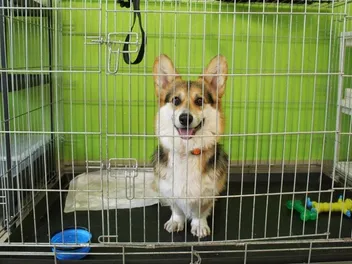
Crates act as a den of safety, comfort, and warmth for your dog. A dog's crate should be a place of happiness, not punishment, so be sure never to send your dog to their crate if they've misbehaved.
The crate should be just the right size for your Corgi to be effective. It should always be big enough for them to stand up at their full height, turn around, and lie down, meaning they won't have a place to go to the bathroom inside. Training them to hold their pee and poop in their crate can improve the dog’s bladder control.
Conclusion
Potty training your Corgi can take some time and effort, but it is ultimately rewarding as you teach them to go potty in a safe, clean, and appropriate place. Some factors, such as age, past experiences, and health problems, can affect this, but you can overcome all of these with a good schedule and positive reinforcement.
We hope you found these tips on potty training your Corgi helpful, and we hope you'll have many accident-free days ahead of you!
See also:
Featured Image Credit: Masarik, Shutterstock
Expert dog care, straight to your inbox
News, insights, expert advice, and everything dog.

No spam — unsubscribe anytime.
By signing up, you agree to our Terms & Conditions and Privacy & Cookies Policy.
How useful was this post?
Click a star to rate. You can leave written feedback afterwards. (We read all feedback.)
Nicole has loved animals of all sizes her whole life so it's no wonder she has dedicated her career to helping them through what she loves best: learning, writing, and sharing knowledge with others. She’s the proud mom of two dogs, a cat, and a human. With a degree in Education and 15+ years of writing experience, Nicole wants to help pet parents and pets around the planet to live happy, safe, and healthy lives.