How to Become a Guide Dog Trainer: 5 Vet-Verified Steps & FAQ


In this article
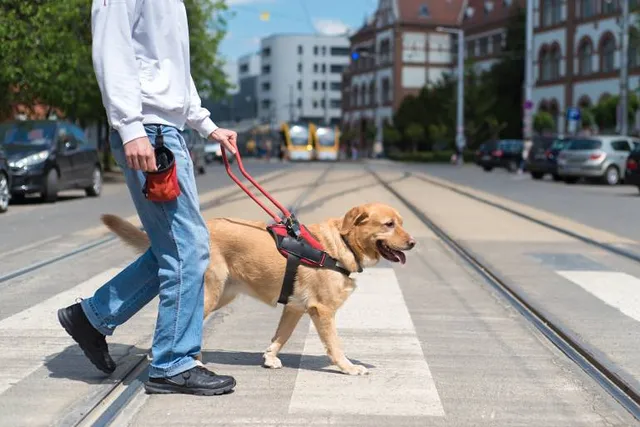
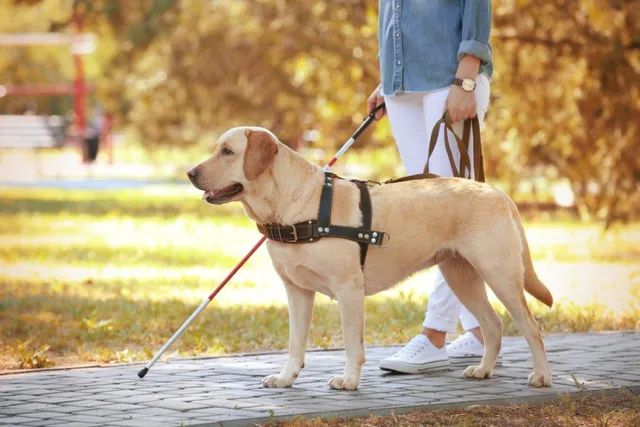
Becoming a dog trainer is already one of the most fulfilling ways for animal lovers to spend their time, but in some capacities, their work can even change a person’s life. Guide dog trainers bring sight to the blind, teaching devoted canine companions to assist their handlers in navigating their world, regaining their independence, and enhancing their quality of life.
If you’re interested in this opportunity to help the canine community and those in need, we’ll explain how you can become a guide dog trainer.

The 5 Steps to Become a Guide Dog Trainer
Guide dog training requires knowledgeable, skilled instructors who undergo various stages of schooling. More important than anything, trainers must be dedicated to the work and exhibit a sincere motivation to work with dogs and help the visually impaired. If you have the attitude and aptitude for the job, you can follow these steps to become a guide dog trainer.
1. Get Educated
A high school degree or GED is generally the minimum qualification to become a guide dog trainer. A degree isn’t always required, but a college education in animal science, orientation and mobility, or occupational therapy will expand your possible landing spots.

2. Gain Experience
Before you can take your first steps to becoming an instructor, guide dog groups look at experience working with dogs. Any prior relevant work helps. In most cases, you can work with an obedience school, rescue, or other animal welfare organization, caring for dogs to gain handling experience.
Look into opportunities as a “puppy walker” for the guide dog association. This is a lot of time and commitment as you will be caring for the dog through their first year or so of life, before they enter full time training.
Working with the blind can also expose you to the human side of seeing-eye dog training. Whether with dogs or people, previous experience is a key qualification for most guide dog organizations.
3. Find a Guide Dog Organization
Researching guide dog organizations can reveal their requirements for trainers and opportunities to become part of the community. The International Guide Dog Federation maintains a member organization listing to explore by region.1
Guide dog programs offer online resources for prospective trainers, and you can contact them directly to learn how to join the organization. If you have experience working with animals and/or formal education, you can often find entry to an apprenticeship by working as a kennel technician with a guide dog organization.

4. Enter an Apprenticeship With a Guide Dog Organization
After acceptance into a guide dog training program, you will enter an apprenticeship typically lasting 2–3 years. Apprentices work alongside a mentor, who provides a chance for shadowing and feedback on your performance. In this role, you'll learn how to train guide dogs and their visually impaired handlers, gaining exposure to real-world training situations.
As they gain on-the-job experience, apprentices generally gain more independence. They eventually take the lead in training sessions, occasionally making progress check-ins with their mentor. Throughout their training, apprentices have a complete academic curriculum with assigned research, presentations, and tests.
Upon completing the program, apprentices can transition to work with their organizations. Their certifications also make them viable candidates for work at other guide dog schools around the globe.
5. Continue Learning and Maintaining Certifications
Getting your certification after your apprenticeship can land you your first job, but it isn’t the end of your education. Scientific advancements and new perspectives are constantly emerging in the field.
Effective trainers attend classes and conferences to keep their knowledge, skill set, and network fresh. Many certifications also need annual renewal to account for the ever-changing professional landscape.

What Does a Guide Dog Trainer Do?
Guide dog trainers use positive reinforcement and clicker training to teach dogs how to help and protect their handlers.
Essential duties include:
Guide dog trainers provide general obedience and specialized training in real-world environments, evaluating dogs to decide if they are viable for guide work.

How Long Does It Take to Train a Guide Dog for the Blind?
Guide dogs finish training when they’re around 18–24 months old. After leaving their mother at around 8–12 weeks, soon-to-be guide dogs live with volunteer puppy raisers. Puppy raisers provide socialization, house training, and basic obedience to build their confidence and ready them for guide dog training.
At 12–15 months, puppies go to guide dog trainers who provide 3–5 months of specialized instruction.
Alongside foundational obedience work, guide dog trainers work on crucial skills, such as:
Dogs learn in increasingly complex real-world environments to generalize their behavior. After completing the course and graduating, dogs pair with an appropriate client. Clients then undergo training to learn how to work with their dogs.
What’s the Average Guide Dog Trainer Salary?
Guide dog trainer salaries generally range from $15–$25 per hour. Guide dog mobility instructors (GDMIS) tend to make more. While trainers focus on teaching guide dog skills, GDMIs work with class-ready dogs and their clients. GDMIs match guide dogs with handlers based on factors like their mobility goals, lifestyle, and environment. They then provide individualized lessons, training the pair to communicate and work effectively.

Final Thoughts
Patience and perseverance are prerequisites for effective guide dog trainers. You’ll need these traits as you search for a job since seeing eye dog training positions are relatively rare. Yet many find the rewards vastly outweigh the risks. For those passionate about dogs and helping others, becoming a guide dog trainer is a fascinating journey to an immensely satisfying career.
Sources
Featured Image Credit: Motortion Films, Shutterstock
Expert dog care, straight to your inbox
News, insights, expert advice, and everything dog.

No spam — unsubscribe anytime.
By signing up, you agree to our Terms & Conditions and Privacy & Cookies Policy.
How useful was this post?
Click a star to rate. You can leave written feedback afterwards. (We read all feedback.)
Nicole has loved animals of all sizes her whole life so it's no wonder she has dedicated her career to helping them through what she loves best: learning, writing, and sharing knowledge with others. She’s the proud mom of two dogs, a cat, and a human. With a degree in Education and 15+ years of writing experience, Nicole wants to help pet parents and pets around the planet to live happy, safe, and healthy lives.