My Dog Ate Moldy Food: What Should I Do? Vet-Approved Facts & Signs Toxicity


In this article
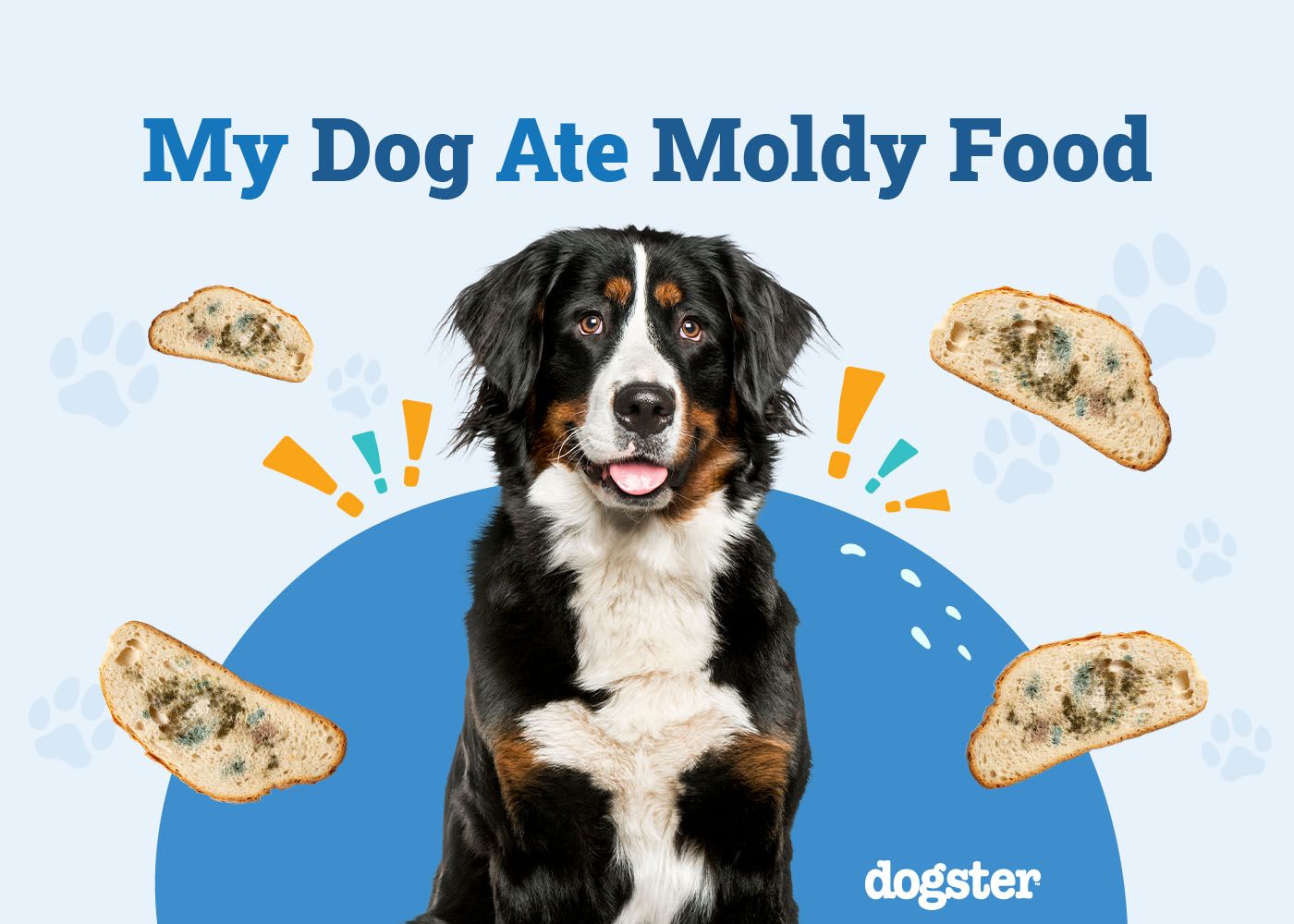
If your dog has eaten moldy food—perhaps you didn’t store the food properly, or your dog ate the moldy food from the garbage—it is a cause for concern. Mold can make your dog sick, which is why you should take them to a veterinarian if they have eaten food contaminated with mold.
They may begin to feel unwell shortly after eating the moldy food, or it can take a couple of hours for them to show signs of mold poisoning. While some dogs will only have a bit of an upset stomach after eating moldy foods, depending on the type of mold your dog has eaten, some cases can be more severe.

Can Dogs Eat Moldy Food?
Mold is a fungal growth that forms on various types of damp or decaying matter. Molds are found in virtually every environment, including on food in certain situations. This fungus can produce toxins called mycotoxins, which can make your dog unwell and, in some cases, cause severe neurological issues. This means that your dog should not be eating moldy food, even though it will attempt to eat it if given the chance. Spoiled food that has passed its expiration date, hasn't been stored properly, or has been kept in a damp environment is prone to mold growth.
Your dog should always have access to fresh food stored correctly in the appropriate environment. Most dog food and treat packaging will give you instructions on how to store the food correctly to prevent it from going moldy.
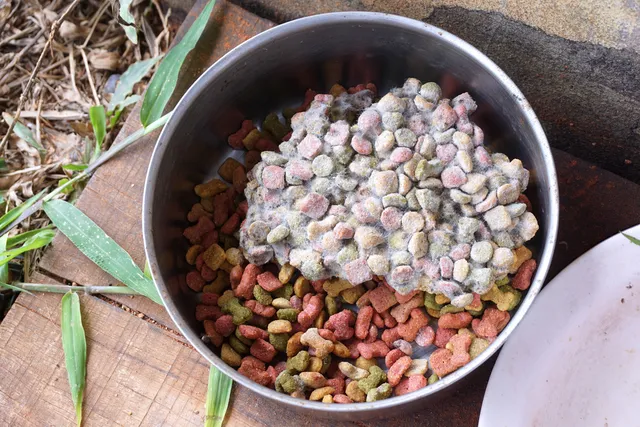
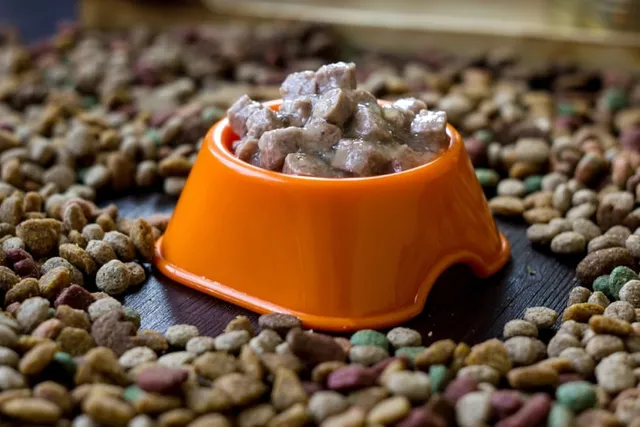
Moldy dog kibble or canned foods should be disposed of, and you should not continue feeding them to your dog. Removing the moldy parts of the food isn't a good idea either since the mold that you cannot see with the naked eye will still be present in the food. Canned dog food is more likely to experience mold growth since there is more moisture in the food. Even if it is stored in the fridge or sealed, canned or wet dog food can still grow mold. If dog kibble is not kept dry and stored correctly, it can also become moldy.

Mold Toxicity in Dogs and Why It Is Dangerous
The types of mold that are concerning are ones that produce toxic substances called mycotoxins. Molds that produce mycotoxins can grow on numerous foodstuffs.
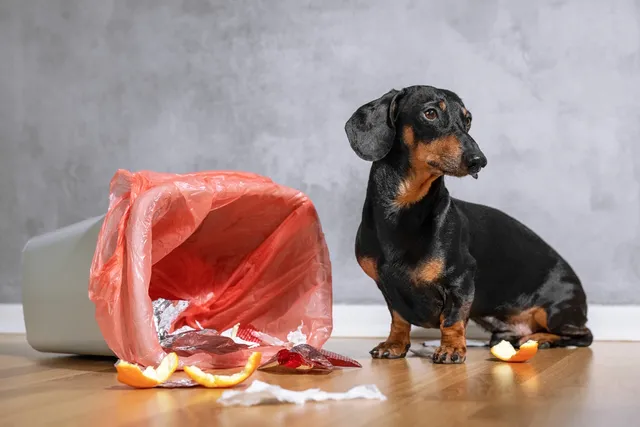
Mold can be visible on aging food, looking like fluffy growths or discolored spots, or it may not be obvious. Often, dogs ingest it by getting into the trash or eating moldy fruit and nuts that may have fallen off trees outside.
There are several different types of mycotoxins. Fusarium mold, which commonly contaminates grains, produces trichothecene mycotoxins. These toxins cause gastrointestinal signs such as vomiting and diarrhea. Tremorgenic mycotoxins are produced by some molds, and these cause serious signs: twitching and vomiting with rapid progression to whole-body tremors and seizures. Other less common forms of mycotoxins include aflatoxins, which can attack a dog’s liver.
What Should You Do if Your Dog Ate Moldy Food?
To be on the safe side, you should take your dog to the veterinarian for a check-up once you notice that your dog may have ingested moldy food. The signs of tremorgenic mycotoxicosis can be apparent and become serious very quickly. Even if they aren’t showing any signs, it is important to monitor your dog’s behavior for the next 2–3 hours to see if they are showing signs of mold poisoning. The quicker you can get your dog to the vet, the more effective treatment may be before your dog gets worse.
Signs Your Dog Ate Moldy Food and is Getting Sick
The signs of mold poisoning in dogs can be serious and should not be left untreated. The signs will vary depending on the amount and type of mold your dog has consumed. They can include:
- Muscle tremors
- Disorientation
- Fast heart rate
- Vocalization
- Convulsions
- Vomiting
- Abdominal pain
- Diarrhea
- Stool changes
- Lethargy
- Seizures
- Panting
- Dehydration
- Loss of appetite

Conclusion
Mold poisoning can be very serious and even fatal for dogs who have consumed food contaminated with mycotoxins. The signs of mold poisoning in dogs can range from a mild stomach upset and stool changes to severe signs such as tremors and seizures. If your dog ate moldy food, it is always best to contact your veterinarian straight away. Dogs who are showing signs of mold poisoning should be taken to an emergency veterinarian immediately.
See Also:
Expert dog care, straight to your inbox
News, insights, expert advice, and everything dog.

No spam — unsubscribe anytime.
By signing up, you agree to our Terms & Conditions and Privacy & Cookies Policy.
How useful was this post?
Click a star to rate. You can leave written feedback afterwards. (We read all feedback.)
Sarah lives in South Africa with her partner and pets. She is currently interested in veterinary science and ichthyology, which she wants to study alongside her main passion: pet content writing. Sarah has over 60 fish including: goldfish, tropicals, shrimp, and snails. She also keeps hamsters and a tarantula. Sarah wishes to provide quality content to readers and allow others to learn from her experience and knowledge. Sarah has much experience in all aspects of pet care. Providing the world with the knowledge on ethical pet ownership is her lifelong dream.