In this article
The Hmong dog is among the rarest breeds worldwide. They are native to China and Vietnam and were bred as a work, hunting, and guard dog. This medium-sized dog has a great appetite for work and boasts a naturally robust and masculine physique.
But how big do Hmong dogs get? How much do adults weigh? On average, adults can weigh up to 55 pounds and reach 22 inches tall. Read on for a detailed size and growth chart.

Size of a Full-Grown Hmong Dog
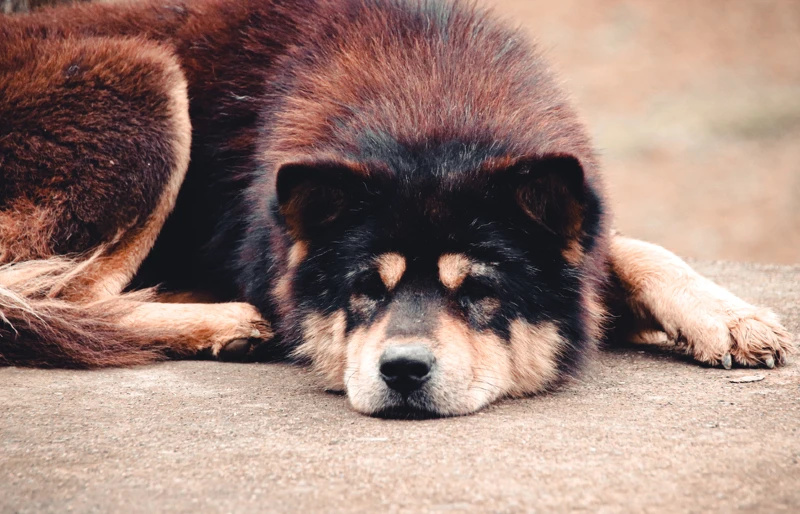
Hmong dogs have sturdy, masculine, and well-toned bodies. As a crossbreed between a native dog and wolf, they also boast eminent chests, wide backs, and notably strong ribs and bones for enhanced agility.
Even with the distinctive features of larger breeds, Hmongs are technically medium-sized. Adults grow to an impressive bulk of 35 to 55 pounds on average, with a height of 18 to 22 inches. Due to their muscle build, they have incredible strength and appear much larger.
Like most breeds, the males are slightly larger than the females.
Hmong Dog Size and Growth Chart
There are three types of Hmong dogs, each with a different physique. They include the following:
Li-ung
The Li-ung is a smaller Spitz-type of dog. They are intelligent and friendly, making them excellent companion pets. The Li-ung Hmong dog typically comes with a cream or white colored coat.
Shou-wu
Shou-wu Hmong dogs are slightly bigger than the Li-ung. They also come with white or cream double coats. The Shou-wu make excellent guard dogs for being loyal and highly protective of their family members.
Lao-tzu
Lao-tzu is the largest of all Hmong dogs, best known for their loyalty and friendliness. They are powerful, active, and agile and make excellent guards or working dogs. Lao-tzu Hmongs come in darker coat hues like black, gray, and brownish red.
| Age | Weight Range | Length Range |
| 0 to 6 months (puppy) | 3 to 26 pounds | 8 to 12 inches |
| 6 to 12 months (adolescent) | 30 to 35 pounds | 18 to 20 inches |
| 12 to 24 months (adult) | 35 to 55 pounds | 20 to 22 inches |
When Does a Hmong Dog Stop Growing?
Generally, Hmong dogs stop growing at 18 months. However, the Lao-tzu Hmongs become slightly bigger between 18 and 24 months. You can tell whether your pet has reached maximum growth by examining the size of their paws. If they still don’t seem proportional to the rest of the body, your dog may grow slightly bigger before they turn 2 years old.
Factors Affecting the Size of Hmong Dogs
Body size is a complex trait influenced by genetics and environmental factors. Let’s look at the three main factors that can affect the size of your Hmong dog.
Genetics
A critical factor that will dictate your pup’s adult size is whether they are a Li-ung, Shou-wu, or Lao-tzu. Also, it is not uncommon for genetic mutations to occasionally happen and cause stunted growth or dwarfism in some puppies.
A Hmong dog with stunted growth looks like a Corgi. Instead of having a complete miniature body, they have shorter legs that may not be immediately noticeable as short. Unless they stand beside a dog of the same breed and age without dwarfism, the concern can go unnoticed, especially to casual onlookers.
Nutrition
One of the main environmental factors that can influence the size of your Hmong dog is nutrition. They require well-balanced food to prevent allergies and joint problems. Meeting the recommended protein, carbohydrate, and fat requirements ensures Hmong dogs don’t grow too fast or too slowly.
Ideally, puppies need high-energy foods because they are playful and constantly move to burn more calories. Over half the calories they consume go toward tissue growth and skeletal development. Adolescents and adults need more protein-packed foods. Proteins are fundamental building blocks that promote healthy muscle development.
Exercise
Hmong dogs are naturally active and need to expend excessive energy. A proper exercise routine also helps regulate their weight and overall size. Ideally, they need between 40 and 60 minutes of daily exercise to build muscles and remain healthy.
You can engage your pet in vigorous exercise by playing games like fetch or jogging with them. If you jog with your dog, ensure that the intensity of your walks is sufficient to provide health benefits1. Failure to meet the recommended physical activity (PA) requirements increases the risk of obesity.

Ideal Diet for Maintaining a Healthy Weight
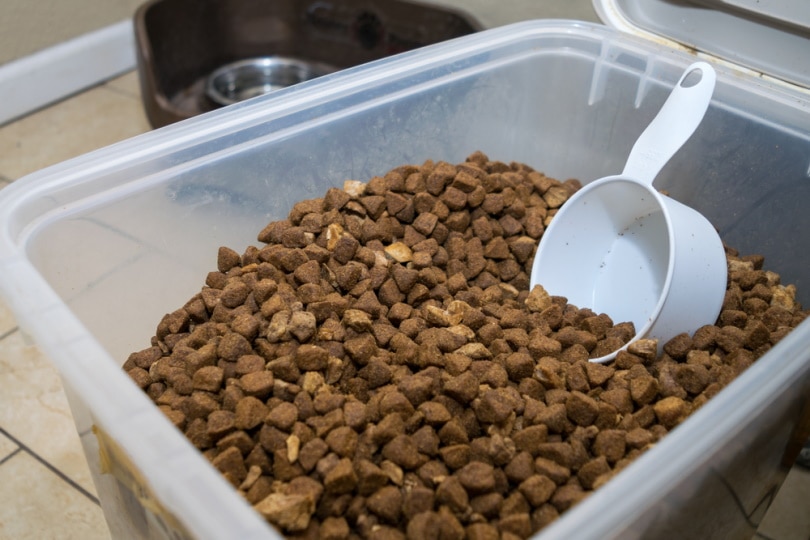
Hmongs are working dogs that generally need at least 1.5 times more food than less active breeds. They also require more hydration because they are constantly on the move. When choosing your pet’s food, you must ensure it has the right proportions of proteins, fats, carbohydrates, minerals, vitamins, and moisture.
The ideal food for your pet should contain animal protein from pork, fish, turkey, or beef. Unlike formulas packed with grain proteins, animal-sourced proteins provide more sustainable energy to maintain your dog’s active lifestyle. Moreover, ensure the nutritional profiles of the foods you choose provide ample omega 3 and 6 fatty acids.
It is imperative to maintain a proper nutrition and physical activity balance. Overfeeding, just like an ineffective exercise routine, can lead to obesity. According to research, being overweight can shorten your dog’s life by at least 2½ years2.

How to Measure Your Hmong Dog
Measuring your Hmong dog is essential to keeping track of their size and weight. It can also make finding fitting accessories like harnesses, collars, or clothing easier.
Five crucial areas should be measured to help you decide whether to reduce your pet’s meals or increase their exercise.
Body Weight
The most accurate way to determine your pet’s weight is to have your vet weigh them. If your dog gets too stressed at the vet’s office, you can use your regular bathroom scale or invest in a dog scale.
Place the scale on a bare floor and use praise or treats to encourage your pet to step on the device. Let your dog hold their position for a few seconds before you record the reading.
Body Length
To measure your dog’s body length, place your tape measure from the base of the tail to the top of the neck.
Height
Measuring the height of a Hmong dog is easy. You can let your pet stand or sit. Place your tape measure at the base of one of the front paws and extend it to the top of the head.
Waist Girth
To measure your dog’s waist, place a tape measure on their back and extend it under the hind feet to measure the narrowest part of the belly area.
Neck Girth
The neck girth is your dog’s neck circumference. Start from the nape and wrap your tape measure around your dog’s neck while passing over the top of the chest.
Chest Girth
Hmong dogs appear larger mainly because of their broad chests. Place your tape measure on the top of your dog’s shoulder to measure the chest circumference and run it down around the armpits. Extend it across the space behind the forelegs and over the broadest area of the shoulder blades
Facts About Hmong Dogs
The Hmong is one among four of Vietnam’s great national dogs. They are a crossbreed between a native dog and a jungle wolf. Because they were intended to be herders, hunters, and guard dogs, Hmong dogs are intelligent, loyal, and agile.
1. Appearance
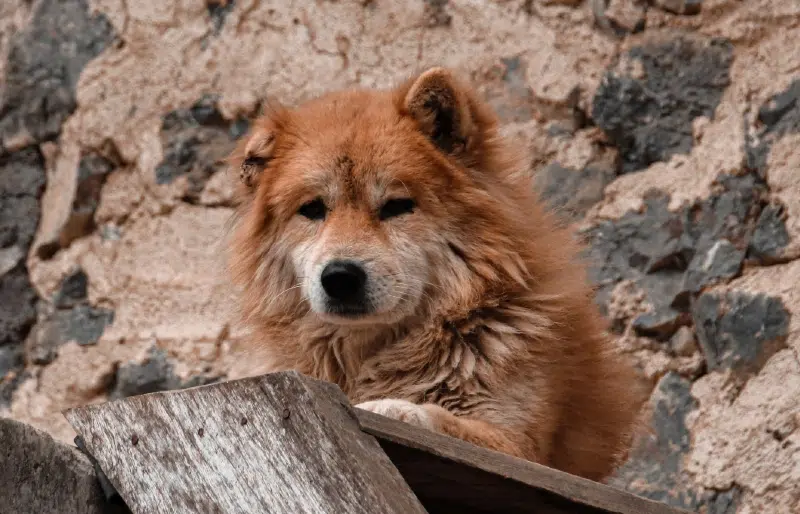
The Hmong dogs have a sturdy physique and dense, thick coats that make them appear larger than their actual size. Because they were bred as hunting companions, they are incredibly fit and build muscle mass quickly. Their prominent backs, broad chests, and strong gaits make them resemble Pit Bulls.
Other distinct features include the squishy-looking round face, short muzzle, almond-shaped eyes, and upright ears. These attributes, coupled with their friendly demeanor and broad, enchanting smiles, often make people confuse them for cats or bear cubs!
Often, Hmongs come in solid colors of black, white, or gray. In rare instances, they can have brownish-red fur or brown coats with hints of other hues.
2. Temperament
Hmong Dogs are highly territorial and protective of their owners. Fortunately, they are intelligent and very obedient. Through early training and socialization, you can control their tendency to be overprotective and hostile toward other pets.
Hmongs are family-oriented and love running around or playing with their owners. Unfortunately, this also makes them prone to separation anxiety and aggression if caged for too long or left alone for extended hours.
It’s also crucial to note that Hmongs can be highly vocal. They can be annoying, especially when they bark at everything, including neighbors and other pets. An ideal way to deal with the problem is to keep them occupied with chews, interactive toys, or physical activity. Long walks or runs can help them burn off pent-up energy and calm them.
3. Trainability
Hmong dogs are brilliant and are quick to learn new tricks. However, even mastering basic commands like stay and come can be challenging if you don’t use firm rules and boundaries. Always be patient with your dog and use positive reinforcement.
Moreover, you need to be consistent in your training sessions until your pet grasps different concepts. With time and effort, most Hmong dogs can master just about anything and grow to be well-behaved companions. Their high responsiveness to training makes them excellent service dogs. Vietnamese police often use Hmong dogs to sniff or detect illegal aliens when patrolling the country’s borders.
4. Rarity
Like most primitive purebred species, Hmong dogs are rare, even in Asian regions. There are roughly 1,000 Hmong dogs worldwide, including purebreds and hybrids. While purebreds cost about $3,000, hybrids cost between $2,500 and $2,000.
5. Longevity
Hmong dogs have high strength and endurance and often live long healthy lives. While they are a naturally strong breed, taking care of your dog’s physical and nutritional needs can help enhance their longevity. On average, Hmong dogs can live for 15 to 20 years.
Final Thoughts
The Hmong dogs have solid bodies and sturdy legs. While they seem much larger, adults have a maximum height of 22 inches, which puts them under the medium-sized dog category. Because the dog’s height often depends on genetics, always consider a pup’s genealogy before adoption.
Fortunately, you have some control over your pet’s weight. The ideal adult weight should not exceed 55 pounds. Hmong dogs are naturally active and have impressive physical capabilities. If your pet has been adding extra pounds recently, you can regulate their weight through a rigorous daily exercise routine.
Featured Image Credit: marie martin, Shutterstock