Can You Put Bacon Grease on Dog Food? Vet-Approved Facts & FAQ


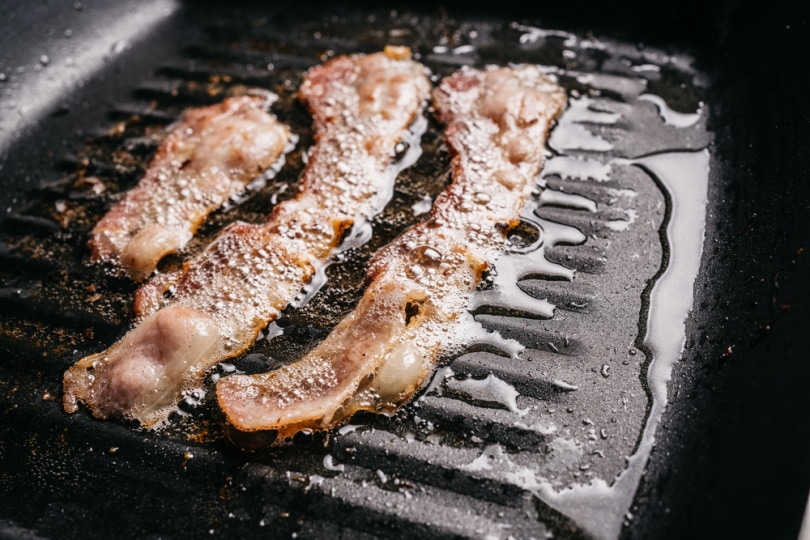
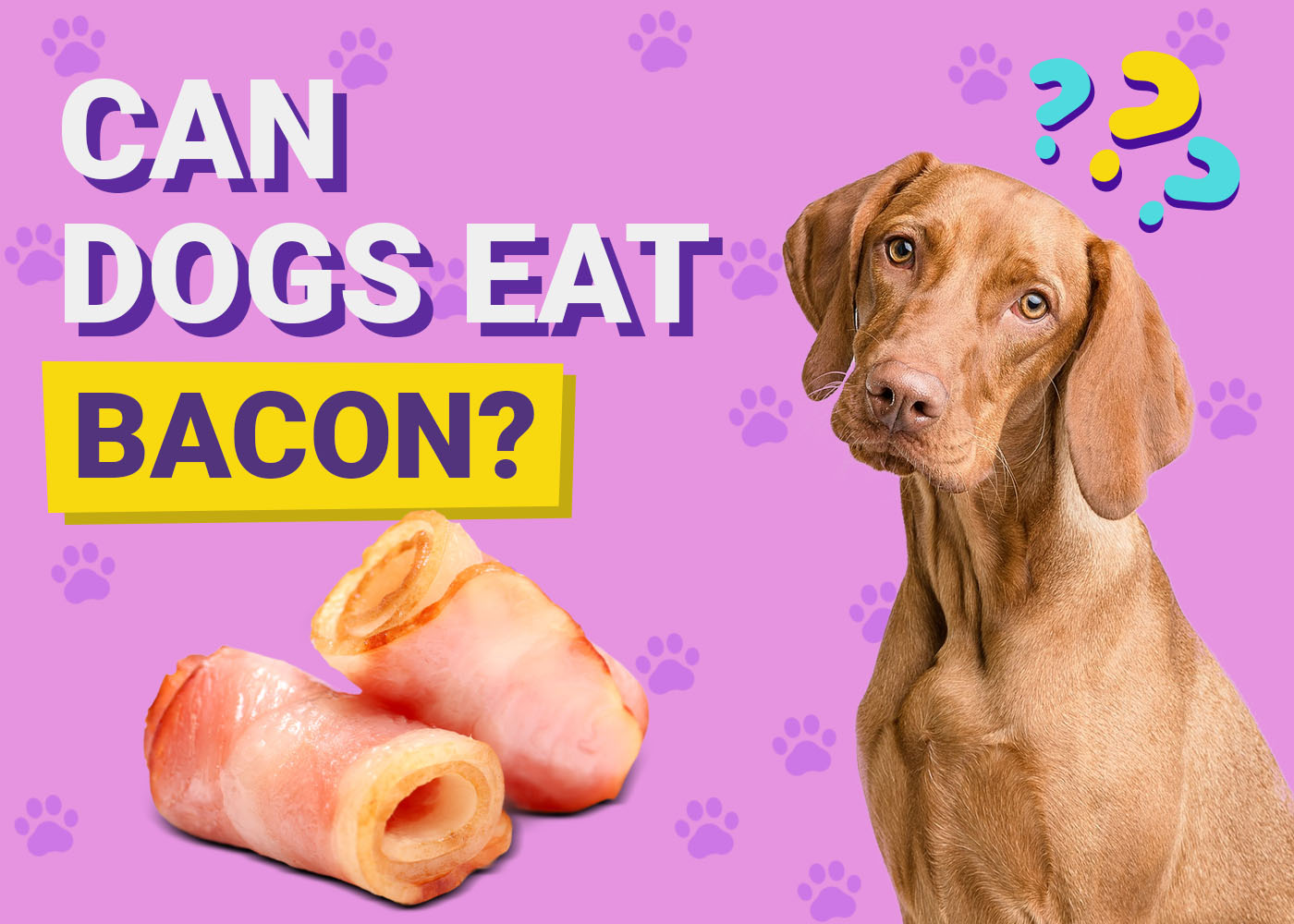
While your dog probably works up a pool of drool every time you start frying some bacon, do not add the grease from the pan to your dog’s food. Bacon grease is rich, fatty, and salty—all things that should be avoided in canine diets.1

Can Dogs Eat Human Food?
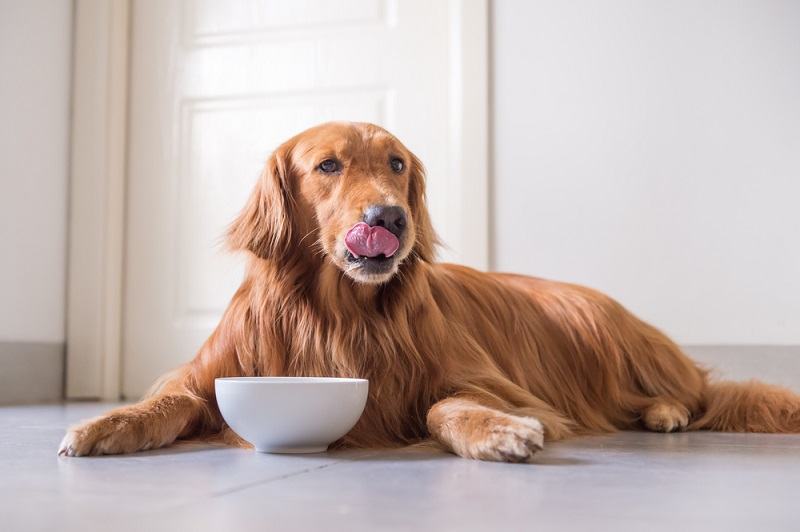
In general, you shouldn’t feed your dog from the table. While human food might be enticing for your dog, it’s not nutritionally sound for them and doesn’t provide what they need to thrive in the long term.
Additionally, human food tends to be laden with spices, colors, preservatives, and synthetic chemicals that aren’t healthy for dogs. In addition to the potential adverse health effects of feeding your dog human food, they may come to learn that if they beg enough, they will be fed from the table. You don’t want to reinforce this bad behavior by rewarding your dog.
Dogs and humans have different nutritional needs. So, while a meal may be balanced for a human, your dog’s body needs various nutritional components to thrive. Thus, what you eat just isn’t suitable for them.

Why Is Bacon Grease Bad for Dogs?
There are several reasons to exclude bacon grease from your dog’s diet. For starters, bacon is not the most nutritious food for humans. The concept of “if it’s bad for me, it’s probably bad for my dog,” while not universally true, is a helpful tool to keep in mind.
Bacon is pretty bad for humans. Bacon isn’t the only meat product thought to be unhealthy either. Hotdogs, hamburgers, and all synthetically processed meat products—those mixed with various preservatives and flavors (processed meat is classified as a carcinogen by the World Health Organization)—are best avoided.
Even if the looming threat of cancer leaves you unfazed for some reason, you will also want to consider the effect this fatty grease can have on your dog’s pancreas. The pancreas makes the enzymes your dog uses to digest food, as well as hormones like insulin that regulate blood sugar. These enzymes help break food down into nutrients that power your dog’s body.
Fatty foods put extreme pressure on the pancreas, causing it to release more digestive enzymes to break down the fat. A sudden high-fat meal can trigger pancreatitis, and severe or repeated bouts can permanently damage the pancreas. We typically warn against feeding your pets fatty foods like bacon grease. Doing so increases the chances of pancreatitis.
Does My Dog Have Pancreatitis?
The following are typical signs of pancreatitis:
- Dehydration
- Abdominal pain
- Loss of appetite
- Vomiting
- Diarrhea
- Lethargy or weakness
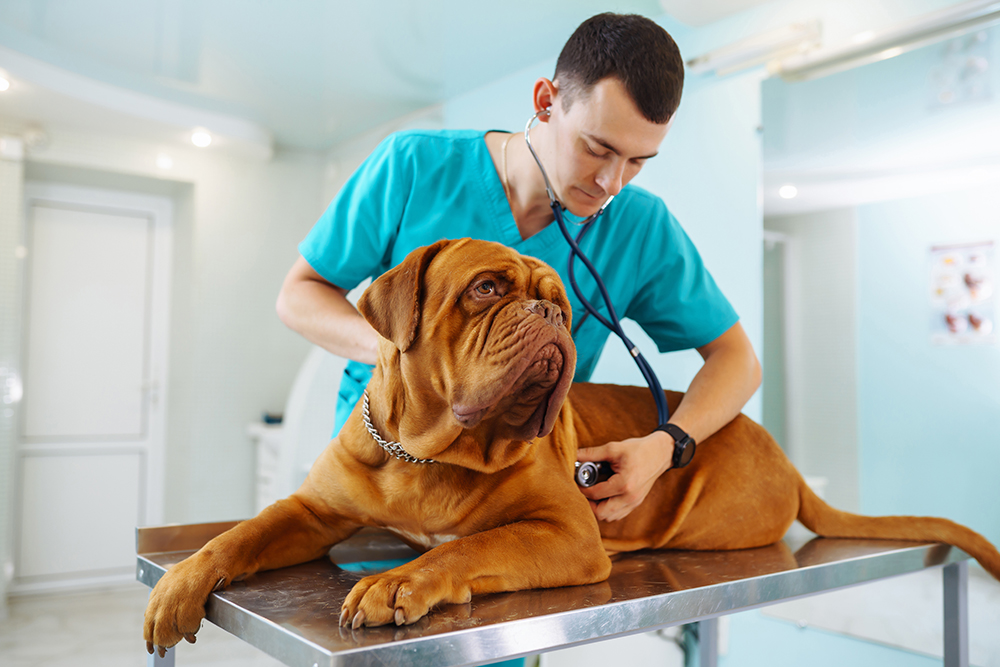
If your dog shows any of these signs, especially after getting into something greasy, contact your vet right away.

Conclusion
While giving your dog some table scraps might be tempting, you are better off feeding them food that is nutritionally balanced for dogs’ needs. Adding some bacon grease to your dog’s food might seem like a fun treat, but the consequences could be severe. It’s better to be safe than sorry!
See also:
Featured Image Credit: Artit Wongpradu, Shutterstock
Expert dog care, straight to your inbox
Vet-reviewed advice, training tips, and the best of Dogster. Free, and you can unsubscribe anytime.
By signing up, you agree to our Terms & Conditions and Privacy & Cookies Policy.
I’m a freelance writer with a passion for animal science and technology. I love to share the world of animal science with people to help them make informed decisions for themselves and their pets. I’ve worked in professional pet care for over six years and realised I could help change the world of pet care by bringing the information people needed to them in terms they could understand. Knowledge is power and I love to help everyone become the most informed they can be.
Join the conversation
Ask a question, share your story, or send private feedback.