Can Dogs Eat Pomegranates? Vet-Verified Nutrition Facts & Info



In this article
Pomegranate is widely billed as being a superfood for humans, thanks to the diverse range of vitamins and minerals it contains, and the concentration of them. They are particularly known for being high in fiber and potassium as well as being a rich source of antioxidants. Dogs can also benefit from eating foods that are rich in these, but can they eat pomegranates?
Pomegranates are not toxic to dogs, and they do offer several health benefits, but there are some caveats to this. You should never feed the skin to your dog and the hard seeds can be very difficult to digest, which means it is best to avoid feeding these, too.
However, your pup can enjoy the fleshy fruit and juice of the pomegranate as long as you don’t feed too much of it. If you’re worried about feeding the wrong parts or offering too much, there are alternative fruits you can give, but all fruits contain natural sugars, so you should feed them only in moderation and as an occasional treat.

Can Dogs Eat Pomegranates?
Pomegranates are not toxic to dogs, which means if your pup has stolen some of the fleshy fruit or even the seeds, they should be fine. It is worth monitoring them, however, to ensure they don’t start vomiting or suffering diarrhea and to look for signs of choking.
Beyond that, you mustn’t feed the skin, and if you’re intentionally feeding this fruit to your dog, it might be best to avoid feeding the seeds, too.

Benefits of Feeding Pomegranates to Dogs
The flesh and juice of the pomegranate do offer certain health benefits for your dog, as well as being juicy. They can make a tasty, occasional treat, and offer the following benefits to your canine companion.
- Good for the Gut – Pomegranate does contain dietary fiber, which helps the body form excrement and makes it easier to pass. Not enough fiber can cause It people pomegranate increases the amount of good gut bacteria, so it is considered a prebiotic.
- Anti-inflammatory Properties – Similarly, the skin, as well as the seeds of the fruit, contain polyphenols that have anti-inflammatory and antioxidant effects, which could improve your dog’s health.
- Nutrition – Pomegranate contains calcium, potassium, selenium, and vitamin K which are essential nutrients in a dog’s diet.
Dangers of Feeding Pomegranates to Dogs
Although pomegranate is not toxic and does offer certain health benefits to dogs, you should think twice before sharing this particular piece of fruit with them. There are certain steps you need to take to ensure you don’t cause harm to your dog because pomegranates do have the following health concerns.
- Digestive Issues – Pomegranates are high in sugar, and they also contain tannins. Tannins are the compounds that give pomegranates that mouth feel. Being a rich food, too much can lead to an upset stomach. For this reason, you should only give your dog a small amount of the fruity flesh or squeeze out a little juice for them.
- Obstruction – Both the skin and the seeds of the fruit are very tough. The skin, in particular, can cause an obstruction in the gut, and it will either stay sat in the gut or could cause damage while being passed. The seeds are smaller and should pass through your dog’s digestive system if they only eat a couple, but in large numbers they can cause pain because they are difficult to digest.
- High In Sugar – Like most fruits, pomegranates are very high in natural sugars. While natural sugars might sound healthy, they are fattening, and you must limit the amount of sugar in your dog’s diet. As such, take care when feeding pomegranate, especially if your pup needs to lose weight.

How to Feed Pomegranate to Your Dog Safely
You can feed some parts of the pomegranate to your dog, but you should start with small amounts. Ensure the peel is removed completely and avoid feeding the seeds to remove any potential gastrointestinal upset. A tiny dog can have half a teaspoon of pomegranate, while an extra large dog can have a full tablespoon. Choose fresh whole fruit and don’t offer any processed products to your dog as they contain additional ingredients that might not be healthy.
The 3 Fruits Your Dog Can Eat
Fruits contain a wide variety of vitamins and minerals, but not all are safe to give to dogs. If you’re looking for a safer alternative to pomegranate, or one that doesn’t require quite as much care when feeding, consider these three fruits instead.
1. Blueberries
Blueberries are another good source of antioxidants and fiber. They are conveniently sized, and you can feed the whole fruit. Frozen blueberries also make a great training treat or an ideal thirst quencher for the warm summer months.

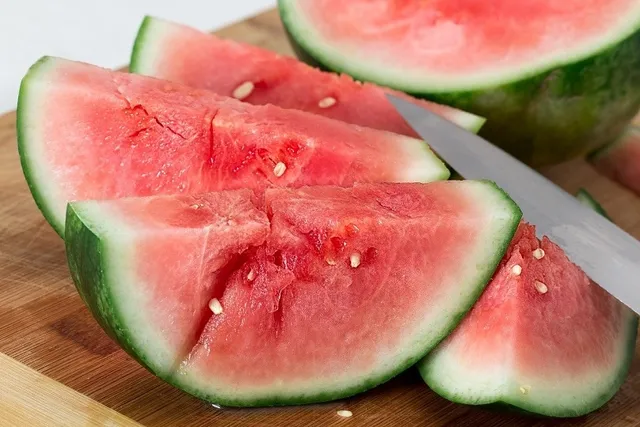
2. Watermelon
You do need to remove the rind and the seeds of the watermelon, but it’s a lot easier than with pomegranates, and because watermelons contain such a lot of water, they are refreshing and help ensure your dog is staying hydrated.
3. Strawberries
Strawberries contain calcium, iron, and magnesium as well as antioxidants. They are juicy and refreshing, but they are packed with natural sugar, so only feed one or two and only give them as a very occasional treat.

Conclusion
Pomegranates are considered superfruits because they are rich in antioxidants and contain a host of other beneficial compounds. However, while they’re good for humans and do offer many of the same health benefits to dogs, they also carry some health concerns. They are high in sugar, like most fruits, and the skin and seeds can pose choking hazards while also causing obstructions in the gut. If you do want to feed pomegranates, feed a small amount of the fleshy section or the juice, or consider offering a different treat to your dog.
Sources
Featured Image Credit: New Africa, Shutterstock
Expert dog care, straight to your inbox
News, insights, expert advice, and everything dog.

No spam — unsubscribe anytime.
By signing up, you agree to our Terms & Conditions and Privacy & Cookies Policy.
How useful was this post?
Click a star to rate. You can leave written feedback afterwards. (We read all feedback.)
Matt is a freelance writer from the UK. He lives with his partner and daughter, as well as two cats and one dog. A data analyst by profession, Matt moved from numbers to words more than 15 years ago and has been writing ever since. Having volunteered at a local animal sanctuary, he has a lot of experience with dogs, cats, and horses. Matt has also kept bearded dragons, a variety of birds, fish, guinea pigs, hamsters, mice, and rats. His daughter has adopted the same passion for animals, keeping and breeding snakes. A geek at heart, Matt is a member of a local board gaming group and regularly forces his family to “enjoy” board games with him at home.