Dogster is reader-supported. When you buy via links on our site, we may earn a commission at no cost to you. Learn more.

Dog Nutrition

Can Dogs Eat Bugs? What the Science Says

Rachel Giordano
By Rachel Giordano · Reviewed & fact-checked by Dr. Lorna WhittemoreVet Approved
Dr. Lorna Whittemore
Reviewed & Fact-Checked byDr. Lorna WhittemoreMRCVS (Veterinarian)
Lorna is a veterinarian based in Cape Town, South Africa. originally from Scotland. Lorna loves to travel and has lived, studied, and worked on three different continents. Lorna has over two decades of experience in small animal medicine and surgery, both in the charity and private sector, plus a further qualification in feline medicine.View authorThe information is current and up-to-date in accordance with the latest veterinarian research. Learn more
Updated on June 29, 2026
Share
Can Dogs Eat_bugs

Any dog owner has probably seen their dog eat a bug here and there, as dogs love to snoop and sniff outdoors. Dogs are curious beings and love to investigate the world around them, which can mean playing with a bug or chomping down on one. Some bugs are easier to catch than others, which can open up a bug buffet for your pooch. But have you ever wondered if dogs can eat bugs? Are they safe?

To dissect this question, we must first realize that there are many, many types of bugs in the world, and not all are the same. While most insects are harmless to dogs, whether eating one is safe depends on the kind of bug.

Dogster divider_v2_NEW_MAY_24_

Can Dogs Eat Bugs?

It is perfectly normal for a dog to investigate a bug, and they may play with it before they decide to eat it. Of course, your dog may get a hold of a bug and eat it before you even know what type of bug they just ate, and you may not be aware of the types of bugs you have in and around your home.

For the most part, it’s safe for your dog to eat a bug now and then. Believe it or not, dogs will determine through trial and error what bugs are safe to eat and what bugs are not. For example, some bugs come armored with stingers, spines, or an atrocious taste that will automatically make a dog spit it out. Other bugs may be poisonous, which poses a greater health risk.
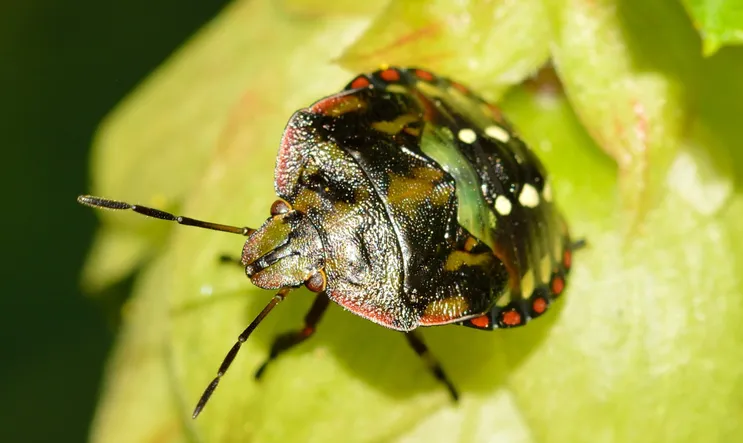
Image Credit: JumpStory

What Bugs Should Dogs Not Eat?

Most bugs are harmless for your dog to eat, with the exception of a few. Let’s investigate further.

Spiders

Most spiders are harmless, even if they may carry some sort of venom. The venom is usually deactivated during the digestive process, but your dog could suffer a bite as a last defense mechanism the unfortunate spider has, which will inject venom at the bite site.

Most spiders may be harmless, but an exception to the rule is the black widow spider and the brown recluse spider. These spiders are toxic to dogs and can cause severe signs. Contact your veterinarian ASAP if you notice any of the following signs beginning to develop.

Signs of Spider Venom Poisoning (Contact Your Vet Immediately):

  • Tremors
  • Paralysis
  • Cramping
  • Severe muscle pain
  • Change in blood pressure
  • Drooling
  • Vomiting
  • Lethargy
  • Seizures
  • Pain and itching at the bite site
  • Organ dysfunction
  • Death

Other Insects and Possible Consequences of Eating Them

There are a few other insects your dog should avoid at all costs and for various reasons. If you suspect your dog has been bitten by any of the bugs below and starts to develop signs of distress, contact your local vet immediately.

Other Bugs Dogs Should Avoid & Potential Risks:

  • Cockroaches: Let’s face it, cockroaches are nasty and creepy, but they’ve been around for millions and millions of years and likely always will be as long as the world turns. The problem with cockroaches is that they eat feces, which could infect your dog with worms if the cockroach was feasting on worm-infested poop before your dog made it a snack.
  • Scorpions: There is only one significant venomous species of scorpion in North America, and that is the Arizona bark scorpion. This nocturnal creepy crawler is light brown and only presents mild toxicity to your dog if stung. Typical signs include drooling, itchiness, localized pain, and redness at the sting site.
  • Bees and wasps: Bees and wasps can cause a localized reaction at the sting site. While mildly toxic, a sting can cause redness, itching, and swelling. Rarely, a dog may also have an allergic reaction to a bee or wasp sting, which can become an emergency.
  • Mosquitoes: Mosquitos can possibly infect your dog with heartworms, as well as other diseases, with heartworms being the primary risk. Keeping your dog on monthly heartworm medication is the best defense against heartworm infection.
  • The Kissing Bug: The kissing bug can transmit the parasite that causes Chagas disease, a blood parasite transmitted through a bite and can affect both people and animals. This bug is found in 29 states across the country; however, most dogs will never develop signs. Signs to watch for include lethargy, not eating, depression, low energy, swollen belly, pale or purple gums, and difficulty breathing.
  • Fire ants: Fire ants, also known as red ants, are typically found in the Southeastern United States. These nuisance ants can pack a painful sting, and if stung multiple times, a severe reaction can occur, such as labored or trouble breathing, seizures, pale skin, bruising, or becoming unresponsive.
  • Caterpillars: Caterpillars may be fun and interesting to watch, but it’s best to keep your dog away from them. These creatures have two types of hair: urticating and stinging. Urticating hairs are not poisonous but can cause localized itching and even dermatitis, while stinging hairs are armed with poison-secreting cells at the base. Some dogs may only exhibit mild signs, but others could suffer a severe reaction.

Tips for a Healthy Diet for Your Dog

Keeping your dog healthy starts with nutrition. Ensure you feed a complete and balanced food specifically for your dog’s breed size and age. Senior dogs have different nutritional needs as they age and should eat an age-appropriate diet. Young dogs require a diet balanced correctly for calcium and phosphorus ratios as they grow.

Your veterinarian can help you in picking suitable food for your dog. Avoid grain-free diets unless your dog has a grain allergy—the inclusion of grains is beneficial for your dog.

Image Credit: Kazantseva Olga, Shutterstock
Dogster divider_v3_NEW_MAY_24_

Final Thoughts

Dogs are nosey and love to investigate anything that catches their eye, with bugs being one of them. While most bugs are harmless to dogs, a few could pose a reaction or even a health problem. Knowing what bugs are safe and which ones are not will go a long way in keeping your dog safe. Keep your dog on a monthly heartworm preventative, and consult your vet if you notice severe signs of a sting or bite.

See also:

The Dogster Newsletter

Expert dog care, straight to your inbox

News, insights, expert advice, and everything dog.

No spam — unsubscribe anytime.

By signing up, you agree to our Terms & Conditions and Privacy & Cookies Policy.

Click a star to rate. You can leave written feedback afterwards. (We read all feedback.)

Rachel Giordano
Authored by

Rachel Giordano

Can Dogs Eat Grasshoppers? Vet-Verified Facts & Potential Risks

Can Dogs Eat Grasshoppers? Vet-Verified Facts & Potential Risks

Let’s face it—dogs sometimes do things that gross us out. Watching your dog chow down on a cockroach, cricket, or grasshopper is enough to make your stomach tu…

Kit Copson
By Kit Copson · 1 day ago
My Dog Ate a June Bug: Vet-Reviewed Tips, Dangers & FAQs

My Dog Ate a June Bug: Vet-Reviewed Tips, Dangers & FAQs

When the weather outside begins to warm, bugs begin to take over. According to where you live, dealing with insects in the summer can be a real hassle. One suc…

Melissa Gunter
By Melissa Gunter · 1 week ago
Can Dogs Eat Ants? Vet-Verified Facts & FAQ

Can Dogs Eat Ants? Vet-Verified Facts & FAQ

As curious animals, dogs are bound to eat ants at some point in their life. Those little insects that you need to protect your sugary foods from can be found e…

Sarah Psaradelis
By Sarah Psaradelis · 3 weeks ago
My Dog Keeps Eating Flies, What Should I Do? Vet-Verified Facts & FAQ

My Dog Keeps Eating Flies, What Should I Do? Vet-Verified Facts & FAQ

Like all animals, dogs tend to engage in all kinds of weird behaviors, including eating flies. Some dogs simply can’t withhold the excitement that they feel wh…

Visnja Radosavljevic
By Visnja Radosavljevic · 1 week ago

Bug-Based Dog Food: Safe, Healthy, or Just Weird?

You catch your dog mid-crunch in the backyard, mandibles working overtime on something small and wriggling. A cricket. A beetle. You wince, but your dog? They'…

Dan Seymour
By Dan Seymour · June 16, 2026
Bug-Based Dog Food: Safe, Healthy, or Just Weird?

Is Insect-Based Dog Food Safe for My Pet? Vet Approved Facts & FAQ

Does the thought of eating a cricket or grasshopper make your stomach churn? Despite the "yuck" factor, many bugs are protein-rich. While you may not be intere…

Oliver Jones
By Oliver Jones · June 17, 2026
Is Insect-Based Dog Food Safe for My Pet? Vet Approved Facts & FAQ

Can Dogs Eat Mealworms? Vet-Approved Nutritional Guide

Does the idea of cozying up to a fresh bowl of mealworms appeal to you? Once you get past the ick-factor, you might be surprised to find out that mealworms and…

Nicole Cosgrove
By Nicole Cosgrove · June 29, 2026
Can Dogs Eat Mealworms? Vet-Approved Nutritional Guide

Can Dogs Eat Crickets? Vet-Verified Facts & FAQ

Crickets are insects that belong to the Grylloidea family.1 They typically have long bodies, segmented legs, and large antennae. A tough exoskeleton covers the…

Lorre Luther
By Lorre Luther · June 29, 2026
Can Dogs Eat Crickets? Vet-Verified Facts & FAQ

What Foods Are Dangerous for Dogs? Vet-Reviewed Fruits, Veggies & More

Fruits and vegetables are a necessary part of a human's diet, but did you know that they can play a role in your dog's diet too? Unfortunately, not all fruits…

Chantelle Fowler
By Chantelle Fowler · June 29, 2026
What Foods Are Dangerous for Dogs? Vet-Reviewed Fruits, Veggies & More

Can Dogs Eat Vegetables? Vet-Verified Nutrition Facts, Safe Options & Benefits

Domestication has profoundly affected our canine companions. They have gone from carnivorous predators to pampered pets. Roughly 95% consider them members of t…

Chris Dinesen Rogers
By Chris Dinesen Rogers · June 17, 2026
Can Dogs Eat Vegetables? Vet-Verified Nutrition Facts, Safe Options & Benefits

Can Dogs Eat Gummy Worms? Vet-Verified Nutrition Facts & Alternatives

We take our dogs with us wherever we go, spoil them on holidays, and consider them part of our family. So, it makes sense if you’d like to share your favorite…

Chantelle Fowler
By Chantelle Fowler · June 17, 2026
Can Dogs Eat Gummy Worms? Vet-Verified Nutrition Facts & Alternatives

Can Dogs Eat Crawfish? Vet Reviewed Facts & FAQs

A crawfish, also known as a crayfish, rock lobster, and crawdad, is a well-known crustacean eaten worldwide. People of many cultures eat them; dogs can eat the…

Beth Crane
By Beth Crane · June 29, 2026
Can Dogs Eat Crawfish? Vet Reviewed Facts & FAQs

Love Dogs? So Do We! Join the Dogster Community

Stay informed with expert pet care insights delivered straight to your inbox! Discover professional guidance on animal behavior, feeding tips, trusted product picks, and much more.

You may opt-out at any time. View our Privacy Policy for more information.

The Dogster app on a phone