10-Year-Old Dog: Vet-Approved Care Tips & Facts


In this article
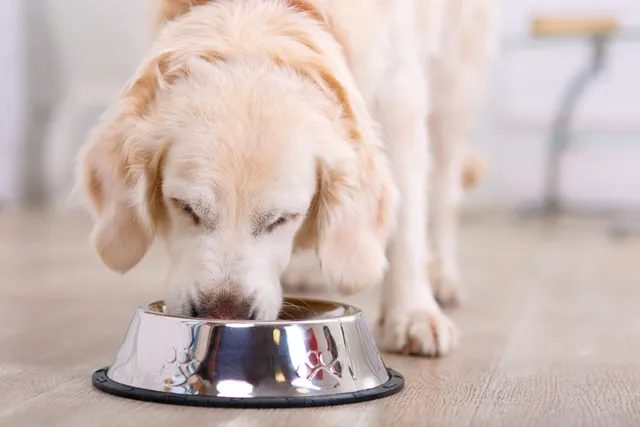
We love our dogs, starting from puppyhood and into their senior years. But with each stage of life, things become different, and we need to adjust the kind of care that we provide.
Most dogs are considered seniors by the time they hit the age of 10, except large and giant breeds (for which this is sooner), and you’ll start to notice a few changes. It’s important to be very observant of any subtle changes in their behavior, appetite, drinking, urination or defecation habits, as well as their mobility, so you can pick up early signs of illness that will require veterinary attention.
In this article, we delve into the ways that you’ll need to modify your usual routines and what you can expect when your dog enters their twilight years.

Breed Size
The size of the dog makes a tremendous difference in their projected lifespan. Small breeds mature quicker and tend to live longer than large breeds.
For example, one of the smallest dog breeds, the Chihuahua, has a lifespan of roughly 15 to 17 years, which means they might not enter seniorhood until they are 11.
At the other end of the spectrum, the Great Dane has a life expectancy of about 7 to 10 years and is considered a senior by around 7 years of age.
This is why you should speak to a veterinarian regarding your dog’s aging in order to determine when it’s time to treat your dog like a senior.
Diet Change

Becoming a senior usually requires a gradual change in diet due to different nutritional needs. This is partly to help with any of the health conditions that tend to affect older pets.
Dog foods aimed at seniors tend to include chondroitin sulfate and glucosamine as supplements for joint and mobility support, which can aid dogs with arthritis.
Some older pets suffer from kidney or liver disease, which will require a specific prescription diet. Otherwise, they might need a diet that’s high in calories to help them put on weight or one that’s low in calories if they are overweight.
Dog food is never a one-size-fits-all, so consulting with a vet regarding your 10-year-old dog's diet is vital.
Physical Exercise Needs
It’s perfectly natural for dogs to slow down as they grow older. Speak to a vet so they can offer advice about the best ways to safely keep your dog active and to rule out any medical causes for them slowing down.
A senior dog’s energy level has started to wane, and they won’t be able to run as often or go for long walks the way that they used to. They’ll also likely want to rest more, so your routine will probably change to walking your dog more frequently for shorter periods.
You should continue playing with your dog as they get older. Consider taking them swimming, as this can help if your dog has joint issues. It can also help prevent obesity and keep your senior healthy and happy.

Sleeping Patterns
Your dog will likely start sleeping more as a senior, and they might be more difficult to rouse or even respond to commands.
It’s essential for you to know the difference between a dog that’s naturally slowing down and one that has a health condition.
When you take your dog for regular vet visits, the vet will be able to keep on top of your dog’s health.
Behavioral Changes
Some dogs become more aggressive as they age, but this can be an indication of pain or a health problem, possibly even a form of dementia. Some senior dogs might be more impatient with young children and become reactive to loud noises and unpredictability. We can’t stress enough how important it is to always supervise your dog around children and to teach children to respect their boundaries and be gentle. This can be partly due to failing hearing and vision, illness, or pain anywhere in the body and can lead to your dog being startled more easily, which might lead to aggression or avoidance.
Your dog might also become more stressed and form separation anxiety when you leave, or they might get more anxious than usual around loud noises like fireworks. Things might also become more challenging if you have other pets, and the hierarchy starts to change.
If your dog starts acting differently from how they usually are, you should consult with a vet. It might be an underlying health condition, or they might be in pain.
Health Issues
Caring for a senior dog means dealing with certain health issues. You’ll need to take your dog to see the vet twice a year in order to keep on top of any medical issues that crop up.
If your dog already has health issues, they might need to be seen more often. At home, you should monitor your dog frequently and bring them to the clinic if you notice any of the following signs:
- Incontinence
- Increased urination
- Changes in the stream of urine
- Constipation or diarrhea
- Increased vocalization
- Changes in appetite or water intake
- Weakness
- Coughing
- Shortness of breath or difficulty breathing
- Stiffness or limping
- Lumps
- Aggression or other behavioral changes
Common health conditions that senior dogs are prone to include:
- Arthritis
- Cancer
- Cognitive disorders
- Dental disease
- Diabetes mellitus
- Hearing problems
- Intestinal problems
- Kidney disease
- Liver disease
- Prostate disease
- Vision issues
The 8 Tips to Make Your Senior Dog More Comfortable
There are several steps that you can take to make your dog’s advancing years easier on you both.
1. Wellness Exams

You’ll need to take your dog in for wellness exams at least every 6 months. The vet will examine your dog for any tumors or signs of arthritis and check their hearing, vision, and dental health.
They will also likely run one or more of the following tests once a year:
2. Pain Monitoring
Keep an eye on your dog and take note of any changes. This is vital, particularly if your dog shows any signs of discomfort or pain. If they suddenly start limping, struggle to stand up, or even lie down while drinking or eating, all of this needs a vet’s attention.
3. Supplements

This requires your vet’s guidance, so discuss with them what supplements might benefit your dog. These can be things like fish oil, probiotics, and glucosamine, all of which might make a difference in your dog’s health.
4. Mental Exercise
Physical exercise is essential, but don’t forget that your senior dog also needs mental exercise. Get them puzzle toys, try scavenger hunts, and do hide-and-seek using nosework. The bonus is that you’ll be spending extra quality time with your pup.
5. Grooming

Older dogs may have more trouble grooming themselves, and since they tend to lie down most of the day, they might be more prone to matting. This gives you the opportunity to check your dog for any lumps or problem areas.
Your dog might need more frequent baths due to incontinence and more frequent nail trims because they aren’t walking as frequently. However, make sure to get them checked out by the vet if they appear to be suffering with incontinence, as it may actually point to other underlying health issues instead.
Finally, brush their teeth regularly (daily is best), and check their teeth and gums while doing this. Senior dogs tend to have dental issues, so be diligent when it comes to their dental care.
6. Accessibility in the Home
There are several things that you should do and invest in that will make life easier. To start, getting an orthopedic or spinal dog bed will give your dog comfortable support, which is particularly helpful if they have joint issues.
You might also want to consider getting dog steps if you notice your dog struggling to get on and off the bed or couch. There are also ramps for short sets of stairs and the car.
If you have slippery floors, put down non-slip mats and carpets to prevent your dog from slipping and falling. If your dog has issues with their vision, you should be careful about moving around furniture and other objects. This can confuse your dog, and they are more likely to bump into things.
Ensure that your dog’s food, water, and favorite toys and bed are easily accessible and that there’s no competition for these things from other pets.
7. Dog Clothes
Senior dogs are more apt to feel cold inside but particularly while on outdoor walks. Consider picking up a dog coat for colder days or a raincoat for the wet season, and maybe even a sweater as well.

8. Quality Time
Anytime is a good time to spend quality time with your dog, but it’s crucial as they age. Your senior dog might become anxious when you’re not around, so be sure to spend as much time as possible with them. Play with them, go on walks, give them treats, and cuddle with them. This should provide comfort for you both.

Conclusion
Dogs change as they age, and you’ll notice them slowing down and health conditions cropping up. Try to keep things around your dog as calm as you can manage, which can help keep their stress levels low. Be observant of any subtle changes in their behavior, including drinking, eating, urination, and defecation habits, as well as mobility, so you can take them to the vet promptly for an early diagnosis of any health issues.
Ensure that you have regular visits with a veterinarian, and discuss how you can make your dog’s quality of life the best that you can, thus ensuring that they continue to be healthy and happy for the rest of their years.
Sources
Featured Image Credit: Svetlana Valoueva, Shutterstock
Expert dog care, straight to your inbox
News, insights, expert advice, and everything dog.

No spam — unsubscribe anytime.
By signing up, you agree to our Terms & Conditions and Privacy & Cookies Policy.
How useful was this post?
Click a star to rate. You can leave written feedback afterwards. (We read all feedback.)
Kathryn was a librarian in a previous lifetime and is currently a writer about all things pets. When she was a kid, she hoped to work in a zoo or with wildlife in some way, thanks to her love for animals. Unfortunately, she's not strong in the sciences, so she fills her days with researching and writing about all kinds of animals and spends time playing with her adorable but terribly naughty tabby cat, Bella. Kathryn is hoping to add to her family in the near future – maybe another cat or two and a dog.