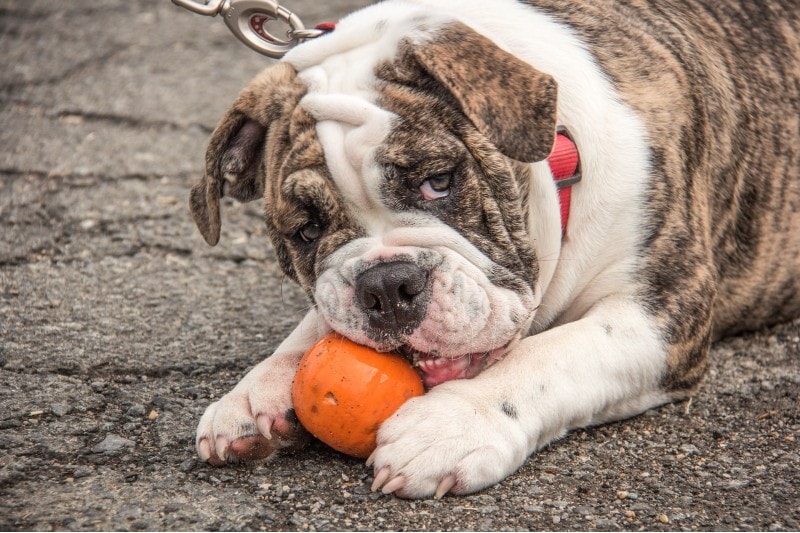
It’s always a terrible time when your canine companion is throwing up, especially when you don’t know why they are. When cleaning up your pet’s vomit (whether your pup has thrown up a single time or is doing so frequently), you should always check it to see what’s coming up, as what’s in the vomit could hold clues as to why your dog isn’t feeling well. Sometimes, in a dog’s vomit, you’ll find a slimy-looking substance that looks like mucus. But what does it mean when your dog throws up mucus?
While many people think of mucus as primarily coming from the nose or respiratory tract, mucus also lines the digestive tract. It protects and lubricates the mucus membranes and helps the passage of feces. Mucus in a dog’s vomit can mean several things and sometimes is a concern. However, if your pup has only thrown up once and there’s a small amount of mucus in it, you probably don’t need to worry straight away and can monitor the situation. But if you see a lot of mucus or your dog throws up often and mucus is involved, a vet visit is in order.
Here are seven possible reasons and what you should do if you think they may apply to your dog.

The 7 Reasons Why Your Dog Is Throwing Up Mucus
1. Diet
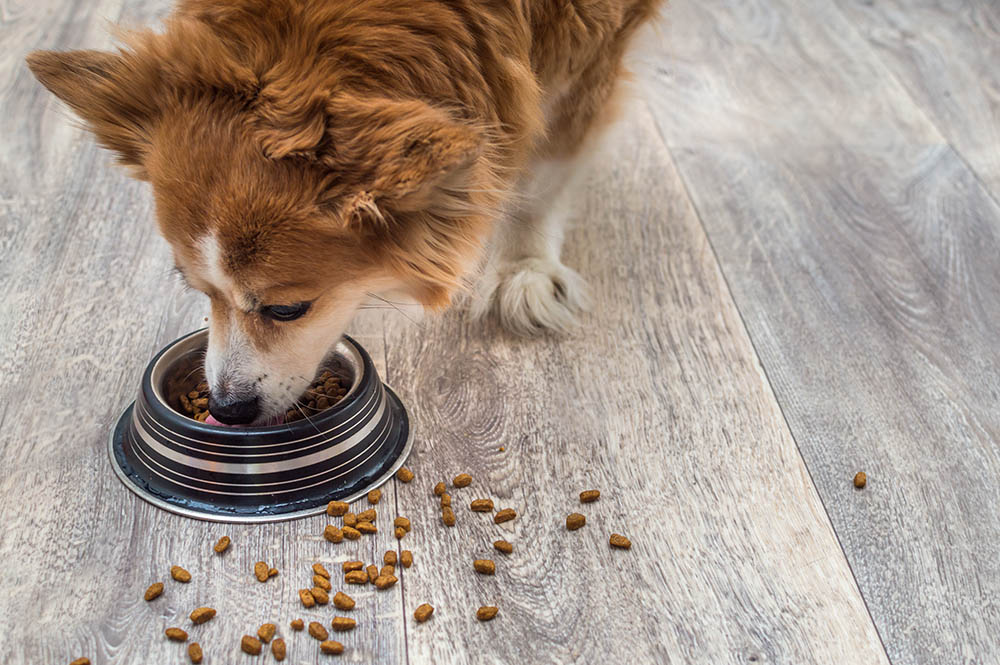
A frequent cause of vomiting in dogs is due to something they have eaten. This may be a sudden diet change, or due to scavenging and eating something they shouldn’t. Either of these things could cause stomach upset, leading to vomiting, and that vomit might have mucus in it. If your pet has had a recent change in their dog food and they throw up just once or twice with mucus but are otherwise well, you can keep an eye on them and they will usually be fine. Their stomach should be allowed to settle, and you should slow the transition from one food to another.
If they’ve eaten something solid that could cause a bowel obstruction or might be toxic, though, always contact your vet straight away! Whether it’s a case of a diet change or dietary indiscretion, if your pup continuously vomits, a vet visit is in order.
If you need to speak with a vet but can't get to one, head over to PangoVet. It's our online service where you can talk to a vet online and get the advice you need for your pet — all at an affordable price!

2. Drinking or Eating Too Quickly
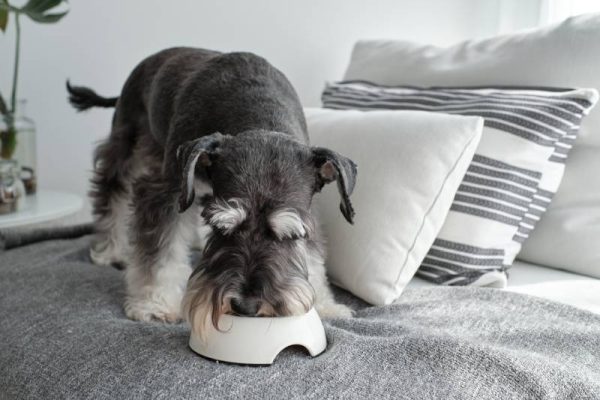
Does your favorite doggo eat or drink too quickly? If so, that could be why they’re throwing up mucus. Just like us, a dog who scarfs their food down may not feel so great after, which could lead them to vomit. If this sounds like your pet, consider using a slow feeder to remedy the problem. This will also help keep your dog from suffering from bloat.
3. Inflammatory Bowel Disease
Anything that irritates a dog’s gastrointestinal tract can lead to mucus in the vomit. In the case of inflammatory bowel disease (IBD), the tract is chronically irritated and inflamed. IBD in canines can lead to chronic diarrhea or chronic vomiting, and that vomit may very well have mucus in it.
If your pet has ongoing vomiting or diarrhea, it’s vital you take them to the vet. IBD is a chronic disease that requires treatment involving diet changes, supplements, medication, or a combination of those things.
4. Kennel Cough
If a dog has kennel cough, they might cough up something that looks like foamy white mucus and this can be confused with vomit. Also, sometimes dogs will cough so forcefully they can actually vomit. If you think your dog may have kennel cough, contact your vet for further steps. Kennel cough is often mild and resolves itself, but it is very contagious to other dogs and can occasionally lead to serious health issues. Vaccination is the best way to prevent your pup from getting kennel cough.
5. Parvovirus
Parvovirus can also cause vomit with mucus in it. This virus attacks the gastrointestinal tract and immune system of dogs. Parvovirus is more common in puppies, as adult dogs are usually vaccinated against it. Besides vomiting, dogs can also experience extreme diarrhea (which also often contains a lot of mucus), abdominal pain, loss of appetite, lethargy and a fever.
Dogs with parvovirus quickly deteriorate and become dehydrated and weak. Without prompt veterinary treatment it can be fatal. Contact your vet immediately if your dog is showing any signs that might be consistent with parvovirus. The best way to protect against it is to vaccinate your pet.
6. Bilious Vomiting Syndrome (BVS)
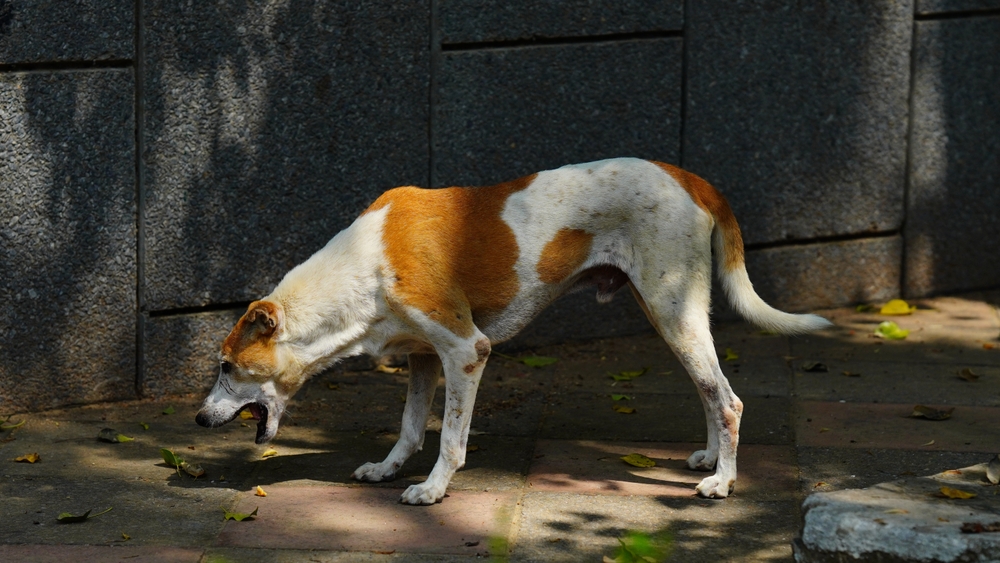
Bilious Vomiting Syndrome (BVS) is another disease that can make a dog vomit up what looks like mucus. Dogs vomit up bile-stained yellow fluid which can appear foamy or mucusy. BVS occurs when a dog hasn’t eaten for a long while, so it is most common for dogs to vomit first thing in the morning. The situation is often remedied by feeding a dog small meals more frequently including a light meal just before they go to bed. However, if your dog is recurrently vomiting up bile like material it is important to consult with your vet for proper diagnosis and advice on management.
7. Parasites
Finally, mucus in vomit might indicate your dog has a parasite like roundworms. You may also find mucus (or even blood) in their stool, and they may be experiencing diarrhea and a lack of appetite. Dogs suspected of having parasites should be taken to the vet as soon as possible for testing. Most parasites are easily treatable, so your dog should return to normal in no time. Your vet can also advise you on preventative deworming medication that’s appropriate for where you live and your dog’s needs.
Conclusion
If your favorite canine companion has vomited up mucus once or twice and are otherwise well in themselves, you can start by keeping a close eye on them. Sometimes it might just be something that settles quickly, for example if they’ve eaten food they’re not used to which has upset their tummy.
If the vomiting is recurrent or coupled with other concerning signs such as diarrhea, inappetence, lethargy or blood in the vomit, then you should get them checked out by your veterinarian as soon as possible to rule out any serious health concerns.
Featured Image Credit: Al More, Shutterstock
 The 7 Reasons Why Your Dog Is Throwing Up Mucus