Why Does My Puppy Pee So Much? 12 Vet-Reviewed Reasons


In this article
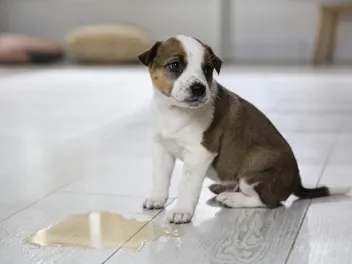
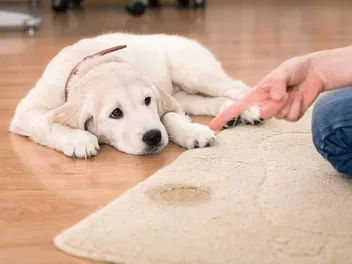
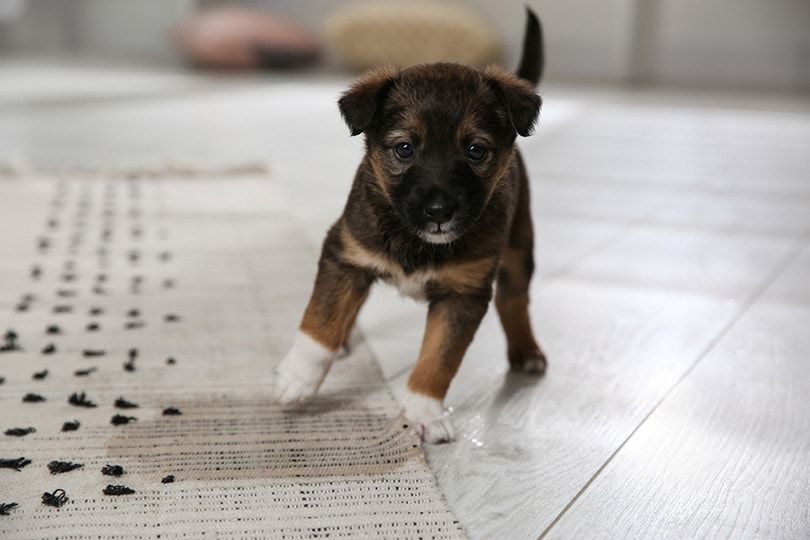
Puppies bring an endless amount of love and joy to a home, but there’s no question that your first few months with them can be exhausting. If you feel like your life revolves entirely around your puppy’s bladder, you’re not alone. Whether you’re standing out in the cold trying to convince your puppy to pee or you’re cleaning urine off the living room floor, you quickly learn to be vigilant and interpret your pet’s “pre-potty” behavior in an effort to avoid a mess.
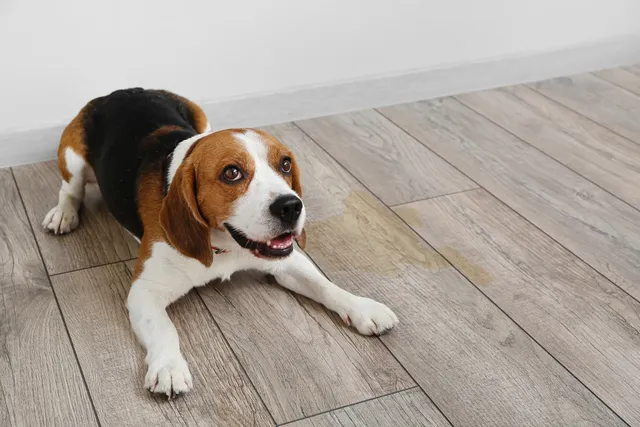
Puppies do pee frequently and most of the time, it’s completely normal. They have small, immature bladders, and most haven’t developed the muscle strength to “hold it” for any length of time. For small pups, when they’ve got to go, they’ve got to go now. But, sometimes puppies may pee excessively. There are both medical and behavioral reasons why this can happen. If your puppy is peeing a little too often, it could be a sign that something is wrong.

The 12 Reasons Why Puppies Pee Frequently
Normal Reasons For Frequent Urination
1. Small Bladders
Puppies have smaller bladders than fully grown dogs. They also haven’t fully developed their muscle tone, making it hard for them to hold in pee for any length of time. Combine these two factors, and puppies have to pee frequently. Basically, as soon as they get the urge to pee, they will go.
2. Urine Marking
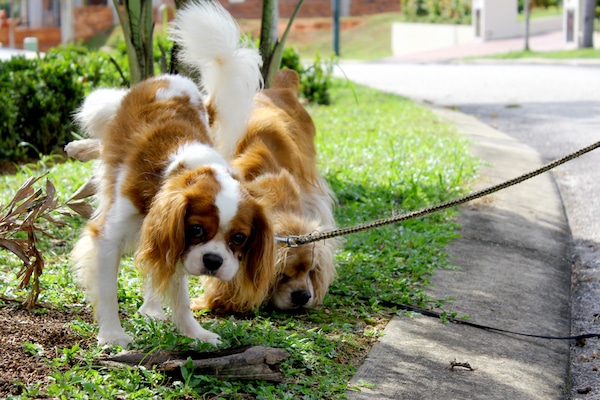
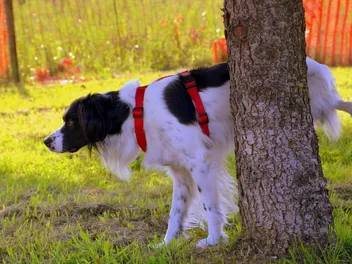
It is common for male dogs to “mark their territory.” Dogs that run around the yard, lifting their leg on every bush, are doing just this. Puppies will typically start exhibiting marking behavior around 3 months old. Since it’s a communication device to tell other dogs to back off, they don’t often mark inside the house, but puppies don’t always know the rules.
Puppies that aren’t fully housetrained may exhibit urine marking indoors. You are most likely to find these spots on vertical surfaces.
3. Submissiveness and Excitement
When puppies get excited, they pee. They just don’t have the muscle strength to hold it all. It’s common for them to dribble urine during playtime or when you come home at the end of the day.
Sometimes, peeing is a submissive gesture in puppies that are fearful.

Medical Reasons for Frequent Urination
4. Urinary Tract Infection
Urinary tract infections cause puppies to feel like they need to pee more frequently and get the urgent need to urinate. Fortunately, urinary tract infections are easy to treat when they’re caught early. Your veterinarian can diagnose this through a small urine sample and prescribe appropriate treatments.
If you suspect your dog is suffering from a UTI or any urinary condition, a consult with your vet could help.
5. Kidney Infection
Kidney infections have many of the same symptoms as urinary tract infections and require frequent trips to the bathroom. As with urinary tract infections, they can usually be treated with a course of antibiotics.
6. Bladder Stones
Bladder stones can arise for different reasons, but they can give your puppy an urgent need to empty their bladder. Sometimes, stones also cause blood in the urine. They are painful and can be life-threatening if left untreated, so be sure to seek immediate veterinary assistance if you think that your puppy has bladder stones.

7. Kidney Stones
Like bladder stones, kidney stones cause an increased frequency of urination. Kidney stones are rare in dogs, though, and often resolve on their own without treatment. On rare occasions, they can migrate and block your dog’s ureter, so if your pup is constantly peeing and suddenly stops, this is a reason to seek emergency veterinary care.
8. Medications
Some medications can cause both puppies and adult dogs to pee more often than usual. Most vets will warn you of this side effect when starting a medication, to alleviate any worries ahead of time.
9. Tumors
While they are rare, brain or spinal tumors that place pressure on parts of the nervous system can impair the bladder's ability. Tumors are found more frequently in senior dogs rather than puppies.

Behavioral Reasons for Frequent Urination
10. Attention-Seeking
Sometimes, puppies develop negative behaviors because they aren’t sufficiently mentally or physically stimulated. Urinating in inappropriate places can be one of those behaviors. Much like a toddler who throws a tantrum to get attention, puppies having pee accidents may want to get your attention.
Fortunately, this is the easiest cause of frequent peeing to fix because it involves changing how much exercise, playtime, and attention that you give your puppy. It can be as simple as taking your puppy to the backyard to throw a ball every afternoon.
Investing in high-quality chew toys or dog puzzles is also a great way to stimulate your puppy when you can’t provide them with attention. Puppies can be demanding, so finding things to keep them busy is a lifesaver.
11. Anxiety
Many dogs pee when they are nervous. Unfortunately, this instinctive reaction is tricky to fix. In many cases, more stimulation, socialization, and exercise help, but some dogs are just naturally high-strung. These dogs often need a retreat or safe space where they can hide and feel secure.
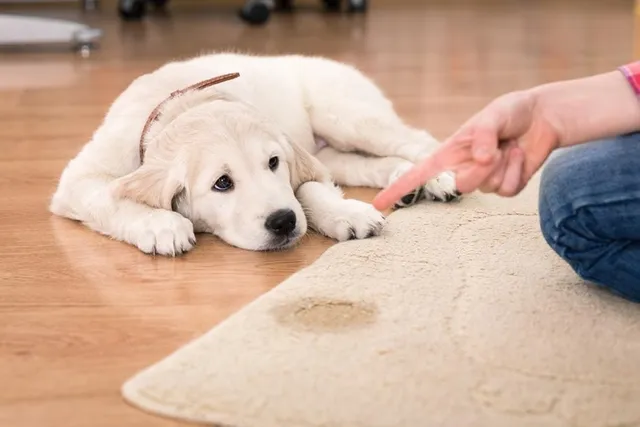
Another consideration is whether you may have accidentally caused anxiety around peeing in your puppy. Maybe they had an accident and you yelled at them. Sometimes this makes dogs afraid that you will do it again. If this is the case, don’t panic. Puppies can be exhausting and cause us to lose patience. Spend time teaching your puppy that you’re not to be feared. Positive reinforcement training strategies will help your dog learn that you are a safe person. It takes time but it can be rectified.
12. Incomplete or Improper Training
This might be hard to hear, but it’s entirely possible that you are the reason that your puppy is peeing too much. Puppies don’t know when they are or aren’t supposed to pee — it’s your job to teach them.
Developing consistent training methods regarding bathroom time is important, as is taking your dog out on a regular schedule and after eating and drinking. Then, provide tons of praise and affection when they do go to the bathroom at the right time and place. Give them a treat, pet them, cuddle them, and overall make a big deal out of what a good dog your puppy is. Do this every single time they go. This kind of positive reinforcement and regularity in training is what will develop good potty behaviors in the future.
Quick Tip: You may need to regularly take your puppy to the bathroom for quite a while. Even if they aren’t having accidents in between trips outside, don’t assume that they will start telling you when they need to go. They may simply be developing the ability to hold it until the next time that you take them.
How to Deal With Frequent Urination in Puppies
The reason that your pup is peeing so much will affect how you can fix the behavior. There are a few things to try to help your puppy gain better control of their bladder.
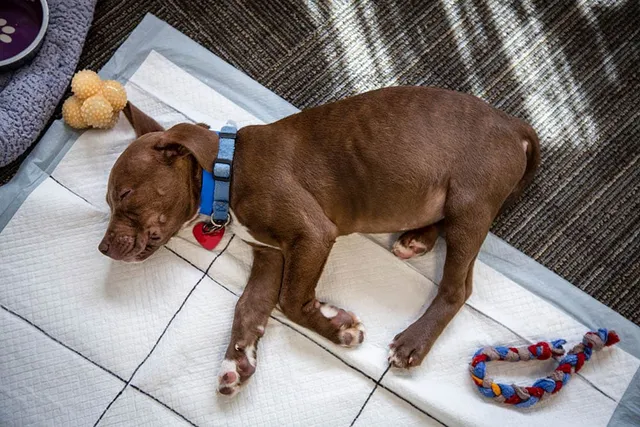
- Crate training: This is one of the most effective methods of potty training because dogs instinctively won’t potty in their “den.” You still need to take them to the bathroom every hour or 2 at the beginning, but you will be able to gradually increase the time between trips.
- Belly bands or diapers: If your dog has a medical reason for peeing so often, you may need to cut your losses and find a way to reduce the mess. Belly bands for male dogs and diapers for females won’t stop the peeing, but they will make cleanup easier.
- Longer potty breaks: If your puppy tends to pee shortly after you come inside, consider taking a long walk. Dogs don’t always empty their bladder in a single pee. Sometimes they need to go three or four times before it’s truly empty.
- Thoroughly cleaned-up accidents: Dogs often decide where they’re supposed to pee based on scent. If your dog has peed in the house and smells a trace of it left behind, they begin to think that is their new potty spot. It’s important to make sure you eliminate all smells from an accident to avoid a repeat incident.
How Much Is Normal?
While adult dogs can hold their pee for extensive (and often impressive) amounts of time, puppies can’t. If you’re used to an adult that only pees every 8 hours or so, you may be surprised at how often pups need to go.
Puppies need to pee within 10 to 30 minutes of filling themselves up. This means puppies under 6 months old need to be taken out every hour or 2. After that, they can hold their bladder for about the same number of hours as their age in months, up to 9 months old. So, a 1-month-old puppy needs to pee every hour, whereas a 6-month-old puppy needs to go about every 5–6 hours. If your 6-month-old needs to go every hour, this is a sign to see your veterinarian.
It’s important to note that there are reasonable exceptions within these guidelines. If your puppy normally holds it for about 5 hours but one afternoon, needs to go three times, monitor whether this behavior continues for the next few days. It could just be that they drank extra water that day. Also, if your 9-month-old puppy can only hold it for 7–8 hours, this is probably not a reason for concern. Many dogs max out at this time frame, and it’s perfectly normal.
Difficult Breeds
Whether certain breeds of dogs need to urinate more frequently than others is a topic of dispute among veterinarians and trainers. However, a few breeds are considered more difficult to Relatedin than others. Whether this is true or just a perception, we can’t say, but here is a list of notoriously “difficult to housetrain” breeds:
- Basset Hound
- Beagle
- Bichon Frise
- Chihuahua
- Dachshund
- Jack Russell Terrier
- Maltese
- Pekingese
- Pomeranian
- Pug
- Whippet
- Yorkshire Terrier
Conclusion
If you think that your puppy is peeing too much, it’s important to take note of how often they actually are peeing to ensure that it’s not just your perception. Puppies have to pee frequently, and this is normal, especially if they are very young. There are several medical and behavioral reasons that may cause your puppy to pee too frequently. If you think that this may be the case, we strongly recommend that you work with your veterinarian to find the best solution.
Related Reads:
Featured Image Credit: New Africa, Shutterstock
Expert dog care, straight to your inbox
News, insights, expert advice, and everything dog.

No spam — unsubscribe anytime.
By signing up, you agree to our Terms & Conditions and Privacy & Cookies Policy.
How useful was this post?
Click a star to rate. You can leave written feedback afterwards. (We read all feedback.)
Chelsie is a freelance writer who is passionate about helping owners and pets live their best lives. She resides in rural Alberta, Canada with her husband and two sons, and is currently a pet parent to four horses, four cats, and a Border Collie .