Whelping Box for Dogs: What It Is & What Should Be in It (Vet-Approved)


In this article
If you are expecting a litter of puppies, the most important step is to provide your pregnant dog with a safe and comfortable whelping box for her puppies. This is important for the comfort of the female dog and the safety of the newborn puppies.
Learn more about whelping boxes, why they’re important, what should go in them, and how you can prepare the ideal nesting area for your pregnant dog to give birth safely and securely.

What Is a Whelping Box?
Dogs and other canids seek out dens to give birth. Secure dens provide quiet, protection from the elements, and barriers on several sides that allow the mother to defend the space from predators. In your home, the whelping box serves this same purpose: to allow your dog to feel secure and reduce stress while giving birth and nursing.
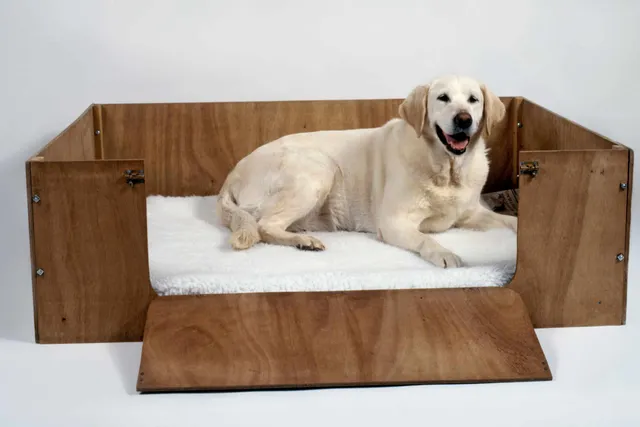
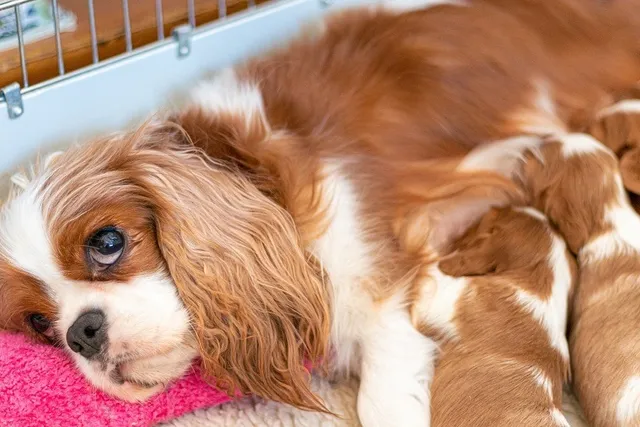
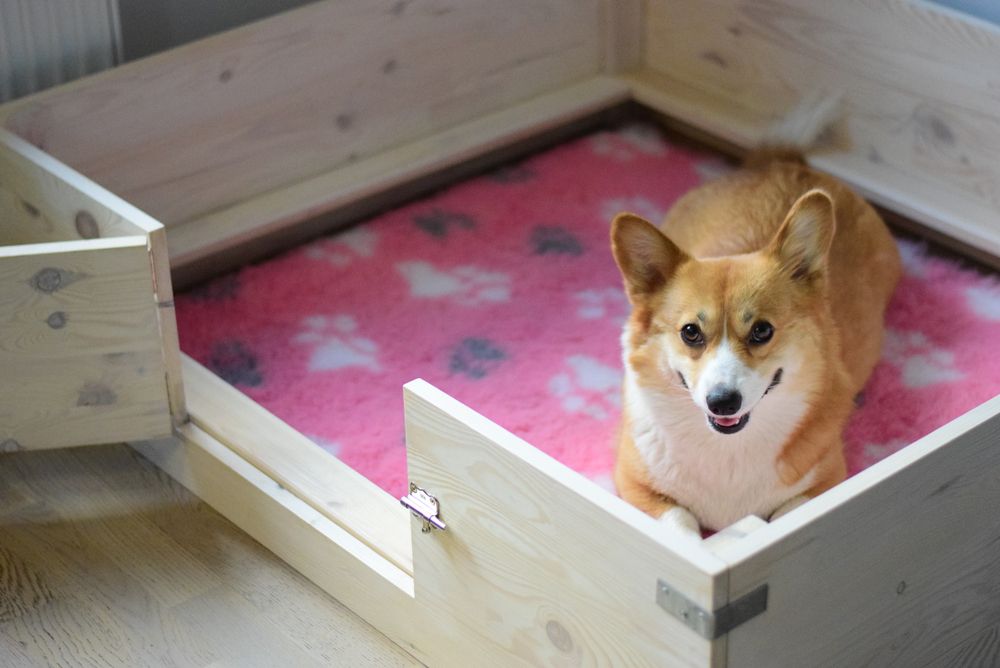
A whelping box, also known as a nesting box or whelping den, is a safe and secure location for dogs to give birth to their puppies. A well-designed whelping box is a clean, soft, warm environment that protects the puppies from other dogs in your household, draughts, and crushing or smothering from the mother.

Where to Set Up a Whelping Box
The location of the whelping box is just as important as its design. Look for a quiet, climate-controlled space that gets low traffic in your home. Ideally, a room with a door that can close to give your dog more security is ideal.
Hygiene is also important. Make sure the space you choose is easy to keep clean and clutter-free. Extra bathrooms with tile floors, small areas in warm finished basements, and spare bedrooms with hard flooring work well. If you have a closed laundry room, this can work if you’re willing to avoid laundry for several weeks.
If you have children or other pets, make sure they can’t access the whelping area. Though well-meaning, children may not understand the boundaries your dog has for her puppies and may invade her space, adding to her stress and potentially making her defensive. You should also keep any other dogs or pets away from the whelping area.
If you don’t have an isolated space, set up an ex-pen or puppy playpen around the box or gate a smaller space in your home to prevent other pets from having access once the puppies are born.

What Should Be in a Dog Whelping Box?
How you set up your whelping box plays a huge role in how comfortable your dog feels when she gives birth and cares for her puppies.
You can purchase pre-made whelping boxes from retailers or make one yourself. Large cardboard boxes, plywood panels, or PVC panels can be used to build a simple whelping box with an opening that your female can enter and exit easily but will contain the puppies. Ideally, whelping boxes should be one and a half to two times the length of the female, allowing her to stretch out comfortably.
Here are some features you should include in your whelping box:
- Solid materials that prevent drafts and keep puppies contained
- A spacious opening for your dog to get in and out comfortably
- Bedding that lays flat and provides traction
- Box materials and bedding fabric that’s waterproof and easy to clean or dispose of
- Bumper rails ( roll-bars/pig rales) around the inside to prevent newborn puppies from getting crushed or smothered against the sides
If your whelping room is cold, you may want to add a supplemental heat source to keep the puppies warm. Eighty-five degrees Fahrenheit is ideal for puppies. Remember that too much heat is just as dangerous as too little, so make sure your heat source is secure with no accessible wires and in an area where your dog and the puppies can move away if they need to.
How to Introduce Your Dog to a Whelping Box
Some dogs take to nesting naturally, but it’s best to introduce the soon-to-be-mother to the whelping box as early as possible before her delivery date. This helps her become comfortable and adjust before the puppies are born. Give her praise when she’s near or inside the whelping box to encourage her to use it.

Frequently Asked Questions (FAQ)
When Can I Move My Dog to a Whelping Box?
You should introduce your dog to a whelping box at least a week before her delivery date. This gives her time to adjust. If you can set it up a little earlier, feel free to do so and encourage her to spend time there.
Why Won’t My Dog Go in the Whelping Box?
It’s important to give your dog time to adjust to a whelping box. Everything should be set up and in position at the latest a week before she’s due.
Should I Have Blankets in the Whelping Box?
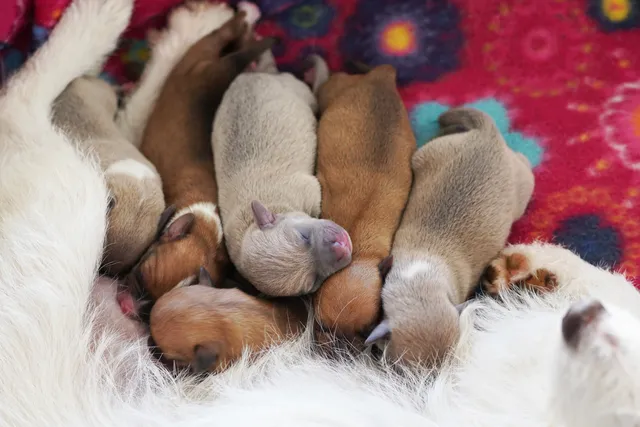
Puppies need a clean, flat surface with traction. In winter, a washable blanket laid on top of some newspaper or puppy pads is a good choice to help puppies stay warm and move around comfortably. Vet beds are also a practical option. In summer, using a sheet is fine. Avoid deep, loose bedding that could smother puppies or interfere with their breathing.

Is It Normal for a Dog to Leave the Whelping Box?
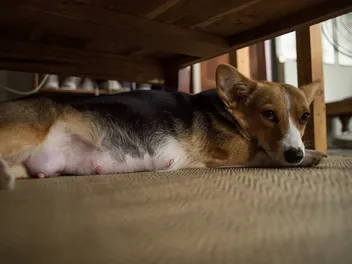
Yes, your dog needs some time away from the whelping box and the puppies. Your dog may leave the whelping box when the puppies are sleeping. However, if she doesn’t return or respond to the puppies’ crying, you may need to consult with your vet for advice.
Can I Leave My Dog Alone With the Puppies?
No, it is not a good idea to leave newborn puppies unsupervised with their mother. Although they need some space to bond, it is recommended to closely monitor them, especially in the first weeks after they are born, to ensure the mother is caring for them properly. If possible, sleep in the room with the whelping box to monitor them.
Will My Dog Reject Her Puppies if I Touch Them?
It’s an enduring myth that dogs (and other animals) will reject their offspring if a human touches them. You can touch the puppies if you need to, but try to avoid handling them too much in the first few weeks to allow mothers time to bond with them. Puppies are delicate and need gentle handling. The mother can become protective of her puppies as well.
Conclusion
The whelping box is one of the most important aspects of your dog’s comfort when she gives birth to puppies. You should set up your whelping box at least a week early and introduce it to your dog to ensure she feels comfortable when the time comes.
Related Reads:
Featured Image Credit: Jus_Ol, Shutterstock
Expert dog care, straight to your inbox
News, insights, expert advice, and everything dog.

No spam — unsubscribe anytime.
By signing up, you agree to our Terms & Conditions and Privacy & Cookies Policy.
How useful was this post?
Click a star to rate. You can leave written feedback afterwards. (We read all feedback.)
Nicole has loved animals of all sizes her whole life so it's no wonder she has dedicated her career to helping them through what she loves best: learning, writing, and sharing knowledge with others. She’s the proud mom of two dogs, a cat, and a human. With a degree in Education and 15+ years of writing experience, Nicole wants to help pet parents and pets around the planet to live happy, safe, and healthy lives.