Can You Touch Newborn Puppies? Vet-Verified Handling Risks & Advice


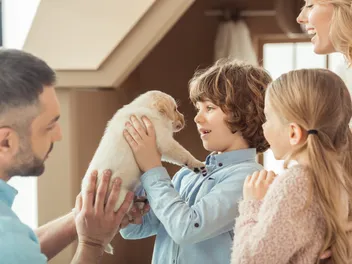
Newborn babies of any species are some of the cutest creatures you’ll ever see. Puppies are no exception and the temptation to pet and cuddle these new babies can be hard to resist. You may have heard or been taught that you shouldn’t touch newborn puppies or their mother will reject them, but is this true?
The handling of new puppies should be kept to a minimum, but it’s not because it will cause the mother to reject them. Veterinarians and their staff often have to handle puppies immediately after birth if the mother has complications or has to have a cesarean section (or C-section), and that doesn’t result in any rejection from the mother.
In this article, we'll discuss why you should touch newborn puppies as little as possible, appropriate reasons for handling them, as well as reasons why mother dogs might reject their babies.

Why Newborn Puppies Shouldn’t Be Handled Often
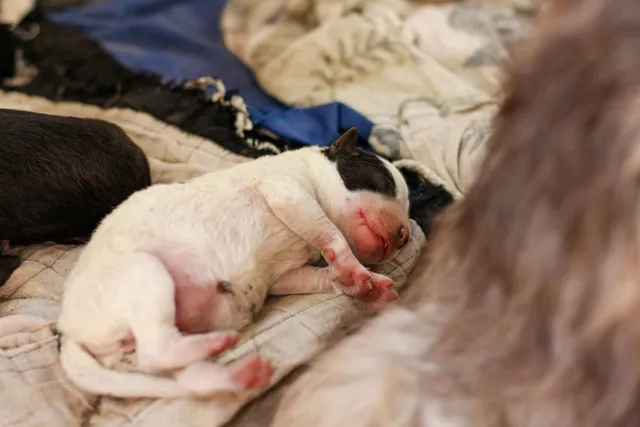
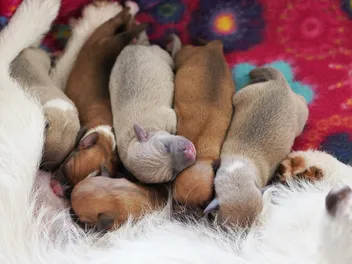
Like most newborns, puppies are fragile and entirely dependent on their mother’s care and protection. They are blind and deaf for the first couple of weeks of their lives. They need assistance to eat and stimulation to urinate and defecate.
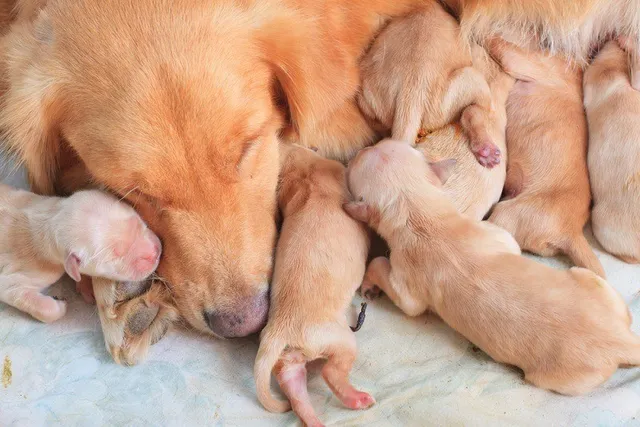
Newborn puppies aren’t able to maintain their own body temperature and can easily become too cold. When you handle a puppy and remove them from their mother’s warmth, it could become dangerously cold more quickly than you realize.
As newborns, puppies need to eat frequently to keep their blood sugar at normal levels. Their bodies are unable to regulate their blood sugar levels until they are older. Frequent handling by humans can interfere with the pups' feeding schedule and lead to low blood sugar or stunted growth in the long run.
The immune system of newborn puppies isn’t fully developed yet, leaving them at risk of getting sick easily. Human handling or time spent with other animals could expose them to infectious diseases or parasites.
Studies have shown that the quality of bonding a puppy has with their mother strongly impacts its cognitive and behavioral development. As long as the mother dog is caring for her puppies and they are thriving, the less human touch and handling the pups receive, the better off they will be.


When It’s Okay to Handle Newborn Puppies
As we mentioned previously, there are cases when veterinarians and their staff must handle newborn puppies right after they are born to ensure their survival and to keep them warm and fed until the mother is able.
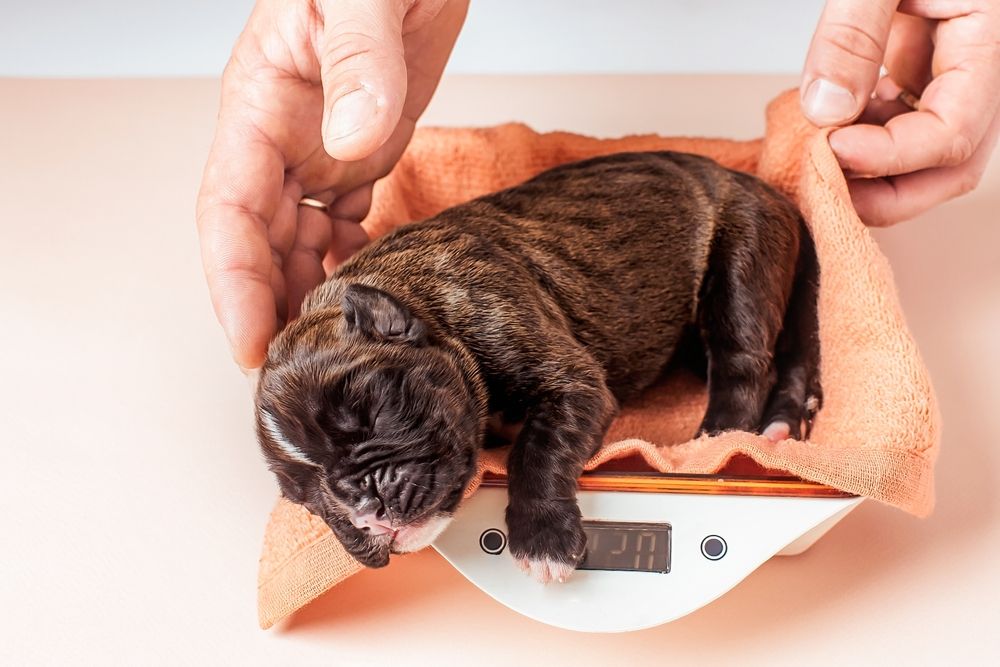
Sometimes, you'll need to touch and handle newborn puppies briefly to make sure they are clean and healthy. For example, it's a good idea to regularly weigh each puppy to make sure they are eating enough and growing. Puppies who aren't gaining weight appropriately may need extra nutrition via bottle-feeding.
Mother dogs, like all caregivers, need to take brief breaks from their babies to eat and go outside. During this time, you can take the opportunity to check over the puppies and make sure their space is cleaned and comfortable. Again, make sure the puppies don’t get too cold and keep handling to a minimum.
Only handle newborn puppies with clean hands, or even with gloves, and keep the puppies away from other pets while you’re touching them.
Why Mother Dogs Reject Their Puppies
Unfortunately, mother dogs do sometimes reject or even kill their puppies despite the best efforts of the humans involved.
Mother dogs who are stressed or sick themselves may not be able to adequately care for puppies and reject them. Anecdotally, mother dogs that are extra attached to their owners may not want to stay with their puppies if their owners aren’t nearby.
Natural instincts also play a role in the behavior of mother dogs. In the wild, noisy puppies may attract predators, and mother dogs may react to protect themselves by permanently silencing the pups. Mother dogs may also kill or reject sick puppies who are failing to thrive out of instinct.
Young and inexperienced mother dogs or certain breeds of dogs may be more likely to kill or reject their puppies. This is one reason why responsible breeders wait until their female dogs are mature, at least 2 years of age, before allowing them to become mothers.

Conclusion
Breeding and raising puppies is a big responsibility and not to be taken lightly. However, you don’t need to worry that touching the puppies will automatically cause the mother to reject them, and, as we learned, there are certain circumstances when you need to handle the puppies; for example, after a C-section.
If the mother dog rejects her puppies for other reasons, you may find yourself having to raise them yourself and you’ll get all the puppy time you can handle! However, as hard as it may be, resist the urge to constantly play with the babies until they are older to allow them to bond with their mothers and stay warm and healthy.
See Also:
Featured Image Credit: olgaarmawir, Shutterstock
Expert dog care, straight to your inbox
News, insights, expert advice, and everything dog.

No spam — unsubscribe anytime.
By signing up, you agree to our Terms & Conditions and Privacy & Cookies Policy.
How useful was this post?
Click a star to rate. You can leave written feedback afterwards. (We read all feedback.)
Elizabeth Gray is a lifelong lover of all animals great and small. She got her first cat at 5 years old and at 14, she started working for her local veterinarian. Elizabeth spent more than 20 years working as a veterinary nurse before stepping away to become a stay-at-home parent to her daughter. Now, she is excited to share her hard-earned knowledge (literally--she has scars) with the readers. Elizabeth lives in Iowa with her family, including her two furry kids, Linnard, a husky mix and Algernon, the worldʻs most patient cat. When not writing, she enjoys reading, watching all sports but especially soccer, and spending time outdoors with her family.