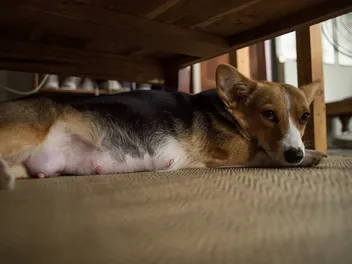
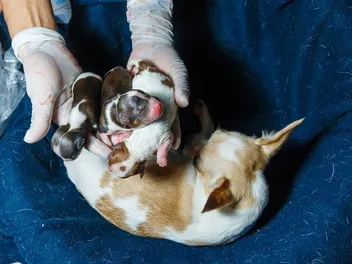
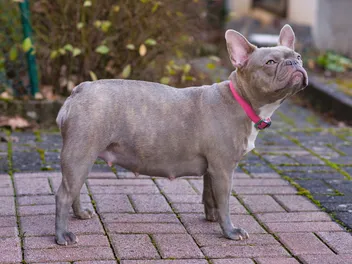
How to Help a Dog Give Birth for the First Time at Home: 11 Dog Pregnancy Tips (Vet Verified)

In this article
Witnessing puppies be born is an exciting experience, but it can also be overwhelming and stressful if you’ve never helped a dog give birth before. Fortunately, you can rely on expert tips and guidance to get through the process and enjoy all the positive aspects of puppy beginnings. Here is how you can help your dog give birth for the first time.

Before You Begin
You should have an idea of when the due date is and make sure your dog’s health is in good condition throughout the pregnancy. A dog’s gestation period is typically 63 days from conception. Knowing the estimated due date will help ensure that you have everything prepared for the event and that you are ready to act from the moment that you spot signs of labor.
You should also schedule regular checkups with a veterinarian to ensure that necessary care is not overlooked. They can provide you with expert guidance and advice throughout the pregnancy and while preparing to help your dog give birth. Keep a vet’s emergency contact details on hand should you need to contact them during whelping.

What to Expect During the Puppy Birthing Process
You should understand what to expect during the birthing process when everything is going right. This will help you recognize if getting help will be necessary once it begins and at any time thereafter.
Here’s how it goes down:
If things do not go as you expect, consult with a veterinarian as soon as possible. You may have to take your dog in for monitoring, medication, and/or delivery assistance to keep her and the puppies safe and healthy. Even if you don’t have to see a vet, you may need guidance about what to do to correct issues if they arise.
How to Help Your Dog Give Birth for the First Time at Home
When It's Almost Time for Your Dog to Give Birth
There are several things that you should do to help ensure that the birthing process goes smoothly, but these should be done before the process actually begins. If you wait until labor starts, there won’t be enough time to complete the following tasks.
1. Prepare a Whelping Box
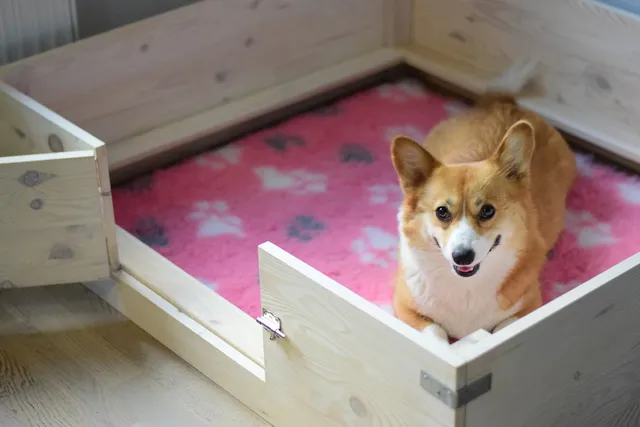
A whelping box is a safe place for your dog to give birth that is clean and will keep the puppies in one place. It should also maintain warmth so the puppies won't get cold, and it should provide the mother with the peace of mind that everyone is safe and won't wander off, get lost, or even be injured. It needs to be big enough for your dog to stretch out and turn around in. You can purchase a whelping box, or if you’re a do-it-yourself kind of person, you can make one yourself.
2. Find a Place to Put the Whelping Box
You should find a quiet place in your home to put the whelping box where your dog can give birth and take care of her puppies once they are born. The space should be warm and comfortable, perhaps in the corner of your bedroom or a walk-in closet. It should also be temperature controlled to ensure that the puppies won’t get too warm or cold. Make sure the area can be closed off to keep out other pets and children until the puppies are old enough for visitors.
3. Dress the Whelping Box
Once your dog’s new whelping box is in place, you can dress it up to make it nice and cozy. Start by lining the bottom of the box with absorbent material, such as potty pads or a few layers of newspaper. Then, place a blanket or towels on top of the lining, keeping in mind that you’ll need to replace and wash these regularly once the babies are born. Pillowcases can also be used, as these are typically thin and easy to wash. Do not use hay or shavings of any kind, as the puppies could choke on the material.
When It’s Time to Deliver the Puppies
4. Watch for Signs of Labor Starting
When your dog’s due date draws near, keep an eye out for signs that labor is imminent or has begun. Once it has, guide your dog to her whelping box and get her comfortable there.
Here are the signs to look out for:
After you know labor is happening, here is what you can do to help your dog deliver her babies.
5. Make Sure Your Dog Is as Comfortable as Possible
A helpful thing that you can do while your dog gives birth is to make sure she is as comfortable as possible. Observe and support her as necessary, but give her space and peace, and make sure the room is calm and quiet.

6. Keep an Eye Out for Problems
An important job that cannot be overlooked is keeping an eye out for problems. In most cases, dogs give birth without issue. However, like with any birth, there is a chance that things could go wrong, so it’s crucial to know what to look for that could indicate a problem. The sooner that you realize something is wrong, the quicker you can get medical help.
One problem that you can resolve yourself, without professional intervention, is opening a puppy’s sac if necessary. Most mother dogs can and will remove the thin sacs that their puppies are born in on their own. However, some dogs need help due to exhaustion, the puppies being born quickly, or another reason. Always give your dog a chance to remove a puppy's sac herself, but if she doesn't free the puppy's head to breathe within a minute or so, tear a hole in the sac yourself using your fingers, and free the puppy’s head so they can breathe.
7. Stay Out of the Way
Your dog should be able to give birth without any help from you. In fact, interfering in the birthing process can cause problems after birth that could have been avoided had no human hands gotten involved. It’s a good idea to keep an eye on how things are going, of course, so you can get professional help if necessary, but otherwise, let things happen as they may. If you have any concerns at any time during the birthing process, call a veterinarian.
After the Puppies Are Born
8. Keep the Puppies Safe and Warm
Now that the new puppies have arrived, you can take steps to protect them from harm. Your dog is likely to be hungry, thirsty, and tired when all is said and done. The babies will be vulnerable to loud noise, bright lights, and possible injury or illness from handling.

9. Take Care of the Mother
Make sure she has food and water available where she can easily get to it without leaving her puppies. Allow the mother to rest in low light and without noise so she can feed her puppies and get much-needed rest.
10. Prepare the Family
Everyone will likely want to see and hold the puppies once they are born. It’s okay for everyone to look and “coo” over the puppies during the first few days after birth. However, handling should be reserved for the primary caretaker until the babies open their eyes, for the peace of mind of everyone involved (including the mother dog). Prepare the family for correctly handling the puppies: Show the kids proper holding techniques and have them practice on stuffed animals. Make sure everyone washes their hands prior to handling, and always supervise interactions.
11. Schedule a Checkup Appointment
Even if everything seems okay with the mother and her puppies after the birthing process, schedule a checkup appointment with a veterinarian. This will help ensure that any problems that could be developing are caught early so they can be addressed. Examples include a lack of milk production, abnormally colored milk, itchiness and swelling around the nipples, and unnecessary pain. A veterinarian will also help ensure that all the puppies are growing and developing properly.

Conclusion
Dogs rely on their natural instructions when giving birth to puppies, so if your dog is healthy and has been seeing the vet throughout her pregnancy, chances are that everything will go smoothly without any input from you aside from supervising. If at any time you are concerned, though, contact a veterinarian straight away.
See also:
Sources
Featured Image Credit: Karen Dole, Shutterstock
Expert dog care, straight to your inbox
Vet-reviewed advice, training tips, and the best of Dogster. Free, and you can unsubscribe anytime.
By signing up, you agree to our Terms & Conditions and Privacy & Cookies Policy.
Rachael has been a freelance writer since 2000. In this time she has had an opportunity to research and write about many different topics while working to master the art of fusing high-quality content with effective content marketing strategies. She is an artist at heart and loves to read, paint, and make jewelry. As a vegan, Rachael is obsessed with helping animals in need, both in her community and anywhere in the world where she feels she can make a difference. Animals also happen to be her favorite topic to write about! She lives off the grid in Hawaii with her husband, her garden, and her rescue animals including 5 dogs, a cat, a goat, and flock of chickens.
Join the conversation
Ask a question, share your story, or send private feedback.