In this article
View 3 More +One of the oldest hunting dogs in the world is the Vizsla, which was first bred in Hungary. These beautiful dogs are excellent in the field and the home and are known to be extremely high-energy canines. They also make strong bonds with their owners and are loyal to their core.
Vizslas thrive in households where their owners give them attention, affection, and training time. They do best with ample space to run, play, and work off their boundless energy. Are you curious about how long this breed lives? Vizslas live between 12 and 14 years. Read on to learn more, including the factors that can help them live longer and healthier lives!

What’s the Average Lifespan of a Vizsla?
You’ll be pleased to know that the average Vizsla is a healthy dog that can live to a relatively ripe old age of between 12 and 14 years. Of course, as with all dogs, the lifespan of your pet will be affected by many factors and there are certain health conditions Vizslas may be more prone to develop.
How To Care For a Vizsla and What Impacts Their Longevity?
We’ve broken down the most important factors affecting the Vizsla’s lifespan with tips on how to provide them with the best possible life.
1. Nutrition
As a puppy, your Vizsla will need puppy food that has a minimum of 23% protein as dry matter and at least 8.5% fat. Once an adult, these needs change slightly, with about 20% protein and around 5.5% fat required as a minimum based on the Association of American Feed Control Officials’ recommendations (AAFCO). Older Vizslas need a more digestible diet with fewer calories, but none of their life stages demands high carbs. No matter the food you feed your pet, a premium protein like fish, beef, lamb, or chicken must be included. It’s also critical that you keep snacks to a minimum since Vizslas can easily become overweight. It is always better to consult a veterinarian about the proper nutrition for your dog.
If you need to speak with a vet but can't get to one, head over to PangoVet. It's our online service where you can talk to a vet online and get the personalized advice you need for your pet — all at an affordable price!

2. Environment and Conditions
The living environment for a Vizsla is crucial for a long, healthy life. They form strong bonds with their owners. If socialized well from an early age, a Vizsla will get along fine with other dogs and cats and will be fantastic with children when supervised. However, they can suffer from separation anxiety and will do best with an owner who’s home more often than away, spending a lot of quality time with them. If they are spending a lot of time outside, they need to have adequate and warm shelter during the colder months, with plenty of shade, fresh water, and protection from the sun in the summer.
3. Enclosure Size/Living Quarters/Housing
Vizslas are highly energetic dogs that need a large environment to thrive, stay active, and remain healthy throughout their lives. These aren’t apartment dogs, unless they are adequately exercised every day, and may not do well in a small environment, even if there’s green space available. Vizslas grow strong attachments to their owners and should be given a bed near them so they sleep well at night.
They need a lot of exercise every day, consisting of long walks, running, playing, and ideally hiking. They are the perfect dog for a very active human who loves spending time in the mountains and getting lost on trails.

4. Size
As a medium-sized dog, the average Vizsla usually lives longer than large and extra-large dogs. Of course, all of the other elements on this list will contribute to their longevity, especially their nutrition, underlying health, and genetics. In other words, size isn’t a significant factor in how long your Vizsla will live.
5. Sex
There are few studies on which canine sex lives longer, but there doesn’t seem to be much difference when looking at gender on its own. The biggest influence on longevity in this instance is neutering or spaying, and findings have shown that neutered females live longer than entire females and male dogs.

6. Genes
You’ll be pleased to know that the Vizsla is generally a healthy breed, although there are a few health conditions worth keeping an eye on, as well as the general illnesses that may occur in any breed of dog. By ensuring a puppy is from a responsible breeder, with parents having had health and genetic testing, without inbreeding, the chances of genetic conditions that may affect their health and lifespan are much reduced. The most common health conditions that affect Vizslas are canine epilepsy, joint problems like hip dysplasia, melanocytoma, and eye conditions, including glaucoma and canine entropion.
7. Breeding History
As with all purebred dogs, you must find a reputable, caring, and conscientious breeder when adopting a Vizsla. This will significantly reduce the chance that your puppy will have health issues when they become an adult.

8. Preventative Healthcare
Regular veterinarian visits and checkups are the definitive methods of ensuring your Vizsla remains healthy. Making sure they’ve been vaccinated regularly, as well as receiving treatment against parasites is critical, as is keeping your Vizsla away from possible health risks like drinking from contaminated puddles or being exposed to sick or otherwise unhealthy animals. Neutering your Vizsla at the right time is also a way to reduce the likelihood of common health issues that may occur otherwise in middle-aged and older dogs, such as infection of the uterus, prostatic hyperplasia, mammary cancer, and others.
The 4 Life Stages of a Vizsla
1. Puppy (0–9 months)

It’s critical that you socialize your Vizsla well as a puppy to prevent any frustration, aggression, or anxiety issues once they become an adult. Socialization can begin around 5 weeks of age and continue well into late puppyhood. This is the time your puppy will receive their first vaccinations, vet checks, deworming, and flea treatment.
2. Young Adult (up to 3-4 years)
This period is when your Vizsla will reach their full body size and weight, so ensuring they are in an ideal body condition is crucial in keeping them healthy and preventing obesity. Some dogs may reach their full adult size at around 12 months of age, while others will take a bit longer. Still, often they don’t fully mature until they reach about 2 years old. Consult with your veterinarian about the adequate time to neuter or spay your Vizsla, depending on their age, size, health, and temperament. Expose your Vizsla to many life situations and continue socializing them with other people, children, and pets. Ensure you go through with obedience training using positive reinforcement and reward systems. Some dogs may also develop a love for agility or other canine sports.

3. Mature Adult (up to 10 years)
Mature adult Vizslas may start to slow down a little, especially as they are nearing the 8-10 year mark. They will still like an active lifestyle, but with plenty of opportunities to rest and recuperate. Ensure they are regularly checked by your vet, so any health issues that may arise with age are picked up and managed promptly. Keep an eye on their weight, as a reduction in exercise may cause them to start packing on pounds. Some dogs may require a diet modification based on any possible mobility or other health issues and according to your vet’s recommendations.
4. Senior (10+ years)
Older Vizslas may begin to lose muscle mass, especially around the back end, and their coat may also change color, especially on their face, becoming gray in places. Most will become noticeably less active, but may still enjoy playing games, going for walks, and doing other activities. Health conditions can also become more prevalent, along with separation anxiety and potty issues. Senior Vizslas may have more problems responding to commands, and their eyesight and sense of smell will be diminished. Make sure your pooch is seeing the vet often and any health conditions are managed adequately in order to ensure the best quality of life for your aging canine companion.
How to Tell Your Vizsla’s Age
Like most dogs, there are telltale signs that a dog is young, middle-aged, or older. However, unless you know your Vizsla’s birthday or purchased them from a breeder, determining their exact age may be difficult. The best things to check are their teeth, coat, and eyes, which will all show signs of aging. Your pet’s paw pads and energy level are also helpful in determining if they’re young or older. Missing or damaged teeth, gray hairs around the face, and mobility problems typically indicate that a Vizsla is a senior. For a more accurate estimation, visit your vet for an examination.

Final Thoughts
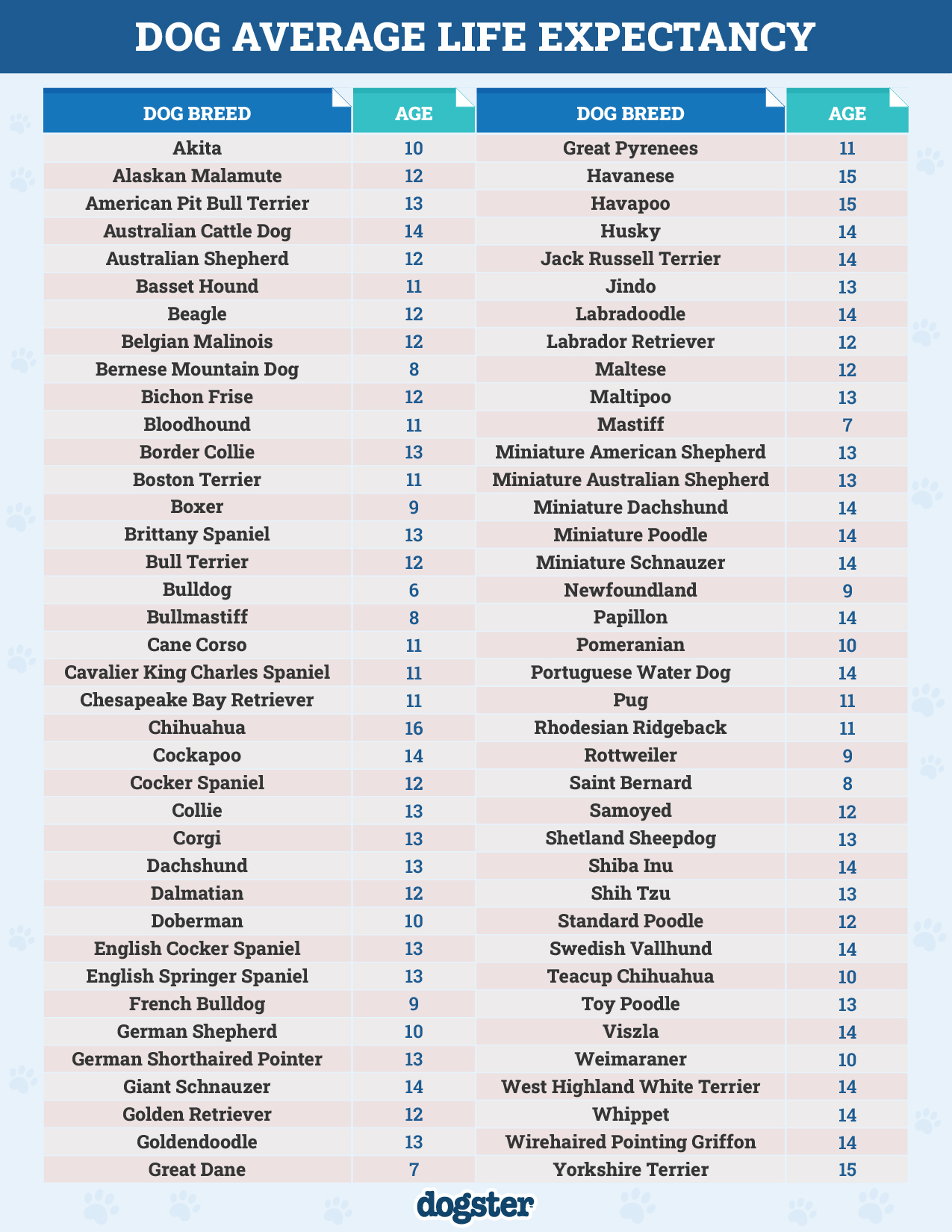
Vizslas are longer-lived dogs than most similar breeds, and they can live up to around 14 years. They don’t suffer from many genetic issues, which further enhances their longevity. It’s worth repeating that Vizslas are very active dogs that require a lot of mental and physical stimulation to remain healthy.
When well cared for, the typical Vizsla will be around for a long time and be a wonderful, affectionate, and fun-loving pet that will stick by your side through thick and thin.
Featured Image Credit: Vizslafotozas, Pixabay