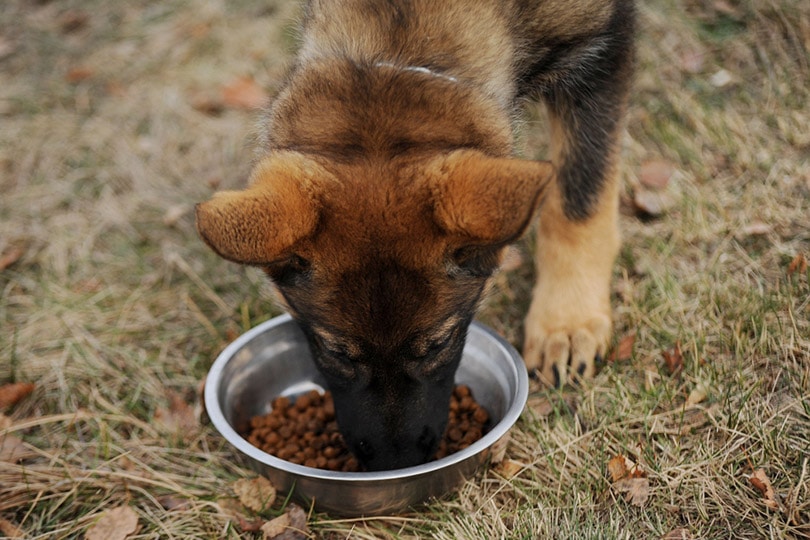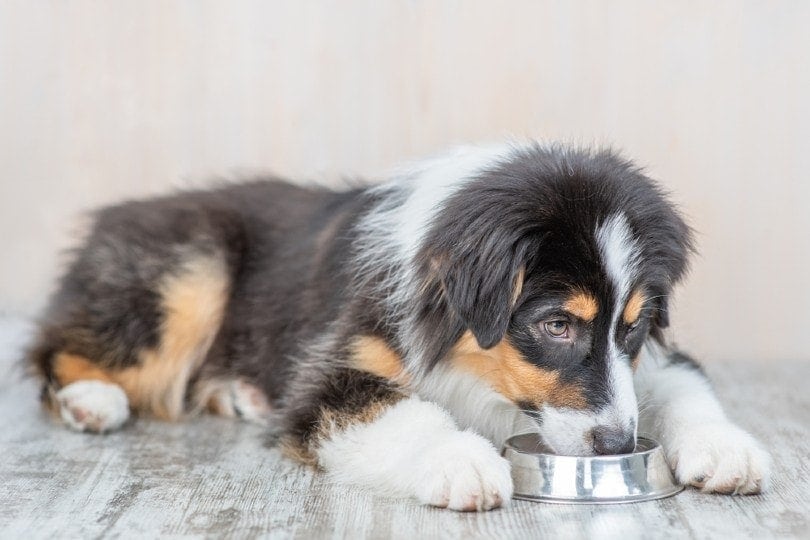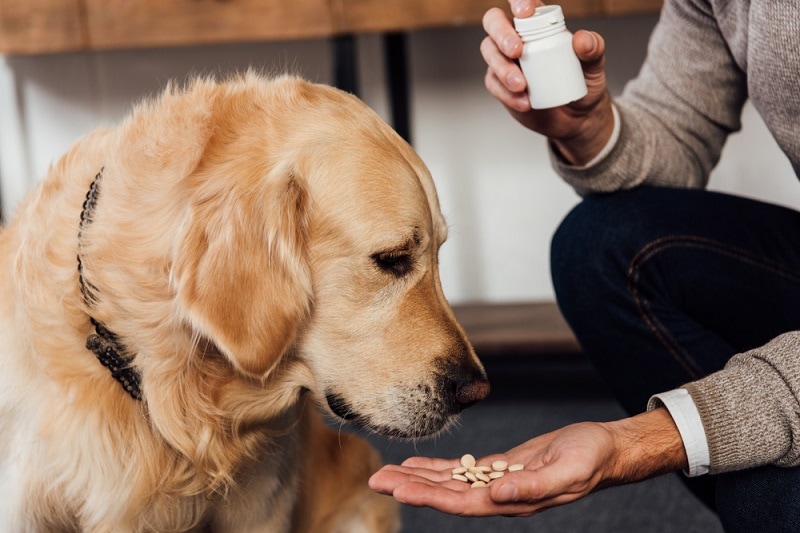
Dogs can’t make vitamins from food the way that humans can. But vitamins are essential for dogs because they help prevent disease and promote overall health. That’s why vitamin supplements are often added to dog food. But dogs also require different levels of vitamins than humans do, based on the size and metabolic rate of their species, which is why there are so many different dog food formulas available. Some dogs may even need supplements in addition to their food.
Vitamin deficiency is a common problem among dogs, especially in puppies and geriatric animals. Getting to know your dog’s vitamin needs will help you keep him safe from diseases and illnesses. The good news is that these vitamins are easy to administer as supplements or through food additives once you know exactly what your dog needs. Here is everything you need to know about essential dog vitamins.

What Are the Essential Vitamins for Dogs?
Vitamins are organic compounds that aid with metabolism in the body. An essential vitamin is one that your dog must consume from his diet since his body cannot synthesize it. There are nine vitamins that dogs need in their diet to stay healthy.
There are eight B vitamins, but not all of them are considered necessary for daily health and wellness.
- Vitamin A
- Vitamin B6, B9, and B12
- Vitamin C
- Vitamin D
- Vitamin E
- Vitamin F
- Vitamin K
The 9 Vitamins Your Dog Needs for a Healthy Life
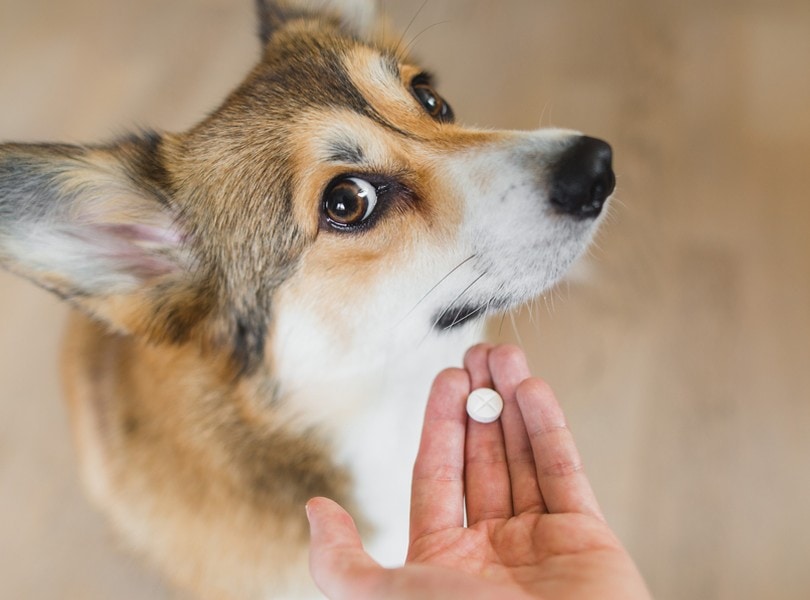
1. Vitamin A
Vitamin A deficiency causes night blindness, dry and rough skin, and hair loss. It can even cause pain and canker sores in the mouth and gums. If a dog has a high-protein diet and doesn’t get enough Vitamin A, he can experience a deficiency.
Research shows that high-protein diets are common among puppies and seniors, groups are most likely to suffer from Vitamin A deficiency. The easiest way to prevent this deficiency is by including carotenoids in your dog’s diet. Carotenoids are the precursor to vitamin A. Other good sources of vitamin A are carrots, sweet potatoes, and squash.
2. Vitamin B6
B6 is necessary for the metabolism of amino acids, fats, and carbohydrates. It also supports the nervous system, heart health, and brain function. In dogs, B6 deficiency is associated with lameness, seizures, and periods of abnormal neurological activity.
There are several ways dogs can become deficient in B6. Older dogs and puppies are most susceptible, as they require more B6 to function properly. Some common causes of B6 deficiency include high-protein diets and intestinal damage, which can prevent B6 absorption.
B6 is water-soluble, which means that your dog can’t store it. It must get daily doses to stay healthy. Good sources of B6 are brown rice, oatmeal, and beans (make sure they’re cooked thoroughly).
3. Vitamin B9 (Folic Acid)
Folic acid deficiency in dogs can lead to stunted growth, a large head size, and a smaller brain. It is important for normal development in puppies, especially in pregnant dogs. Folic acid deficiency can also lead to anemia. Folic acid is only found in foods that have been enriched with folic acid, which is actually many dog food brands. It’s another vitamin that you can simply add to your dog’s daily mix if you discover that it has a deficiency.

4. Vitamin B12
Vitamin B12 supports the normal function of every organ in your dog’s body. It promotes red blood cell formation, prevents anemia, and maintains good nerve health. Since B12 is produced by bacteria, dogs cannot get enough of it from their diet alone. Older dogs are particularly at risk for B12 deficiency since the body’s ability to absorb the vitamin decreases with age.
B12 is found in all types of meat, but dogs must consume the organ meat to get enough of it. Vegan and vegetarian dogs should receive B12 injections once a week. There are also B12 supplements for dogs, which are much more convenient.
5. Vitamin C
Vitamin C is important for immune system health. It also supports tissue health, growth, and repair. Dogs can become deficient in vitamin C if they are on a low-calorie diet or are stressed. If a dog has poor nutrition and a poor diet, he is more likely to become deficient in vitamin C. Vitamin C deficiency can lead to poor healing and stunted growth.
Dogs with vitamin C deficiency may experience prolonged fatigue, weight loss, and decreased appetite. There are many signs of vitamin C deficiency, but there are also many signs of other health conditions. It is important to contact a vet if you think he may have a vitamin C deficiency. Vitamin C is found in many fruits, vegetables, and especially citrus fruits.
If you need to speak with a vet but can't get to one, head over to PangoVet. It's our online service where you can talk to a vet online and get the personalized advice you need for your pet — all at an affordable price!

6. Vitamin D
Vitamin D is important for strong bones, muscles, and a healthy immune system. It is necessary for dogs to absorb calcium, the main component of bones. As dogs age, they are more prone to vitamin D deficiency. There are also several other factors that can lead to D deficiency, such as genetics, lack of sunlight, and certain diseases.
Symptoms of vitamin D deficiency include swelling, weakness, and abnormal bone growth. Dogs can get vitamin D from the sun, foods, and supplements. Good sources of vitamin D are fish oil, eggs, and fortified cereals.
7. Vitamin E
Vitamin E is important for skin, hair, and nail health. It also promotes heart health. Dogs are not able to synthesize vitamin E, so they must get it from their diet. A deficiency in vitamin E can lead to dry and scaly skin, hair loss, and abnormal nail growth. Dogs can become deficient in vitamin E if they are on a low-calorie diet or are stressed. Vitamin E is found in many foods, especially and seeds.

8. Vitamin F (Omega-3 and Omega-6 Fatty Acids)
These essential fats promote strong and healthy skin, joints, and eyes. They also support heart health and brain function. Dogs can get omega-3 and omega-6 fatty acids from fish oil, eggs, and some plants. It is important for dogs to get enough omega fatty acids in their diet, but it is also important not to overdo it because consuming too much can lead to low blood pressure and blood thinning. Puppies also need more than adults, and senior dogs need less.
9. Vitamin K
This vitamin is important for blood clotting and bone health. It is found in many vegetables and grains. Vitamin K deficiency is rare in dogs. Most dogs actually get enough vitamin K in their diet. However, there is a chance that certain diseases, such as gastrointestinal disorders, could lead to vitamin K deficiency.
A veterinarian can test for vitamin K deficiency if you notice any changes in your dog’s health. There are no obvious signs of vitamin K deficiency, so it is important to get your dog tested regularly.
Wrapping Things Up
Dogs need daily minerals and vitamins just like humans do. There are many health benefits associated with giving your dog vitamin supplements, including less susceptibility to illnesses and ailments and a longer and healthier life overall.
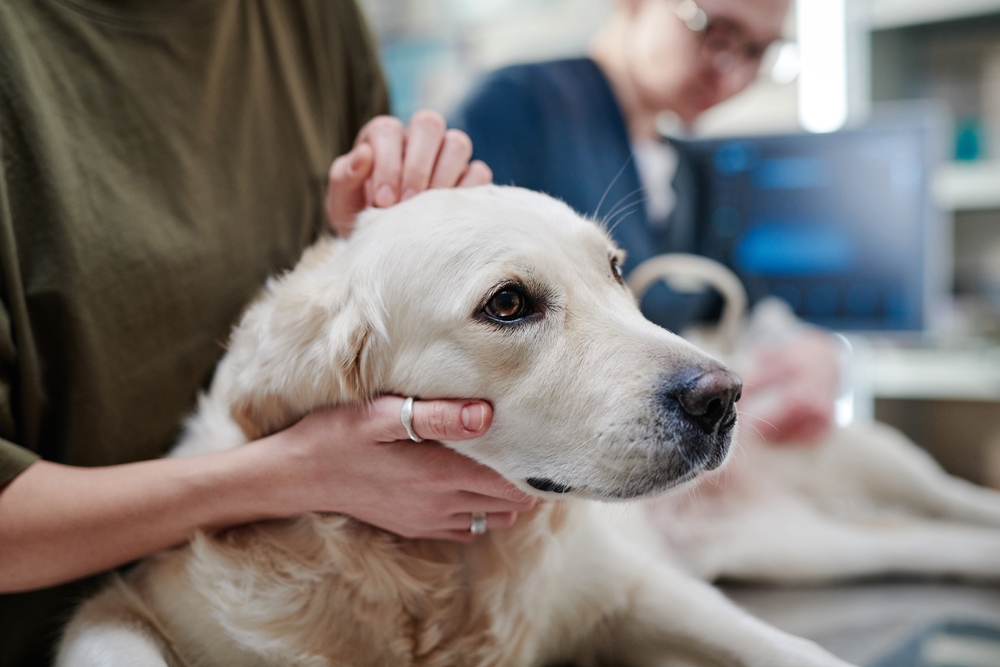
Giving your dog vitamins may help correct any deficiencies that he or she may have in its diet. Always consult with your veterinarian before starting any new supplementation for your dog, as it may be getting everything it needs through its food and snacks already.
See Also:
Featured Image Credit: LightField Studios, Shutterstock
 What Are the Essential Vitamins for Dogs?