Proestrus and Estrus Phases in the Dam Cycle in Dogs: Signs & Tips

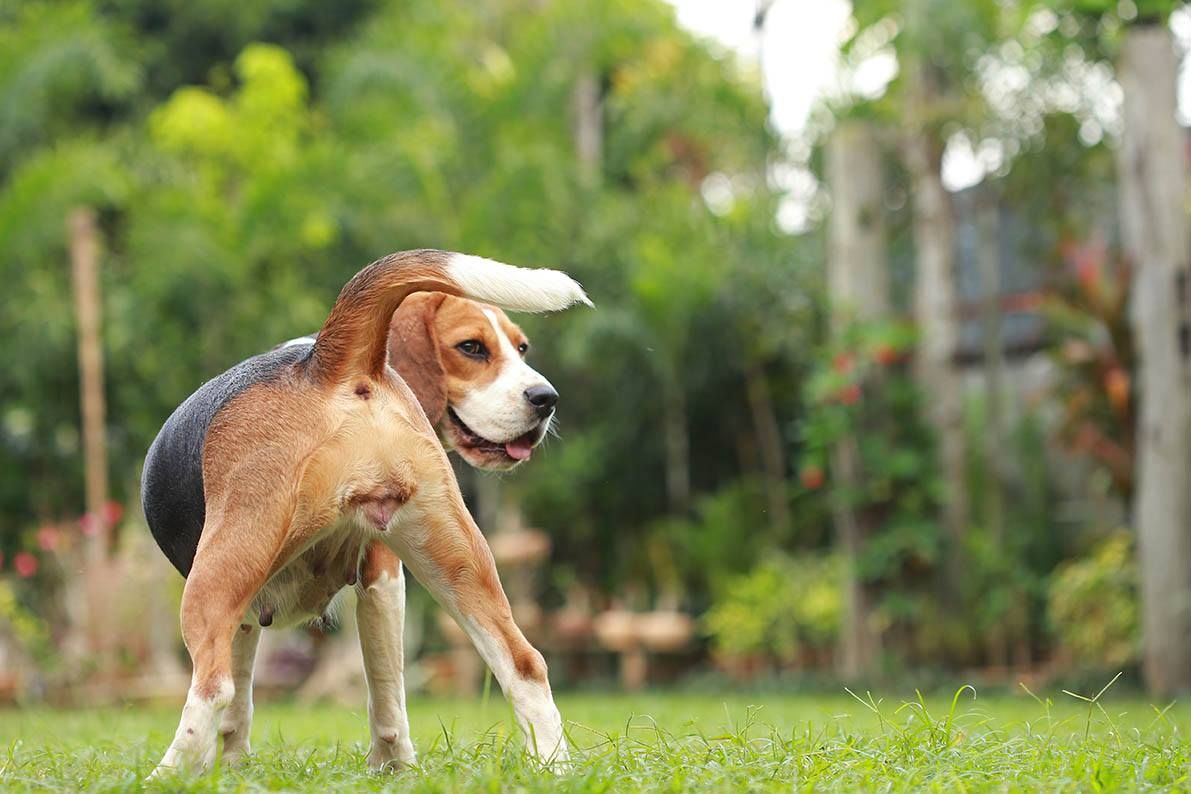
Canine estrous cycles, or reproductive heat cycles, are stages your dam goes through during fertile years. The process has four distinct stages, which include proestrus, estrus, diestrus, and anestrus. Each part of the process presents different bodily signs to pinpoint the phase your dam is in.

Proestrus Phase in Dams

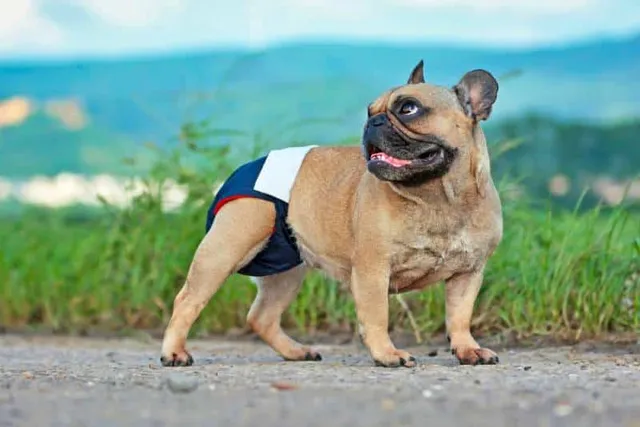
Proestrus stages pose the classic signs that might come to mind when thinking of a dog in heat. This part of the cycle typically lasts up to 27 days, but the average time is between 9–10 days.
During this period, you will notice visual and behavioral signs that are unmistakable.
You might see visual cues such as:
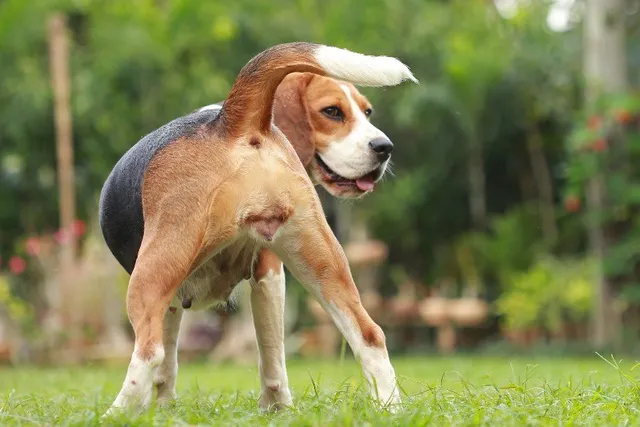
Males will notice the female during this initial stage, but the female won't be willing to mate just yet. You may see her tucking her tail between her legs as though to protect her vulnerable areas.


Estrus Phase in Dams
Soon, your dam will enter the estrus phase. Unlike the proestrus phase, you'll notice the female starting to actively seek a mate. Estrus is the actively fertile phase where your dam can become pregnant, lasting an average of 10-14 days.
When the female's body passes through the proestrus stage into full estrus, you may notice:
While it might seem unusual to you, females carry tons of hormones and pheromones in their urine at this time. You'll notice them releasing small amounts of urine frequently, which may even occur indoors.
The purpose is to send signals to local males, letting them know it's time for action. Male dogs can smell the female in heat up to an astonishing 3 miles away. You could notice strange males on your lawn in search of this elusive lady—this is totally normal.

Protecting Your Dam From Unwanted Breeding During Estrus

If you don't plan to breed the female, it is imperative to protect her during this time. The dam should not be outside for any amount of time unattended, even if you have a very secure fence.
Though it's unusual and rare, there have been occurrences where females become pregnant through fences and enclosures. Keep a close eye on her and try not to let her outdoors alone.
Breeding a Pair
If you intend to breed, it's essential to know when the best time would be. Once your female phases from the proestrus to estrus stage and you notice that her discharge is watery, it's an excellent indicator that it is time.
Watery discharge shows that the female is her most fertile and that breeding will be the most successful at this time. However, females can become pregnant anytime in the estrus stage. Sperm can survive in the body up to one week after coitus.
Coitus and Ties
If the female accepts the male, the two will engage in coitus. The penis will lock inside of the vagina during ejaculation, causing the end of the penis to enlarge—creating a lock.
This lock is known as a 'tie' to keep the semen from leaking out. It is a natural occurrence to promote successful reproduction. The tie typically lasts between 5–20 minutes.
Though ties are terrific indicators that pregnancy will follow, it isn't always necessary. Some females may still become pregnant even if the tie never occurs.
Pregnancy in Dams
If the mating session is fruitful, your dam will be pregnant for roughly 9 weeks. During this time, your dog requires proper vetting to make sure puppies grow adequately and stay healthy.
Spaying Your Female
The best way to prevent unwanted pregnancy in dogs is to spay them. This surgery eliminates risks associated with pregnancy and stops further heat cycles from occurring.
Most dogs should have this procedure before their first heat cycle, roughly 6–9 months of age. But with some breeds, professionals recommend waiting until after their first heat cycle is over.
Your vet will determine the best time to perform this surgery.
Diestrus and Anestrus in Dams
If no mating occurs, estrus will follow up with diestrus and anestrus phases. Unlike estrus, females in a diestrus phase will aggressively reject mating as their progesterone levels decrease. This process lasts an average of 120 days, depending on the breed.
Once this part is over, your female will enter the anestrus stage, where inactivity occurs until her new cycle starts. Typically, anestrus lasts around 6 months.


Summary
Heat cycles are a natural part of every female's life. Once your dog is at the age of sexual maturity, it will repeat until a veterinarian fixes the dam. If you want to breed, you will have to cover critical bases to ensure success and safety during mating and pregnancy.
If you don't want your female to become pregnant, protect her throughout her fertile stages. Follow up with your vet to schedule an appointment for surgery.
For further reading:
Featured Image Credit: Sigma_S, Shutterstock
Expert dog care, straight to your inbox
Vet-reviewed advice, training tips, and the best of Dogster. Free, and you can unsubscribe anytime.
By signing up, you agree to our Terms & Conditions and Privacy & Cookies Policy.
Ashley Bates is a freelance dog writer and pet enthusiast who is currently studying the art of animal therapy. A mother to four human children— and 23 furry and feathery kids, too – Ashley volunteers at local shelters, advocates for animal well-being, and rescues every creature in need. Her mission is to create awareness, education, and entertainment about pets to prevent homelessness. Her specialties are dogs and cats.
Join the conversation
Ask a question, share your story, or send private feedback.