Dogster is reader-supported. When you buy via links on our site, we may earn a commission at no cost to you. Learn more.

Dog Health & Care

Behavioral Changes During Proestrus and Estrus in Dogs: Vet-Approved Facts

Rachael Gerkensmeyer
By Rachael Gerkensmeyer · Reviewed & fact-checked by Dr. Marta Vidal-AbarcaVet Approved
Dr. Marta Vidal-Abarca
Reviewed & Fact-Checked byDr. Marta Vidal-AbarcaBVSc GPCert Ophthal MRCVS (Veterinarian)
Dr. Marta has over 16 years of veterinary experience, working across the UK and Spain as a remote veterinary consultant and in the clinic. She graduated from Cardenal Herrera-CEU University in Valencia, Spain. She holds two Ophthalmology Certificates, GPCert Ophthal from ESVPS and UAB. She has wide experience in small animal internal medicine and surgery with a soft spot for dogs. Marta is a member of the Royal College of Veterinary Surgeons, and her main fields of interest are ophthalmology and critical care medicine. Dr. Marta loves being able to share the most helpful information with pet parents across the world as one of Pangolia's in-house veterinarians. She wants to provide details that can help in all aspects of pets' lives with their beloved ones. She loves knowing that she can support our readers and communicate about any medical topic that might be relevant to their pet's health and well-being.View authorThe information is current and up-to-date in accordance with the latest veterinarian research. Learn more
Updated on June 17, 2026
Share
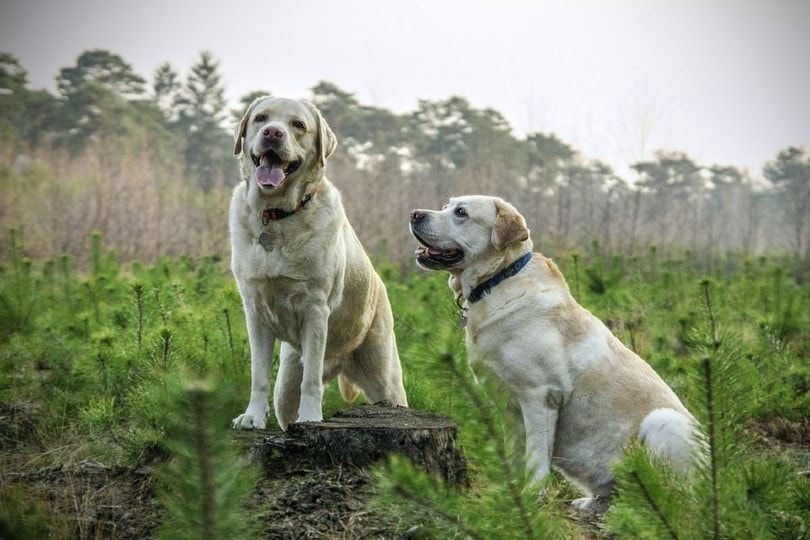
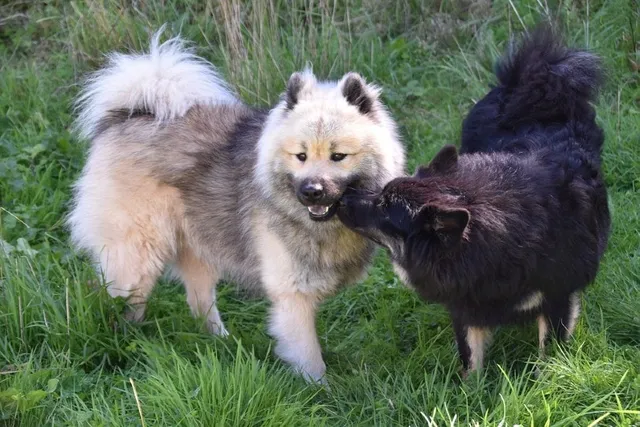
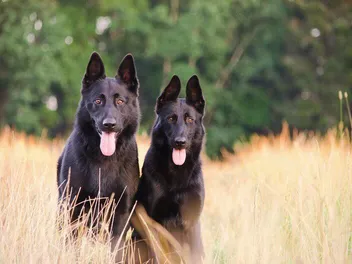
Dog Couple in the field

Female dogs typically go through a heat cycle twice a year, during which time, they can mate and conceive babies. The first part of the heat cycle is referred to as the proestrus stage, while the second part of the cycle is referred to as the estrus stage.1 Both trigger different physical and behavioral changes that can help owners decipher just where their dogs are in their cycles. We put together this comprehensive guide to help you understand all the behaviors that your dog may display. Here is what you need to know.

Dogster divider_v2_NEW_MAY_24_

The Proestrus Stage

This is the stage when a female dog is preparing to mate. They are not yet fertile and are not quite receptive to mating, but their hormones are starting to change and prepare the body for conception. Here are a few of the behavioral and physical changes that your dog may display during the proestrus stage.

Image Credit: Reshetnikov_art, Shutterstock
  • Swollen Vulva. As blood starts to circulate and the vulva becomes ready for penetration, it will begin swelling up and turning pink or red. Your dog may begin to lick the area more often, and she may seem a little irritated by the situation.
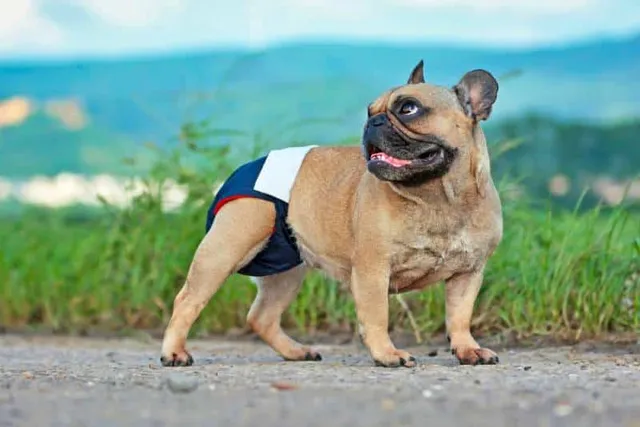
  • Bloody Discharge. While not a behavior, bloody discharge and a red tinge in urine are telltale signs of your dog being in the proestrus stage. Most dogs do not bleed enough to leave markings around the house, though large breeds might need diapers if they experience excessive discharge.
  • Clinginess. Dogs in the proestrus phase may become clingy when spending time around their human companions or other dogs that they trust. They may want to snuggle more often or just stay by your side, whether you are washing dishes in the kitchen or enjoying an afternoon in the backyard.
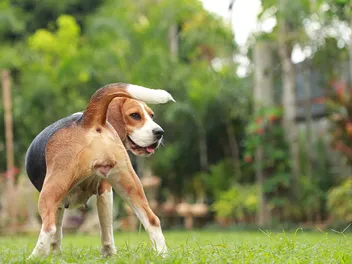
  • Humping. The urge to hump other dogs or objects can be seen in females going through the proestrus stage. It does not matter what the sex of the other dog is or whether it is a human’s leg or a pillow that has fallen off the couch. The urge to hump can last for just 1 day or throughout the entire proestrus stage.
  • Restlessness. You might notice that your dog becomes restless or fidgety due to hormone changes during her heat cycle, especially during the proestrus stage. Your dog may not settle down as easily at night, and she may pace during the day until let outside to release pent-up energy. She may even act nervous when around groups of people or other dogs.

The Estrus Stage

The estrus stage happens when a female dog is ready for mating and conception. Behavior tends to change at this point for most dogs. No longer will your dog be nervous, and she will not continue trying to hump other animals, people, and things like she did during the proestrus stage. Here are the behaviors that you can expect from your dog during the estrus stage.

Image Credit: atiger, Shutterstock
  • Frequent Urination. Dogs tend to urinate more often than usual during the proestrus and estrus stages. Be prepared to take your dog out or let her into the yard several times throughout the day and a couple of times during the night. It may be necessary to put potty pads out if you cannot take her out throughout the day.
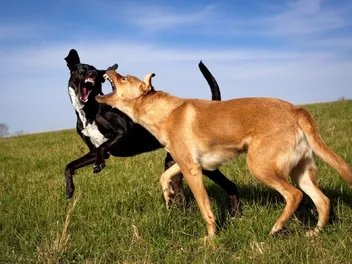
  • Aggressiveness Toward Other Females. Dogs in heat, especially during the estrous stage, do not want to be around “the competition,” which is any other female dog. If you have more than one female dog, they may squabble during this stage and might need to be separated until the stage ends.
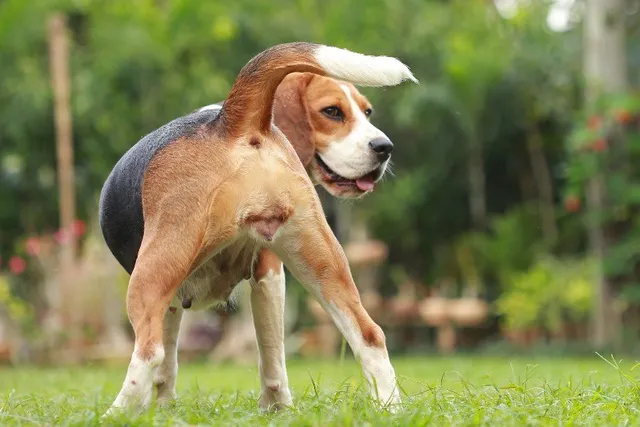
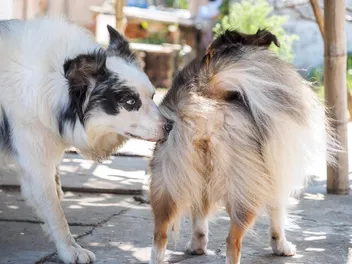
  • Extra Attention Toward Males. The estrous stage happens when a dog is ready to mate and make babies, so do not be surprised if your dog starts stalking any males that she makes contact with and then tries to get their attention. Your dog may rub up against male dogs, show her behind, or turn her tail to the side as an invitation to mate.
Dogster divider_v2_NEW_MAY_24_

Common Behaviors of a Female Dog in Heat

As mentioned before female dogs exhibit various behaviors during their heat cycle, including two main stages: proestrus (mating preparation) and estrus (receptive to mating). A female dog’s heat cycle is a time of significant hormonal changes affecting her behavior. Let’s break down the specific behavioral patterns in the different stages:

General behaviors can include:

  • restlessness
  • frequent urination
  • increased affection
  • humping

During the proestrus stage: Female dogs will not be receptive to mating, but as hormonal changes are happening, they might act friendly towards male dogs, eat more or less than usual, and show signs like a swollen vulva, bloody vaginal discharge, and licking their genitals.

During the estrus stage: They become more receptive to male dogs and actively seek attention from them, display tail positioning and playfulness as part of their courtship effort, and show reduced aggression toward males while aggression toward females may increase.

In recognizing these signs and changes in behavior, pet parents can see to their dog’s health and well-being and prevent unwanted pregnancy, by supervising interactions, providing extra attention, and maintaining hygiene.

divider dog paws 3 oct 2024

Closing Thoughts

Now that you know what kinds of behaviors to expect from your dog during the proestrus and estrus stages of her heat cycle, you can keep an eye out for the behaviors to determine whether she is in her cycle at any given time. Signs of these behaviors can help you avoid an unwanted pregnancy during all heat cycles and plan a wanted mating session when the time comes.


Featured Photo Credit: Ryniu1234, Pixabay

Want content like this delivered to you?

Sign Up For Our Newsletter

News, insights, expert advice, and everything dog

* By submitting, you agree to our Terms & Conditions and Privacy & Cookies Policy.

Rachael Gerkensmeyer
Authored by

Rachael Gerkensmeyer

Physical Signs of Proestrus and Estrus in Dogs: Vet-Reviewed Info & FAQ

Physical Signs of Proestrus and Estrus in Dogs: Vet-Reviewed Info & FAQ

Whether you want to breed your female dog or are anxious to get her spayed before she undergoes her first heat cycle, knowing the physical signs indicating the…

Nicole Cosgrove
By Nicole Cosgrove · 3 weeks ago
Proestrus and Estrus Phases in the Dam Cycle in Dogs: Signs & Tips

Proestrus and Estrus Phases in the Dam Cycle in Dogs: Signs & Tips

Canine estrous cycles, or reproductive heat cycles, are stages your dam goes through during fertile years. The process has four distinct stages, which include…

Ashley Bates
By Ashley Bates · 3 weeks ago
Dog Heat Cycle: Vet-Verified Signs, Frequency & Facts

Dog Heat Cycle: Vet-Verified Signs, Frequency & Facts

Understanding your dog’s heat cycle (or estrus cycle) is paramount if you have an unspayed female at home. Without learning how it works, it is impossible to k…

Kristin Hitchcock
By Kristin Hitchcock · 3 weeks ago
How Often Do Dogs Go Into Heat? Vet-Verified Facts & FAQ

How Often Do Dogs Go Into Heat? Vet-Verified Facts & FAQ

When dogs are physically ready to reproduce with a mate, they usually begin to show different signs and behaviors that make it easily known to other dogs and o…

Krystal Facey
By Krystal Facey · 3 weeks ago
June 17, 2026

Do Dogs Get Periods? Vet-Approved Canine Heat Explained

As the owner of a female dog, the question of whether they experience a similar reproductive cycle to humans is valid. While it can be said that yes, female do…

Annaliese Morgan
By Annaliese Morgan
Do Dogs Get Periods? Vet-Approved Canine Heat Explained
June 17, 2026

Do Dogs Have Period Cramps? Vet-Verified Health Facts & FAQ

Every human woman knows just how uncomfortable and painful periods can be. Leading up to a period, women can experience bloating, cramping, gastrointestinal up…

Ashley Bates
By Ashley Bates
Do Dogs Have Period Cramps? Vet-Verified Health Facts & FAQ
June 17, 2026

Dogs in Heat: 10 Vet-Verified Facts

Canine estrous, simply known as “heat”, is a reproductive cycle that female dogs go through when they reach sexual maturity. This cycle is often compared to me…

Sarah Psaradelis
By Sarah Psaradelis
Dogs in Heat: 10 Vet-Verified Facts
June 17, 2026

9 Signs a Dog Is Ready to Mate: Vet Approved Guide

Choosing to breed your dog is a big decision. It can have health consequences for your pup, whether or not it was planned. Epidemiological data show a prevalen…

Chris Dinesen Rogers
By Chris Dinesen Rogers
9 Signs a Dog Is Ready to Mate: Vet Approved Guide
June 17, 2026

Do Male Dogs Go Into Heat? Vet-Verified Facts & Explanation

If it's your first time owning a dog and they're nearing the age of sexual maturity around 6 months, you might not know all the ins and outs. If you have a mal…

Ashley Bates
By Ashley Bates
Do Male Dogs Go Into Heat? Vet-Verified Facts & Explanation
June 17, 2026

Do Dogs Experience Pain While in Heat? Vet Approved Facts & Care Tips

Whining, crying, and pacing can all be signs of pain, but if you have an unspayed female, they might be signs of something else. About twice a year, female dog…

Chelsea Mortensen
By Chelsea Mortensen
Do Dogs Experience Pain While in Heat? Vet Approved Facts & Care Tips
June 17, 2026

How to Calm a Male Dog When a Female Is in Heat: 4 Vet-Verified Methods

If your female dog is not fixed, they will eventually go into heat, and this will happen approximately twice a year. When this happens, their body gets ready f…

Kristin Hitchcock
By Kristin Hitchcock
How to Calm a Male Dog When a Female Is in Heat: 4 Vet-Verified Methods
June 17, 2026

Dog Mating Guide: Cycles, Factors & Tips

Mating dogs can be a rewarding experience, but the practice must be done responsibly and with the parent and puppies' health and welfare as a priority. There i…

Rachael Gerkensmeyer
By Rachael Gerkensmeyer
Dog Mating Guide: Cycles, Factors & Tips

Love Dogs? So Do We! Join the Dogster Community

Stay informed with expert pet care insights delivered straight to your inbox! Discover professional guidance on animal behavior, feeding tips, trusted product picks, and much more.

You may opt-out at any time. View our Privacy Policy for more information.

The Dogster app on a phone