My Dog Ate Paint, What Should I Do? Vet-Verified Facts & Risks



In this article
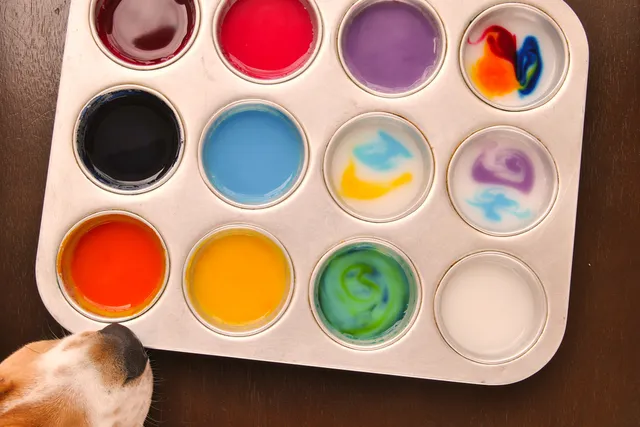
If your dog has eaten paint, or if you suspect that they have eaten paint, it is important to take them to a veterinarian for treatment and a check-up right away. Most paints, varnishes, and stains are dangerous to dogs because they contain chemical compounds that can make your dog very sick if ingested.
Even paints that are water-based and safe for pets and children can cause symptoms of poisoning in dogs who have ingested them in large quantities. Taking your dog to a veterinarian or contacting your local veterinarian hospital's helpline number for guidance is the first step you should take if your dog has ingested a potentially poisonous substance.

What Should I Do If My Dog Ate Paint?
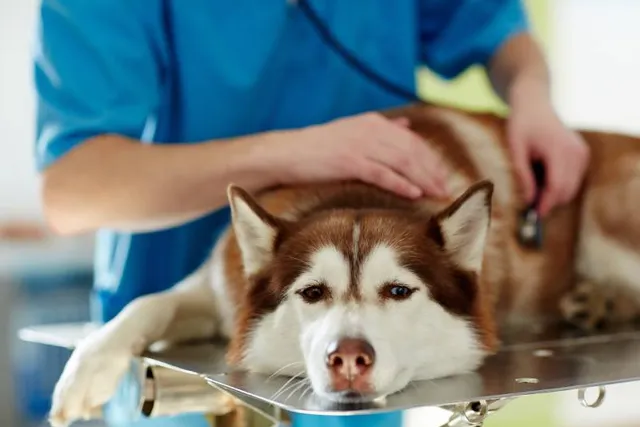
If your dog has licked freshly applied paint, the first step you should take is to get them checked out by a veterinarian. Your dog’s veterinarian may want to keep them for a few hours or overnight to check for any symptoms of poisoning, especially if your dog has ingested a large amount of paint. Dogs who chew on surfaces that contain paint, or if they have ingested flakes of peeling paint, are still at risk.
It will be helpful to take a picture of the paint they ate to your dog’s veterinarian so that they can determine what type of poisonous substances they are dealing with when treating your dog.
If your dog has gotten paint on their fur or paws, you should try to wipe as much of it off as possible, and you can bathe them with a cleansing canine shampoo to scrub off the paint before they have a chance to lick it.
Paint that has gotten on your dog’s skin may cause some reactions such as redness and itching as the paint dries, which can cause your dog to try and lick the paint off or excessively scratch the area.
You might not always notice right away that paint has gotten onto your dog, however, small amounts are not usually a cause for concern. It is important to watch your dog’s behavior afterward to see if they are showing any symptoms of skin irritation or poisoning.

Is Paint Harmful To Dogs?
There are many different formulations of paints, stains, and varnishes that are harmful to dogs if ingested. Some paints can even be dangerous for dogs to inhale for a long time, especially if it has recently been applied and has not had a chance to fully dry in a well-ventilated area. With dogs being such curious animals, they may try to lick paints, or they could have possibly gotten it on their fur and licked it when they were grooming themselves.
Most paints are harmful to dogs because they contain chemical compounds and may irritate your dog’s digestive system once swallowed.
These chemical compounds include:
What Makes Paints Harmful To Dogs?
Lead-based paints seem to be the most dangerous for dogs even though paints containing lead have been banned in the United States since 1978, but this does not apply to all countries. You can find lead-based paints on older buildings and unregulated buildings, and it can even be found in oil-based paints for artists.
Oil-based paints contain compounds that are dangerous when inhaled and can cause breathing issues. If ingested, these types of paints can cause gastrointestinal issues such as diarrhea and vomiting.
Some latex paints contain a low concentration of anti-freeze known as ethylene glycol which can cause severe gastrointestinal symptoms and neurological issues as well as kidney failure if ingested in large amounts.


What Can Happen If a Dog Eats Paint?
If a dog eats a large quantity of paint, or paint that contains a large concentration of poisonous compounds, they may experience the following symptoms shortly after consumption:
- Vomiting
- Lethargy
- Tremors
- Difficulty breathing
- Diarrhea
- Neurological problems
- Gagging
- Excessive salivation
It is best to not induce vomiting in your dog at home, but rather call your local veterinarian hospital for an animal helpline for further guidance. Not all dogs will experience symptoms after they have eaten paint, however, you should monitor their behavior for the next few hours. Dogs who have consumed a large quantity of paint are most at risk.
It may be difficult to determine if the paint your dog has eaten is dangerous, even if it claims to be pet or child friendly, which is why we recommend them to a veterinarian or call the Pet Poison helpline for further advice on what to do.

Conclusion
Many dog owners worry when their dog has consumed paint, whether they have licked fresh paint or chewed on an item that contains paint. If your dog consumes a small amount of non-toxic paint, then it usually isn’t a cause for concern. However, most household paints can make your dog ill, which is why you should take them for a check-up at the veterinarian.
It is always a good idea to paint with zero-VOC or non-toxic paints when you have dogs and to make sure they are not in the area where the paint is being applied until it has fully dried.
See also:
Expert dog care, straight to your inbox
News, insights, expert advice, and everything dog.

No spam — unsubscribe anytime.
By signing up, you agree to our Terms & Conditions and Privacy & Cookies Policy.
How useful was this post?
Click a star to rate. You can leave written feedback afterwards. (We read all feedback.)
Sarah lives in South Africa with her partner and pets. She is currently interested in veterinary science and ichthyology, which she wants to study alongside her main passion: pet content writing. Sarah has over 60 fish including: goldfish, tropicals, shrimp, and snails. She also keeps hamsters and a tarantula. Sarah wishes to provide quality content to readers and allow others to learn from her experience and knowledge. Sarah has much experience in all aspects of pet care. Providing the world with the knowledge on ethical pet ownership is her lifelong dream.