Get

In Your Inbox

Dogster is reader-supported. When you buy via links on our site, we may earn an affiliate commission at no cost to you. Learn more.

My Dog Ate Paint, What Should I Do? Vet-Verified Facts & Risks

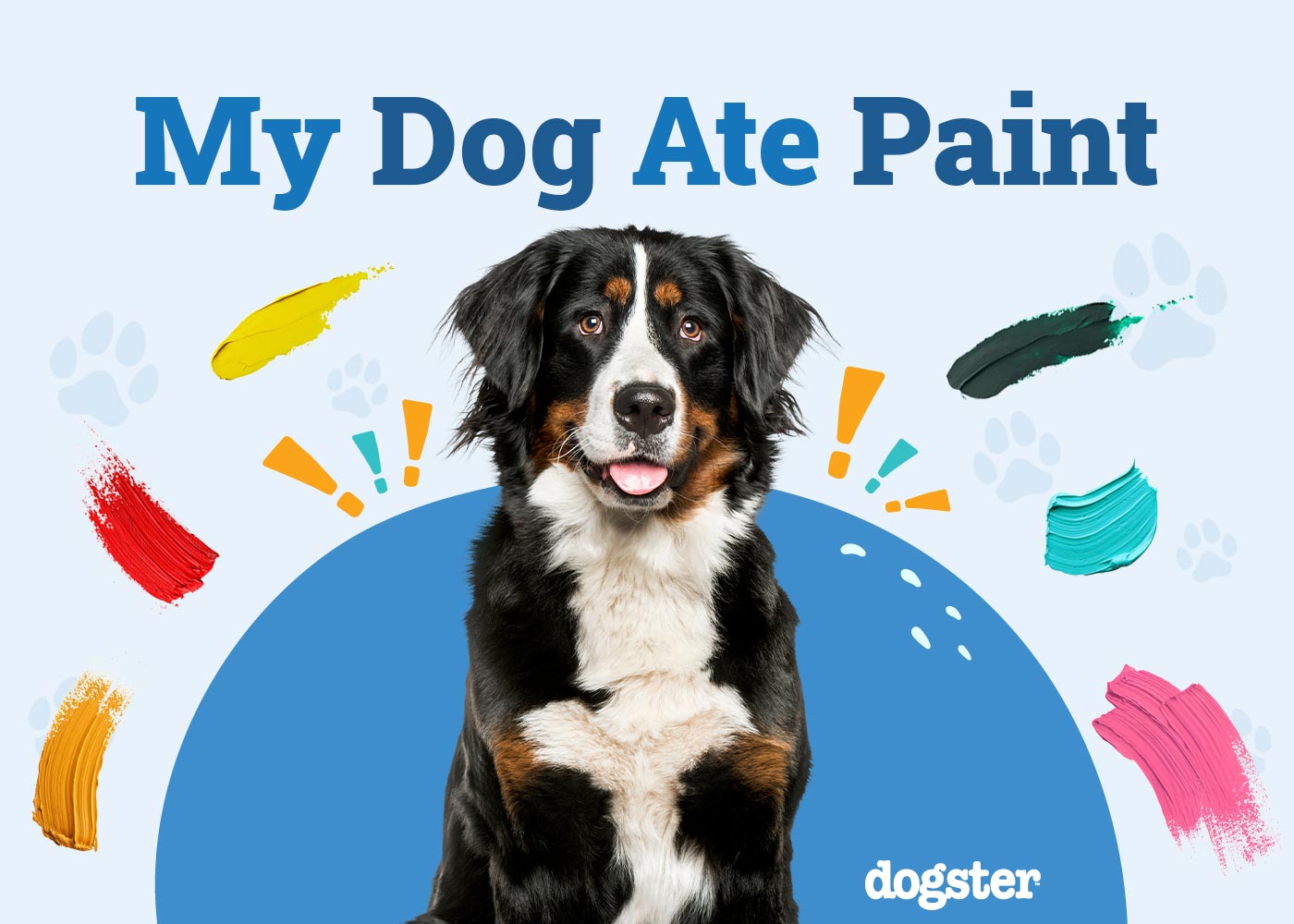
My Dog Ate Paint

If your dog has eaten paint, or if you suspect that they have eaten paint, it is important to take them to a veterinarian for treatment and a check-up right away. Most paints, varnishes, and stains are dangerous to dogs because they contain chemical compounds that can make your dog very sick if ingested.

Even paints that are water-based and safe for pets and children can cause symptoms of poisoning in dogs who have ingested them in large quantities. Taking your dog to a veterinarian or contacting your local veterinarian hospital’s helpline number for guidance is the first step you should take if your dog has ingested a potentially poisonous substance.

Dogster divider_v2_NEW_MAY_24_

What Should I Do If My Dog Ate Paint?

If your dog has licked freshly applied paint, the first step you should take is to get them checked out by a veterinarian. Your dog’s veterinarian may want to keep them for a few hours or overnight to check for any symptoms of poisoning, especially if your dog has ingested a large amount of paint. Dogs who chew on surfaces that contain paint, or if they have ingested flakes of peeling paint, are still at risk.

It will be helpful to take a picture of the paint they ate to your dog’s veterinarian so that they can determine what type of poisonous substances they are dealing with when treating your dog.

If your dog has gotten paint on their fur or paws, you should try to wipe as much of it off as possible, and you can bathe them with a cleansing canine shampoo to scrub off the paint before they have a chance to lick it.

Paint that has gotten on your dog’s skin may cause some reactions such as redness and itching as the paint dries, which can cause your dog to try and lick the paint off or excessively scratch the area.

You might not always notice right away that paint has gotten onto your dog, however, small amounts are not usually a cause for concern. It is important to watch your dog’s behavior afterward to see if they are showing any symptoms of skin irritation or poisoning.

If you need to speak with a vet but can't get to one, head over to PangoVet. It's our online service where you can talk to a vet online and get the advice you need for your pet — all at an affordable price!

PangoVet_Mention-in-Content Savings V1

Dogster divider_v3_NEW_MAY_24_

Is Paint Harmful To Dogs?

There are many different formulations of paints, stains, and varnishes that are harmful to dogs if ingested. Some paints can even be dangerous for dogs to inhale for a long time, especially if it has recently been applied and has not had a chance to fully dry in a well-ventilated area. With dogs being such curious animals, they may try to lick paints, or they could have possibly gotten it on their fur and licked it when they were grooming themselves.

Most paints are harmful to dogs because they contain chemical compounds and may irritate your dog’s digestive system once swallowed.

These chemical compounds include:
  • Lead
  • Volatile organic compounds (VOC)
  • Ammonia
  • Titanium dioxide
  • Formaldehyde
  • Cobalt
  • Manganese
  • Cadmium

What Makes Paints Harmful To Dogs?

Lead-based paints seem to be the most dangerous for dogs even though paints containing lead have been banned in the United States since 1978, but this does not apply to all countries. You can find lead-based paints on older buildings and unregulated buildings, and it can even be found in oil-based paints for artists.

Oil-based paints contain compounds that are dangerous when inhaled and can cause breathing issues. If ingested, these types of paints can cause gastrointestinal issues such as diarrhea and vomiting.

Some latex paints contain a low concentration of anti-freeze known as ethylene glycol which can cause severe gastrointestinal symptoms and neurological issues as well as kidney failure if ingested in large amounts.


Cute woolly dog in a house being painted
Image Credit: Cal David, Pexels

Dogster divider_v1_NEW_MAY_24_

What Can Happen If a Dog Eats Paint?

If a dog eats a large quantity of paint, or paint that contains a large concentration of poisonous compounds, they may experience the following symptoms shortly after consumption:

  • Vomiting
  • Lethargy
  • Tremors
  • Difficulty breathing
  • Diarrhea
  • Neurological problems
  • Gagging
  • Excessive salivation

It is best to not induce vomiting in your dog at home, but rather call your local veterinarian hospital for an animal helpline for further guidance. Not all dogs will experience symptoms after they have eaten paint, however, you should monitor their behavior for the next few hours. Dogs who have consumed a large quantity of paint are most at risk.

It may be difficult to determine if the paint your dog has eaten is dangerous, even if it claims to be pet or child friendly, which is why we recommend them to a veterinarian or call the Pet Poison helpline for further advice on what to do.
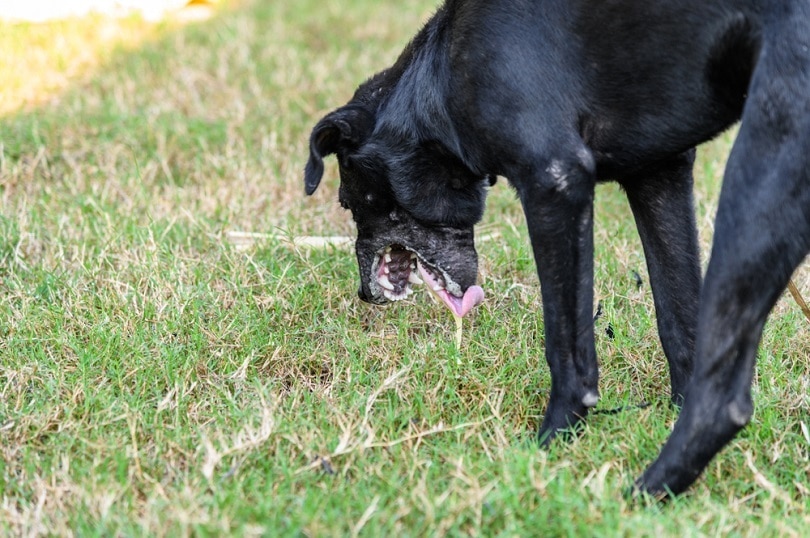
Black dog vomiting
Image Credit: Mumemories, Shutterstock

Dogster divider_v2_NEW_MAY_24_

Conclusion

Many dog owners worry when their dog has consumed paint, whether they have licked fresh paint or chewed on an item that contains paint. If your dog consumes a small amount of non-toxic paint, then it usually isn’t a cause for concern. However, most household paints can make your dog ill, which is why you should take them for a check-up at the veterinarian.

It is always a good idea to paint with zero-VOC or non-toxic paints when you have dogs and to make sure they are not in the area where the paint is being applied until it has fully dried.

See also:

Want content like this delivered to you?

Sign Up For Our Newsletter

News, insights, expert advice, and everything dog

* By submitting, you agree to our Terms & Conditions and Privacy & Cookies Policy.

How useful was this post?

Click on a star to rate (you can leave written feedback after clicking submit)

Help us improve Dogster for pet parents!

Your feedback really matters.

What did you like about this post? Also how can we improve it?

Join the conversation

Leave a Reply

You’re very welcome to leave a comment or question. Please know that all comments must meet our community guidelines, and your email address will NOT be published. Let’s have a positive and constructive conversation.

Talk With A Vet Online

Peace of mind,
anywhere, anytime

Affordable vet advice

How to Comfort a Dog With a Fever: 3 Vet-Approved Tips

Having a sick dog is awful for both you and your pupper. If your pet has a fever, though, there are a couple...

Can Dogs Eat Strawberry Yogurt? Vet-Reviewed Nutrition Advice & Facts

Strawberry yogurt is a delicious dairy-based snack with an irresistible taste. It can be tempting to let your dog have a lick, knowing...

What Is Holistic Dog Food? Pros & Cons Explained (Vet Answer)

The pet food industry is a large one! In fact, in 2023, in the United States $53.2 billion was spent on pet food...

10 DIY Dog Sweater Ideas You Can Make Today (With Pictures)

Dog sweaters are more than just a stylish fashion choice; they’re a necessity in some climates to keep your dog warm during outdoor...

More related

How Much Exercise Does My Havanese Need? Vet-Verified Facts & Tips

Although Havanese dogs are small, they tend to have a great deal of energy and mental stimulation needs that need to be met...

7 Possible Issues With Adopting Two Puppies at the Same Time: The Difficulties Explained

Some people think that getting two puppies comes with a slew of advantages that can make things easier. That couldn’t be further from...

6 Rhodesian Ridgeback Health Issues to Watch For (Vet Answer)

The Rhodesian Ridgeback is a handsome breed that was developed in Africa to be a hunter and guardian. These dogs are smart but...

Can Dogs Feel Their Tails? Vet-Verified Facts & FAQ

Dog tails contain nerves and pain receptors. Therefore, dogs can absolutely feel their tails. If you’ve ever accidentally stepped on your dog’s tail,...

Keep reading

Can Dogs Eat Quinoa? Canine Diet & Health (Vet-Approved)

Quinoa is a gluten-free seed that has been a staple in many human diets for centuries, but has been elevated to prominence in recent years as a natural alternative to grains for health-conscious humans. It is also considered a healthy...

Can Dogs Eat_quinoa

Can Dogs Eat Taro? Vet-Verified Nutrition Facts & FAQ

Taro (Colocasia esculenta), or kalo, as it’s known in Hawaii, is a staple food and one of the oldest cultivated crops in the world. The United States is one of the top importers, capturing 38.9% of the global market in...

Can Dogs Eat Taro

Probiotics for Dogs: Vet-Reviewed Benefits, Risks & Considerations

You probably know that probiotics are good for your gut health and may have seen them advertised on yogurt. As a dog owner, however, did you know that probiotics can also be beneficial for your dog’s digestive health? It’s true!...

Sick dog Jack Russell Terrier dog waiting get pill from hand of owner

Can Dogs Eat Duck? Vet-Verified Health Benefits

It’s hard to resist when your dog is begging for a scrap or two from your dinner plate. But before giving your pet any people food, you should be sure that it’s safe to do so. Some human foods are...

Can Dogs Eat_Duck

Can Dogs Eat Raspberries? Vet-Verified Nutrition Facts & FAQ

Although dogs are facultative carnivores, many enjoy snacking on fruits and veggies and they can provide additional health benefits. However, it can be tricky for dog parents to remember which fruits are entirely safe for canines. For example, can dogs...

Can Dogs Eat_Raspberries

How Much Does Ollie Fresh Dog Food Cost? 2026 Price Guide

Ollie is a premium subscription-based dog food that offers all-natural, human-grade ingredients delivered directly to your door. For many pet owners, a premium diet like this one has a payoff in better health and wellbeing, but it comes at a...

Gizmo a white fluffy dog with Ollie dog food box

How to Measure Dog Food Portions Based on Breed Size & Weight

Simple as it may sound, measuring dog food portions accurately is an art. According to a 2019 study, improperly measuring your dog’s food can result in health consequences, including nutritional deficiencies and obesity. Obesity affects around 25–30% of dogs, with...

measures a portion of dry dog food using an electronic scale

Can Dogs Drink Anything Other Than Water? 6 Vet-Approved Options

Dogs need water to stay hydrated, but did you know that water isn’t the only thing dogs can drink? There are other canine-friendly options they can enjoy alongside their main bowl of fresh water. These options can encourage your dog...

Can Dogs Eat Granola