Is an American Eskimo Dog Good for a First-Time Dog Owner? Care & Traits Explained

In this article
The American Eskimo dogs look like a tinier version of the northern spitz breeds that many potential dog owners seem to love. Their smaller size makes them more practical to own than a Siberian Husky or a Malamute. However, that doesn’t necessarily make the best choice for first-time dog owners.
This breed does have a relatively friendly and outgoing personality, which is suitable for new dog owners. However, they’re high-maintenance, especially when it comes to exercise. Therefore, most first-time owners should look elsewhere for a suitable breed. We wouldn’t recommend the American Eskimo to most new dog owners.
Of course, that doesn’t mean that no new dog owner should adopt an American Eskimo. For some individuals, they may be perfect. Let’s take a clear look at what you’re getting into with this breed to determine if they’re suitable for you or not.

Pros of an American Eskimo Dog for First-Time Owners
There are many reasons why this dog may work for a first-time owner. Sadly, there aren’t as many of these benefits as we’d like.
Appearance
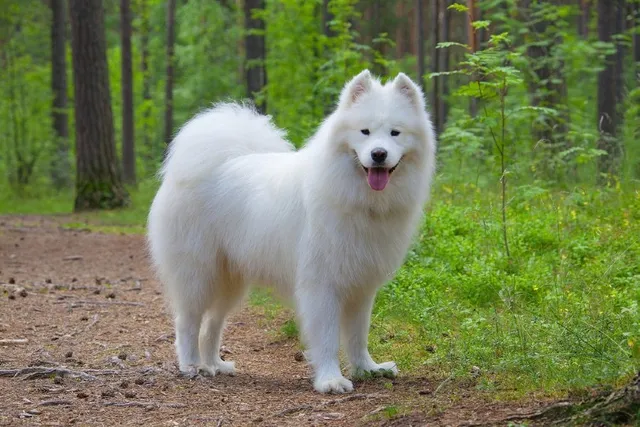
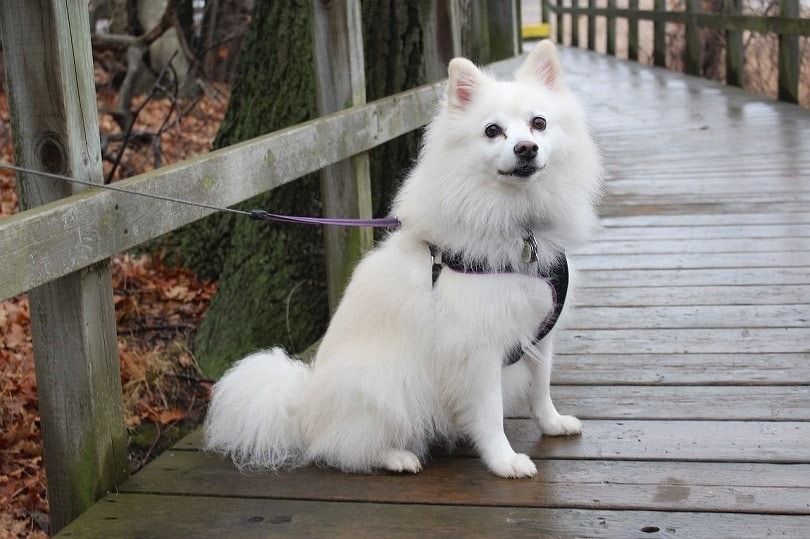
The American Eskimo Dog does have the wolfish appearance that many potential dog owners like. However, they’re much smaller than other dogs with this appearance, making them a more practical option for those in apartments or with smaller homes. Many people find out they exist and consider them the perfect alternative to a larger Malamute.
Despite their smaller size, though, they are not toy dogs. They don’t act like toy dogs and don’t have the needs of toy dogs. They aren’t very similar to other small dogs, so be sure you aren’t just adopting one because of their small, wolfish appearance.

Active
If you live a very active lifestyle, the American Eskimo Dog may be a solid choice. Very few small dogs can keep up with a truly active lifestyle. Most toy dogs were bred to sit on laps, so they didn’t have tons of stamina. This breed is different, though. They play hard and can keep up with longer walks and hikes.
Of course, this also means that those who don’t have an active lifestyle may struggle to meet this dog’s exercise needs.
Watchdog
The American Eskimo Dog tends to bark at just about everything. They can be utilized well as a watchdog, especially since they tend to be active. If you’re looking for an alert dog that will know if anything strange comes around your home, this breed may be for you.
Of course, their smaller size prevents them from being guard dogs. They’re simply too small to guard anything.
Intelligent
This breed has more intelligence than most, and they tend to listen to commands in real-world situations. In the end, these two traits give you a trainable dog that excels at tricks. Their smaller size allows them to jump through hoops with ease, climb on their master’s shoulders, and perform other impressive tricks. Plus, the American Eskimo Dog loves training.
For the most part, these dogs don’t appear to be stubborn or prone to any particular behavioral problem. They aren’t aggressive and behave well indoors, especially when trained.


Cons of an American Eskimo Dog for First-Time Owners
Of course, we don’t recommend the American Eskimo Dog to new owners for a reason. There are a few major challenges that owning this breed tends to come with.
Noisy
American Eskimo Dogs can make great watchdogs, but that isn’t necessarily a good thing if you live in an apartment. They’re very quick to bark at anything that moves, including your neighbors. They aren’t quite by any means and can easily drive anyone sharing a wall with you crazy.
It doesn’t help that this breed has a high-pitched, yappy bark that becomes annoying very quickly. If you aren’t around to stop your dog from barking, you may find yourself with some complaints.
Of course, this problem won’t exist if you live on a decent amount of land. If your neighbors are too far away to hear your dog bark, then you don’t have anything to be worried about (besides your sanity).
Exercise
This breed requires a lot of exercise. They aren’t necessarily prone to obesity, but they’re very highly strung. A dog that isn’t properly exercised will be even louder and potentially destructive. This breed may be small, but you cannot meet their exercise needs inside. You should plan on walking them for around an hour a day or playing a high-intensity game of fetch in a fenced-in area.
Of course, this dog does make a good running partner for athletes. However, unless you’re active, you’ll probably have a hard time meeting their exercise needs.

Intelligence
The American Eskimo Dog has a great deal of intelligence. Usually, new dog owners automatically assume that’s a good thing. A higher intelligence increases the odds of the dog becoming bored, though. When bored, dogs often attempt to make their fun—often by doing something they aren’t supposed to. Your American Eskimo Dog may become even more alert or even bark when there isn’t anything there. Destructive chewing and eating non-edible objects may also occur.
To prevent these bad behaviors, you have to keep your dog entertained. Training, puzzle feeders, socialization, and interactive toys can all help keep your dog from becoming bored. If you’re taking your dog out and about with you regularly, then you may have to worry less about mental stimulation. Walks and hikes can provide some entertainment and keep your dog’s mind worn out.
However, these dogs won’t do well when left at home all day alone. You’d have to provide tons of interactive toys and puzzle feeders to keep them busy, which can be challenging.
Conclusion
American Eskimo Dogs do have a few great things going for them. They tend to be healthy, and many potential dog owners love their wolf-like look. However, this canine tends to be very high-maintenance. They are extremely active and alert, requiring tons of exercise. Their alert nature makes them great watchdogs, but many owners will have difficulty with their noise levels. They’ll bark at just about anything.
Therefore, they aren’t necessarily a great option for apartment buildings, despite their smaller size.
In the end, we can only recommend this breed to active owners. If you want a hiking buddy, the American Eskimo Dog may work well for you. Otherwise, you probably want to select a different breed.
Featured Image Credit: danutaniemiec, Pixabay
Expert dog care, straight to your inbox
News, insights, expert advice, and everything dog.

No spam — unsubscribe anytime.
By signing up, you agree to our Terms & Conditions and Privacy & Cookies Policy.
How useful was this post?
Click a star to rate. You can leave written feedback afterwards. (We read all feedback.)
Kristin loves to help pet parents create a fulfilling life for their pets by informing them on the latest scientific discoveries and helping them choose the best products for their pets. She currently resides in Tennessee with three cats, four dogs, two fish, and a lizard, though she has dreams of owning chickens one day!