How Much Exercise Do Samoyeds Need? Vet-Approved Care Facts


In this article
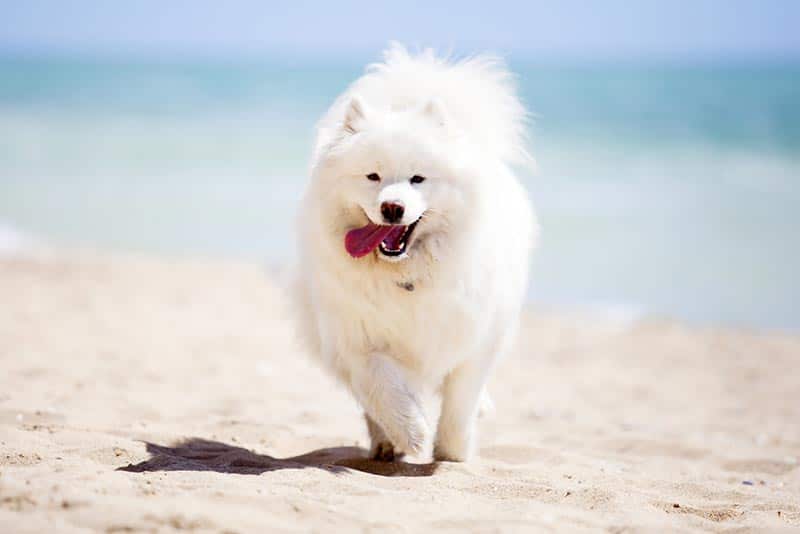
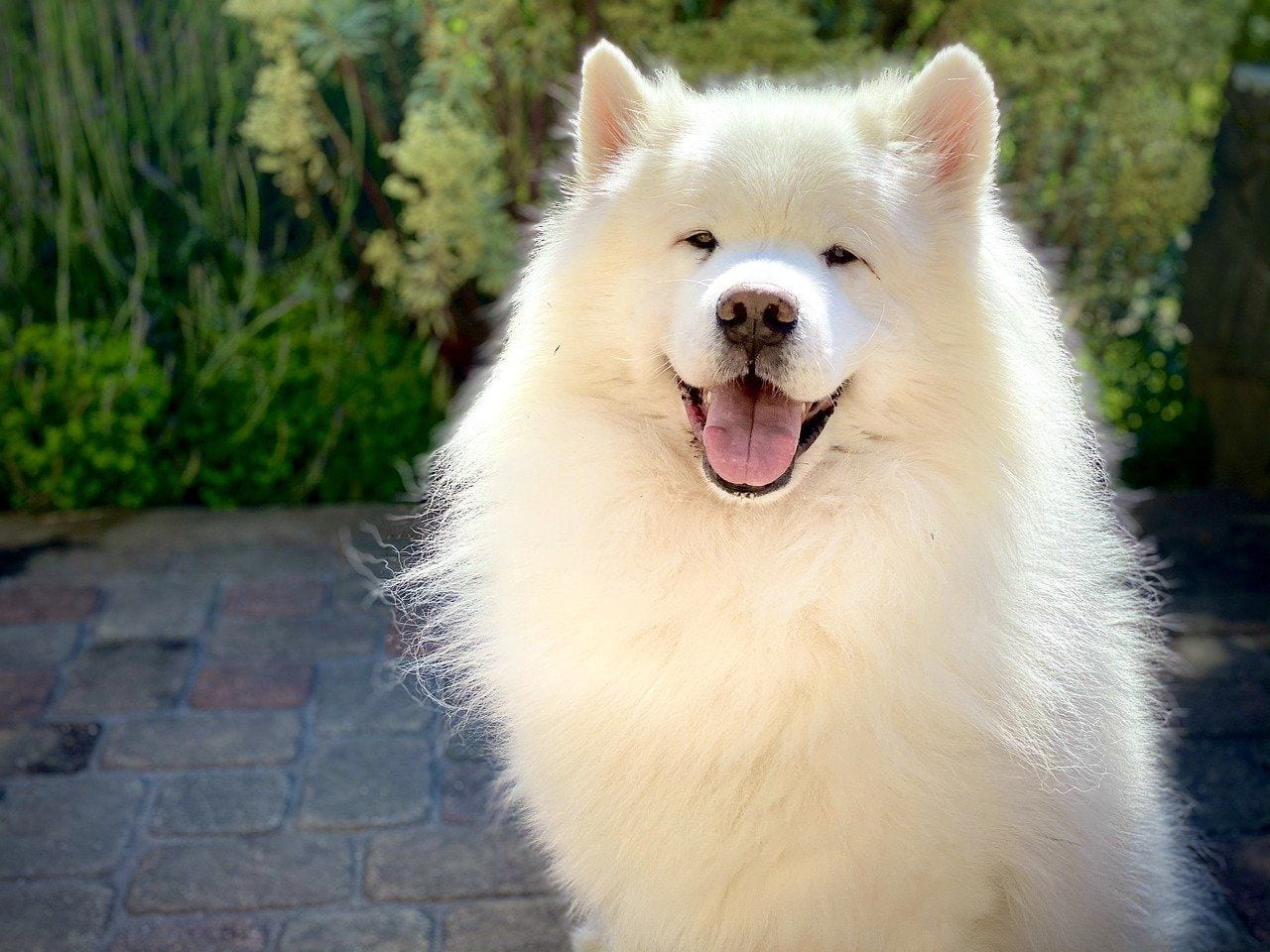
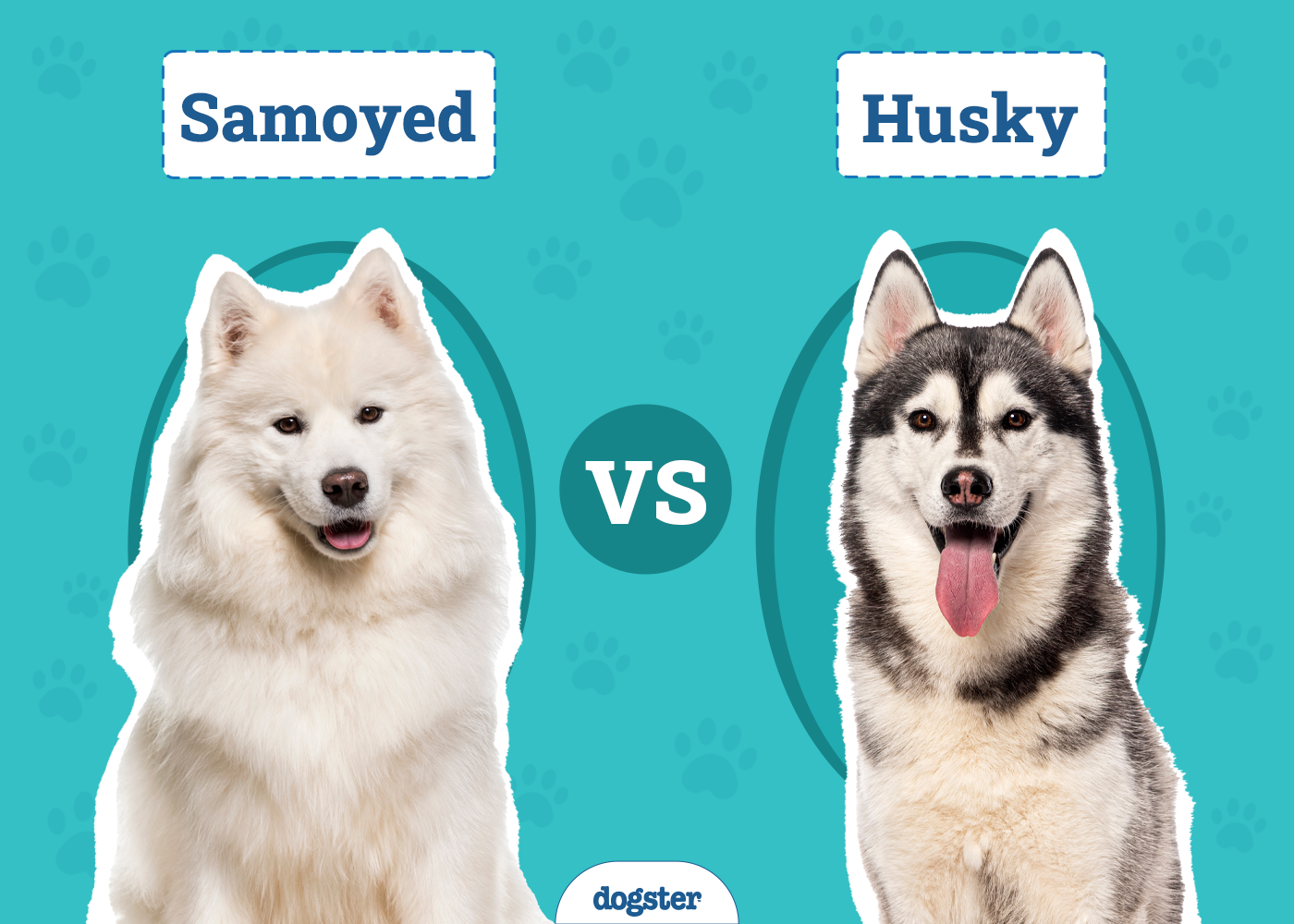
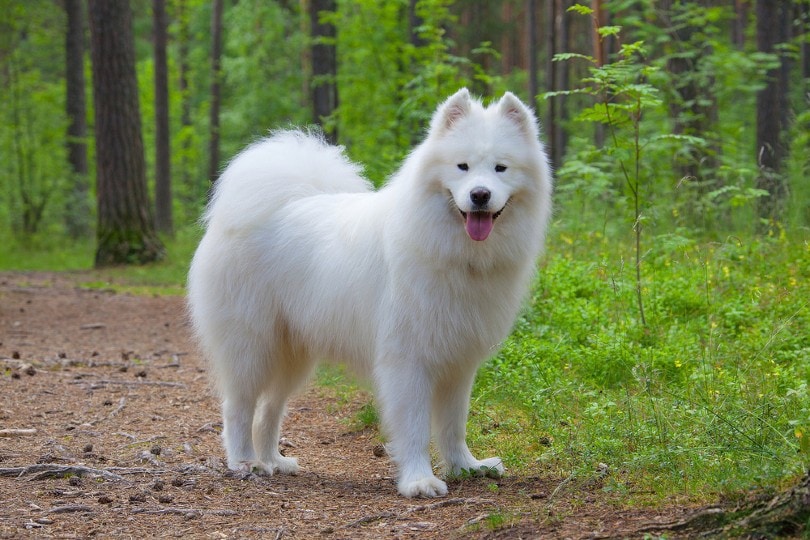
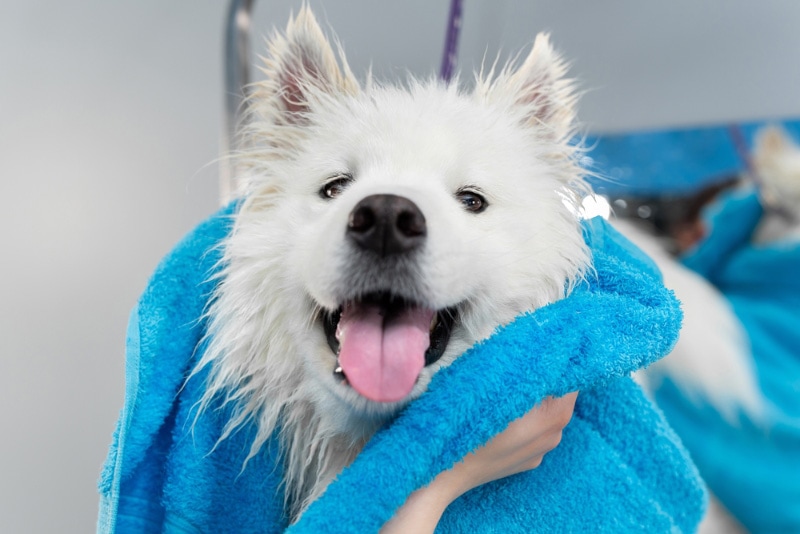
Samoyeds are medium-sized dogs with big white coats and a friendly, playful attitude. The breed was first developed in Siberia to pull sleds, herd reindeer and livestock, and hunt. Their coats protect them from the harsh cold climate, and while they are considered medium breeds, they require a lot of exercise and stimulation.
You need to provide at least an hour of exercise a day. Ideally, your Samoyed needs around 2 hours of exercise, combining leashed walks with more intensive forms of exercise. The Samoyed excels in sledding and other pulling events but will take to most canine sports. They also enjoy playing with adults and older children. Since the Samoyed has dense fur, exercising them in the early morning or evening when temperatures are cooler is best.

About Samoyeds
The Samoyed is a working breed developed by Siberian tribespeople called the Samoyede. The nomadic people used the dog to pull sleds, herd livestock, and hunt. The dogs would sleep in tents with the Samoyede and were essentially treated as family members. The breed was then discovered by European explorers in the 19th Century and made their way back to England. After becoming a popular breed with English nobility, word of worth spread through the rest of Europe before eventually making its way to the US.
As a working dog, the Samoyed is incredibly intelligent. A skilled handler should find it relatively easy to train the dog to a basic standard, but they aren’t going to be competitors in obedience training events! They love to run and pull, so events like CaniCross can be excellent for them.
The Samoyed makes a great family pet if their owners can provide enough exercise and mental stimulation for their dog. Samoyeds were raised to be members of their owners’ families. They slept in close quarters with their humans in Siberia and usually got along with all family members.
The breed is outgoing and usually accepts strangers while providing a fun companion for older children who treat the dog with respect. Sammies can thrive in larger houses with fenced-in yards, but they are vocal dogs, so an apartment isn't suitable. They are best suited to rural living.

Samoyed Care Requirements
The Sammie's coat requires frequent grooming. Daily brushing removes dirt and debris, and since they play outside frequently, cleaning the Samoyed's fur with doggy wipes may be necessary. They don't need a bath unless they're covered in filth. Owners also need to provide an absolute minimum of an hour of exercise a day, but 2 hours is the ideal amount of daily exercise.
If you need more guidance knowing your Samoyed's exercise needs or specific care requirements, we suggest you speak to a vet.

The 5 Best Forms of Exercise for Samoyeds
As well as providing the required amount of exercise each day, it is a good idea to provide Samoyeds with various tasks and types of exercise. Some options include:
1. Long Walks
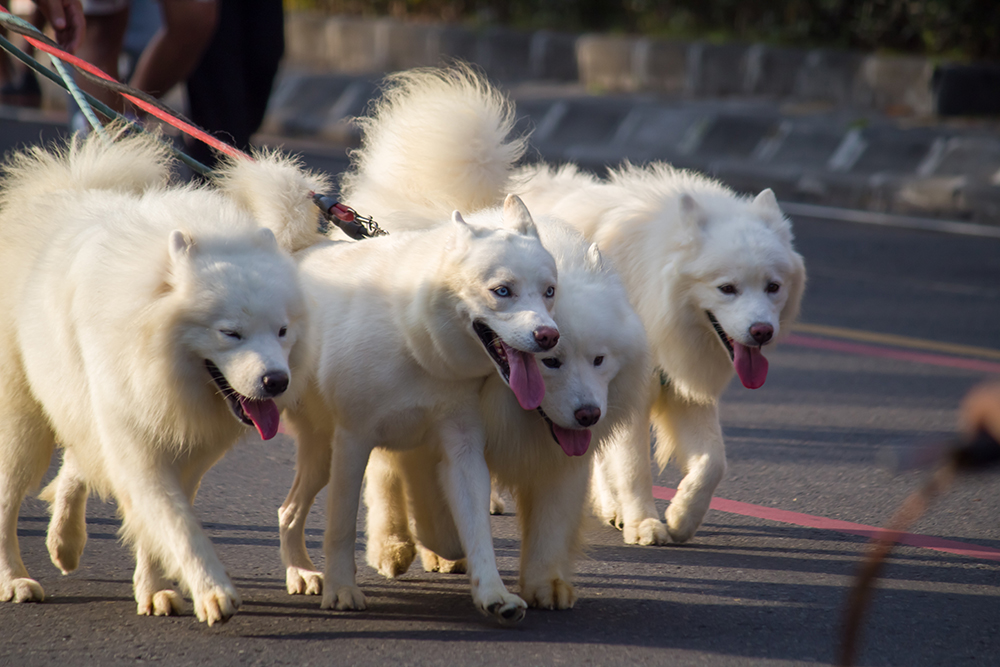
The Samoyed ideally needs around 2 hours of exercise daily, including walks. A quick walk around the block isn’t going to do much except make your dog excited for more. Consider hour-long walks; the Samoyed can handle a brisk walking pace and will benefit from it. You can also take them out on your weekly or daily hikes, but remember that the Samoyed is bred for cold climates and may struggle in the heat.
2. Playtime
Half an hour of chase or fetch is a great way to burn off your dog’s energy and build a bond between you. You can also use this playtime as a great opportunity to enhance your training efforts by incorporating basic commands into the game and working on recall in your yard.
Hiding treats around the yard can be a fun way to spend some time. Your Sammie will enjoy sniffing the treats out and gobbling them down.
3. Sledding
One of the Samoyed’s primary tasks, as part of the Samoyede tribe, was to pull sleds laden with people and goods. You can train them to pull a sled if you live in a cold climate with regular sledding events near you. However, it's best to get instruction from an experienced dog handler on how to train a sled dog safely.

4. Urban Mushing
Urban mushing, also called snowless sledding or dry sledding, is similar to sledding, except the sled has wheels or tracks and is run on dry ground. The Samoyed is well-suited to this sport, and it presents an excellent opportunity for suitable exercise.
5. Running
You can teach your Samoyed to run with you if you're a regular runner. Check local laws regarding the use of belt leashes and harnesses because they may not be allowed in certain areas, but you can harness a Sammie and have them run alongside you.
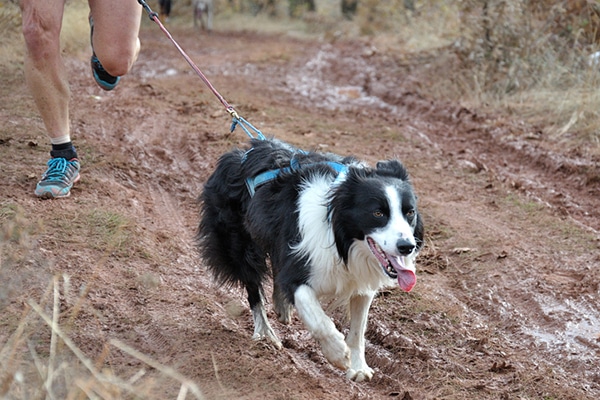
You can also take part in organized “CaniCross” events. Sports like CaniCross can exercise both you and your dog and Samoyeds can be great at it. However, always bear in mind that this is only suitable in a cool climate since Samoyeds can overheat easily.

The 3 Dog Breeds That Need Less Exercise Than a Samoyed
Samoyeds need a lot of exercise. They can become destructive and may show other unwanted behaviors without adequate physical and mental stimulation. If you don’t have the time to provide 1–2 hours of good exercise every day, you may want to consider a dog that needs less exercise.
1. Greyhound

The Greyhound is renowned for their running abilities, specifically their intense bursts of incredible speed. They are known as the world’s fastest couch potatoes because while they can reach speeds of up to 40 miles per hour, they aren't known for their stamina, and after a burst of running, they will be happily sprawled out on the sofa with their owners.
However, a Greyhound may not be suitable if you own cats because they have a high prey drive.
2. Cavalier King Charles Spaniel

The Cavalier King Charles Spaniel needs less exercise than most other Spaniel breeds. An hour’s exercise a day should be more than enough to meet this pup's requirements. Cavalier King Charles Spaniels are friendly and loving little dogs that will happily spend time with their owners and usually get along with other dogs and cats.
3. Mastiff

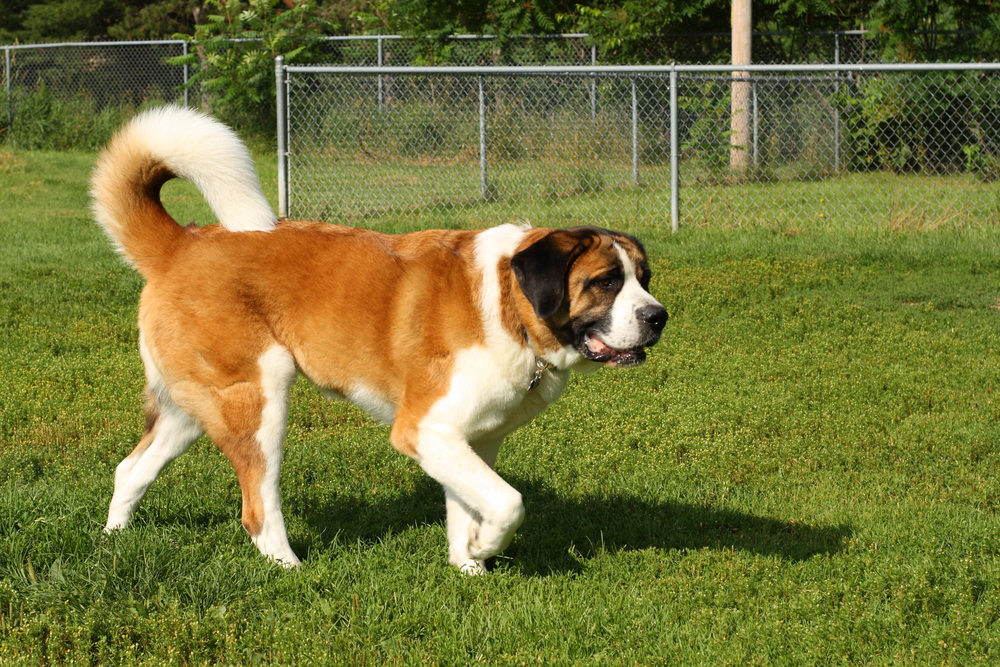
At the other end of the exercise chart from the Samoyed is the Mastiff. They have minimal daily requirements and only need 30 to 60 minutes of exercise. The Mastiff is affectionate with family but aloof around strangers. They need a lot of socializing as a young pup, and the size of the breed means that the Mastiff has a short lifespan of around 11 or 12 years.

Frequently Asked Questions (FAQ)
Do Samoyeds Need a Lot of Grooming?
Samoyeds have a thick, double coat designed to protect them from the cold. The breed benefits from daily brushing, which will help remove dead hairs and prevent knots and matting. This, combined with the high exercise requirements, means that Samoyeds are high-maintenance pets.
Do Samoyeds Suffer Separation Anxiety?
Sammies were bred to be around humans. They would sleep in the same tent as their families and spend most of the day working with their handlers. Although they are working dogs, Samoyeds need human interaction, and they can suffer separation anxiety if left alone for too long. If you need to leave your dog for long periods, consider getting a family member or friend to visit or pay a dog walker to come and exercise them. Always ensure that your Samoyed has plenty of exercise and is provided with mental stimulation when you're away.
Is the Samoyed a Good Family Dog?
The Samoyed makes an excellent family dog that gets along with all family members. They bond with those who provide exercise and are willing to play and those who take the lead in training.

Conclusion
Recognizable for their fluffy white coat, the Samoyed is a working dog breed that makes a great family pet because they are affectionate, loving, and fun. However, they require frequent grooming and more than the average amount of exercise. Their luscious coat needs daily brushing to ensure it doesn’t get knotted or messy, and the Samoyed ideally needs 2 hours of exercise each day, including some form of intensive exercise beyond casual strolls around the block.
They can take up a lot of your time, but if you have the time and an active family, the Samoyed can be an ideal family pet.
See Also:
Sources
Featured Image Credit: Freyant, Shutterstock
Expert dog care, straight to your inbox
Vet-reviewed advice, training tips, and the best of Dogster. Free, and you can unsubscribe anytime.
By signing up, you agree to our Terms & Conditions and Privacy & Cookies Policy.
Ollie is a zoologist turned freelance animal writer living in South Australia with his partner Alex and their mini zoo consisting of their eldest, a rescue dog named Pepper, many aquatic creatures, and their cat Steve. Ollie has a Master's degree in wildlife biology but became a freelance animal writer in 2020 and hasn't looked back. He loves sharing what he has learned with pet parents around the planet.
Join the conversation
Ask a question, share your story, or send private feedback.