How Long Do Goldendoodles Live? Vet-Reviewed Average Lifespan, Data & Care


In this article
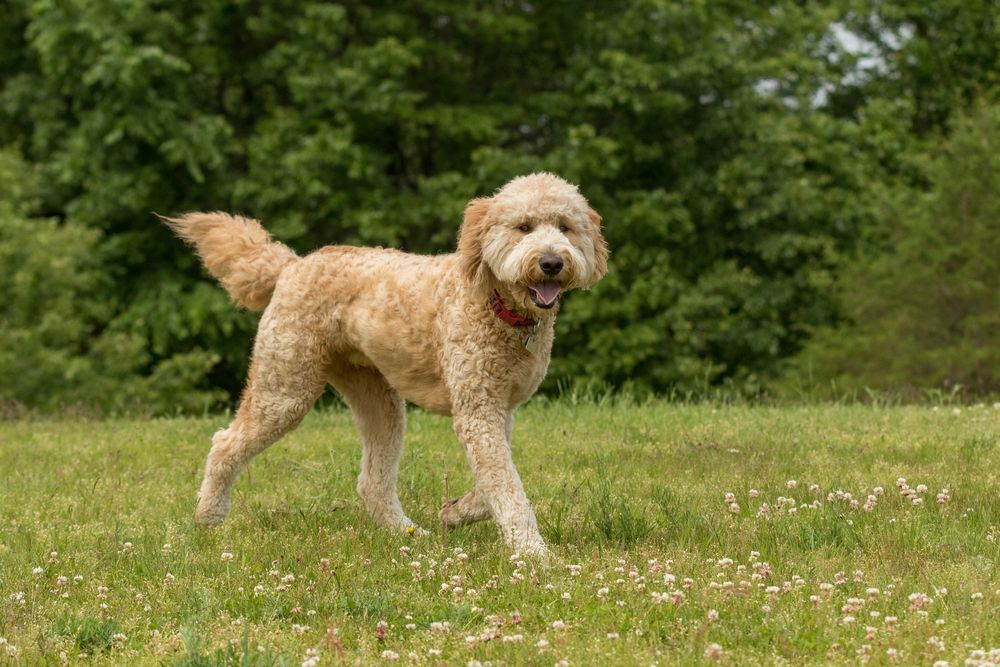
Goldendoodles are known as a designer dog breed. A designer dog breed mixes two purebred dogs. In this case, the Golden Retriever and usually the Standard Poodle are mixed to produce the Goldendoodle. This breed is loyal, affectionate, social, and intelligent, but how long do Goldendoodles live? Typically, Goldendoodles have a lifespan of 10 to 15 years, depending on their size, genetics, and overall health, so strap in and let's explore this hybrid breed of dog.

What’s the Average Goldendoodle Lifespan?
The average lifespan of a Goldendoodle is 10 to 15 years. The Standard Poodle averages anywhere from 12 to 15 years of age, and Golden Retrievers average around 10 to 12 years of age, leaving the Goldendoodle’s lifespan to fall in between their parent breeds.

Why Do Some Goldendoodles Live Longer Than Others?
Many factors come into play and influence the Goldendoodle’s longevity. As with any dog, some live longer than others, so let’s take a closer look at possible reasons.
1. Nutrition/Weight Management
Goldendoodles benefit from a high-quality, balanced diet with adequate protein. Many owners choose dry kibble, but wet, raw, or mixed diets can also be appropriate if they are complete and properly formulated following AAFCO guidance. A high-quality, fresh lean protein should be the first listed ingredient, such as chicken, turkey, or fish, and it’s important to choose a formula appropriate for your dog’s life stage. Goldendoodles may be at risk for hip dysplasia, and some diets include ingredients such as glucosamine and chondroitin, which may help support joint health, although their effects can vary. It is also important to choose balanced diets rather than focusing on avoiding specific ingredients like corn or soy, which can be nutritious components in properly formulated foods.
Obesity in dogs can lead to a whole slew of health problems and shorten their lives, including increased risk of conditions such as breathing problems, heart disease, diabetes and certain types of cancer. Feeding scheduled meals rather than free-feeding can help with weight management. The amount of food a Goldendoodle will eat on a daily basis depends on their size, age, and activity level, ideally split into two meals. Always consult a veterinarian for precise feeding guidance.
2. Health Conditions
No dog is free from possible health conditions, and the Goldendoodle is no exception. While reputable breeders try to breed out such conditions, they can still arise. Goldendoodles are generally considered a healthy hybrid breed, but they can inherit certain health conditions from their parent breeds.
Some of the health conditions seen in Goldendoodles may include hip and elbow dysplasia, aortic or subaortic stenosis, Addison’s disease, and thyroid disorders. Maintaining a healthy weight is vital for a healthy life and reducing the risk for many health issues, particularly those affecting the joints and metabolism.
3. Exercise
We all know how a daily exercise routine benefits us humans, but it applies to our dogs, too! Many Goldendoodles love to go on runs or hikes. Some also love to swim, which is something inherited from their Golden Retriever parents. Swimming is an excellent form of exercise and will keep your Goldendoodle in shape, both mentally and physically.
You’ll need to devote at least 30 minutes of exercise a day for your Goldendoodle, but preferably 1 to 2 hours a day for adults. Forms of exercise can be playing fetch, going on a walk, a run, or of course, swimming. A fenced yard is ideal because your Goldendoodle will love to play fetch with you. Goldendoodles have a lot of energy and can get bored with the same routine. With that in mind, try mixing up playtime activities and exercise. Goldendoodles are highly intelligent, making puzzle toys or a game of tug-of-war wonderful for mental stimulation. If you exercise your Goldendoodle, both physically and mentally, they will live healthier, longer lives.

4. Size
One size fits all doesn’t apply to Goldendoodles. The smallest is the Toy Goldendoodle, which averages 10 to 25 pounds. Miniature Goldendoodles range from 25 to 35 pounds; Medium Goldendoodles range from 35 to 50 pounds, and the Standard Goldendoodle averages between 50 to 90 pounds. These size categories are not strictly standardized and can vary between breeders. In general, smaller dogs tend to live longer than larger ones, so smaller Goldendoodles may have a longer average lifespan, although this also depends on genetics, health, and overall care.
5. Sex
As mentioned, Goldendoodles are an overall healthy hybrid breed, but they are not immune to certain health conditions, especially in females. Female dogs, in particular, are at risk of reproductive issues such as pyometra (a uterine infection) and mammary tumors. Spaying can significantly reduce or eliminate the risk of these conditions and prevent heat cycles. Spaying may contribute to improved overall health, though its impact on lifespan can vary depending on the individual dog and other factors.

6. Genes
Genes play a significant factor in the Goldendoodle’s lifespan. Golden Retrievers generally have shorter lifespans than Poodles, but a Goldendoodle’s longevity cannot be predicted simply by how much it resembles one parent breed. Lifespan and health are influenced by complex genetic factors inherited from both parents. While breeders can estimate a dog’s lineage, there is no precise way to predict lifespan based on genetics alone. DNA testing can provide insight into breed composition and health, but it cannot determine future outcomes with certainty.
Another factor is the breeder. Reputable breeders aim to reduce the risk of inherited health conditions by screening parent dogs for known issues. While this does not guarantee a completely disease-free dog, it can improve the chances of better overall health. If choosing a breeder, it’s important to select a responsible one, though adopting from a rescue is also a great option.
7. Breeding History
Crossbreeding of Golden Retrievers and Poodles became more established in the late 20th century, with Goldendoodles rising in popularity during the 1990s in the United States and Australia. The goal was to create a low-shedding or service dog suitable for people with allergies.
Poodles shed less than many other breeds, which can help reduce the spread of allergens, though no dog is completely hypoallergenic. Golden Retrievers contribute traits such as trainability, intelligence, and a gentle temperament, making the breed suited for service work. Given the lifespans of the two parent breeds, Goldendoodles often have moderate to relatively long lifespans, though this can vary depending on genetics, size, and overall care.

8. Dental Hygiene
Let’s face it—most dogs don’t care for getting their teeth brushed, but good dental hygiene is such a vital component in a dog’s overall health. Dental disorders, such as gum disease and periodontitis, can cause your doodle health problems if left untreated. Goldendoodles love games, so come up with a fun way to brush. Try showing them the toothbrush, and when they show interest, give them a little treat. It’s all about slowly progressing to actual brushing. With patience, your doodle will more than likely allow it. Ideally, you should brush your dog’s teeth daily, but even 2 to 3 times per week can be beneficial if daily brushing isn’t possible.
The 4 Life Stages of a Goldendoodle
Puppy Stage

Bringing a new puppy home is both exciting and a little frightening, especially if you have no idea what to expect. Your puppy doodle will probably be around 8-12 weeks of age when you bring it home. As with any puppy, they’ll be curious about all things. Puppy-proofing your home is important, such as putting hazardous items out of reach and away and making sure there are no places your doodle can escape from the yard. Providing plenty of safe chew toys is a good idea and taking them outside to potty multiple times a day is also ideal.
The puppy stage is the critical time for training. Goldendoodles are highly intelligent, but they still need consistent training from you. Teaching them basic commands, like “sit,” “stay,” or “down,” goes a long way and introduces them to discipline.
Because your puppy is still developing, it’s important not to overexercise them during this stage. A common guideline is about 5 minutes of structured exercise multiplied by every month of age, up to twice a day (for example, around 15 minutes at 3 months). Free play is fine, but avoid excessive strain on growing joints. As your puppy grows, you can gradually increase activity levels.
Spaying or neutering timing can vary depending on your dog’s size and health, so it’s best to discuss the ideal timing with your veterinarian.
For nutrition, feed your puppy a high-quality diet formulated for their life stage. Standard-sized Goldendoodles may benefit from large-breed puppy food, while smaller ones may not require it. You can also check with a vet on how much to feed to ensure they’re getting the right amount of nutrition during this critical stage. You can go by the directions on the bag but consult with a vet to be safe.
Young Adult

Your Goldendoodle will begin approaching adulthood around 8–12 months of age, though they may not reach full physical maturity until 18–24 months, especially in larger dogs. While their height may be close to full size by their first year, they will continue to fill out and mature mentally over time.
They will need a lot of exercise at this stage and continual training to ward off unwanted behaviors, such as destroying a roll of toilet paper or getting into the trash. Positive reinforcement is the key to successful training. You’ll want to be firm, but not so much that your doodle will become afraid of you. Remember, Goldendoodles are highly intelligent, and they’ll get the gist quickly with consistency and patience.
You’ll want to change their food from puppy to adult food, but don’t do it all at once. The best way to avoid tummy upset is to gradually replace the old food with the new over 7-10 days. Start by mixing about 75% puppy food with 25% adult food for a few days, then move to a 50/50 mix, followed by 25% puppy food and 75% adult food before fully switching over. Always consult your veterinarian to ensure the diet is appropriate for your dog’s size and needs.
Mature Adult

By the time your Goldendoodle reaches mature adulthood, they should be well established in a routine and respond reliably to training and household boundaries. Most will have finished growing in height, though some may continue to fill out slightly depending on size and genetics. At this stage, they are typically more settled than in young adulthood, while still maintaining a moderate to high energy level.
Your Goldendoodle will need regular daily exercise, often around 30 to 90 minutes depending on their size, age, health, and activity level, ideally split into two sessions. Going for a walk or a trip to the dog park will suffice, or maybe even a quick dip since they love to swim.
Senior

This stage is where you’ll want to monitor your doodle, especially during exercise. They’ll begin to show signs of aging, such as grey hairs sprouting up on the face and getting up slower than they used to. Make sure to take them for regular checkups at the vet, and, at this point, you’ll probably want to change their food to a senior food that supports joint health. Keep their mind active with mental stimulation, and don’t overdo it with exercise.
It’s important to provide them with gentle and regular exercises, such as a walk or a little swim. At 7 to 10 years of age, they will likely slow down a bit, and it’s a good idea to keep an eye out for any mobility issues, such as limping or behavioral changes. You’ll know your doodle the best, so if you feel your doodle isn’t feeling 100%, have a veterinarian do a checkup.

How To Tell Your Goldendoodle’s Age
If you adopted a Goldendoodle and are unsure of their age, a veterinarian can help estimate it through a physical exam. One of the most useful indicators is dental status, although it is not exact since it varies with genetics, diet, and dental care. Young adult dogs (around 1–2 years) typically have clean white teeth, though some early tartar may appear depending on care. By around 3–5 years, mild to moderate tartar buildup and wear may be present in many dogs, especially if dental hygiene has been limited. As dogs age beyond 5 years, dental disease becomes more common, though its severity varies widely. In senior dogs (10+ years), teeth may show significant wear, and some may be missing, particularly if dental care has not been consistent.

Conclusion
Goldendoodles make excellent companions and family pets. They often live relatively long lives and will bring you many years of joy. Be sure to give them the appropriate amount of exercise and take them for yearly checkups. Feed them high-quality food and brush their teeth as often as you can. In doing these things, your doodle will be a happy, healthy dog for years to come.
Related Read:
20 Designer Dog Breeds (With Pictures, Traits & Information)
Chocolate Goldendoodle: Facts, Origin & History (With Pictures)
Sources
Featured Image Credit: Jennifer McCallum, Shutterstock
Expert dog care, straight to your inbox
News, insights, expert advice, and everything dog.

No spam — unsubscribe anytime.
By signing up, you agree to our Terms & Conditions and Privacy & Cookies Policy.
How useful was this post?
Click a star to rate. You can leave written feedback afterwards. (We read all feedback.)
Rachael has been a freelance writer since 2000. In this time she has had an opportunity to research and write about many different topics while working to master the art of fusing high-quality content with effective content marketing strategies. She is an artist at heart and loves to read, paint, and make jewelry. As a vegan, Rachael is obsessed with helping animals in need, both in her community and anywhere in the world where she feels she can make a difference. Animals also happen to be her favorite topic to write about! She lives off the grid in Hawaii with her husband, her garden, and her rescue animals including 5 dogs, a cat, a goat, and flock of chickens.