Dog Wart vs Skin Tag: Vet-Reviewed Differences Explained

In this article
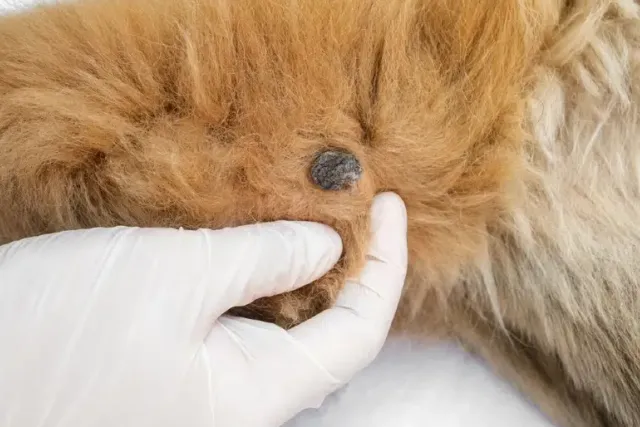
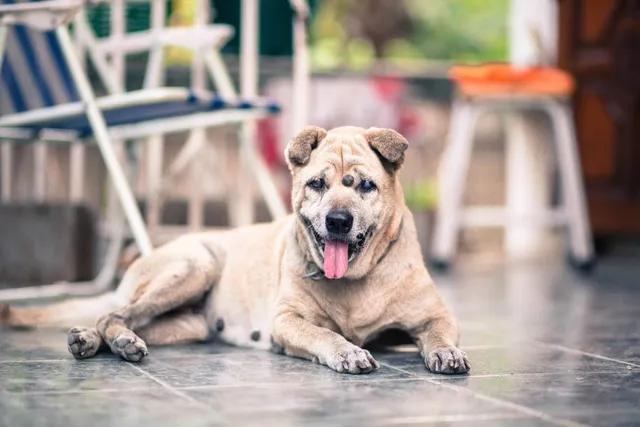
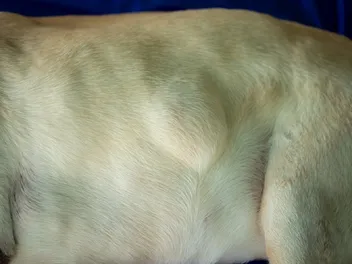
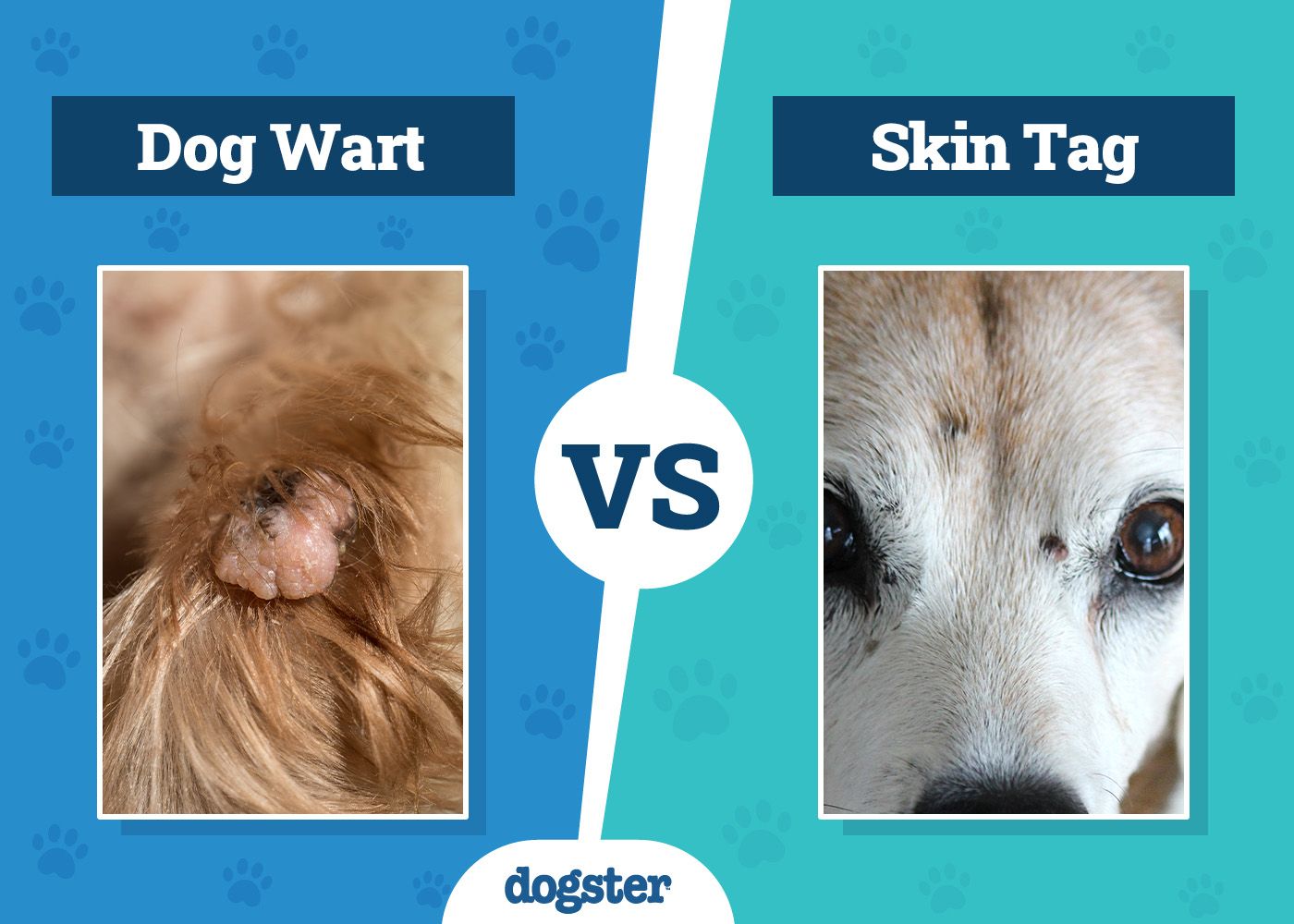
Finding a lump on your dog can be worrying, and even the most benign-looking lump should be checked out by the veterinarian. Of all the possibilities, warts and skin tags are two of the more common benign lumps on your dog’s skin. At a quick glance, they might seem like the same thing, but they are slightly different, and how you treat them is also different. Read on for an explanation of the difference between the two as well as pictures of warts and skin tags on dogs.

Dog Wart vs Skin Tag: At a Glance

Overview of Dog Warts

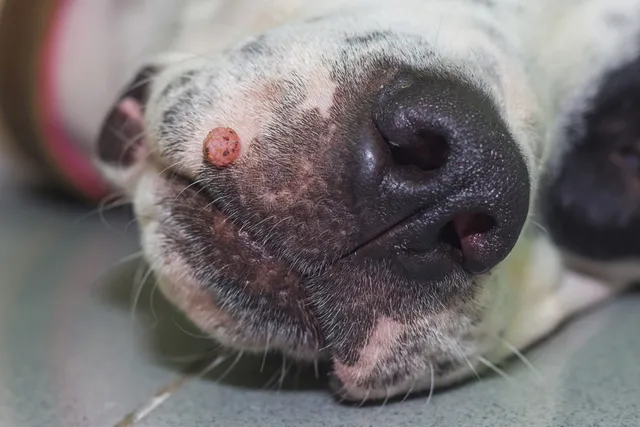
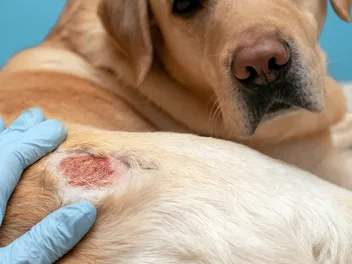
Warts are considered unsightly but they aren’t generally a threat to your dog’s health. They most commonly occur on the lips or inside of the mouth, but you can find them just about anywhere on your dog’s body. Sometimes there will only be one, or you’ll find a few. Senior dogs with compromised immune systems or young dogs under the age of 2 are the likeliest to get warts because their immune systems aren’t strong enough to fight the virus.
There aren’t many problems associated with warts, but they can grow into the dog’s feet and cause lameness, cluster around the mouth and make it difficult for them to eat, or become inflamed. And it can be alarming to see a growth on your dog’s skin if you aren’t sure what it is, so what exactly causes them?
Causes of Dog Warts
True warts, also known as viral papillomas, are non-cancerous skin tumors caused by a virus. Many species can catch the papillomavirus that is specific to their species—for humans, verrucas are warts that are caused by the human papillomavirus (HPV), and there are several dog papillomaviruses (CPVs).
When a dog recovers from CPV, they are immune to it but could be susceptible to other types of CPV. It’s completely normal for animals to carry viruses asymptomatically, but for younger or immunocompromised dogs who have a reduced ability to fight infections, warts can then develop until their body is able to generate a strong enough immune response to get rid of them. After recovery, a dog will be immune to further infection.
Papillomaviruses can survive for a long time in the environment and gain access when a dog’s skin is damaged, like by an insect bite or abrasion or through the moist skin of the mouth. They can spread when viral particles contaminate something like food bowls or bedding and by direct contact with another dog with warts.
There are also bumps on the skin of older dogs that are commonly referred to as ‘warts’ but are technically not warts at all as they are not virus-related. These are common in older dogs and the majority of them are sebaceous gland growths and are usually benign. These are typically round or cauliflower-shaped and so can be similar in appearance to a viral wart.
If you're concerned about your dog's skin problems, we suggest you speak to a vet.
Did you know that you can speak with a real vet online about your dog's health?
Diagnosing Warts
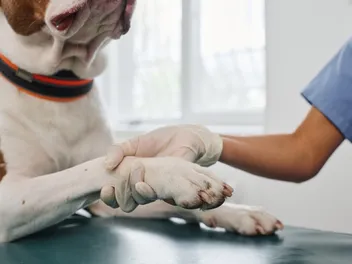
The simplest way (for veterinarians) to investigate a wart is to use a needle and syringe and collect cells to look at under a microscope. This will be done either at your veterinarian clinic or by sending them away to a specialist laboratory. Your vet might also identify warts on sight based on their appearance and where they are, especially if your dog is a puppy and they are in the mouth.
Your vet could also biopsy the wart or part of it. This will provide the most accurate information because the structure of the tissue will be preserved in the sample, but this generally requires general anesthetic or sedation. Your vet might also ask you to monitor the lump, take photos and measurements every two weeks, and check how the lump feels.
When you take a picture, make sure the lighting is good, and there is something else in the picture for reference, like a tape measure or a coin. If you suspect the wart is changing or causing your dog some distress, go back to the vet so they can treat it.

Treatment for Warts
Generally, warts don't require medical treatment unless they are infected, irritated, or grow so large that they are causing your dog discomfort. In young dogs, warts tend to go away by themselves within around a month or two as the dog’s immune system matures and learns to fight the virus. However, some dogs might end up needing treatment, which is most commonly surgical removal under sedation or general anesthetic.

Overview of Skin Tags

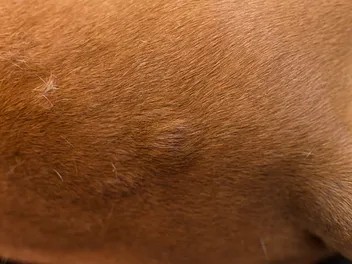
Like humans, dogs grow skin tags in various places on their bodies, and the good news is that most skin tags are nothing to worry about. These fibrous growths affect older dogs, although puppies can also get them. Skin tags can sometimes grow quite large, which becomes a nuisance.
They’re generally the same color as the dog’s skin and are composed of collagen and blood vessels covered with skin. And, unfortunately, we don't know precisely what causes them, but some theories exist.
Causes of Skin Tags
One theory is that skin irritation or friction causes skin tags. Larger dogs can sometimes get them in pressure areas, like their elbows and sternum. Pressure areas would also be places where their body touches the ground, like when they’re lying down. Dogs will also often get them in areas that rub together, like the armpits, or from objects that rub against them, like a harness or collar.
Another theory is that overactive fibroblasts are the cause. Fibroblasts are cells that create the fibers and collagen that make up the connective tissue in your dog’s body. If they’re overactive, they could cause abnormal skin growths.
Diagnosing Skin Tags
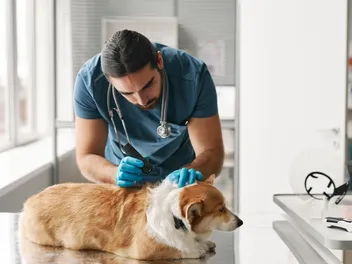
Your veterinarian will perform a physical exam and use this close inspection to determine their next step. They might recommend removing the skin tag if it’s causing any problems or there is a likelihood it could become problematic.
If you’ve noticed any unusual signs or changes to the skin tag, tell your vet about them. They might then use a needle aspirate to collect a sample to analyze. Sometimes, they will biopsy the lump to determine if the growth is benign or malignant, which might also include removing the growth.
Treatment for Skin Tags
Most skin tags aren’t removed and don't require any treatment because they are non-cancerous, benign growths. If the skin tag is bleeding, irritated, infected, or growing quickly and bothering your dog, your vet might recommend surgery. Surgery is considered curative—if completely removed, it shouldn't reoccur in the exact location.
If the skin tag isn’t removed, you might wonder how to monitor your pet at home. You can:
- Do a monthly lump check to see if there are any changes to the skin tag, and keep an eye out for new growths.
- Write all your findings down and record the location, size, and any color changes, discharge, or injury to the skin tag.
- Contact your vet if you notice any abrupt changes.
- Monitor the skin tag for signs of irritation if it’s located near the eye (such as redness, squinting, or increased discharge).
What Other Lumps Should You Be on the Lookout For?
For example, skin problems like tumors and ticks can look like warts and skin tags. So, let’s look at what you should be aware of when checking your dog’s lumps and bumps.
Ticks
A tick has eight legs and mouthparts, and you’ll have to part your dog’s hair to see it properly since ticks are so small. Always be sure it’s a tick before you try to remove it because if it’s a skin tag and you tug on it, it will hurt!
Once you’re confident it’s a tick, you can remove it carefully with tweezers or a tick removal tool. Follow the instructions of the tick removal tool carefully, and if you are unsure how to remove it, then contact your vet for help. If your dog shows signs of being sick, like fever, lethargy, joint swelling, or pain, take it to the vet, where it will be checked for tick diseases. You bring the dead tick with you to help with your dog’s diagnosis.

Cancer
A growth on your dog’s skin that changes shape, size, and color could indicate it’s a cancerous mass. Occasionally, skin tags can develop into cancer, but it is rare. Your vet generally finds tumors during a routine physical exam, which is why it’s so important to keep up with your pet’s appointments. Your vet will determine if a lump is cancerous by taking a sample for testing.
Lipomas
Lipomas are round and soft fatty tumors that appear beneath the skin. They’re always benign and made up of fat cells; you usually see them in older or overweight dogs.
Sebaceous Adenomas
These are benign growths arising from the sebaceous glands. They are common in older dogs and are sometimes referred to as ‘old dog warts’ due to their cauliflower-like appearance.

Sebaceous Cysts
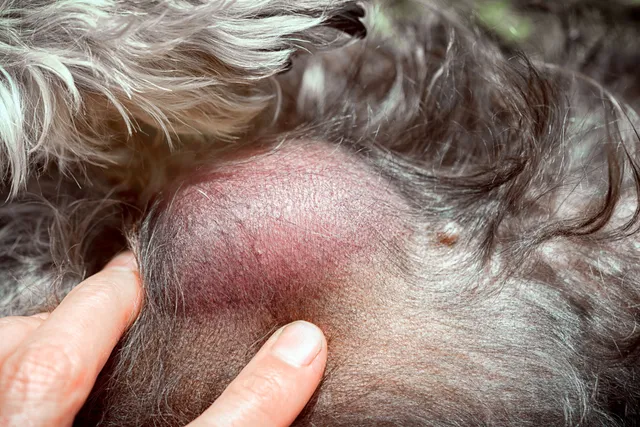
Sebaceous cysts are typically smooth or raised bumps on or under the skin and they are formed by blocked oil-producing sebaceous glands. If they burst, they release a pasty white goo and may disappear independently, although some can be there for a few years and become infected. They are most common in breeds with fine hairs, like the Bichon Frise or Poodle.
Abscesses
Abscesses are swellings that contain pus. They are formed when a wound becomes infected, such as around animal bites. They are painful and need to be treated by your veterinarian.

Conclusion
When it comes to finding a lump or bump, your mind can immediately jump to the worst, but some are entirely benign. Skin tags and warts might look similar at first glance, but they have some differences that set them apart. Whether you think you’ve found a wart or a skin tag, you should contact your vet so they can get a closer look and investigate it thoroughly. Many other lumps can look like warts and skin tags, like ticks and cancerous masses, so it’s always a good idea to get them checked, just in case.
See also:
Sources
Featured Image Credit: Top - yorkie-corgi, Shutterstock | Bottom - AT Bea, Shutterstock
Expert dog care, straight to your inbox
Vet-reviewed advice, training tips, and the best of Dogster. Free, and you can unsubscribe anytime.
By signing up, you agree to our Terms & Conditions and Privacy & Cookies Policy.
Kerry-Ann lives in Scotland and wishes her garden was bigger so she could have her very own Highland cow but thinks her dogs probably wouldn’t like that idea very much. She has a La Chon called Harry who was poorly with a liver shunt when he was a puppy. It wasn't likely he would make it into adulthood, which was difficult to comprehend, but he beat the odds and is a healthy old man now. She also has a Pug called Maddie who is a big foodie. She’s small, sassy, and every day she finds a new way to wind her brother up.
When she isn’t writing you can find Kerry-Ann going for long walks when it isn't raining, reading, or watching cartoons when she should be tidying her house. She would one day like to be a tourist in her own country and travel through the Highlands with her family.
Join the conversation
Ask a question, share your story, or send private feedback.