My Dog Ate Christmas Lights! What to Do & 10 Vet-Approved Safety Tips


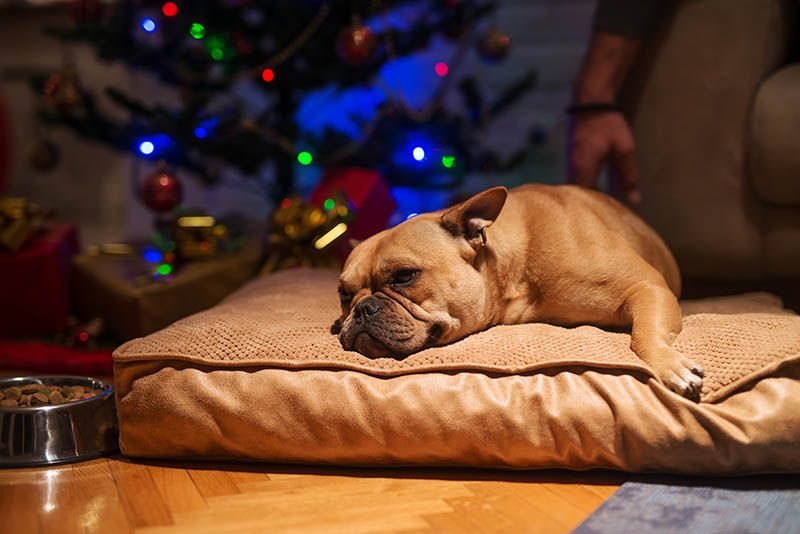
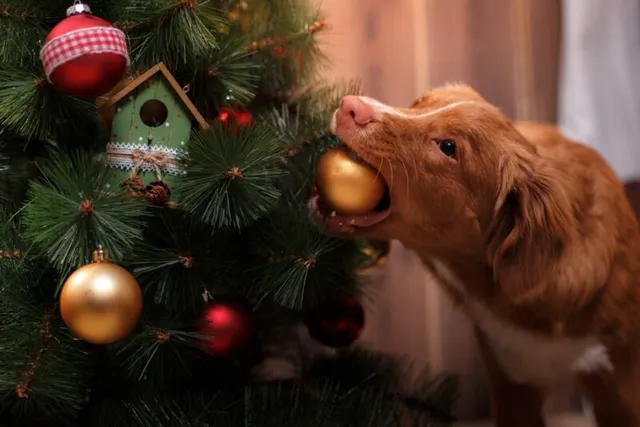
Christmas lights add color and joy to the holidays, making Christmas trees come to life and houses sparkle. When you’re a dog owner, however, Christmas lights can become a health hazard if you have a nosy canine who likes to investigate everything, especially things your pet doesn’t see on a day-to-day basis.
Nothing is safe about your dog eating Christmas lights, considering they are made of glass and metal fragments and can cause an electrical shock (or even electrocution!) if chewed while plugged in. In this guide, we'll discuss safe methods of using Christmas lights. However, if your dog decides to eat them, you should take them to see the vet immediately!
Before acting on any suggestions listed below, consult your veterinarian beforehand.

Here's What to Do
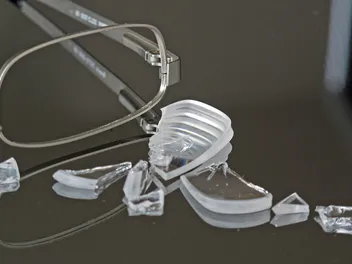
If your dog ate Christmas lights, we advise you to take your dog to the vet immediately for an assessment. Christmas lights are made of blown glass, metal fragments, copper wiring, batteries, and PVC plastic, which could cause intestinal blockages, perforate the GI tract, and cause multiple cuts inside the mouth.
Before you head off to the vet take note of which parts of the Christmas lights are chewed and if there are any missing sections, and take photographs if needed. This will help your vet assess the risk to your dog. This is the best course of action if your dog has already eaten a few Christmas lights, but if they haven’t yet and you’re taking preliminary cautions, there are a few ways you can deter this behavior.
Below, you’ll find suggestions and alternatives for making Christmas lights in your home safer for your dog.
The 10 Tips for Keeping Your Dog Away From Christmas Lights
1. Consider the Placement of the Christmas Lights
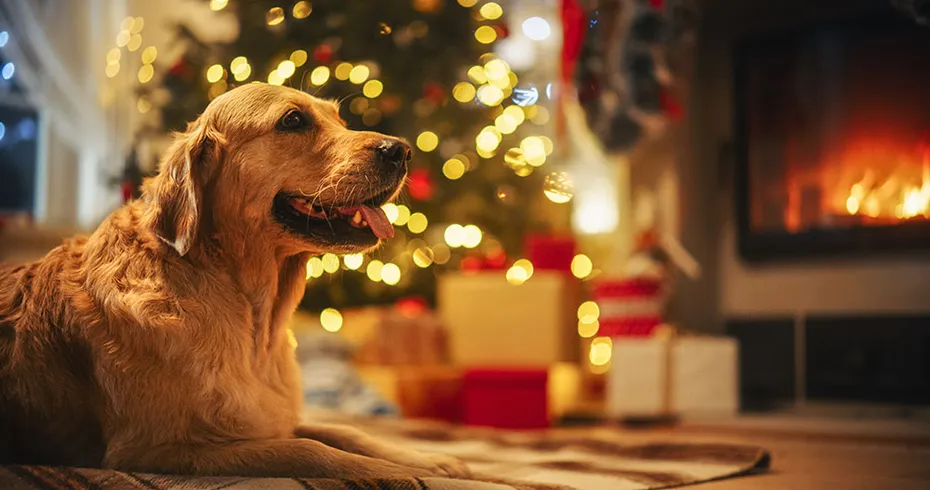
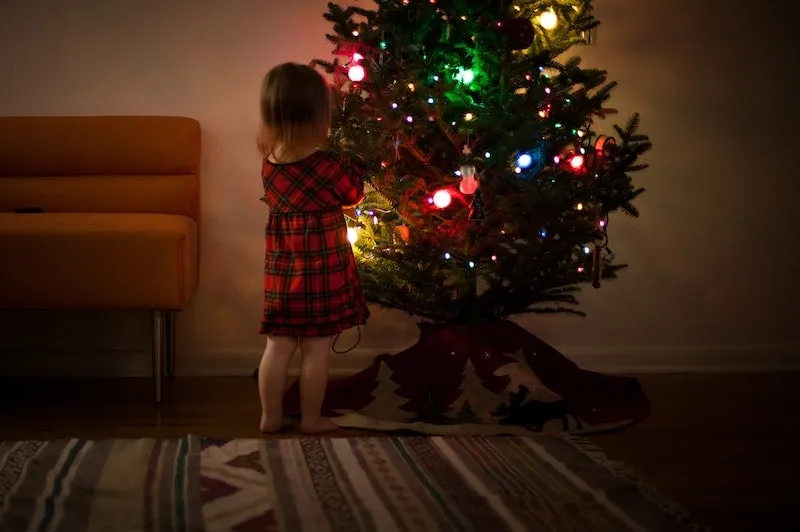
Dogs will naturally be drawn to shiny lights, so you'll want to avoid placing them on the bottom of the tree or an object. If the lights are placed low enough to where your dog can easily access them, there's a chance they will be intrigued enough to investigate. Your dog could get tangled in the wires, which could turn dire quickly, or, even worse, receive an electrical shock, causing severe injuries.
You should also hide wiring inside the tree to avoid temptation for your dog. If your dog sees a dangling wire, they may be more tempted to check it out.
2. Cover the Cords and Wiring
You can use a tree skirt or electrical tape to secure the cords and wiring to the floor. Not only will this keep your dog from investigating them, but it will also look better. However, even if you cover and conceal the cables and wiring, you should check them often to ensure your dog hasn’t been checking them out.
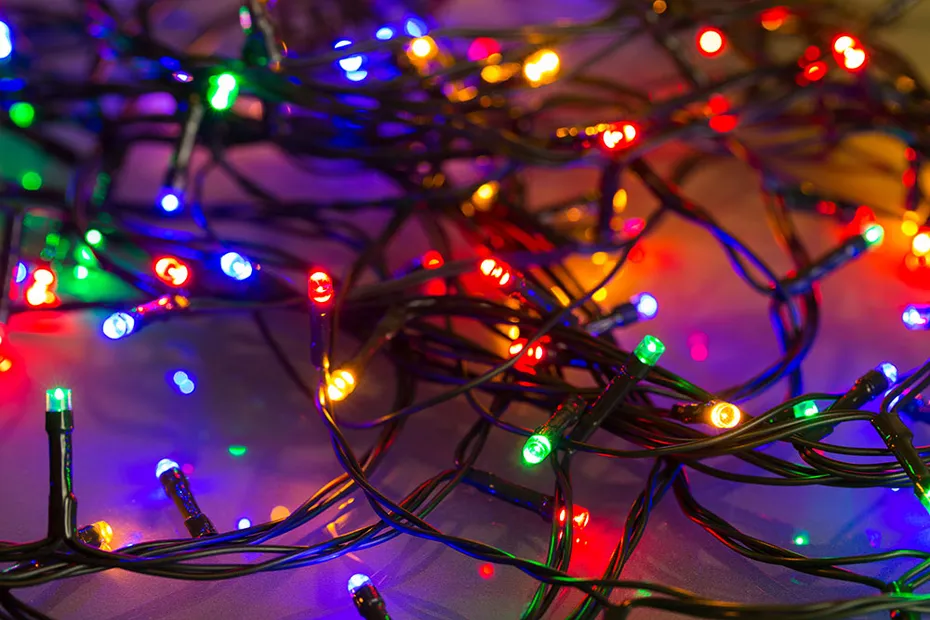
3. Use LED Lights
LED lights have become more common these days and are safer than traditional incandescent Christmas lights. They do not give off much residual heat, which can prevent burns if your dog puts them in their mouth while you’re not looking.
4. Restrict Access to the Lights
You might consider placing a baby gate or tree guard to keep your dog from gaining access to your Christmas tree lights. This may work better for smaller breeds, but it can also work for medium to large breeds if you train them that the gate or guard is off-limits. Most tree guards allow you to arrange them in different shapes to accommodate your tree or other decorations that involve lights.
5. Leave Lights Unplugged if Not Home
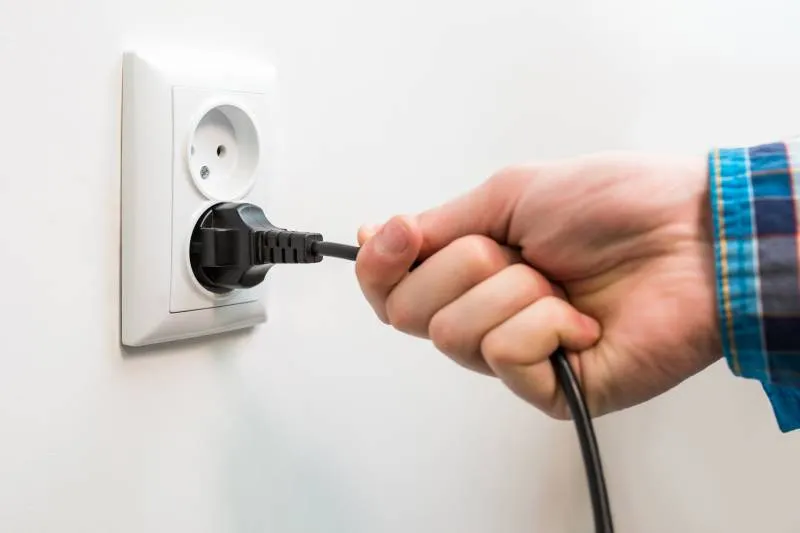
A surefire way to prevent an electrical shock or electrocution is to avoid plugging them in until you can supervise your dog. This method is advisable regardless, as it’s never safe to leave Christmas lights plugged in when no one is home because they can become a fire hazard.
6. Know the Signs of Electrocution
You should familiarize yourself with the signs that your dog has been electrocuted. This will be useful if your dog chews Christmas lights when you are unaware they were even involved in the act.
Signs of dehydration may include:
7. Choose a Table Tree
You can always place your Christmas tree on a table to keep it elevated and off the ground so your dog cannot access it. Depending on your dog's size, this idea may or may not work, but it's worth considering. Ensure you cover the wiring and cords to keep your dog uninterested.
8. Avoid Popcorn Tree Lights
Some people love the age-old tradition of stringing popcorn to place on the Christmas tree. Popcorn’s scent will only weave its way to your dog’s nose, which will cause your dog to investigate, putting them in danger. Always avoid food for decorations, whether your Christmas tree or something else, to keep your dog safe from nosing around your holiday décor.
9. Save the Presents for Last
It’s a good idea to avoid placing presents under the tree until Christmas Eve to keep your dog uninterested. We know this is not a favorable idea, but when considering your dog's safety, it’s for the best. The more you can deter your dog’s interest in the lights, the better. Presents can make your dog curious and more likely to snoop around.
10. Use Grounded, Three-Prong Extension Cords
Using grounded, three-prong extension cords reduces the chance of electrical shock and fires. Inspect the extension cords before plugging them in, and never overload them with too many plug-ins. Always store extension cords in a safe, dry space away from wet or extreme weather conditions.
Final Thoughts
Christmas lights are fun and are part of the holiday tradition. However, you must take the necessary precautions to keep your dog safe. Christmas lights are made of hazardous materials for dogs, and the goal is to keep the lights hidden from them or to keep them uninterested. The best scenario is supervising your dog while your house is decorated to avoid a disaster.
Remember to take your dog to the vet immediately if they eat Christmas lights.
Featured Image Credit: Dusan Petkovic, Shutterstock
Expert dog care, straight to your inbox
News, insights, expert advice, and everything dog.

No spam — unsubscribe anytime.
By signing up, you agree to our Terms & Conditions and Privacy & Cookies Policy.
How useful was this post?
Click a star to rate. You can leave written feedback afterwards. (We read all feedback.)
Rachel Giordano is a writer and musician living in Pensacola, Florida, with her partner and their two dogs, Aero, a Border Collie/Sheltie mix and Sophie, a Boston Terrier. Rachel holds a Bachelor of Arts degree in communication and loves writing about animals of all types. When she’s not writing about pets, she loves to write suspense/thriller novels. A musician by night and writer by day, she enjoys educating the public about the needs and requirements of animals, big and small.