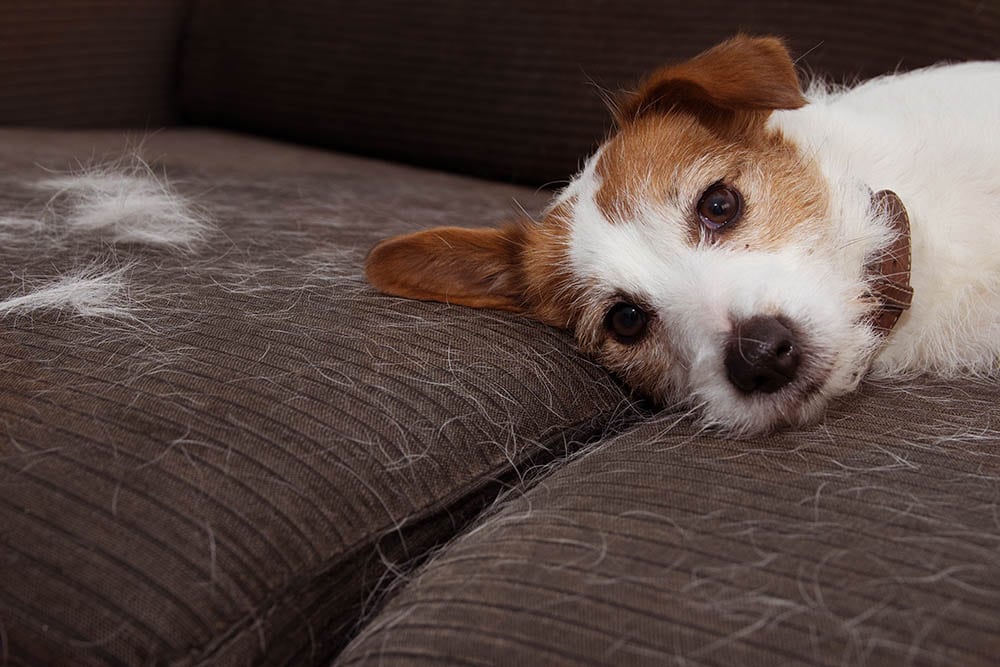
Puppy fur is usually finer, softer, and fluffier than the adult coat. Unfortunately, the puppy coat doesn’t last forever, and it will eventually shed.
If your puppy is shedding, it’s likely because it is transitioning to the adult coat. Although there are some underlying conditions that can cause a puppy to shed prematurely, you probably have nothing to worry about when it comes to puppy shedding. Most likely, your puppy is simply growing up.

Why Do Puppies Shed Their Coats?
Nearly all puppies are born with a single coat of hair. This fur helps regulate the puppy’s body temperature, but it isn’t quite as thick or stiff as adult coats. Puppies likely have lighter coats simply because their mother provides a lot of natural body warmth for the puppies.
Once the dog is no longer a puppy, it must be able to stay warm on its own. As a result, puppies will shed their puppy coat in exchange for thicker and warmer coats. Some breeds will grow a second layer of adult fur, or undercoat, to further offer warmth and protection from the elements.

Puppy vs Adult Coats
Whenever your puppy starts shedding its coat, you can expect its coat to start feeling denser and less fluffy. That’s because adult coats are often much thicker, more dense, and don’t feel quite as soft. Certain breeds develop an undercoat as well, which causes the dog to feel much thicker in terms of its coat.
Sometimes, the color of the coat will change as well. Dalmatians, for example, are born without spots, and their spots typically begin to appear at around 10 to 14 days of age, becoming more defined and numerous over the following weeks and months. English Setters and Shih Tzus are two other breeds that commonly change their coat color dramatically once the puppy coat is shed.

When Do Puppies Shed Their Coats?
Most puppies will begin shedding when they are between four and six months of age, though the timing can vary by breed and individual development. Some may start as early as 12 weeks, while others; particularly long-coated or double-coated breeds, may retain their puppy coat until around 12 months of age.

How Long Does Shedding Last?
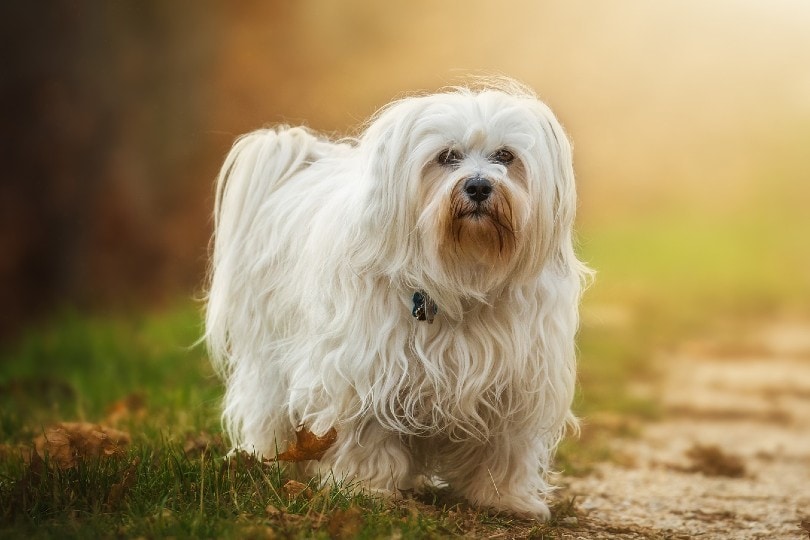
How long shedding lasts varies by breed and coat type. Many long-haired breeds can grow in their adult coat for months before it fully comes in. Pomeranians, for example, can shed their puppy coat for as long as two years before the adult coat is finalized. This extended transition is also common in double-coated breeds like Labrador Retrievers, Australian Shepherds, and Newfoundlands.
In comparison, short-haired dogs don’t normally take as long to shed. Since they only have to bring in one layer of short fur, it may only take a couple of months for the adult coat to come in fully.
How to Keep Your Puppy’s Coat Clean and Healthy
Whenever your puppy is going through its initial shedding phase, it’s important to keep the coat as clean and healthy as possible. Not only will this keep your puppy’s coat clean, but it will prevent excess fur from dirtying up your house. Below are some tips for making the most of the shedding time.
Feed Your Puppy a Balanced Diet
A well-balanced diet is always in fashion for your dog, but it is especially important during the shedding phase. If your dog does not have a good diet, its adult coat will likely be dull, extra stiff, and not very pretty. By providing your dog with a well-balanced diet, the coat will grow in full and healthy.

Routine Grooming
Even if you have a short-haired dog, you will likely want to groom it routinely during the shedding phase. Proper grooming will clean away any dirt and shedding fur, allowing the adult fur to develop properly. The grooming process varies based on breed.
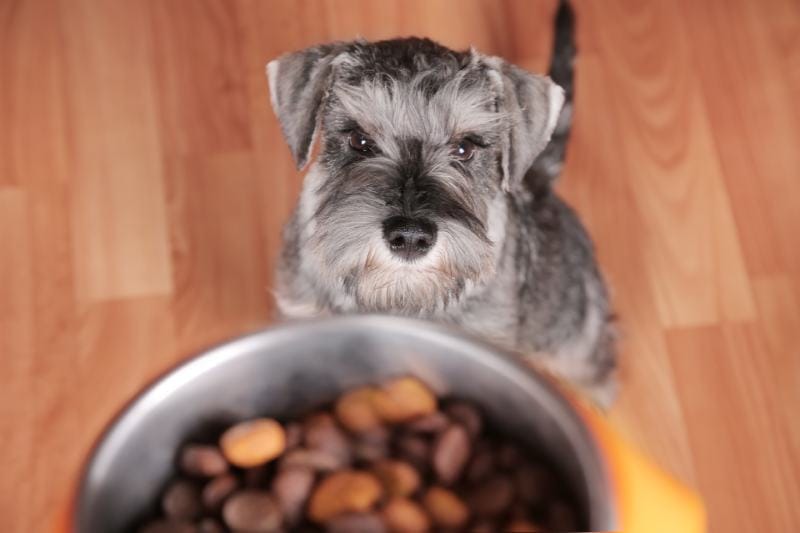
You will want to purchase dog brushes depending on your puppy’s coat. For example, a Maltese will need a completely different brush than a Schnauzer. You can talk to your vet to learn what type of brush is best for your puppy. Certain breeds will need to start seeing a groomer at this time.
If your puppy is showing signs of nervousness around the brush, you might want to give them a toy or treat whenever you present or use the brush. That way, your dog begins to make a positive association with the appearance of the brush, and learns that there is nothing to be afraid of when it comes to grooming.

Cleaning Your Home
The puppy shedding phase includes way more cleaning than usual. Because your dog will be shedding so much fur in such a short amount of time, you will probably want to invest in a good vacuum cleaner and cleaning tools. That way, you can clean up all the excess fur to keep your pet, family, and home clean.
Signs Your Puppy’s Shedding Is Due to Underlying Conditions
Even though puppy shedding is normal for virtually every dog, some puppies can lose hair due to underlying conditions. For example, allergies, mites, or fungal infections can cause your dog to lose hair unhealthily.
Signs that your puppy’s shedding is due to an underlying condition include:
- Random patches of bare skin
- Scaly skin
- Red skin
- Inflamed skin
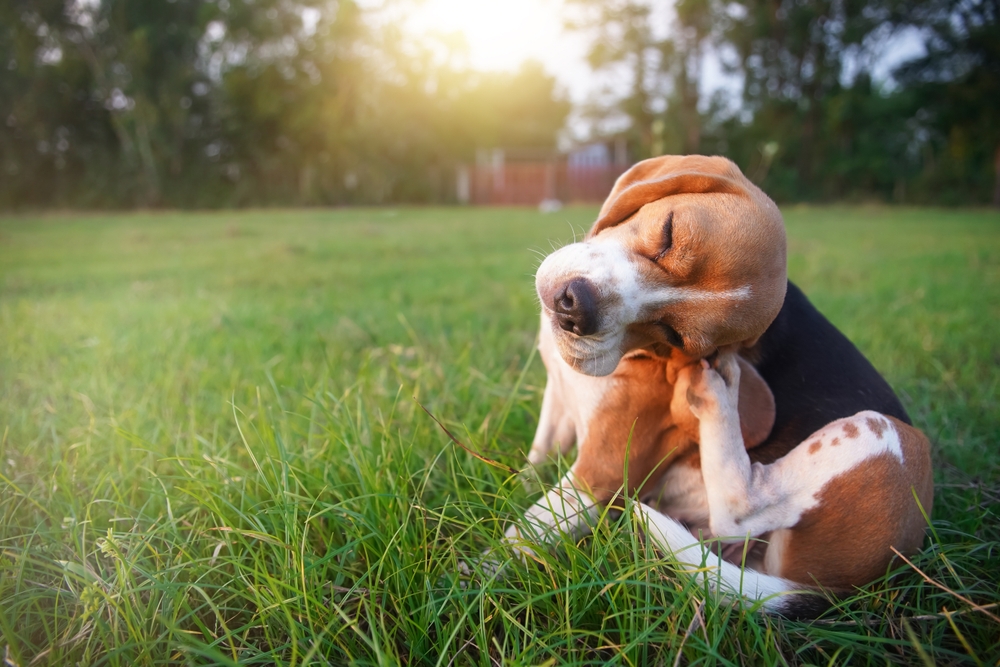
- Excessive scratching
- Excessive licking
If your puppy’s hair loss is accompanied by one or more of these signs, take it to a vet. Your vet will be able to determine the cause of your dog’s hair loss and provide a treatment plan.

If you need to speak with a vet but can't get to one, head over to PangoVet. It's our online service where you can talk to a vet online and get the advice you need for your dog — all at an affordable price!

Conclusion
If your puppy is starting to shed more than before, it’s likely growing in its adult fur. Although puppy fur is soft and adorable, it isn’t quite as effective at keeping the dog warm and safe as it grows older. So, don’t be alarmed if your puppy is shedding more than usual.
Instead, kick up grooming and cleaning habits. Even though the extra grooming and cleaning may be a bit of a hassle, it means that your pup is becoming an adult. Not to mention, extra grooming is a great way to bond with your puppy for lifelong companionship.
You may also be interested in:
- When Do Puppies’ Eyes Change Color? What You Need To Know
- Can Dogs Eat Parmesan Cheese? Vet Approved Facts & FAQ
Featured Image Credit: smrm1977, Shutterstock
 Why Do Puppies Shed Their Coats?