Do Dogs Have Tonsils? Vet-Verified Canine Anatomy Facts & Info



In this article
Dogs have a lymphatic system which is part of their immune system. Tonsils are a part of this lymphatic system, and they can be found at the back of the throat. When their tonsils are healthy and functioning properly, they’ll help defend your dog’s nose and mouth from harmful bacteria and viruses. Sometimes, the tonsils can get inflamed, and your dog can develop tonsilitis.
Tonsilitis is uncommon in dogs, but it’s still an issue to be aware of because it can cause significant discomfort and pain. Here’s what you need to know about your dog’s tonsils and how you can help them stay healthy.

Where Are a Dog’s Tonsils Located?
Dogs have a pair of tonsils that are located at the back of their throat. They’re in small pouches called crypts, which rest on the left and right sides of the throat. The tonsils can be a bit difficult to spot in healthy dogs. However, sometimes the tonsils become inflamed and swell. Enlarged, swollen tonsils may be visible when you open a dog’s mouth and look toward the back of their throat.
What Do a Dog’s Tonsils Do?
Tonsils are a part of a dog’s immune system. They’re a line of defense that protects the mouth and nose. Because of their position they help filter out bacteria and other germs that enter through the mouth or nose, and they contain a high concentration of white blood cells. When the tonsils get infected, they become inflamed, which results in tonsilitis.

Tonsilitis in Dogs
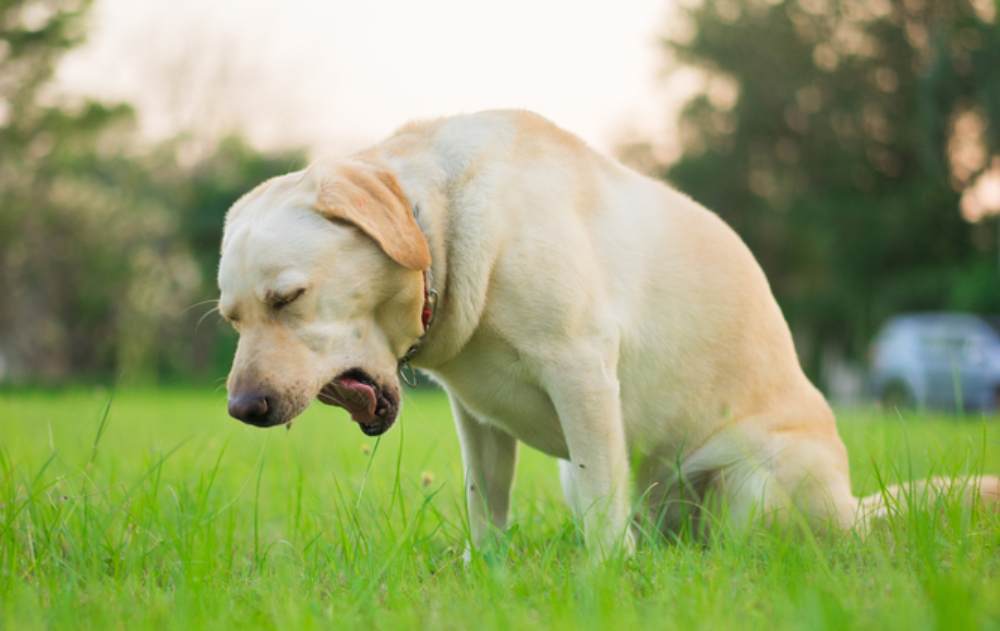
Tonsilitis is a general term that refers to inflamed tonsils. A variety of health issues can cause tonsilitis in dogs, and most cases of tonsilitis occur as a result of another disease. For example, chronic vomiting or regurgitation, chronic coughing and periodontal disease can lead to tonsilitis. Tonsillitis is sometimes seen in brachycephalic (short nosed) breeds which is related to their anatomy and ongoing inflammation of the throat.
In some cases, dogs may get primary tonsilitis that’s not caused by another disease. Primary tonsilitis is rare in larger dogs, and most cases occur in small dog breeds.
Tonsilitis is usually identified by swollen and inflamed tonsils. However, your dog may also exhibit other signs when they have tonsilitis. They may gag, retch, or have difficulty swallowing. They may also emit high-pitched noises or have noisy breathing. Some dogs may refuse to eat because of the throat pain.
What to Do if Your Dog Has Tonsilitis
Tonsilitis is uncomfortable and painful for dogs, so it’s best to get them to your vet as soon as possible. Since tonsilitis can be a sign of an underlying disease, it’s important for a vet to examine your dog thoroughly to find a diagnosis. Tonsilitis usually subsides once the underlying medical condition gets treated. If your dog has a case of primary tonsilitis due to a bacterial infection, it’s likely your vet will prescribe antibiotics to fight the infection.
Seek veterinary advice if you’re concerned about your pet’s well-being.
Maintaining Healthy Tonsils for Dogs
Tonsillectomies, or the removal of tonsils, is not generally recommended by vets for tonsillitis. Occasionally it may be required for chronic primary tonsillitis, cancer of the tonsils or sometimes when the tonsils are so enlarged they are interfering with airflow (this is most common in brachycephalic breeds).
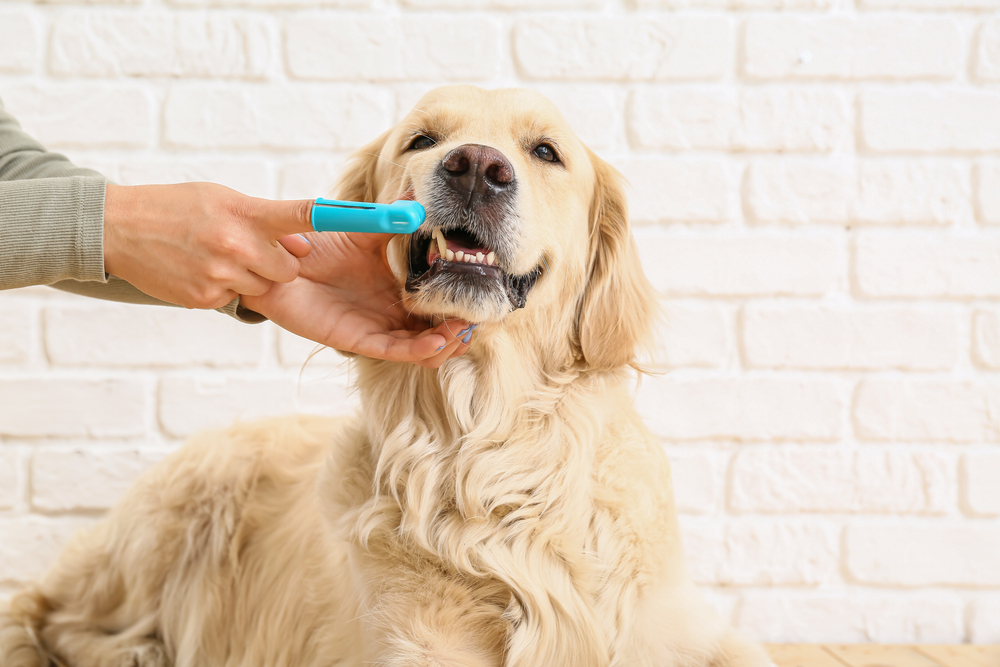
Fortunately, there are some preventative measures you can take to lower your dog’s risk of getting tonsilitis. Implementing a healthy oral hygiene routine can help prevent periodontal disease and other chronic mouth conditions that can cause tonsilitis. Brushing your dog’s teeth, using water additives, and using dental chews are all options to consider for your dog’s dental hygiene routine.
Make sure any underlying health conditions that may contribute to tonsillitis are diagnosed and addressed by a veterinarian as soon as possible. As always, feeding your dog a high quality balanced diet, and making sure they are up to date with all appropriate preventative healthcare such as vaccinations are important in maintaining general good health.

Conclusion
Your dog’s tonsils have the important job of being a line of defense against harmful germs entering the boy through the nose or mouth. When they become infected or inflamed, your dog will experience a case of tonsilitis.
For most cases of canine tonsillitis, removal of the tonsils (tonsillectomy) is not required. Good oral hygiene and addressing any ongoing health concerns as soon as possible can reduce the risk of dogs getting tonsilitis. Always consult with your vet if your dog is showing signs that may be consistent with tonsilitis.
Sources
Featured Image Credit: Josep Suria, Shutterstock
Expert dog care, straight to your inbox
Vet-reviewed advice, training tips, and the best of Dogster. Free, and you can unsubscribe anytime.
By signing up, you agree to our Terms & Conditions and Privacy & Cookies Policy.
Jessica is a freelance writer who spends bigger part of her day researching and writing while her furry companion Cavapoo, Nora, snoozes beside her. She loves dogs, pets and animals because there’s so much to learn from them, and they do so much for us. As a dog mom, she understands the strong connection that pet parents have with their pets. So, she loves sharing helpful information that pet owners can use to better understand their beloved pets. When she isn't writing, you may find her walking dogs, tending to her plants, or drinking her nth cup of coffee.
Join the conversation
Ask a question, share your story, or send private feedback.