Are Dogs Mouths Cleaner Than Human Mouths? Vet Approved Facts & FAQ


It’s commonly believed that dog mouths are cleaner than human mouths. However, this belief is simply a myth, and dog mouths aren’t any cleaner than human mouths. While there are some similarities between the two, there are just too many differences to make any fair comparisons. Some would say that it’s like comparing apples to oranges.
Since licking is a normal dog behavior, it’s worth understanding what’s going on inside your dog’s mouth. We’ll answer some common questions that many people have about dogs’ mouths and their oral hygiene.

Comparing Dog Mouths and Human Mouths
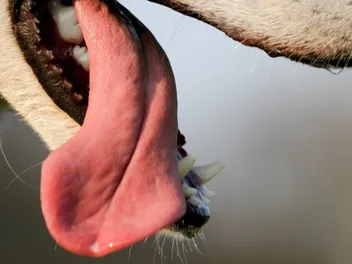
While it may sound a bit gross, mouths are hosts to microbiomes and contain a diverse ecosystem of bacteria. Both human mouths and dog mouths contain billions of bacteria and can host roughly 700 unique species.1 Some species of bacteria found in the mouth of dogs are infectious to humans, but most are not.
There’s some overlap in the types of bacteria that are found in dog and human mouths. However, the majority of species found in a dog’s mouth are different from the species found in a human’s mouth. So, even though there are a few harmful bacteria that may occur in a dog’s mouth that would cause disease in a human e.g. Salmonella spp., most viruses and bacteria in a dog’s mouth can’t survive in a human host.

Origins of This Myth
It’s unclear as to how the myth about dogs having clean mouths came to exist. However, it’s possible that it started with the observation that humans don’t seem to catch diseases when their dogs lick them. While it’s common knowledge that diseases can be transferred orally from human to human, some people don’t realize that we can also catch diseases from their dogs. Oral transfer of harmful bacteria from dogs to their owners is rare, but it can still happen.
Dogs also frequently lick their wounds. So, it’s possible that people believed their saliva had healing properties. In fact, certain ancient civilizations, including the Greeks and Egyptians, included the use of dog saliva in healing rituals and practices.

Frequently Asked Questions (FAQ)
Now that we’ve cleared up this myth, we’ll answer some frequently asked questions that many dog owners have about their dog’s saliva and oral hygiene.
Does Dog Saliva Have Healing Properties?
Technically, dog saliva and human saliva both contain healing properties. Histatins are proteins found in saliva, and they can help protect wounds from infections and encourage open wounds to close faster. Another protein found in saliva that can help speed up wound healing is nerve growth factor. Saliva also contains nitrite, which works to break down nitric oxide to prevent infections.
Should I Let My Dog Lick His Wounds?
While dog saliva may contain healing properties, it’s still best to take your dog to your veterinarian if they’ve sustained an injury. Your veterinarian can assess the wound and determine the best way to care for it and let it heal.
Dogs can lick wounds for a variety of reasons. Licking can help clean up any dirt or debris around the wound. Dogs may also lick their wounds to soothe any itching or inflammation. However, it’s not always a good idea to let dogs lick cuts and scratches. Dog saliva does have some healing properties but it also contains many bacteria that can cause infections. So, they can risk exacerbating a wound and make it worse if they continue licking a wound.

Can Infectious Diseases from a Dog’s Mouth Transfer to Humans?
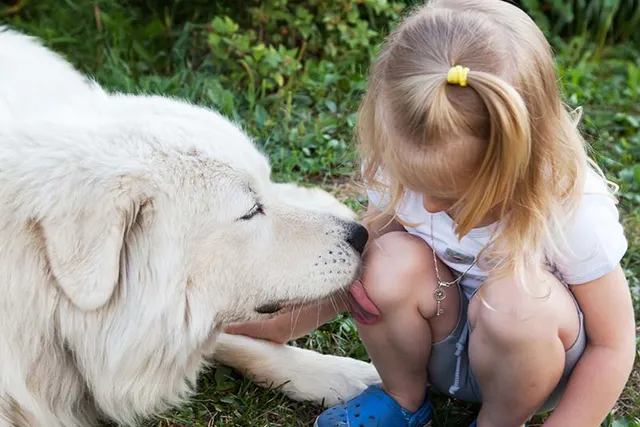
Though the chances are low, dogs can still transfer infectious diseases when they lick a human. Since dogs and humans can host several of the same bacteria, dogs can cause humans to get sick if humans come in contact with their saliva.
One example of bacteria that can transfer from dogs to humans is Salmonella. Dogs that eat a raw food diet are at higher risk of ingesting contaminated meat. If they were to lick their owners after eating, the Salmonella bacteria could transfer to the humans, especially if the dog was licking their faces.
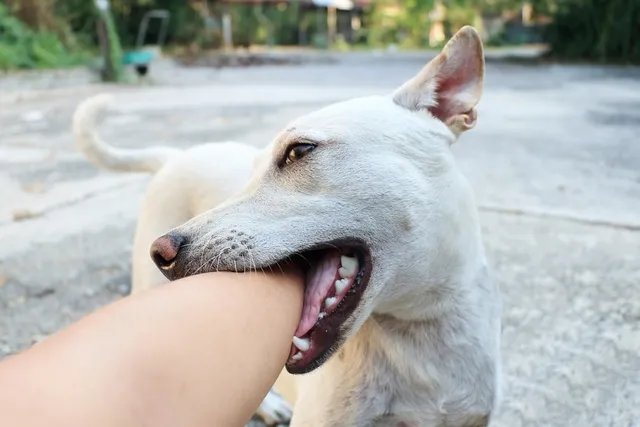
People have a higher risk of catching an infectious disease from dog saliva if the saliva enters their mouth or comes in contact with a cut or scratch on their skin. You can also catch an infectious disease from a dog bite. So, if anyone gets bitten by a dog, it’s important to clean the wound thoroughly and seek urgent medical attention.
Why Does My Skin React When My Dog Licks Me?
Some people will have an allergic reaction to dog saliva. Dog saliva contains certain proteins that can trigger a person’s allergies and cause their skin to develop a rash or break out in hives. Allergens can also be found in dog dander and urine.
Why Does My Dog’s Saliva Smell Bad?
A dog’s saliva can smell bad for a lot of reasons. Sometimes, it can simply be because they ate something stinky. However, smelly saliva and bad breath are usually indicators of an underlying health issue that requires veterinary care. For example, bad breath can be a sign of gum disease, kidney disease, or diabetes. Smelly saliva may also be caused by food or a foreign object getting lodged in your dog’s mouth.

How Can I Keep My Dog’s Mouth Clean?
Dental disease is prevalent in dogs, and 80% of dogs over 3 years old have active dental disease. So, it’s important to establish a dental care routine as early as possible and be vigilant about keeping your dog’s mouth clean.
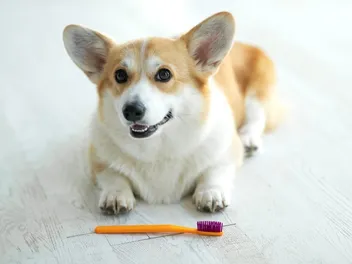
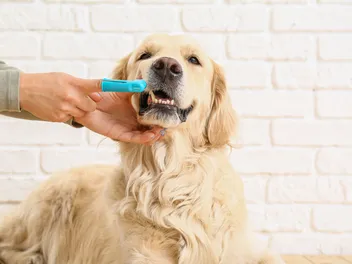
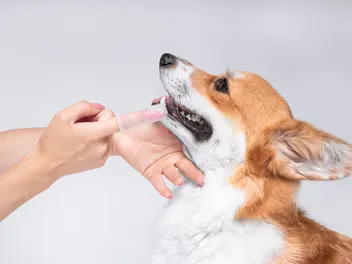
One of the most effective ways to keep your dog’s mouth clean is to brush their teeth daily. Most dogs won’t enjoy getting their teeth brushed at first and will require gradual training to get used to the feeling. It’s also best to try out different types of brushes to see which ones are most comfortable for your dog.
Dog mouthwashes and water additives are other dental products that you can add to your dog’s dental hygiene routine. They’re not as effective as toothbrushing, but they’re still good at freshening up your dog’s breath. Dental chews can also help keep plaque and tartar buildup at bay.
Lastly, make sure to stay on top of your dog’s routine physical exams. Your veterinarian can examine your dog’s teeth and recommend and perform dental cleanings, if necessary.
If you have any concerns about your dog or their health, we recommend you contact your vet directly.
Conclusion
Dog mouths aren’t any cleaner than human mouths, and their saliva can have both positive and negative effects on wound healing. So, it’s best to take your dog to your veterinarian if they sustain an injury and have an open wound. Your veterinarian can work to protect the wound and prevent it from getting infected.
You also can’t rely on your dog’s saliva to keep their mouth and teeth clean. Dogs require daily care to prevent dental disease. Making it a habit to brush your dog’s teeth and using other dental hygiene products can lower the risk of dental disease significantly and ensure your dog’s teeth stay healthier for longer.
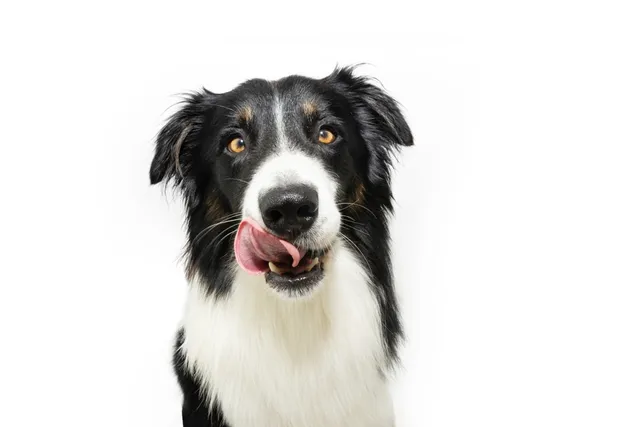
Featured Image Credit: Bachkova Natalia, Shutterstock
Expert dog care, straight to your inbox
News, insights, expert advice, and everything dog.

No spam — unsubscribe anytime.
By signing up, you agree to our Terms & Conditions and Privacy & Cookies Policy.
How useful was this post?
Click a star to rate. You can leave written feedback afterwards. (We read all feedback.)
Jessica is a freelance writer who spends bigger part of her day researching and writing while her furry companion Cavapoo, Nora, snoozes beside her. She loves dogs, pets and animals because there’s so much to learn from them, and they do so much for us. As a dog mom, she understands the strong connection that pet parents have with their pets. So, she loves sharing helpful information that pet owners can use to better understand their beloved pets. When she isn't writing, you may find her walking dogs, tending to her plants, or drinking her nth cup of coffee.