Canine Parainfluenza in Dogs: Vet-Approved Causes, Signs & Treatments
In this article
If you own a dog, you are probably aware of canine parainfluenza. You may have read about it or heard about it from your veterinarian. You may have even had your dog vaccinated against it when they were a puppy. However, you may not know all the details about this virus.
Read on to learn more about what it is and its signs, causes, diagnosis, treatments, and recovery.

What Is Canine Parainfluenza?
Canine parainfluenza, or CPIV, is a respiratory virus that is one of the known causes of kennel cough in dogs.1 Kennel cough is called canine infectious respiratory disease complex (CIRDC) nowadays to better describe what the disease involves. Canine parainfluenza is highly contagious and is commonly found in many dogs, not only dogs in shelters or other group situations.2 It cannot be transmitted from dogs to humans or other animals.
The virus is a ribonucleic acid virus that spreads through droplets in the air or through sharing contaminated materials like food and water bowls or bedding. Many dogs will only experience minor side effects. However, canine parainfluenza can exacerbate other respiratory conditions in your dog.3 If paired with another respiratory infection, such as canine influenza virus or Bordetella, canine parainfluenza can become more serious. It can also cause complications for your dog, such as pneumonia or sepsis.

Signs of Canine Parainfluenza
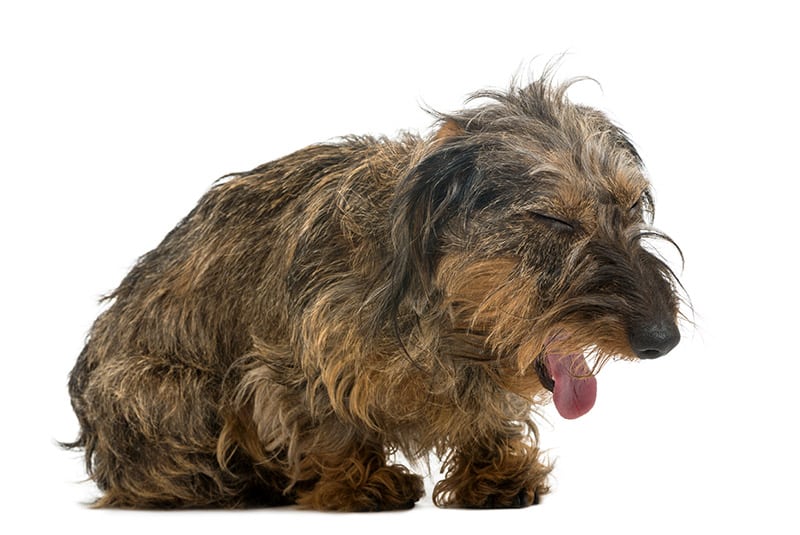
It can be tricky to diagnose canine parainfluenza because many of the signs mirror those of other respiratory infections and diseases.
These include the following:
These signs can range in severity from mild to more serious. Some dogs may be asymptomatic carriers that show no signs of illness but are still able to transmit the disease to other dogs.
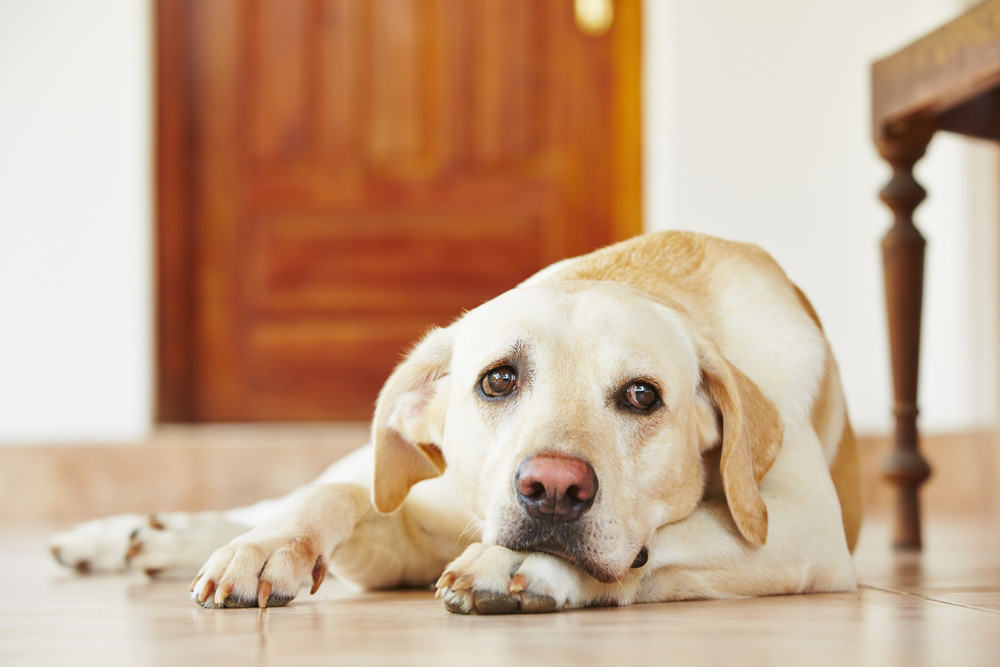
If you notice your dog exhibiting any of these signs, you should have them checked out by your veterinarian. Early intervention can help prevent the worsening of the infection and the development of pneumonia. The virus will usually clear up in about 2 weeks, though some signs have been known to linger for a longer time.
Your dog will also remain contagious for up to 2 weeks after they were infected, so you will need to keep them away from other dogs.
If you’re concerned about your pet’s well-being, we recommend you contact a veterinarian.
What Causes Canine Parainfluenza?
Canine parainfluenza is a virus spread through aerosol droplets and contaminated materials. It is extremely contagious and often spreads through shelters, dog daycares, dog shows, and other situations where multiple dogs share the same space. If you know of a canine parainfluenza outbreak in your community, it is best to keep your dog away from other dogs.

How Is Canine Parainfluenza Diagnosed?
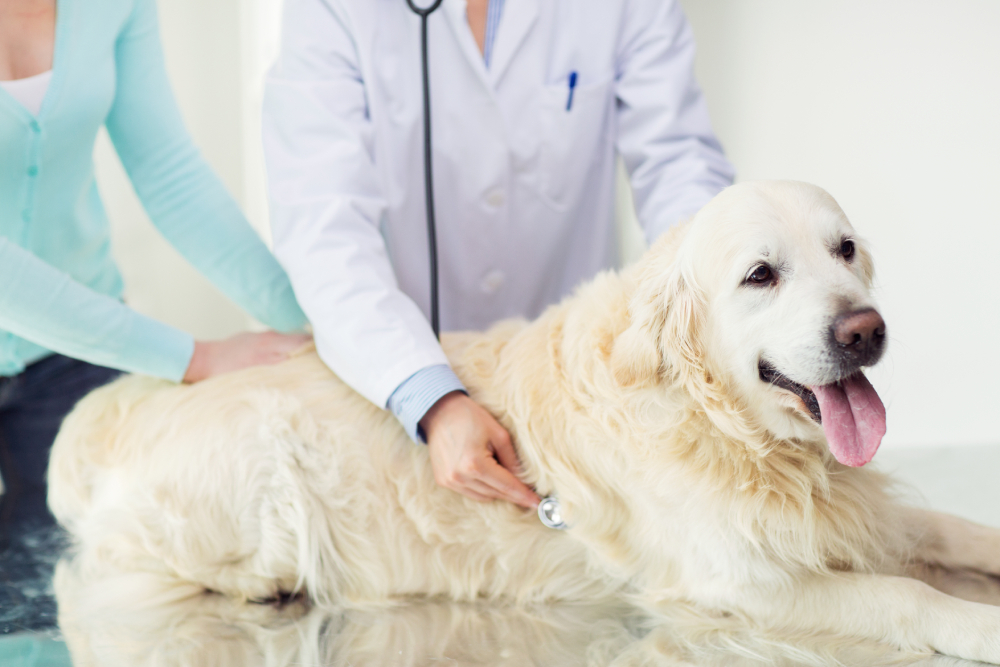
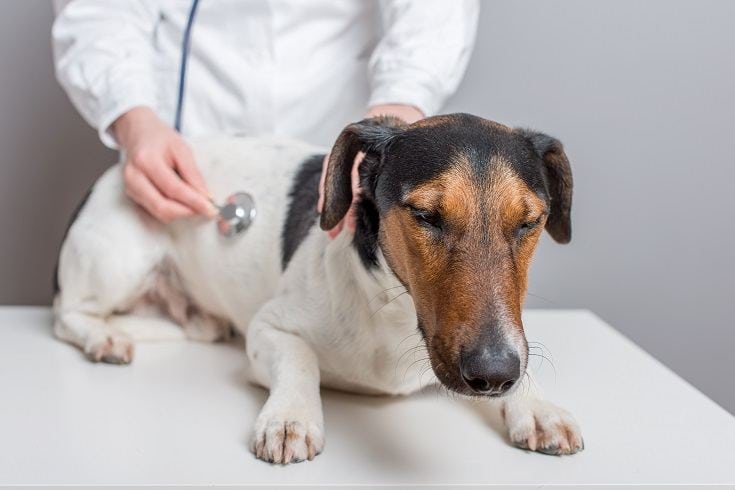
According to the American Veterinary Medical Association, a nasal or throat swab may be collected. Many other viruses present with the same signs, so it is not possible to determine if a dog has parainfluenza just by signs alone. The swab must be tested in a canine respiratory panel, which can distinguish between the different respiratory pathogens that could cause illness in your dog.
Your veterinarian will likely also ask you about your dog’s vaccination history if they are not familiar with it. They will also want to know if your dog has been in contact with other dogs, either in a kennel, at a dog park, or dog daycare. The virus is highly contagious, and alerting other pet parents to the infection can help stop the spread.
What Treatments Are Available?
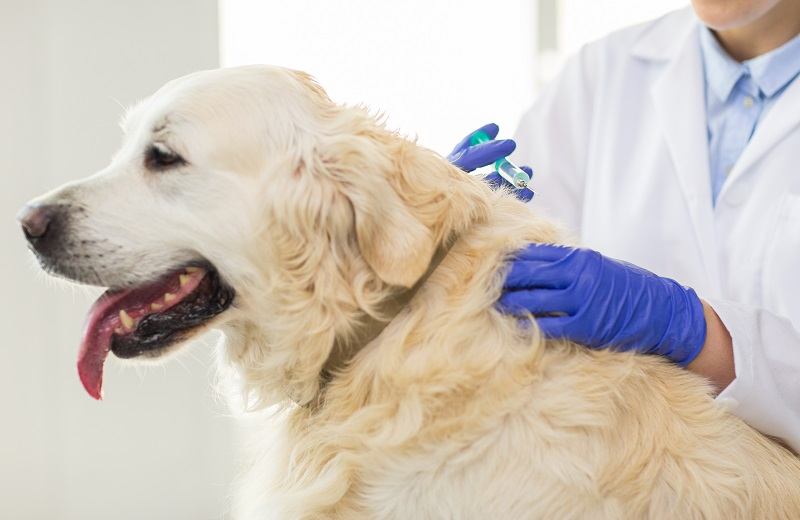
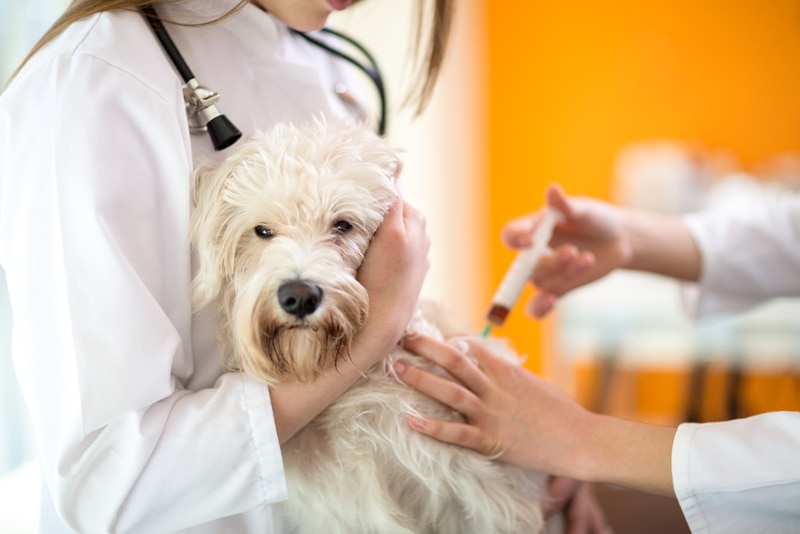
The first path to protecting your dog from canine parainfluenza is to have them vaccinated. Your dog should be vaccinated when they are a puppy against several diseases, including canine parainfluenza. Many veterinarians offer a multivalent vaccine, which protects against several diseases in one vaccine.
It is important to note that vaccines will not 100% prevent infection from canine parainfluenza. However, they will lessen the severity and possible complications if your dog does happen to get infected.
If your dog gets sick, treatments can help ease their clinical signs and discomfort. The basics include making sure they are getting plenty of fluids, eating well, and resting. If the signs are more severe, your veterinarian may prescribe a dog-safe cough suppressant. Creating a warm, humid environment by having your dog lie in the bathroom while you run the hot shower can also soothe their throat, loosen mucus, and make them more comfortable.
If your veterinarian suspects that your dog’s condition has worsened or led to the development of pneumonia, they may suggest a chest X-ray. Treatment for pneumonia would include strong antibiotics, and they may also require long-term care at an animal hospital.
Recovery and Outlook for Your Dog
Most dogs will recover from canine parainfluenza without complications within about 2 weeks. If your dog has underlying conditions or the parainfluenza pairs with another respiratory infection, the recovery time may be longer.
The biggest factors in a successful recovery include your dog’s vaccination status, the overall health of your dog, and quick veterinary care. If your dog is generally healthy, they are far less likely to have long-term complications. Vaccinated dogs will also not experience severe signs of parainfluenza. If you do suspect that your dog is ill, taking them to the vet as soon as possible will allow your vet to monitor their signs and give them the proper treatments.


Final Thoughts
Canine parainfluenza can become a serious problem if not properly treated. However, if you monitor your dog’s health and ensure that they have regular veterinary check-ups, most dogs will recover from the disease fully.
See also:
Featured Image Credit: ykaiavu, Pixabay
Expert dog care, straight to your inbox
Vet-reviewed advice, training tips, and the best of Dogster. Free, and you can unsubscribe anytime.
By signing up, you agree to our Terms & Conditions and Privacy & Cookies Policy.
Nicole has loved animals of all sizes her whole life so it's no wonder she has dedicated her career to helping them through what she loves best: learning, writing, and sharing knowledge with others. She’s the proud mom of two dogs, a cat, and a human. With a degree in Education and 15+ years of writing experience, Nicole wants to help pet parents and pets around the planet to live happy, safe, and healthy lives.
Join the conversation
Ask a question, share your story, or send private feedback.