Cancer Treatments for Dogs: Our Vet Explains the Options

In this article
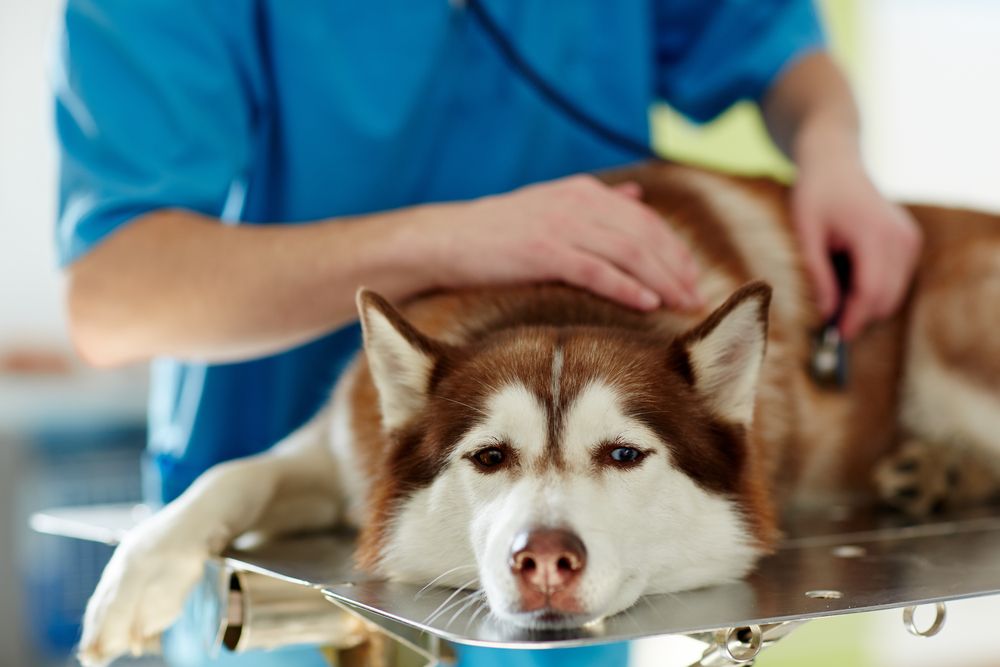
Your dog has the "Big C", and that's scary enough by itself, but now you have to figure out the best way to treat it. There are many types of cancer, and the best treatment will depend on the type and the cancer’s location. Your veterinarian can help determine the best action or refer you to a veterinary surgeon or oncologist.

Canine Cancer
The Veterinary Cancer Society offers resources to pet owners, as well as data about pet cancer. The most common type of cancer in dogs is lymphoma, with the condition accounting for roughly 24 percent of all new cancer diagnoses in dogs. An estimated 1 in 4 dogs will be affected by cancer, making it very important to have on your radar.
Many cancers start as smash lumps in the skin, but they can also occur in internal organs and lymph nodes. When a veterinarian examines your dog, they'll generally check for changes in lymph node size and abdominal organs. You should contact your veterinarian if you notice any lumps or changes in your dog's weight, energy, or appetite.

Treating Cancer in Dogs
Once your veterinarian knows what type of cancer your dog has, they'll come up with a treatment plan. The three main types of treatment are:
- Surgery
- Radiation
- Chemotherapy
In some cases, one treatment type may be enough to eradicate the cancer. In other cases, your veterinary team will need to utilize a multimodal approach and combine therapies, such as surgery followed by chemotherapy or radiation.
Surgery
Surgery can be curative in some cases if the tumor has not metastasized beyond its original location and removing the mass is possible. Some masses cannot be removed in their entirety, but they can be partially removed, a process known as debunking. Some cancers, such as a large mass in the brain or bladder, may be inoperable. Surgery is not without risks. Your dog will need to undergo anesthesia for most surgical removals, although tissue sampling and the removal of small masses is sometimes possible under a local anesthetic.
Potential surgical complications include:

Radiation
Radiation therapy aims to destroy cancer cells while leaving healthy cells unharmed. While this cannot always be accomplished, cancer cells are often more susceptible to the effects of radiation. Radiation therapy often utilizes an external device that irradiates a specific area of the body to limit damage to healthy tissues. Implants that deliver radiation are used less commonly in pets than in people. Unfortunately, some cancers are resistant to the effects of radiation. This treatment is not a cure-all, either; often, pets need radiation in combination with chemotherapy or surgical removal for the best outcome.
Chemotherapy
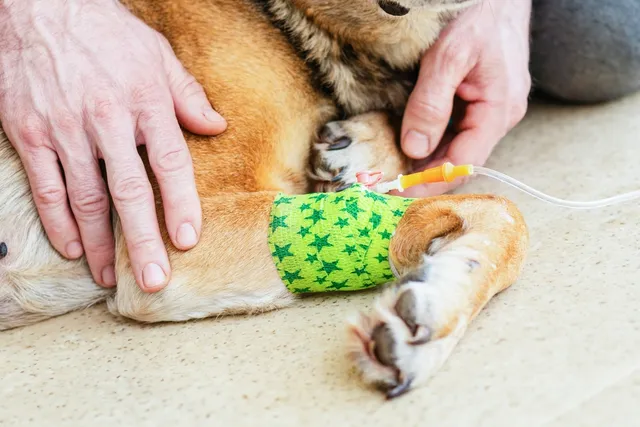
Certain medications destroy cancer cells. However, they can sometimes also damage healthy tissue, so your veterinarian will often use a combination of drugs to achieve the most effective results while limiting possible side effects. In pets, chemotherapy may not be able to provide a cure by itself. Still, it can be effective at controlling the spread of cancer, particularly with cancer that can affect your dog's entire body or a body system, such as lymphoma. Chemotherapy tends to be better tolerated in pets than by many people, although your dog may still need medication for nausea and vomiting. Your veterinarian might also prescribe an appetite stimulant. According to the Merck Veterinary Manual, there are several classes of chemotherapy medications, including:
- Mitotic inhibitors
- Alkylating agents
- Hormonal compounds

Examples of some chemotherapy medications are below.
Doxorubicin
Doxorubicin can be used as a single chemotherapy agent or in combination with other medications as a protocol, such as the CHOP protocol. Remission rates for B-cell lymphoma using doxorubicin are as high as 74 to 88 percent.
Prednisone
Prednisone is a steroid with many uses in veterinary medicine. It can help promote the death of lymphoma cells, but it isn't practical as a single agent and works better in a protocol with other chemicals.
Vincristine
The compound vincristine needs to be carefully administered intravenously. It is often used with other medications to treat sarcomas, leukemia, and even lymphoma.
Stelfonta
Stelfonta is a newer medication used to treat mast cell tumors, the most common skin tumor in dogs. The drug is injected directly into the tumor, killing the cancer cells and creating a wound at the site that must heal over time. It should not be used in pets with evidence of cancer spreading, but in pets with no metastasis, it can be performed as an outpatient procedure.

Oncept Melanoma Vaccine
Another newer medication to treat oral melanoma in dogs is the Oncept Melanoma Vaccine. It should be used in conjunction with surgery or radiation to remove or debunk the initial tumor. Your veterinarian or veterinary oncologist administers the vaccine at set times. It has effectively increased survival times for many dogs with less advanced melanoma.

Frequently Asked Questions (FAQ)
How long can a dog live with cancer?
The survival times for dogs with cancer depend entirely on what type of cancer your dog has, its grade or stage, any metastasis, its location, and other preexisting conditions that your dog might have.
Your veterinarian will generally stage the cancer. The condition is often diagnosed via a fine needle aspirate or a biopsy. Your veterinarian will likely run blood work to check for metabolic changes. Typically, vets also need to take screening radiographs (X-rays) of your dog's chest and abdomen to look for evidence of metastasis. An ultrasound may also be used.

What is the most effective cancer treatment for dogs?
According to the Merck Veterinary Manual, surgery is the main way to treat cancers. This procedure is often combined with chemotherapy or radiation for the best chance of success. Not all cancers are amenable to surgery, especially if they have spread. Your veterinarian might also advise against surgery, particularly if your dog has preexisting health conditions that could make surgery unsafe, such as a severe heart murmur or liver disease.
A vet will be able to advise you on the best course of action to ensure the well-being of your pet.
Conclusion
There are many ways to treat cancer in dogs. If your veterinarian determines your dog has cancer, they'll likely stage the cancer with testing like radiographs (X-rays). Your veterinarian will then put together a treatment protocol tailored to help slow the cancer's progression or help get your dog into remission.
Sources
https://vetcancersociety.org/resources/pet-owners/pet-owner-resources/
https://www.merckvetmanual.com/special-pet-topics/cancer-and-tumors/cancer-treatment
https://hospital.cvm.ncsu.edu/services/small-animals/cancer-oncology/oncology/stelfonta/
https://www.pvesc.com/specialty-care/oncology/canine-melanoma-vaccine/
Featured Image Credit: Pressmaster, Shutterstock
Expert dog care, straight to your inbox
News, insights, expert advice, and everything dog.

No spam — unsubscribe anytime.
By signing up, you agree to our Terms & Conditions and Privacy & Cookies Policy.
How useful was this post?
Click a star to rate. You can leave written feedback afterwards. (We read all feedback.)
Dr. Samantha Devine DVM (Veterinarian)
Dr. Samantha Devine is a practicing veterinarian who enjoys caring for animals and sharing her knowledge with pet owners. Preventative care, ranging from nutrition to vaccination, is her specialty and passion!
With over 12 years of veterinary experience, Dr. Devine has extensive knowledge to share about small animal medicine, horses, aquatic species, and even zoo animals. She has also been writing for online pet sites for most of that time.