Activated Charcoal in Dogs: Vet-Explained Uses & Potential Side Effects

In this article
Toxin ingestion in dogs is a common reason for an emergency trip to the veterinarian, which no one wants! Activated charcoal is a typical treatment veterinarians use to decontaminate the gastrointestinal tract and reduce a toxin’s impact on the entire body. Activated charcoal is often considered the “universal antidote” to many toxins that both humans and dogs can ingest.
The substance can be lifesaving when given properly, but dog caretakers should be aware of certain precautions with activated charcoal.

What Is Activated Charcoal?
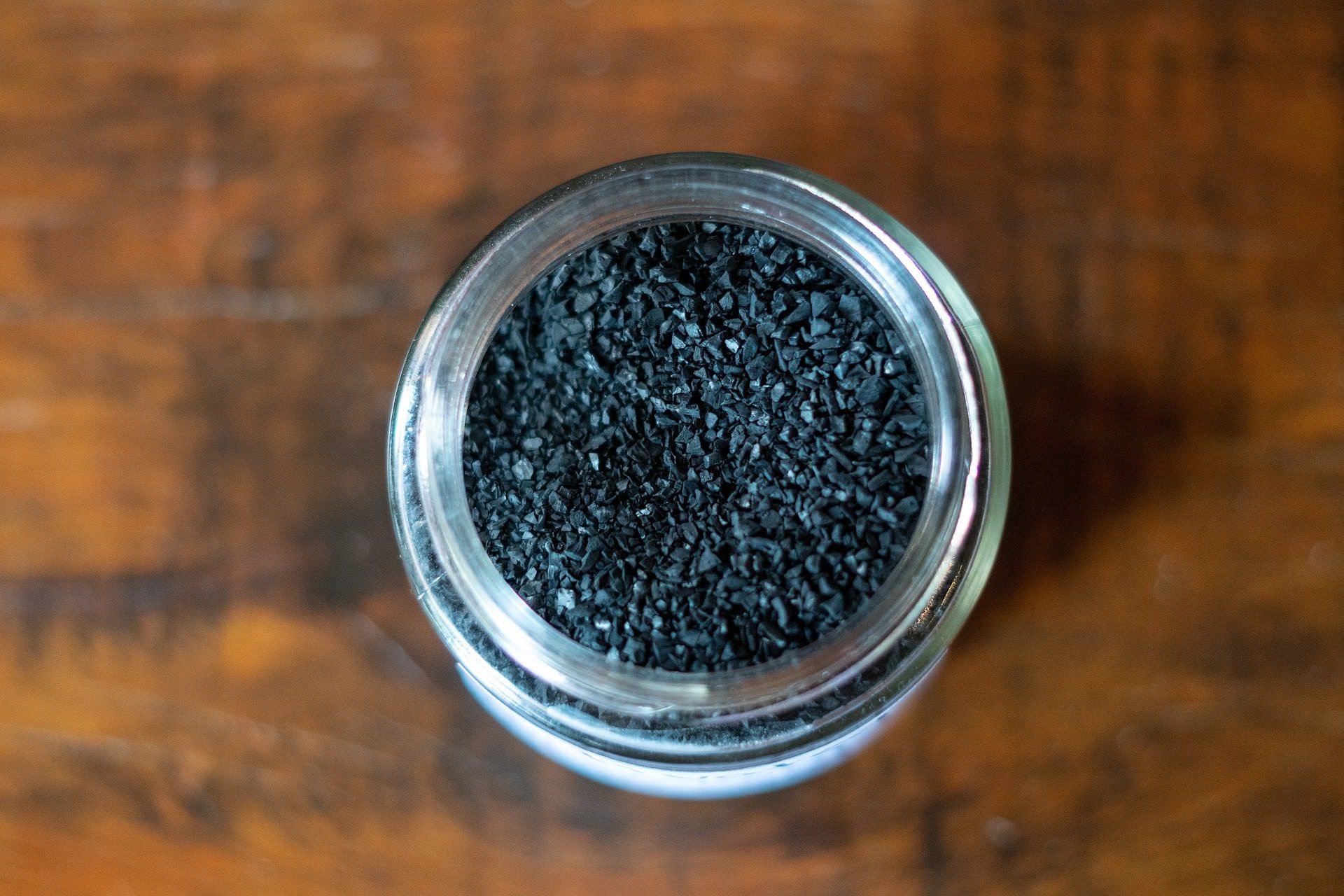
Activated charcoal is a black substance created by burning wood at very high temperatures and using chemicals to activate the charcoal particles, allowing the charcoal to easily bind to toxins within the body. It is considered an adsorbent that easily binds to other molecules it comes into contact with. Other common names for activated charcoal include activated carbon, carbon black, and adsorbent charcoal.
Activated charcoal is a very common treatment to give humans and dogs when a toxin is consumed. It's no longer as commonly used in human medicine compared to veterinary medicine, as more advanced treatment options have been developed in recent years. However, in veterinary medicine, animals are often still given activated charcoal since it is easy to administer and cost-effective compared to the other more advanced treatment options available to humans.

How Is Activated Charcoal Given?
Activated charcoal comes in various forms, including capsules, gel, granules, powder, suspension, or tablets. Activated charcoal may be given alone or with a cathartic medication that acts similarly to a laxative, increasing the transit time of contents in the gastrointestinal tract, and further reducing the chances of absorption of the toxin.
Activated charcoal is dosed by weight and should only be given by a veterinarian. It is dangerous for a dog to inhale activated charcoal. In some toxicity cases, a nasogastric tube may need to be placed to ensure the substance safely reaches the gastrointestinal tract.
In certain instances, it is considered unsafe to administer activated charcoal to a dog.
If a dog is experiencing any of the following signs, it can be considered dangerous to administer activated charcoal:
Depending on the situation, activated charcoal may be given repeatedly at certain times to absorb and eliminate as much of the toxin as possible. If given with a cathartic, it is often only given once. Cathartics are typically not used in very young dogs.
Activated charcoal is best administered to dogs in a slurry with food. This helps with the palatability and ease of administration. While tablets seem handy, they are not as effective to use in dogs compared to humans.
What Happens if You Miss a Dose?
Always consult your veterinarian if you have questions about your dog’s medications. Generally speaking, once you realize you missed a dose of activated charcoal, you can administer it to your dog and continue with the prescribed time intervals between the next dose. Do not double the dose, as too much activated charcoal can also cause problems.

Potential Side Effects of Activated Charcoal
Activated charcoal is a great first-aid tool for dogs facing toxin ingestion. It is also generally well tolerated. However, some dogs experience side effects after ingestion of activated charcoal, with the most common side effect being vomiting. Vomiting activated charcoal carries a risk for aspiration (breathing in the substance), which can be very dangerous for dogs.
Other potential side effects of activated charcoal include:
Since activated charcoal is a black substance, it can also cause staining of fabrics and fur and will cause a dog’s feces to appear black as well.
If your dog is taking daily medications, whether as a treatment for toxin ingestion or other health problems, it is essential to discuss with your veterinarian the timing of your dog’s medications with the activated charcoal doses. Generally speaking, you will need to adjust the medication schedule. It is often recommended to give other medications at least 2–4 hours after the activated charcoal is administered; otherwise, the other oral medications may be absorbed by the charcoal.
Frequently Asked Questions (FAQ)
How much activated charcoal can my dog have?
The amount of activated charcoal is determined by your dog’s size, health status, toxin, and what product you are using. It is best to consult your veterinarian before administering any activated charcoal. In some cases, the veterinarian will consult the product manufacturers or the local poison control center for guidance.
How much time do I have to give my dog activated charcoal after eating a toxin?
Activated charcoal is most effective when given within an hour of ingestion of a toxin; however, it can be given up to four hours afterward. If your dog has ingested a toxin, it is critical to bring them to your local veterinary clinic or emergency hospital immediately. The sooner your dog can be evaluated and treated, the better the chances are. If your dog has consumed a toxin within the previous two hours and is not yet ill, your veterinarian often induces vomiting to remove as much toxin from the gastrointestinal tract as possible. Afterward, the veterinarian often administers activated charcoal to decrease the absorption of the toxin by the body.
If you cannot reach a veterinarian, pet owners can also call the local poison control center for guidance (e.g., in the United States, owners can call Pet Poison Helpline at 855-764-7661 or the ASPCA Animal Poison Control Center at 888-426-4435).
What toxins don’t bind to activated charcoal?
Unfortunately, not all poisons bind to activated charcoal.
Many poisons do not effectively bind to activated charcoal, including the following:
Activated charcoal does bind to the following common poisons: acetaminophen, anticoagulant rodenticides, digoxin, non-polar compounds, organophosphate/carbamate insecticides, pyrethrins/pyrethroids, salicylates, strychnine.
Conclusion
Activated charcoal is an important first-aid treatment for many common types of poisoning in veterinary medicine. In general, it is safe and effective and can be lifesaving. The substance does require proper dosage and administration as not every poisoning case can safely receive activated charcoal. If your dog consumes a toxin, it's important to contact or see your veterinarian right away to receive guidance on proper treatment for your dog.
Sources
Featured Image Credit: Pixabay
Expert dog care, straight to your inbox
News, insights, expert advice, and everything dog.

No spam — unsubscribe anytime.
By signing up, you agree to our Terms & Conditions and Privacy & Cookies Policy.
How useful was this post?
Click a star to rate. You can leave written feedback afterwards. (We read all feedback.)
Dr. Kelly DeBaene DVM MPH (Veterinarian)
Dr. DeBaene is a small animal veterinarian with over a decade of experience working in general practice and animal shelters in the Netherlands and in the USA. She holds a DVM and MPH from the University of Illinois and is board-certified with the American College of Veterinary Preventive Medicine. Kelly is a cat lover, One Health advocate and enjoys spending time with her family and her cat, Murray.